Yes, term life insurance pays a death benefit for suicide, provided the death occurs after the policy's suicide exclusion period has expired—typically two years from the policy's effective date. If suicide occurs within this two-year window, the insurer denies the death benefit but refunds the premiums paid to the designated beneficiaries.
Understanding the Suicide Clause in Term Life Insurance
Life insurance contracts contain specific provisions designed to balance consumer protection with financial risk management for the insurer. The primary mechanism governing self-inflicted death is the suicide clause (also known as the suicide exclusion provision). Understanding how this clause operates, how timelines are calculated, and how premiums are handled is essential for policyholders and beneficiaries evaluating policy terms.
How the Two-Year Exclusion Window Works
In most U.S. states, life insurance policies include a standard two-year suicide exclusion window. This clause dictates that if the insured dies by suicide within the first two years of policy issuance, the life insurance company is not legally obligated to pay the contract's face amount (the full death benefit).
The two-year clock begins on the policy’s official effective date, which is specified in the insurance contract schedule. This date is generally when the first premium payment is processed and the underwriting process is formally completed, rather than the date the application was initially filled out or submitted.
- Policy Effective Date
- 0 to 24 Months: Exclusion Period (Premiums Refunded Only)
- Full Death Benefit Payable (Full Policy Coverage)
The primary objective of the suicide clause is to prevent adverse selection—specifically, to discourage individuals from purchasing large life insurance policies with the immediate intention of ending their lives to secure a payout for survivors. Once the exclusion window elapses, the insurer assumes the full risk, and death by suicide is treated like any other covered cause of death, such as illness or an accident.
Premium Refund vs. Death Benefit Payout
The outcome of a life insurance claim involving suicide depends entirely on whether the death occurs inside or outside the exclusion period:
- Death Within the Exclusion Window (Months 0–24): The insurer rejects the claim for the full death benefit. However, the policy does not simply forfeit all value. The insurance carrier is legally required to return all premiums paid from the policy’s inception date up to the date of death, minus any unpaid policy loans, administrative fees, or withdrawals. This money is paid out to the named policy beneficiaries or the insured's estate.
- Death After the Exclusion Window (Month 25 onward): The suicide exclusion clause no longer applies. Provided the policy remains active, premiums are fully paid, and no fraudulent misrepresentation occurred during the application process, the insurer pays the complete death benefit to the designated beneficiaries.
The Role of the Contestability Period and Application Integrity
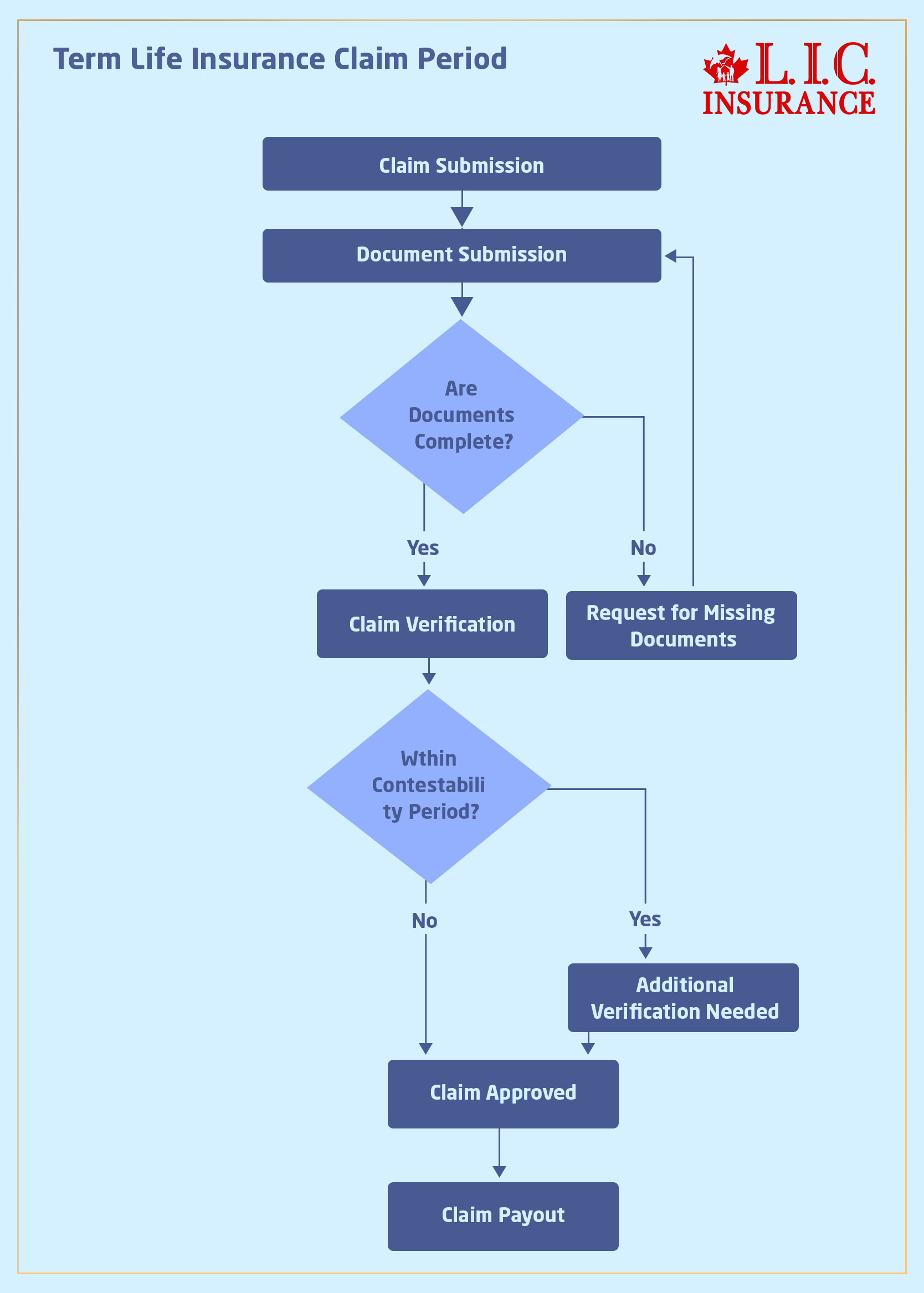
While the suicide clause specifically addresses self-inflicted death, it operates alongside another fundamental contract provision: the contestability period. Though both provisions typically last two years from the policy's effective date, they serve distinct legal functions and carry different implications for claims evaluation.
Material Misrepresentation vs. Intentional Suicide
The incontestability clause grants the insurer a two-year window from the policy's effective date to review, contest, and potentially void coverage based on misstatements or omissions made in the initial application.
When a claim is submitted following a death by suicide—even if that death occurs after the two-year suicide exclusion has expired—an insurer may still investigate the original underwriting application if the death occurred near the contestability boundary or if evidence suggests past deception.
- Application Stage: Medical & Mental Health History Disclosures
- Claims Evaluation: Medical History Check vs. Initial Application Disclosures
- No Misrepresentation Found: Full Death Benefit Paid
- Material Misrepresentation Found: Policy Voided / Claim Denied
- Material Misrepresentation: If an applicant deliberately concealed a pre-existing medical condition, history of severe clinical depression, prior suicide attempts, or psychiatric hospitalizations to obtain a lower premium rate or secure coverage that would have otherwise been declined, the insurer can contest the policy.
- Impact on Claims: If the insurer proves that the applicant committed material misrepresentation on the application, the carrier may rescind the policy entirely. In such cases, the claim is denied, regardless of whether the suicide clause period had passed, and the carrier refunds the premiums paid.
- Accurate Disclosure: Disclosing mental health treatment, therapy, or medication during underwriting does not automatically lead to policy denial. Standard underwriting evaluates stability, treatment adherence, and overall risk. Accurately reporting history ensures the policy remains legally binding and enforceable when a claim is made.
What Happens When a Policy Lapses and Is Reinstated?
If a term life insurance policy lapses due to non-payment of premiums and the policyholder subsequently applies to reinstate the coverage, the suicide exclusion clock and contestability period usually restart on the official reinstatement date.
For example, if an individual holds a term life policy for five years, allows it to lapse for three months due to missed payments, and then completes a reinstatement application with evidence of insurability, a new two-year suicide clause goes into effect from the reinstatement date. If the insured dies by suicide within two years of that reinstatement, the carrier will limit the payout to a refund of premiums paid since reinstatement (or total premiums, depending on contractual terms and state law).
State Laws, Policy Types, and Group Coverage Exceptions
While the two-year suicide clause is standard across most of the United States, variations exist depending on state insurance statutes, governing regulators, and whether the coverage is an individual term policy or an employer-sponsored group plan.
State-Specific Statutory Regulations
Insurance regulation in the United States is governed primarily at the state level. While the National Association of Insurance Commissioners (NAIC) establishes model laws, individual state legislatures set statutory limits on suicide exclusions:
- The Standard Two-Year Limit: The majority of states allow insurance carriers to enforce a maximum two-year suicide exclusion period under state insurance codes.
- The Missouri Exception: Under Missouri Revised Statutes (§ 376.620), insurers cannot deny a life insurance claim based on suicide after the policy has been in force unless the insurance company can prove that the insured contemplated suicide at the exact time they applied for the policy. Missouri law effectively restricts the suicide defense far more strictly than most other jurisdictions.
- State Modifications to Reinstatement: Some state laws limit an insurer’s ability to restart the full two-year suicide clause upon policy reinstatement if the original policy was active for a significant duration before lapsing, provided no new underwriting misrepresentations occurred.
Group Life Insurance vs. Individual Term Policies
Employer-provided group life insurance policies often handle suicide exclusions differently than individually purchased term life policies:
- Basic Group Life Insurance: Basic life coverage provided by employers as a standard employee benefit frequently does not contain a suicide clause. Because group coverage is issued on a guaranteed-issue basis across a large pool of employees without individual medical underwriting, claims for death by suicide are typically paid in full regardless of how long the employee has held the job or policy.
- Supplemental Group Life Insurance: If an employee purchases voluntary supplemental term coverage through an employer's group plan—above the basic employer-paid amount—that additional coverage often includes a standard one- or two-year suicide exclusion clause starting from the date the supplemental policy takes effect.
- Ported or Converted Group Policies: If an employee leaves a job and converts their group life coverage into an individual term policy, the original coverage start date generally carries over for calculating the suicide exclusion period, provided there is no gap in coverage.
Life Insurance Coverage and Suicide Exclusion Scenarios
The table below outlines how common scenarios affect claim payouts, coverage statuses, and beneficiary distributions under standard term life insurance contracts:
| Policy Scenario | Timing / Exclusions | Payout Outcome | Beneficiary Financial Result |
|---|---|---|---|
| Suicide within 2 years of effective date | Within suicide exclusion window | Claim for death benefit denied | Full refund of premiums paid to date |
| Suicide after 2 years of active coverage | Exclusion window has expired | Full death benefit paid | Total policy face value paid to beneficiaries |
| Suicide after policy lapse & reinstatement (within 2 years of reinstatement) | Reinstatement resets suicide clause | Claim for death benefit denied | Refund of premiums paid during reinstatement period |
| Suicide under basic group life policy (employer-paid) | Typically no suicide clause attached | Full death benefit paid | Total face amount paid immediately |
| Suicide under supplemental group coverage (within 1-2 years) | Subject to group supplemental exclusions | Death benefit denied | Refund of supplemental premiums paid |
| Suicide with material misrepresentation on application | Within contestability scope | Policy rescinded / claim denied | Premium refund; death benefit voided for fraud |
| Accidental overdose (determined non-intentional by coroner) | Evaluated under standard death rules | Full death benefit paid | Total face value paid (provided no drug exclusion applies) |
How Beneficiaries File a Life Insurance Claim Involving Suicide
Filing a life insurance claim when a policyholder dies by self-inflicted injury involves a structured administrative and legal verification procedure. Insurers follow standardized claim evaluation protocols to confirm cause of death and policy validity.
- Document Collection
- Death Certificate
- Police / Coroner Reports
- Claims Investigation
- Medical Examiner Review
- Policy Age Verification
- Payout Determination
- Full Benefit Paid OR
- Premium Refund
Required Documentation
To initiate a claim, beneficiaries or their designated representatives must submit specific legal and medical documentation to the insurance company's claims department:
- Certified Death Certificate: The official death certificate must state the final cause and manner of death. If the manner of death is classified as suicide, self-inflicted injury, or pending investigation, the insurer will flag the claim for routine claims review.
- Claimant Statement Form: A completed life insurance claim form (often designated as Form L-60 or carrier-specific statement) completed by each named beneficiary.
- Official Police and Coroner Reports: If the death occurred during the two-year exclusion window or contestability period, the insurer will request toxicological analyses, autopsy results, medical examiner findings, and police incident reports to establish the exact cause and intent.
- Original Policy Document: While optional for many modern digital carriers, submitting the original policy schedule helps verify effective dates and endorsement riders.
The Claims Investigation Process
When a death certificate lists suicide as the manner of death, the carrier’s claims division initiates a review process:
- Verifying Timeline: The adjuster checks the policy's effective date against the date of death to confirm whether the two-year exclusion period has elapsed.
- Reviewing Death Manner: If cause of death is disputed (e.g., distinguishing between an accidental drug overdose and intentional self-poisoning), the insurer relies heavily on the final findings of the local medical examiner or coroner.
- Checking Application Records: If the death occurred within the two-year contestability window, the insurer may request prior medical records to verify that the insured did not withhold relevant psychiatric treatment history during application underwriting.
- Claim Settlement: Once verification is complete, the carrier approves either the full death benefit payout or issues a formal notice of denial accompanied by a premium refund check.
Impact of Mental Health History on Life Insurance Underwriting
A common concern among buyers is whether seeking treatment for mental health conditions, such as depression or anxiety, prevents someone from qualifying for term life insurance or triggers suicide exclusions.
How Underwriters Evaluate Mental Health
Life insurance underwriters assess mental health conditions using standardized clinical guidelines rather than applying blanket rejections. When evaluating an applicant with a history of depression, anxiety, post-traumatic stress disorder (PTSD), or bipolar disorder, underwriters examine several key factors:
- Severity and Diagnosis: Mild to moderate situational depression (e.g., following a divorce or bereavement) is treated differently than severe recurrent major depressive disorder or psychotic conditions.
- Treatment Compliance: Consistent follow-up care with licensed therapists, psychiatrists, or primary care physicians, along with adherence to prescribed medication, demonstrates effective risk management.
- History of Hospitalization or Self-Harm: Past suicide attempts, self-harm incidents, or psychiatric hospitalizations will lead to higher premium rating tiers (table ratings) or require a waiting period (often 2 to 5 years of documented stability) before an insurer will offer coverage.
- Overall Stability: Long periods of stable employment, steady medical records, and absence of substance abuse history lead to favorable underwriting classifications.
Disclosing mental health history during application underwriting does not alter the duration of the standard suicide clause. Whether an applicant qualifies for a preferred rate tier or a standard rate tier, the suicide exclusion clause remains fixed at the statutory contract limit (typically two years).
Crisis Resources and Immediate Support
If you or someone you know is experiencing a mental health crisis, suicidal thoughts, or emotional distress, immediate professional support is available free of charge:
- National Suicide and Crisis Lifeline (USA): Call or text 988 (Available 24 hours a day, 7 days a week, in English and Spanish).
- The Crisis Text Line: Text HOME to 741741 to connect with a crisis counselor.
- Veterans Crisis Line: Call 988 and press 1, or text 838255.
- International Resources: If outside the U.S., contact your local emergency services or visit Befrienders Worldwide or Find A Helpline to locate free, confidential support services in your country.
Frequently Asked Questions
Does term life insurance cover accidental drug overdoses?
Yes. Term life insurance generally covers accidental drug overdoses. If the coroner or medical examiner determines that an overdose was unintentional rather than deliberate self-harm, it is classified as an accidental death. The policy pays the full death benefit regardless of whether the policy is inside or outside the two-year suicide exclusion window, provided no specific illegal act exclusions apply within the policy language.
Does a past suicide attempt prevent you from buying life insurance?
Not necessarily, but it complicates underwriting. Most life insurance companies require a waiting period—typically two to five years—following a suicide attempt before they will consider issuing a policy. Underwriters look for documented medical stability, ongoing therapy or treatment adherence, and an absence of recent self-harm incidents. If coverage is approved, standard premium rates may be higher.
Does employer group life insurance have a suicide clause?
Basic group life insurance offered by employers typically does not have a suicide exclusion clause, meaning benefits are payable regardless of when death occurs. However, voluntary supplemental term life insurance purchased through an employer often includes a one- or two-year suicide exclusion clause that applies specifically to the extra coverage amount.
What happens to a life insurance policy if the suicide clause period passes?
Once the suicide exclusion window (usually two years) has expired, the insurance company cannot deny a death benefit claim on the grounds of suicide. The policy covers death by suicide under the same terms as deaths caused by heart disease, cancer, or motor vehicle accidents, provided premiums are up to date and no initial application fraud occurred.
Can an insurance company deny a suicide claim after two years?
An insurer cannot deny a claim based on the suicide clause after the two-year period has passed. However, a claim could still be contested or denied if the insurer proves material fraud or intentional misrepresentation on the original application during the contestability period, or if the policy lapsed due to non-payment before the death occurred.
How does policy reinstatement affect the suicide clause?
When a term life policy lapses due to unpaid premiums and is later reinstated, the two-year suicide exclusion clause generally restarts from the official reinstatement date. If the insured dies by suicide within two years following reinstatement, the insurer will deny the death benefit and refund premiums collected during the reinstated period.
Practical Recommendations for Policyholders and Beneficiaries
Navigating life insurance terms requires careful attention to contract dates, application details, and administrative steps:
- Verify Policy Effective Dates: Always locate the exact policy effective date on the schedule page of your insurance contract. Calculate the 24-month exclusion window from that specific date rather than the application submission date.
- Maintain Full Application Honesty: Ensure all medical history, mental health diagnoses, prescriptions, and therapy records are completely disclosed during underwriting. Accurate disclosures safeguard the policy against future contestability challenges.
- Prevent Unintended Lapses: Set up automatic premium payments. If a policy lapses and requires reinstatement, the two-year suicide exclusion and contestability periods may restart, resetting beneficiary protections.
- Review Group Policy Documents: Examine employer benefit handbooks to distinguish between basic employer-paid coverage (which usually covers suicide immediately) and voluntary supplemental coverage (which may carry a one- or two-year exclusion).
- Obtain Comprehensive Claim Documents: If filing a claim, secure multiple certified copies of the death certificate, medical examiner reports, and police files early in the process to prevent claims processing delays.
Disclaimer: This article provides general educational information regarding term life insurance contract provisions and state insurance rules. Insurance statutes and policy terms vary by state jurisdiction and specific carrier contracts. For legal, financial, or state-specific regulatory guidance, consult a licensed insurance professional or attorney.