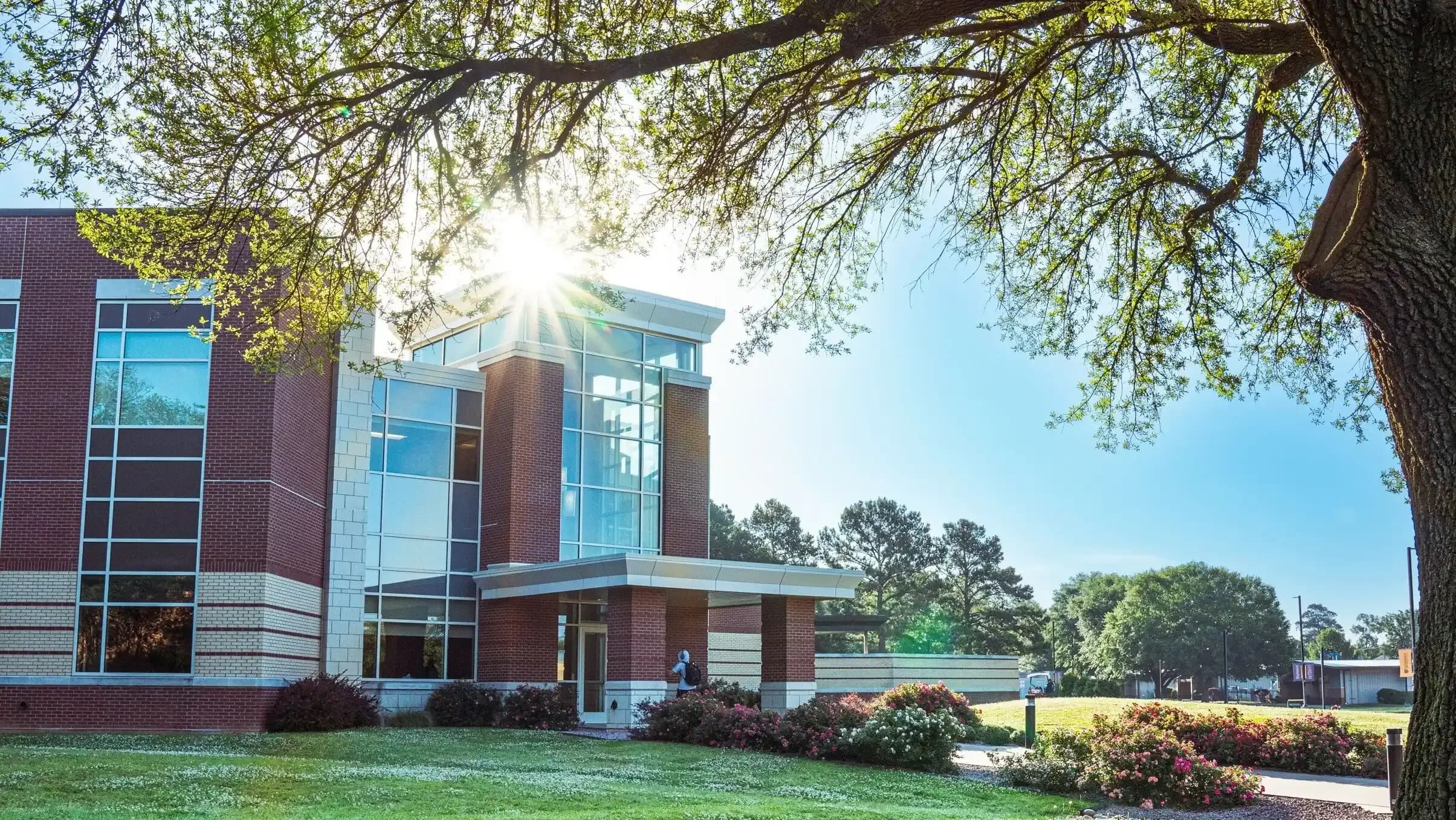
American university programs offer a diverse and flexible range of academic paths, encompassing undergraduate associate and bachelor's degrees, graduate master's and doctoral studies, and specialized professional certifications. These programs are defined by a credit-based system, a commitment to liberal arts foundations, and rigorous accreditation standards that ensure global recognition and high-quality educational outcomes for domestic and international students alike.
The landscape of higher education in the United States remains one of the most sought-after systems in the world. As we move through 2026, the structure of these programs continues to balance traditional academic rigor with emerging technological integration and career-focused outcomes. Understanding the nuances of these programs—from the initial application to the final awarding of a degree—is essential for any prospective student navigating the complex American collegiate environment.
The Hierarchy of Degree Programs in the United States
American higher education is structured as a multi-tiered system, allowing students to enter at various stages depending on their previous education and career goals. Each level of study has distinct requirements, durations, and objectives.
Undergraduate Programs: Associate and Bachelor's Degrees
Undergraduate education is the first level of post-secondary study. In 2026, the focus remains heavily on providing a broad-based education before narrowing down into a specific field.
- Associate Degrees (AA, AS): Typically offered by community colleges and some four-year universities, these are two-year programs. They serve two primary purposes: providing vocational training for immediate entry into the workforce or acting as a "transfer" degree. Students often complete their first two years of general education at a lower cost before transferring to a university to complete a bachelor's degree.
- Bachelor’s Degrees (BA, BS, BFA): The hallmark of the American university system, the bachelor's degree usually requires four years of full-time study. It is characterized by the "Major" system, where a student specializes in a specific subject (e.g., Biology, History, Computer Science) while also completing "General Education" requirements in the arts, sciences, and humanities. This breadth is intended to create well-rounded citizens capable of critical thinking across disciplines.
Graduate Programs: Master's and Doctoral Studies
Once a bachelor's degree is obtained, students may pursue advanced specialization.
- Master’s Degrees (MA, MS, MBA): These programs generally last one to two years. They are more focused than undergraduate degrees and often require a thesis or a capstone project. Professional master's degrees, such as the Master of Business Administration (MBA), are highly valued for career advancement.
- Doctoral Degrees (PhD, EdD, DBA): The highest level of academic achievement, a PhD (Doctor of Philosophy) focuses on original research and the creation of new knowledge. These programs can take anywhere from four to seven years and culminate in the defense of a dissertation.
Professional Degrees
Certain career paths in the U.S. require specific professional degrees that are often pursued after a bachelor's degree. These include:
- Juris Doctor (JD): Required to practice law.
- Doctor of Medicine (MD) or Doctor of Osteopathic Medicine (DO): Required for physicians.
- Doctor of Dental Surgery (DDS): Required for dentists.
Understanding the Credit System and Academic Flexibility
One of the most defining features of American university programs is the Credit Hour system. Unlike many international systems where students follow a rigid, pre-set cohort curriculum, the U.S. system allows for significant customization.
How Credits Work
A "credit hour" typically represents one hour of classroom instruction per week over a 15-week semester. Most standard courses are worth three or four credits. To graduate with a bachelor's degree, a student usually needs to accumulate approximately 120 credits. This modular approach allows students to:
- Change Majors: If a student discovers a new passion, they can often pivot their focus, though this may require additional time to meet the new major's specific requirements.
- Add a Minor: A "Minor" is a secondary area of specialization (usually 18–24 credits) that complements the major.
- Double Major: Ambitious students may complete the requirements for two distinct majors simultaneously.
The Role of General Education
Regardless of whether a student is studying Engineering or Fine Arts, they must complete a "Core" or "General Education" curriculum. This usually takes up the first two years of a four-year degree. The rationale is that a specialized professional is more effective if they possess a foundational understanding of social sciences, ethics, and communication.
Accreditation and Quality Assurance
In the United States, the federal government does not directly control universities. Instead, quality is managed through a system of independent accreditation. This is a critical factor for students to verify before enrolling in any program.
Institutional Accreditation
Universities are evaluated as a whole by regional or national accrediting bodies recognized by the U.S. Department of Education. Regional accreditation is generally considered the "gold standard" for academic institutions, ensuring that credits are transferable and that the degree will be recognized by employers and other graduate schools.
Programmatic Accreditation
Specific programs within a university—such as Nursing, Engineering, or Law—often seek additional accreditation from specialized bodies. For example, the ABET accredits applied and natural science, computing, engineering, and engineering technology programs. If a program lacks these specific credentials, students may find themselves ineligible for professional licensure in their state.
Admissions Requirements and Procedures for 2026
The admissions process for American university programs is famously "holistic." While grades are paramount, universities look at the "whole person."
Domestic and International Requirements
For the 2026 academic cycle, the following components are typically required:
- Transcripts: A record of all high school or previous college coursework. A high Grade Point Average (GPA) is a primary indicator of academic readiness.
- Standardized Tests: While many institutions have moved toward "test-optional" policies, scores from the SAT or ACT (for undergraduates) and the GRE or GMAT (for graduates) remain influential at competitive universities.
- Personal Statement/Essays: This is the student's opportunity to explain their goals, challenges they have overcome, and why they are a fit for the specific program.
- Letters of Recommendation: Usually from teachers or professional supervisors who can vouch for the applicant's character and intellectual abilities.
English Language Proficiency
International students whose native language is not English must demonstrate proficiency. In 2026, the most widely accepted exams are:
- TOEFL (Test of English as a Foreign Language)
- IELTS (International English Language Testing System)
- Duolingo English Test: Now accepted by thousands of U.S. institutions for its accessibility and lower cost.
The Cost of Education and Financial Aid Strategies
The cost of American university programs is a significant consideration. Fees vary wildly between public "in-state" institutions and private "Ivy League" or elite universities.
Tuition and Fees Comparison
| Institution Type | Average Annual Tuition (Estimated 2026) | Typical Duration | Focus |
|---|---|---|---|
| Community College | $4,000 - $6,000 | 2 Years | Associate/Transfer |
| Public University (In-State) | $11,000 - $16,000 | 4 Years | Bachelor's/Graduate |
| Public University (Out-of-State) | $28,000 - $45,000 | 4 Years | Bachelor's/Graduate |
| Private University | $40,000 - $65,000+ | 4 Years | All Levels |
Note: These figures represent tuition and fees only; housing, books, and insurance typically add $15,000 - $25,000 annually.
Navigating Financial Aid
Most students do not pay the "sticker price." Financial aid comes in several forms:
- FAFSA (Free Application for Federal Student Aid): The essential form for domestic students to access federal grants, work-study programs, and loans.
- Merit Scholarships: Awarded by the university based on academic or athletic excellence.
- Need-Based Aid: Awarded based on the family's financial situation.
- Assistantships: Common in graduate programs, where students receive a tuition waiver and a stipend in exchange for teaching or research work.
Specialized Pathways for International Students
For those coming from abroad, American university programs offer specific pathways to ease the transition and provide career opportunities within the U.S.
F-1 Visa and SEVIS
To study in the U.S., most international students require an F-1 Student Visa. This process begins with the university issuing a Form I-20 after the student proves they have the funds to cover at least one year of study. Students must also register with the Student and Exchange Visitor Information System (SEVIS).
Employment Opportunities: CPT and OPT
The U.S. government allows international students to gain work experience related to their field of study through two main programs:
- Curricular Practical Training (CPT): Allows for internships or work placements during the degree program if it is a required part of the curriculum.
- Optional Practical Training (OPT): Allows for 12 months of employment after graduation. Students in STEM (Science, Technology, Engineering, and Mathematics) programs may be eligible for a 24-month extension, totaling 36 months of legal work authorization in the U.S. post-graduation.
Common Pitfalls and How to Avoid Them
Navigating the American system requires careful planning. Many students encounter difficulties due to a lack of research or poor timing.
- Missing Deadlines: Many elite universities have "Early Decision" deadlines as early as November 1st for the following autumn. Missing these dates can significantly reduce the chances of admission or scholarship eligibility.
- Ignoring Accreditation: Enrolling in a "for-profit" or unaccredited institution can result in a degree that is not recognized by employers or other universities. Always check the Database of Accredited Postsecondary Institutions and Programs.
- Underestimating Living Costs: The cost of living in cities like New York, Boston, or San Francisco is substantially higher than in the Midwest or the South. Budgeting must account for regional inflation.
- Over-specialization Too Early: Students often try to take only classes in their major. This can lead to burnout and may delay graduation if General Education requirements are left until the final year.
Frequently Asked Questions
What is the difference between a "College" and a "University"?
In common American usage, the terms are often used interchangeably. However, technically, a college usually refers to a smaller institution that focuses on undergraduate education, whereas a university is a larger institution that offers both undergraduate and graduate (master's and doctoral) programs and often prioritizes research.
Can I change my major after I have started my program?
Yes, the American system is highly flexible. Most universities allow students to change their major, especially during the first two years. However, changing a major late in your academic career (e.g., junior year) may require you to take extra semesters to fulfill the specific requirements of the new department.
Are there university programs that don't require the SAT or ACT in 2026?
Yes. Many universities have maintained "test-optional" or "test-blind" policies that began earlier in the decade. However, some top-tier institutions have reinstated testing requirements, arguing that standardized tests help identify prepared students from diverse grading backgrounds. Always check the specific 2026 admissions page for each target school.
How does the "Transfer" process work?
The transfer process allows students to start at a two-year community college and then move to a four-year university. To ensure a smooth transition, students should follow "Articulation Agreements" between the two schools, which specify exactly which credits will be accepted by the four-year institution.
What is a "STEM-designated" program?
A STEM-designated program is an academic track in science, technology, engineering, or mathematics. For international students, these programs are particularly valuable because they qualify for the 24-month OPT extension, allowing for a total of three years of work experience in the U.S. after graduation.
Final Recommendations for Prospective Students
When selecting an American university program, prioritize alignment over prestige. While Ivy League schools are world-renowned, many specialized state universities or liberal arts colleges offer superior programs in specific niches like Aerospace Engineering, International Relations, or Digital Media.
Begin your search at least 18 months before your intended start date. This allows ample time for standardized testing, securing strong letters of recommendation, and navigating the financial aid or visa application process. Always verify the accreditation of your chosen program and consider the long-term ROI (Return on Investment) regarding your specific career goals in the 2026 job market.