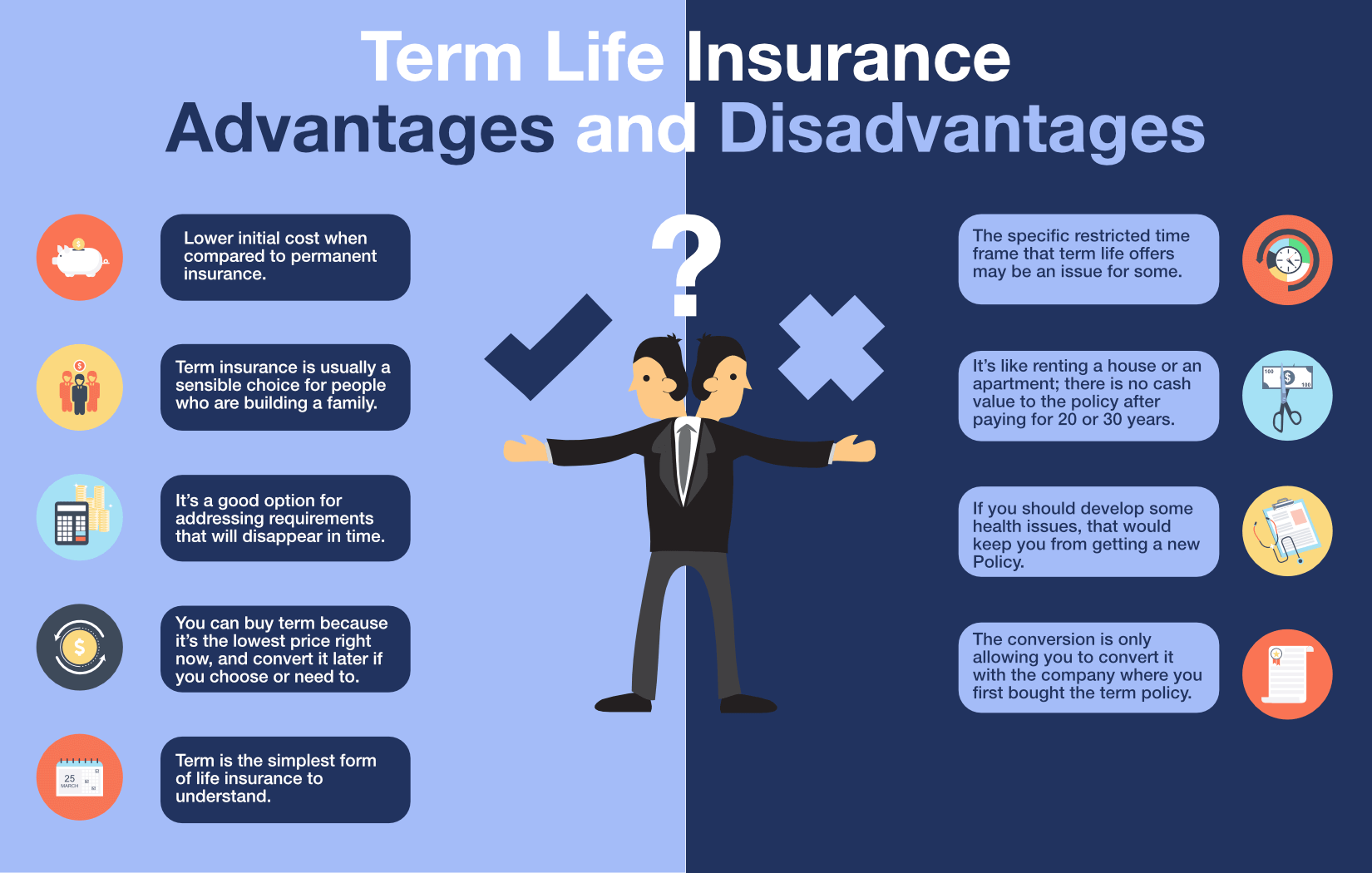
American term life insurance is a financial contract that provides a set death benefit to beneficiaries if the policyholder passes away during a specific time frame, known as the "term." Unlike permanent policies, it does not accumulate cash value, making it the most affordable and straightforward way for U.S. households to secure significant financial protection against premature death.
As of 2026, term life insurance remains the cornerstone of American family financial planning. Its primary appeal lies in its simplicity: you pay a monthly or annual premium, and in exchange, the insurance company guarantees a payout to your loved ones if you die within the policy’s duration. Because these policies eventually expire and do not include complex investment components, they offer the highest coverage amounts for the lowest possible cost.
The Core Mechanics of Term Life Insurance in the United States
To understand how term life insurance functions in the current American market, one must look at the three primary pillars of the policy: the death benefit, the premium, and the term length.
1. The Death Benefit
The death benefit is the face amount of the policy—the sum of money paid to your beneficiaries. In the U.S., this payout is generally structured as a lump sum and is typically exempt from federal income tax under Internal Revenue Code Section 101(a). This tax-free status is one of the most powerful features of American life insurance, ensuring that $500,000 of coverage actually provides $500,000 of purchasing power to the grieving family.
2. The Premium
The premium is the cost you pay to keep the insurance active. In 2026, most American policies utilize a "level premium" structure. This means the rate you are quoted at age 30 remains exactly the same until the policy expires at age 50 or 60. Actuaries calculate these rates based on your life expectancy at the time of application, effectively "averaging out" the cost over the duration of the term.
3. The Term Length
Terms in the U.S. market typically range from 10 to 30 years, usually available in five-year increments. Some carriers have introduced 35-year and 40-year terms to accommodate the trend of later-in-life home purchases and extended parenting years. The choice of term is usually dictated by the duration of the financial obligation you are trying to cover, such as a 30-year mortgage or the 20 years until a child graduates from university.
Popular Types of Term Life Insurance Policies
While "level term" is the standard, the American insurance landscape offers several variations designed to meet specific financial goals.
Level Term Life Insurance
This is the most common variety. Both the death benefit and the premium stay the same throughout the entire duration of the policy. If you buy a 20-year, $1 million policy, you are guaranteed that coverage and that price for exactly 20 years, provided premiums are paid.
Decreasing Term Life Insurance
Often referred to as "mortgage protection insurance," the death benefit of these policies drops over time, usually in alignment with the declining balance of a traditional mortgage. While the coverage decreases, the premium often stays level. These have become less popular in 2026 as level term rates have become more competitive, offering more value for the same price.
Return of Premium (ROP) Term
An ROP policy is a hybrid. If you outlive the term, the insurance company refunds all the premiums you paid over the years. However, this "money-back" guarantee comes at a steep price; ROP premiums are often 2x to 4x higher than standard level term premiums. Financial advisors often debate the efficiency of ROP, suggesting that the "extra" premium might be better invested elsewhere.
Annually Renewable Term (ART)
ART policies offer coverage that is guaranteed to be renewable each year without a medical exam, but the premium increases annually as you get older. These are typically used for very short-term needs, such as a business owner covering a one-year bridge loan.
The Underwriting Process: How Rates are Determined
In 2026, the American underwriting process has split into two distinct paths: traditional underwriting and accelerated (algorithmic) underwriting.
Traditional Underwriting
This involves a comprehensive review of your medical records, a physical exam (often including blood and urine samples), and a review of your motor vehicle record. This process can take 4 to 8 weeks but often results in the lowest possible premiums for very healthy individuals, as the insurer has total clarity on the risk.
Accelerated Underwriting (AU)
Leveraging AI and vast databases, many U.S. carriers now offer "no-exam" policies for healthy applicants under age 60. By analyzing your prescription history, MIB (formerly Medical Information Bureau) reports, and even credit-based insurance scores, carriers can issue a policy in minutes or days. While convenient, AU is usually reserved for those with clean medical histories.
Rating Categories
Insurance companies group applicants into "risk classes," which dictate the final price:
- Preferred Plus/Elite: Excellent health, no tobacco use, clean family history.
- Preferred: Great health, minor issues (e.g., well-controlled blood pressure).
- Standard Plus: Above average health.
- Standard: Average life expectancy; minor chronic conditions.
- Substandard/Table Rated: High risk due to significant health issues or dangerous hobbies.
Comparing Term Life to Other Common Insurance Types
Choosing the right policy requires understanding how term insurance sits within the broader spectrum of American financial products.
| Feature | Term Life Insurance | Whole Life Insurance | Universal Life Insurance |
|---|---|---|---|
| Duration | Fixed (10-40 years) | Lifelong | Flexible/Lifelong |
| Cash Value | None | Guaranteed growth | Variable growth |
| Initial Cost | Lowest | Highest | Moderate to High |
| Complexity | Low | High | Very High |
| Primary Use | Income replacement | Estate planning/Wealth | Flexible protection |
| Premium | Fixed/Level | Fixed | Flexible |
Essential Policy Riders in the American Market
Riders are optional add-ons that customize your coverage. In the U.S. market, some riders are included for free, while others require an additional fee.
- Accelerated Death Benefit Rider: Often included at no cost, this allows you to access a portion of your death benefit while still alive if you are diagnosed with a terminal illness (typically a life expectancy of 12-24 months).
- Waiver of Premium: If you become totally disabled and cannot work, the insurance company pays your premiums for you so the coverage doesn't lapse.
- Child Term Rider: Provides a small amount of life insurance (e.g., $10,000 to $25,000) for all children in the household. It can usually be converted to a permanent policy when the child reaches adulthood.
- Conversion Rider: A critical feature for many. It allows you to convert your term policy into a permanent policy (like Whole Life) without taking a new medical exam, regardless of your current health.
Determining Your Coverage Needs: The DIME Method
A common question for Americans is, "How much term insurance do I actually need?" The industry-standard "DIME" formula provides a structured way to calculate this:
- D (Debt): Total up all your non-mortgage debts (student loans, credit cards, car loans).
- I (Income): Multiply your annual salary by the number of years your family needs to rely on that income (e.g., until the youngest child turns 18 or 22).
- M (Mortgage): Include the remaining balance on your home loan.
- E (Education): Estimate the cost of college tuition for your children.
Subtract any existing assets or current life insurance policies from this total to find your "gap," which is the amount of term insurance you should purchase.
Legal and Regulatory Oversight
Life insurance in the U.S. is not regulated at the federal level but by individual state departments of insurance. The National Association of Insurance Commissioners (NAIC) provides model laws and coordination between states to ensure consumer protection.
Every state has a Guaranty Association that provides a safety net if an insurance company becomes insolvent. While limits vary by state, they typically protect death benefits up to $300,000 or $500,000 per person. Consumers can verify the financial strength of an insurer through independent rating agencies like A.M. Best, Moody’s, or Standard & Poor’s.
Common Pitfalls to Avoid
- Waiting Too Long: Life insurance premiums increase by roughly 5-8% for every year you age. Furthermore, a sudden change in health can make you uninsurable.
- Relying Only on Employer Coverage: Most group life insurance through an employer is only 1x or 2x your salary—rarely enough for a family—and it typically ends if you leave the job.
- Naming Minors as Beneficiaries: Insurance companies cannot pay death benefits directly to minors. Without a trust or a court-appointed guardian, the payout could be delayed in probate for months.
- Underestimating Inflation: In 2026, a $500,000 policy does not have the same purchasing power it did a decade ago. It is vital to factor in future cost-of-living increases.
FAQ: Frequently Asked Questions
What happens when my term life insurance policy expires?
When the term ends, the coverage simply stops. You no longer owe premiums, and the insurer no longer owes a death benefit. Most policies offer a "guaranteed renewability" clause, allowing you to extend the policy year-by-year, but the premiums usually jump by 500% to 1,000% or more, making it an expensive option only used by those who are terminally ill.
Can I cancel my term life insurance policy early?
Yes, you can cancel at any time by stopping your premium payments or notifying the carrier. Since term insurance has no cash value, there are no "surrender charges," but you will not receive any refund for the premiums you have already paid (unless you have a Return of Premium rider).
Are smokers eligible for term life insurance in the U.S.?
Yes, but they pay significantly higher rates—often 2x to 3x more than non-smokers. In the 2026 market, "smoking" usually includes cigarettes, e-cigarettes (vaping), and often cannabis use, though some carriers are becoming more lenient with occasional celebratory cigars or medicinal marijuana.
Can I have multiple term life insurance policies?
Yes. Many Americans use a strategy called "laddering." For example, you might buy a 30-year policy for $500,000 to cover your mortgage and a 20-year policy for $500,000 to cover your children’s upbringing. This ensures you have the most coverage when your needs are highest while reducing costs as your financial obligations decrease.
Does term life insurance cover suicide?
Almost all American policies have a two-year "suicide clause." If the insured passes away by suicide within the first two years of the policy, the death benefit is not paid; instead, the company usually refunds the premiums to the beneficiaries. After the two-year contestability period has passed, the death benefit is generally paid out.
Practical Recommendation: Your Next Steps
To secure the best rates for American term life insurance in 2026, begin by calculating your DIME total to determine your coverage amount. Use an independent brokerage or an online comparison tool to view quotes from at least five different "A-rated" carriers.
If you are in good health, look for "Accelerated Underwriting" options to bypass the medical exam. If you have any chronic health conditions, work with a specialized agent who can "pre-shop" your medical history to carriers that are more favorable to your specific condition. Always ensure your policy includes a Conversion Rider, providing you with long-term flexibility regardless of how your health or financial situation changes in the future.