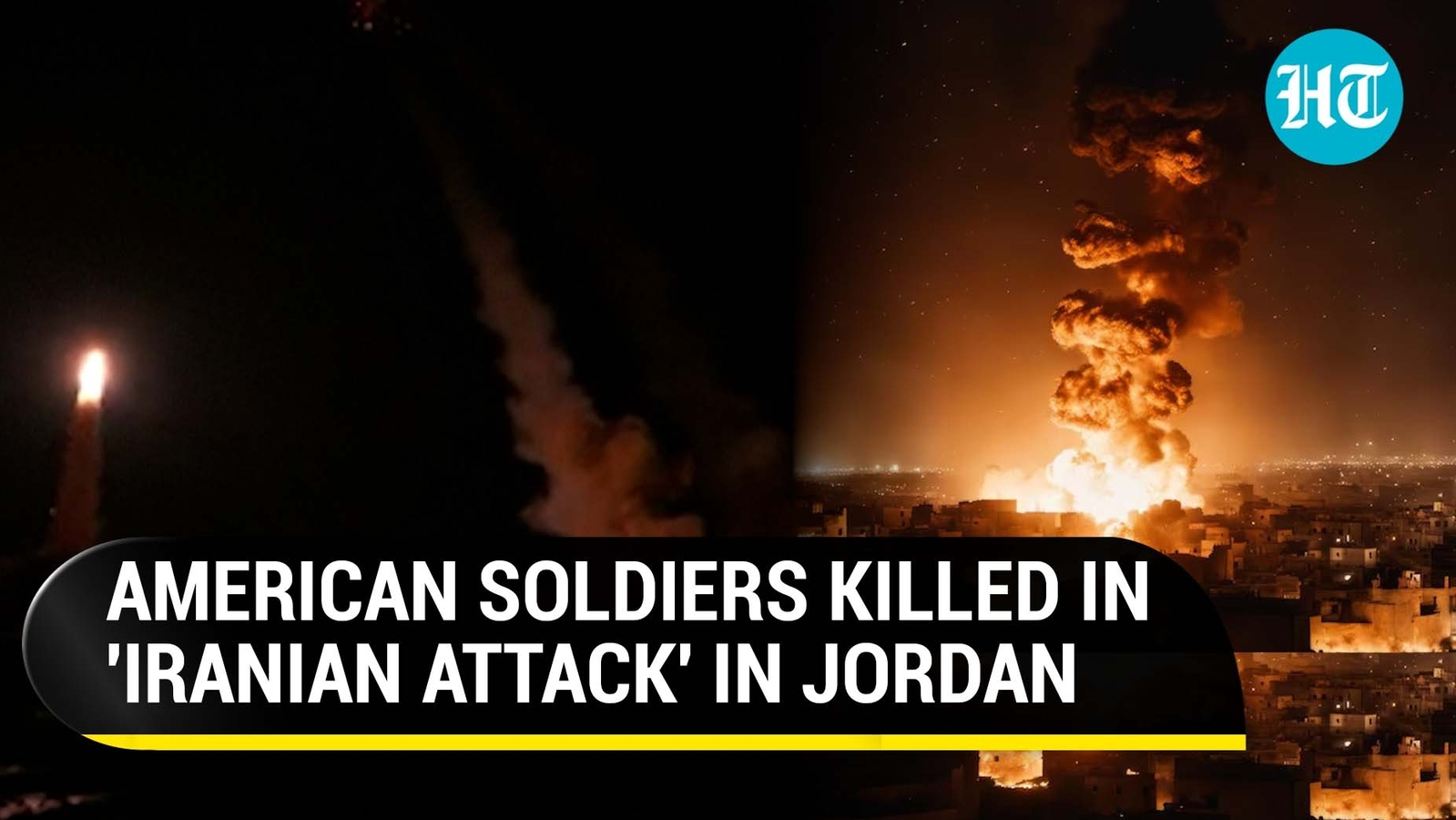
As of 2026, there are no United States military personnel currently held in Iranian custody. Historically, the most significant incidents involving the capture or detention of American service members include the 1979–1981 Iran Hostage Crisis and the 2016 Farsi Island incident. While the 1979 crisis involved diplomatic and military staff held for 444 days, the 2016 event saw 10 U.S. Navy sailors detained for approximately 15 hours after their vessels entered Iranian territorial waters.
Understanding the 2016 Farsi Island Incident
The most recent and widely discussed instance of American service members being captured by Iranian forces occurred on January 12, 2016. This event involved 10 U.S. Navy sailors—nine men and one woman—who were traveling aboard two Riverine Command Boats (RCBs). The sailors were en route from Kuwait to Bahrain when they were intercepted by the Islamic Revolutionary Guard Corps Navy (IRGCN) near Farsi Island in the Persian Gulf.
The Tactical Failure and Navigational Errors
The detention was the result of a cascade of mechanical and human errors. The two RCBs were attempting a 300-mile transit, a distance that stretched the operational limits of the vessels and the crew's endurance. During the journey, one of the boats suffered a mechanical failure in its diesel engine. While the crew attempted to troubleshoot the issue, the boats drifted into Iranian territorial waters surrounding Farsi Island.
The U.S. Navy’s subsequent investigation revealed that the crews had deviated from their planned route to make up for a late departure. This deviation brought them within the 12-nautical-mile limit that Iran claims as its sovereign territory. Furthermore, the crews were not adequately prepared for the mission, lacking proper oversight and failing to maintain situational awareness regarding their exact coordinates.
The Capture and Detention
When the IRGCN approached the American vessels, the Iranian forces displayed significant aggression, brandishing weapons and forcing the sailors to kneel with their hands behind their heads. This imagery, later broadcast by Iranian state media, became a point of intense political contention in the United States. The sailors were taken to a military base on Farsi Island, where they were questioned and held overnight.
The diplomatic resolution was remarkably swift. Then-Secretary of State John Kerry engaged in immediate discussions with Iranian Foreign Minister Mohammad Javad Zarif. Within 15 hours, the sailors were released unharmed, and their boats were returned. However, the incident occurred just days before the formal implementation of the Joint Comprehensive Plan of Action (JCPOA), or the Iran nuclear deal, leading many analysts to suggest that Iran used the event as a display of regional dominance.
The 1979 Iran Hostage Crisis: A Military and Diplomatic Siege
While the 2016 incident was a tactical maritime detention, the 1979 Iran Hostage Crisis remains the most consequential event involving the capture of American personnel in Iran. On November 4, 1979, Iranian students and militants stormed the U.S. Embassy in Tehran, taking 52 Americans hostage.
Military Personnel Among the Hostages
Among those captured were several members of the U.S. military, primarily U.S. Marine Corps guards assigned to the embassy's security detail. These individuals were subjected to psychological pressure and solitary confinement. The crisis lasted 444 days, fundamentally altering U.S.-Iran relations for decades to come.
Operation Eagle Claw: The Failed Rescue Attempt
In April 1980, the United States launched Operation Eagle Claw, a complex military mission intended to rescue the hostages. The operation was a tragic failure. Severe dust storms (haboobs) led to mechanical failures in several helicopters. During the subsequent withdrawal from a staging site known as Desert One, a helicopter collided with a transport plane, resulting in the deaths of eight American service members. This failure highlighted significant deficiencies in U.S. special operations capabilities and eventually led to the creation of the United States Special Operations Command (USSOCOM).
Comparing Key Incidents of U.S. Personnel Detained in Iran
To understand the scale and nature of these events, it is helpful to compare the two most prominent incidents involving the capture of American personnel by Iranian forces.
| Feature | 1979 Hostage Crisis | 2016 Farsi Island Incident |
|---|---|---|
| Primary Entities Involved | U.S. Embassy Staff & Marine Guards | U.S. Navy Riverine Command (Task Force 56) |
| Iranian Captors | Militant Students / Revolutionary Guards | IRGC Navy (IRGCN) |
| Duration of Captivity | 444 Days | ~15 Hours |
| Number of Personnel | 52 | 10 |
| Primary Cause | Political Revolution / Diplomatic Siege | Navigational Error / Mechanical Failure |
| Method of Release | Algiers Accords (Diplomatic Agreement) | Direct Diplomatic Negotiation |
| Immediate Casualties | 8 (During failed rescue attempt) | 0 |
International Law and the Right of Innocent Passage
A central point of debate following the 2016 capture was whether the U.S. Navy sailors were protected under international maritime law. The United Nations Convention on the Law of the Sea (UNCLOS) outlines the concept of Innocent Passage, which allows vessels to pass through the territorial waters of a foreign state as long as the passage is continuous, expeditious, and not prejudicial to the peace or security of the coastal state.
The "Distress" Exception
Under Article 18 of UNCLOS, passage includes stopping and anchoring, but only in so far as the same are incidental to ordinary navigation or are rendered necessary by force majeure or distress. The U.S. argued that because one of the RCBs had suffered a mechanical failure, the boats were in a state of "distress" and should have been granted assistance rather than being boarded and captured.
Iran, conversely, argued that the presence of armed military vessels within their territorial waters, combined with the crew's failure to communicate their presence or distress immediately, constituted a violation of sovereign territory. In 2026, maritime legal scholars continue to use the Farsi Island incident as a case study for the ambiguities of "innocent passage" for sovereign immune vessels (military ships) in contested or high-tension waterways.
Military Conduct and the Code of Conduct
The capture of the 10 sailors in 2016 led to significant internal scrutiny within the U.S. Department of Defense regarding the Military Code of Conduct. Article V of the Code states: "When questioned, should I become a prisoner of war, I am required to give name, rank, service number, and date of birth. I will evade answering further questions to the utmost of my ability."
Lapses in Discipline
The Navy's investigation found that several sailors violated the Code of Conduct during their 15 hours in Iranian custody. One sailor made a recorded statement of apology that was used by Iran for propaganda purposes. Others provided sensitive information about the capabilities and speeds of their vessels to their Iranian interrogators.
As a result of these findings, the U.S. Navy took administrative and disciplinary actions against several individuals:
- The commander of the task force was relieved of command.
- The commander of the riverine squadron was relieved of command.
- Several sailors received formal letters of reprimand or "non-judicial punishment" for their actions during the detention.
These disciplinary measures were intended to reinforce the expectation that American service members must maintain professional resistance even during short-term detentions and avoid providing propaganda material to adversarial nations.
The Geopolitical Context: IRGC vs. Artesh
When discussing American soldiers captured in Iran, it is vital to distinguish between the two branches of the Iranian military: the Artesh (regular military) and the Islamic Revolutionary Guard Corps (IRGC).
The IRGC is a paramilitary organization tasked with protecting the Islamic Republic's political system. Its naval arm (IRGCN) is known for employing "swarm" tactics with small, fast-attack craft and taking a much more confrontational stance toward U.S. Navy vessels in the Persian Gulf. In almost every modern instance of American personnel or assets being intercepted, the IRGC—not the regular Iranian Navy—has been the primary actor. This distinction is critical because the IRGC often operates with a degree of autonomy from the traditional Iranian diplomatic apparatus, sometimes taking actions specifically designed to undermine diplomatic negotiations or demonstrate military defiance.
Training and Protocol Changes Post-2016
Following the 2016 incident, the U.S. Navy implemented several systemic changes to prevent a recurrence of such captures. These changes, which remain in effect as of 2026, focus on the following areas:
- Navigation and Planning: Enhanced requirements for transit planning, ensuring that crews have clear "no-go" zones and automated alerts when approaching territorial water boundaries.
- Communication Protocols: Streamlined procedures for communicating with higher headquarters when mechanical failures occur in sensitive areas.
- SERE Training: Increased emphasis on Survival, Evasion, Resistance, and Escape (SERE) training for crews operating in the Persian Gulf and other littoral environments. This training is specifically designed to prepare service members for the psychological pressures of short-term detention.
- Equipment Reliability: Improved maintenance schedules and pre-deployment checks for small craft tasked with long-distance transits.
Frequently Asked Questions
Were any American soldiers killed during the 2016 capture in Iran?
No. All 10 U.S. Navy sailors captured near Farsi Island in 2016 were released unharmed within 15 hours. The only fatalities associated with the capture of U.S. personnel in Iran occurred during the 1980 failed rescue attempt (Operation Eagle Claw), where eight service members died in a mid-air collision.
Has Iran captured any other U.S. military personnel since 2016?
As of 2026, there have been no further successful captures of American service members by Iranian forces. There have been several "close calls" involving the downing of unmanned aerial vehicles (drones), such as the 2019 shooting down of a U.S. Global Hawk drone, but no human personnel were involved or captured in those incidents.
What happened to the sailors who were captured in 2016?
The sailors returned to their duties after the incident, but the U.S. Navy conducted an extensive investigation. This resulted in the relief of command for several senior officers and disciplinary actions for some of the sailors involved due to lapses in leadership, navigation, and adherence to the Code of Conduct during questioning.
Why does Iran capture military personnel in the Persian Gulf?
Iran often views the presence of U.S. military forces in the Persian Gulf as a threat to its national security and a violation of its sphere of influence. Captures or detentions are frequently used as "gray zone" tactics to signal strength, gather intelligence, or gain leverage in broader diplomatic negotiations, such as those regarding economic sanctions or nuclear policy.
Is it legal for Iran to seize U.S. Navy boats in territorial waters?
The legality is a matter of international dispute. While Iran claims the right to secure its territorial waters against foreign military intrusion, the U.S. maintains that under the principle of sovereign immunity, military vessels cannot be seized or searched by a foreign power, even if they inadvertently enter territorial waters, especially if they are in distress.
Final Recommendations for Understanding U.S.-Iran Maritime Incidents
For those tracking the status of American personnel in the Middle East, it is essential to rely on official Department of Defense (DoD) briefings and State Department advisories. The history of American soldiers captured in Iran shows that such incidents are often the result of a combination of technical failure and geopolitical tension.
To stay informed on current risks and historical context, readers should:
- Monitor the U.S. Naval Institute (USNI) News for detailed reports on maritime security and lessons learned from past detentions.
- Review the Congressional Research Service (CRS) reports on U.S.-Iran relations for an analysis of how these captures influence federal policy.
- Consult the U.S. Department of State archives for the diplomatic history of the 1979 Hostage Crisis and the Algiers Accords.
Understanding the distinction between an act of war and a territorial detention is vital in evaluating these events. In the modern era, the focus remains on preventing navigational errors that provide adversaries with propaganda opportunities or the chance to escalate regional conflicts.