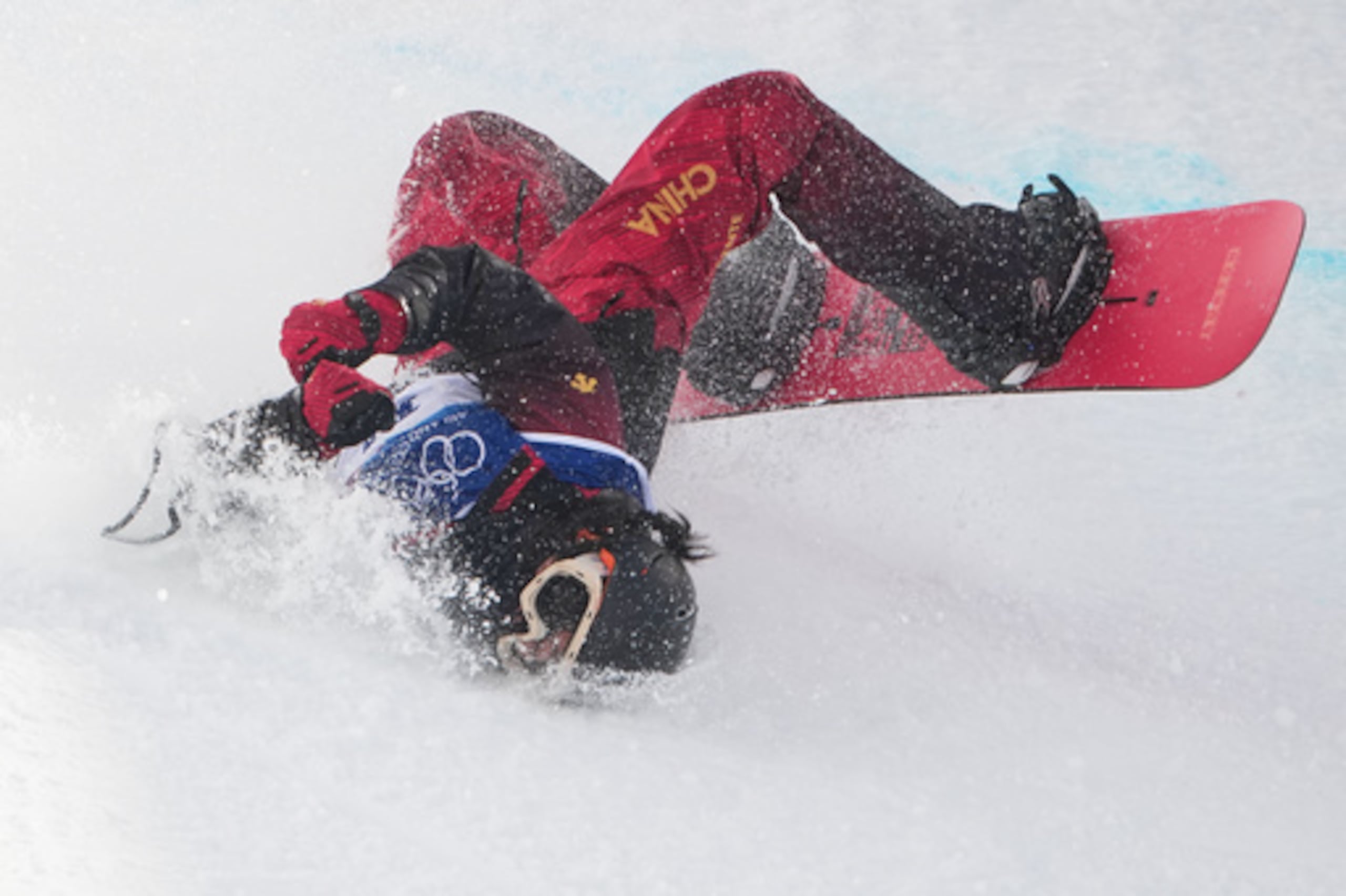
When an American-born athlete chooses to compete for China on the international stage, the process involves navigating a rigid framework of international sports law, citizenship requirements, and Olympic eligibility rules. Primarily, athletes must renounce their original citizenship to meet China's strict prohibition on dual nationality, while satisfying International Olympic Committee (IOC) and International Ski and Snowboard Federation (FIS) regulations regarding residency and sporting representation.
Understanding the Landscape of Nationality Transfer
The phenomenon of athletes transferring national representation is a long-standing feature of global sports. However, when an American-born snowboarder decides to represent China, the scrutiny is uniquely intense due to the political and cultural intersections involved. In the context of the 2022 Beijing Winter Olympics, the world witnessed high-profile examples of this shift, such as Eileen Gu, though the rules governing such transitions are universal, codified by the Olympic Charter and the internal bylaws of each individual National Olympic Committee (NOC).
For an American athlete, the transition is not merely a matter of signing a contract; it is a structural change in their legal and athletic status. China’s Nationality Law is clear: the country does not recognize dual citizenship. This means an American snowboarder must legally surrender their United States passport to obtain Chinese citizenship. This is an irreversible decision that carries profound long-term implications, ranging from global travel logistics to legal protections and tax obligations.
The Role of International Governing Bodies
The movement of athletes between nations is governed by specific rules set by the International Olympic Committee (IOC) and the International Ski and Snowboard Federation (FIS). Rule 41 of the Olympic Charter provides the foundational framework for national representation. It stipulates that a competitor must be a national of the country they represent.
If an athlete has previously represented one country in international competitions, the rules for switching are even more stringent. They must usually wait for a specific period—often three years—before competing for their new country, unless they reach a mutual agreement between the two NOCs involved. In the case of American snowboarders moving to China, the support of the Chinese Olympic Committee is a prerequisite, as they must formally certify the athlete as a national eligible for international competition under their flag.
Legal and Practical Prerequisites for Citizenship
To represent China, the athlete must first become a Chinese citizen. This is governed by the Nationality Law of the People's Republic of China, which generally favors naturalization for those who have close relatives in China, have settled in China, or have "other legitimate reasons." Professional athleticism can fall under these "legitimate reasons," provided the state deems the athlete’s contribution to national sports development to be of significant value.
The practical steps typically involve:
- Formal Application: Submitting an application to the Ministry of Public Security in China.
- Renunciation of Original Nationality: Providing formal proof that the athlete has renounced their U.S. citizenship.
- Residency Requirements: Proving an intent to reside or contributing to the sporting infrastructure within China to demonstrate a genuine connection beyond competitive convenience.
The Impact of Athletic Governance and Performance Requirements
Once legal citizenship is secured, the athlete must meet the high performance standards required to be selected for the Chinese national snowboard team. The General Administration of Sport of China oversees these programs. The team selection process is merit-based, and athletes are expected to participate in centralized training camps, adhere to strict coaching regimes, and perform consistently on the FIS World Cup circuit.
Unlike the American system, which often relies on independent sponsorships and private training squads, the Chinese system is heavily centralized. Athletes are essentially employees of the state-run sports administration, receiving housing, medical support, and specialized coaching as part of their package. This transition requires the athlete to adapt to a distinct management style where the collective goal of the national team often takes precedence over individual brand development.
Comparative Analysis: USA vs. China Snowboarding Systems
The following table highlights the structural differences between these two systems as they relate to professional snowboarding.
| Feature | United States System | Chinese System |
|---|---|---|
| Funding | Private sponsorships, donor-based | State-funded infrastructure |
| Coaching | Individualized/Independent | Centralized/State-coached |
| Dual Citizenship | Permitted | Prohibited |
| Training Venue | Flexible/Global travel | Heavily centralized in national centers |
| Governance | U.S. Ski & Snowboard | General Administration of Sport |
Challenges and Long-term Considerations
An American athlete shifting to the Chinese team faces a set of challenges that extend beyond the halfpipe or the slopestyle course. The loss of American citizenship changes how the athlete interacts with the U.S. State Department when traveling abroad. Furthermore, the athlete must navigate the cultural gap in communication and expectation. The "Team First" mentality required in Chinese sports culture can be a jarring transition for athletes accustomed to the American model, which emphasizes personal brand identity and external commercial partnerships.
There are also financial considerations. While state support in China is robust, athletes may find their ability to sign private, non-endemic endorsement deals curtailed if those deals conflict with the team’s collective sponsorship obligations. As of 2026, the global sports landscape remains highly competitive, and the pressure on athletes recruited from abroad to deliver immediate podium results is significant. Failure to meet these performance benchmarks can result in being dropped from the state-sponsored training programs, leaving the athlete in a difficult position regarding their future in the sport.
Verification of Eligibility and Compliance
Athletes considering this path must engage in a rigorous verification process. FIS registration is required to ensure that the athlete’s "National Federation" change is officially processed. This ensures that the points they earn in international competitions count toward the quota spots for China rather than the United States. This process is irreversible once the athlete has officially competed for the new nation in a major sanctioned event.
Legal counsel is essential. Any athlete attempting to navigate these regulations must consult with international sports law experts who understand both the U.S. Internal Revenue Code regarding expatriation (the Exit Tax) and the Chinese laws regarding naturalization. There is no shortcut through these processes, and attempts to circumvent them can lead to lifetime bans from the Olympic movement.
Frequently Asked Questions
Can an athlete hold both American and Chinese citizenship while competing for China? No. China does not recognize dual nationality. Any athlete choosing to compete for China must formally renounce their American citizenship to fulfill the requirements of Chinese law and IOC eligibility standards.
What happens to an athlete's FIS points when they switch nations? FIS points are tied to the individual, but the "quota" they represent is tied to the national federation. When an athlete switches, they continue to carry their accumulated points, but they begin competing to earn spots for the Chinese team, effectively removing them from the American delegation’s quota calculations.
Is it easy to switch back to representing the USA after competing for China? Switching back is exceptionally difficult. It requires the athlete to regain American citizenship—a process that is not guaranteed—and then secure approval from the IOC and the relevant sports federations to represent the U.S. again. Most athletes consider the initial switch a one-way path.
Do these athletes receive government funding? Yes. In the Chinese sports system, athletes selected for the national team are typically supported through state funding, which covers high-level training, international travel, medical support, and specialized equipment.
How does this affect endorsement deals? It changes the scope of potential endorsements. While major global brands may still work with an athlete, the athlete must ensure that their personal deals do not violate the sponsorship agreements held by the Chinese Olympic Committee or the national team itself.
Strategic Considerations for Athletes
For an athlete currently contemplating this transition, the decision should not be driven solely by a desire to gain a spot in an upcoming Olympic cycle. It is a fundamental life decision that alters one’s legal status, financial situation, and long-term residency prospects. The athlete should conduct a thorough audit of their career goals against the operational reality of the Chinese state sports system.
Before making any move, verify the specific eligibility requirements on the official International Olympic Committee website and consult with the respective national governing bodies. Ensure that every legal requirement regarding citizenship and international transfer is met in writing. Relying on anecdotal advice or informal promises can result in catastrophic career setbacks. The path is well-defined but unforgiving, requiring absolute clarity on the implications of changing one's national identity for the sake of sport.