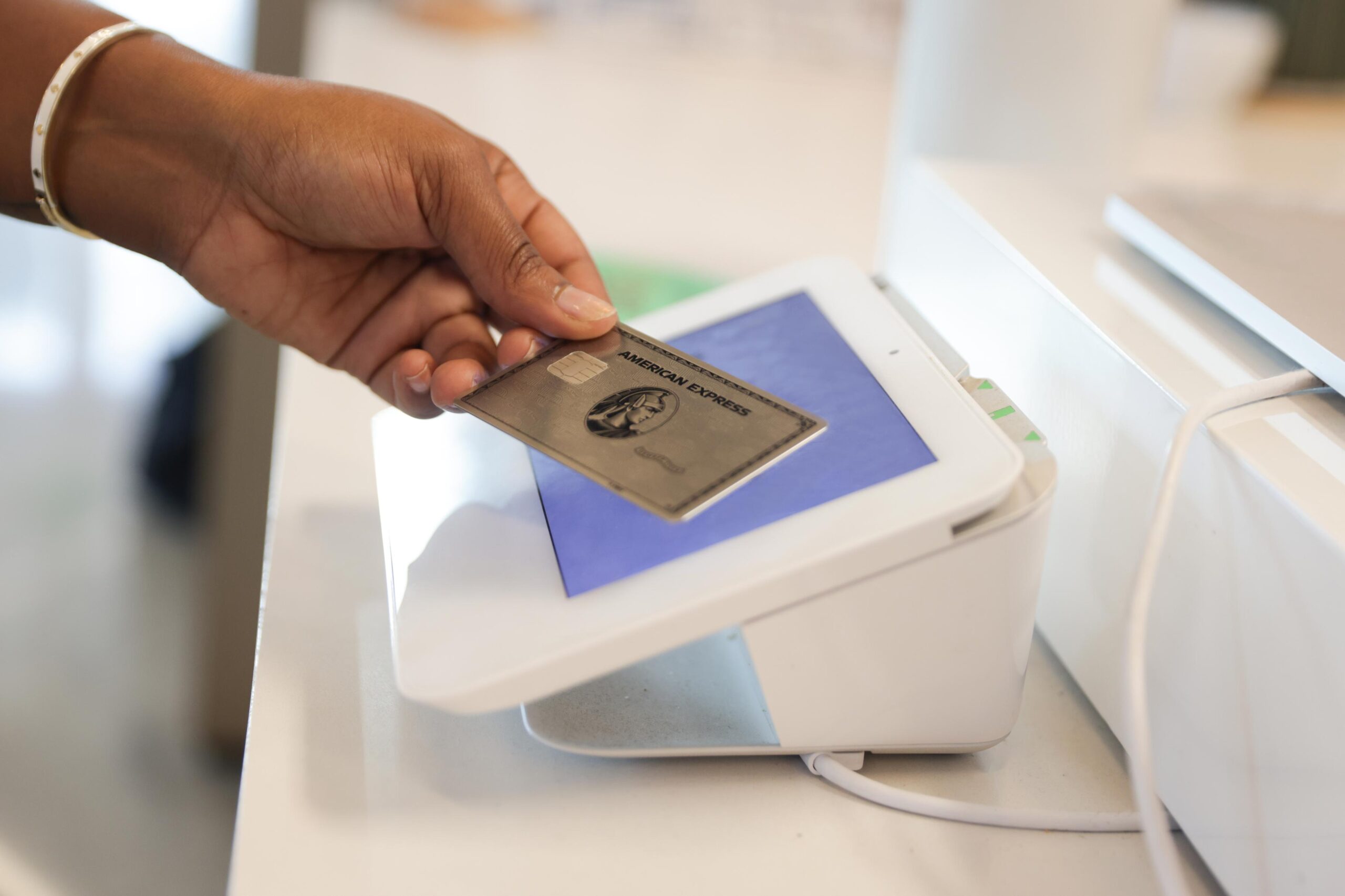
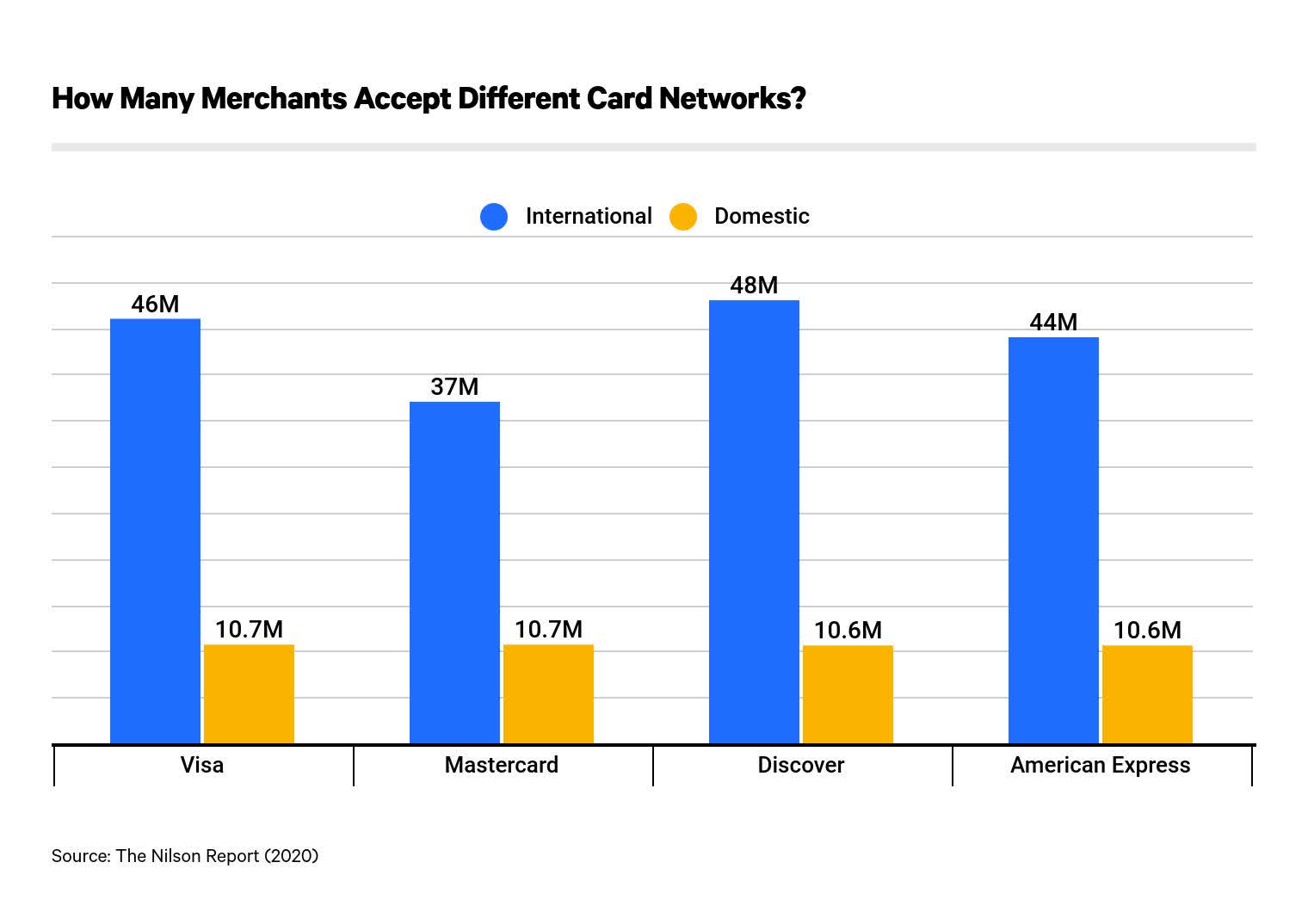
American Express merchants are businesses authorized to accept American Express (Amex) branded cards for goods and services. In 2026, businesses typically join via the OptBlue program through a third-party processor or through a direct relationship for high-volume enterprises. This status grants access to a loyal, high-spending demographic known for premium transaction volumes.
Accepting American Express has transitioned from a specialized "luxury" choice to a fundamental requirement for modern retail and service-based businesses. While historically perceived as more expensive than Visa or Mastercard, the gap has narrowed significantly. For a merchant, understanding the mechanics of Amex acceptance involves navigating different processing models, fee structures, and technical compliance standards.
The Two Primary Acceptance Models: OptBlue vs. Direct
In 2026, American Express operates primarily through two distinct merchant acquisition models. Choosing the right one depends on your annual processing volume and the level of direct relationship you require with the card issuer.
The OptBlue Program for Small and Mid-Sized Businesses
The OptBlue program is the most common path for small to mid-sized businesses (SMBs). Under this model, you do not sign a contract directly with American Express. Instead, your primary merchant service provider (MSP) or payment processor—such as Square, Clover, or a traditional bank—includes American Express alongside other card brands like Visa and Mastercard.
The primary benefit of OptBlue is simplicity. Merchants receive a single consolidated statement for all card brands, and funds are usually deposited into their bank accounts in one lump sum. Pricing is set by the processor, who pays a wholesale rate to American Express and adds their own markup. This model is generally available to businesses processing less than $1 million in annual Amex volume.
The Direct Acceptance (ESA) Model
Large enterprises and high-volume retailers typically utilize the Direct Acceptance model, formerly known as the External Sales Agent (ESA) program. In this scenario, the business signs a contract directly with American Express.
While the physical processing might still go through a standard Point of Sale (POS) system, the financial settlement and customer service are handled by Amex itself. This model allows for more granular negotiation of rates and direct access to Amex’s proprietary marketing and data analytics tools. However, it often results in "split funding," where Amex deposits their portion of the daily sales separately from other card brands.
Prerequisites for Becoming an American Express Merchant
Becoming an American Express merchant requires meeting specific eligibility criteria and operational standards. These requirements ensure the security of the payment ecosystem and the protection of the cardmember experience.
Legal and Financial Documentation
To apply, a business must provide:
- Employer Identification Number (EIN): Or a Social Security Number for sole proprietorships.
- Business License: Documentation proving the business is legally registered to operate in its jurisdiction.
- Bank Account Details: A valid business checking account for the settlement of funds.
- Physical Business Address: Amex rarely approves "PO Box only" businesses without a verifiable physical location or a robust digital presence for e-commerce.
PCI DSS Compliance
Like all card brands, American Express requires merchants to adhere to the Payment Card Industry Data Security Standard (PCI DSS). This involves implementing secure network firewalls, encrypting cardholder data during transit, and conducting regular security scans. In 2026, Amex also mandates strict adherence to its own Data Security Operating Policy (DSOP), which outlines specific requirements based on transaction volume levels.
The Financial Landscape: Fees and Discount Rates
Understanding the cost of being an American Express merchant is critical for margin protection. The cost structure is generally composed of three elements: the discount rate, transaction fees, and incidental fees.
The Discount Rate
The discount rate is the percentage of each sale that American Express (or your processor) keeps. In 2026, these rates are often tiered by industry. For example, "Everyday Needs" categories like grocery stores often enjoy lower rates than "High-Ticket" luxury retail or professional services.
Transaction and Monthly Fees
Beyond the percentage, merchants pay a flat "per-transaction" fee (e.g., $0.10 to $0.30). If you are on a direct plan, you may also encounter monthly statement fees or hardware fees if you rent equipment from a provider. Under OptBlue, these are usually rolled into your standard monthly processor subscription.
Pricing Transparency Comparison
| Feature | OptBlue (SMB) | Direct (Enterprise) |
|---|---|---|
| Contract Partner | Third-party Processor | American Express |
| Volume Threshold | Under $1M/year | Over $1M/year |
| Funding Style | Consolidated (One deposit) | Split (Separate Amex deposit) |
| Statement Style | Single Merchant Statement | Separate Amex Statement |
| Pricing Control | Set by Processor | Negotiated with Amex |
| Customer Support | Handled by Processor | Handled by Amex |
Technical Integration and Hardware Requirements
To function as an American Express merchant, your hardware and software must be compatible with their processing network. Most modern POS systems are "Amex-ready," but specific technical configurations are necessary.
Point of Sale (POS) Systems
Whether you use a handheld terminal or a complex multi-register system, the software must be updated to handle EMV (Chip) and NFC (Contactless) payments. In 2026, American Express has retired support for magnetic-stripe-only transactions in most developed markets due to fraud risks. Merchants must ensure their terminals support the latest kernels for Amex ExpressPay.
E-commerce Gateways
For online merchants, integration involves using a payment gateway that supports American Express. Major gateways like Authorize.net, Stripe, and Braintree have native support. You must ensure that your checkout page displays the American Express logo, as per the Merchant Operating Guide, to inform customers of acceptance.
SafeKey 2.0 Integration
For 2026 e-commerce operations, Amex strongly encourages the use of SafeKey, which is their version of the 3-D Secure protocol. SafeKey adds an extra layer of authentication for online transactions, significantly reducing the merchant's liability for "unauthorized" chargebacks.
Managing Disputes and Chargebacks
A significant aspect of being an American Express merchant is handling disputes. American Express is known for its "Cardmember First" philosophy, which can sometimes make the dispute process rigorous for merchants.
The Inquiry Phase
Before a formal chargeback occurs, Amex often sends an "Inquiry." This is a request for information regarding a transaction. Merchants typically have 20 days to respond with a digital receipt, proof of delivery, or a signed contract. If the response is sufficient, the dispute is closed without a financial penalty.
The Chargeback Process
If a merchant fails to respond to an inquiry or if the cardmember provides evidence of non-receipt, a chargeback is issued. The funds are immediately debited from the merchant’s account plus a chargeback fee (usually $15–$35). To win a reversal, merchants must provide "compelling evidence" as defined in the Amex Merchant Operating Guide, such as IP addresses for digital downloads or proof of successful delivery to the billing address.
Marketing and Business Growth Tools
Being an American Express merchant is not just about costs; it also provides access to unique marketing channels. Amex invests heavily in driving its cardmembers to participating merchants.
- Shop Small / Small Business Saturday: This global initiative encourages cardmembers to shop at local American Express merchants, often offering cardmembers statement credits for doing so.
- Amex Maps and Recommendations: Merchants are listed in the American Express mobile app and online maps, helping cardmembers find businesses that accept their card.
- Data Analytics: Direct merchants can access "Merchant Insights," which provide aggregated, anonymized data on customer spending patterns, helping businesses understand their market share relative to competitors.
Common Pitfalls to Avoid
Even seasoned American Express merchants can encounter issues that impact their cash flow or reputation.
- Surcharging Errors: While many jurisdictions allow credit card surcharging, American Express has specific rules. You cannot charge a higher fee for Amex than you do for other credit cards.
- Displaying Incorrect Branding: Failing to display the American Express logo if you accept the card—or displaying it if you have been terminated—can lead to compliance violations.
- Delayed Responses to Inquiries: Missing the window for a dispute inquiry almost always results in an automatic, irreversible chargeback.
- Inconsistent "Doing Business As" (DBA) Names: If the name on the customer's credit card statement doesn't match your store name, they are likely to dispute the charge as "unrecognized."
Frequently Asked Questions
Why are American Express merchant fees generally higher?
Historically, American Express operated on a "spend-centric" model rather than a "lending-centric" model. They charge higher fees to fund premium rewards and customer service for cardmembers who, on average, spend significantly more per transaction than users of other card brands. However, with the OptBlue program in 2026, many small businesses find that Amex rates are now very competitive with Visa and Mastercard Infinite or World Elite tiers.
Can I choose to accept only certain types of American Express cards?
No. Under the "Honor All Cards" rule, if you agree to be an American Express merchant, you must accept all valid American Express cards, including corporate cards, prestige cards like the Platinum or Centurion, and prepaid Amex cards. You cannot pick and choose based on the specific reward level of the card.
How long does it take for an American Express merchant to get paid?
Under the OptBlue model, funding typically matches your processor's schedule, which is often 1–2 business days. For merchants with a Direct (ESA) relationship, settlement usually occurs within 3 business days, though "Next Day Settlement" can sometimes be negotiated for a fee or as part of a premium service package.
What should I do if my merchant account is suspended?
Account suspensions usually stem from a sudden spike in chargebacks or a violation of the Merchant Operating Guide (such as selling prohibited items). You should immediately contact your processor (for OptBlue) or your Amex relationship manager (for Direct). Be prepared to provide updated financial statements and proof of delivery for recent transactions to verify the legitimacy of your business operations.
Is it mandatory to use SafeKey for online transactions?
While not strictly mandatory for all merchants, using SafeKey (3-D Secure) is highly recommended. In 2026, American Express and many insurance providers for merchant accounts shift the liability for fraudulent transactions to the merchant if SafeKey is not utilized during the checkout process for eligible transactions.
Practical Recommendation for New Merchants
If you are a small to medium business starting out in 2026, your first step should be to verify your OptBlue eligibility with your current payment processor. This is the most cost-effective and operationally simple way to join the American Express merchant network.
Avoid signing separate contracts for Amex unless your annual volume exceeds $1 million, as the administrative burden of split-funding and separate reporting usually outweighs the minor savings in direct negotiation for smaller volumes. Always ensure your POS hardware is fully NFC-enabled to capture the growing segment of cardmembers using mobile wallets like Amex Pay.