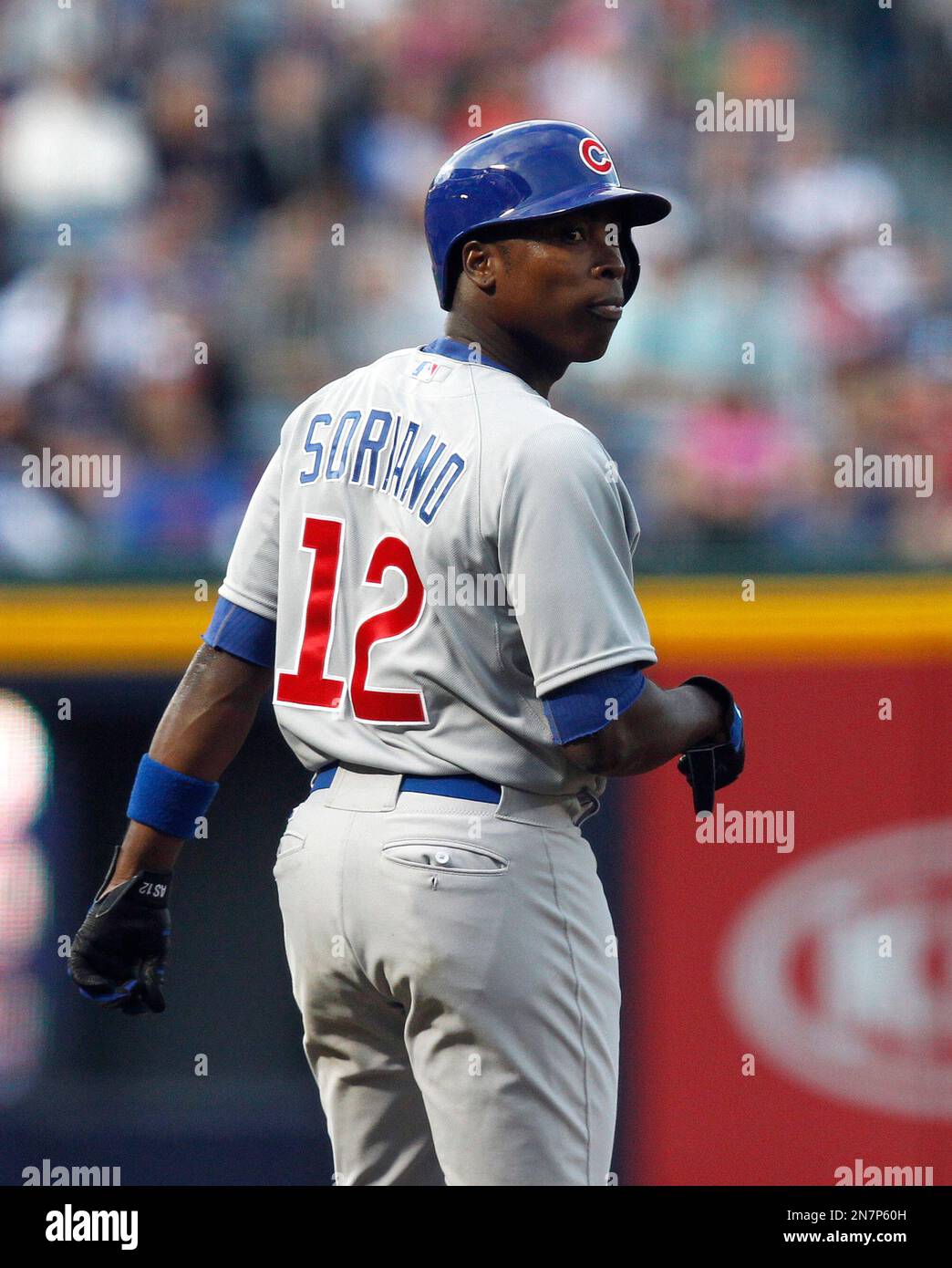
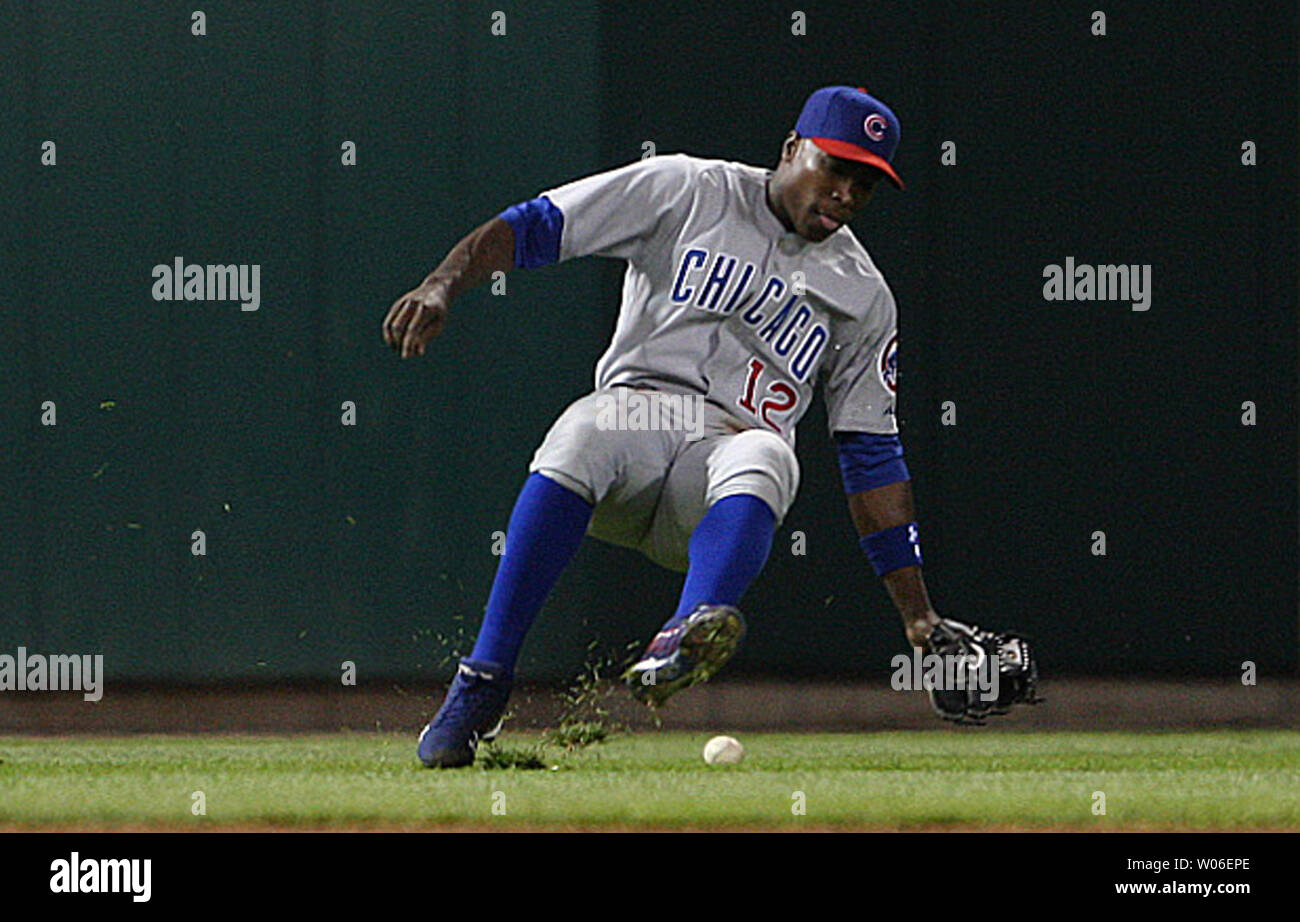
Alfonso Soriano’s batting in the modern era is defined by his role as a precursor to the "Power-Speed" archetype, blending elite home run production with aggressive baserunning. While his low walk rates and high strikeout totals were once criticized, his ability to generate high exit velocity and game-changing power from the leadoff spot aligns with contemporary offensive strategies that prioritize extra-base hits over traditional situational hitting.
The Evolution of the "Free-Swinger" in Modern Analytics
To understand Alfonso Soriano’s batting through a 2026 lens, one must first reconcile his aggressive approach with modern plate discipline metrics. During his peak in the early-to-mid 2000s, Soriano was often the subject of scouting reports that highlighted his "undisciplined" nature. He famously rarely walked, posting a career walk rate of just 6.1%. In the context of the early 2020s "Three True Outcomes" era, this might have seemed like a liability. However, as the game has evolved toward 2026, the valuation of "damage" at the plate has shifted.
Modern analytics now place a premium on a player's ability to "punish" mistakes, regardless of the count. Soriano’s bat speed was objectively elite. He utilized an exceptionally heavy bat—often 35 or 36 ounces—which he wielded with violent, whiplike hand speed. This allowed him to hit "pitcher's pitches" for home runs, a trait that modern Statcast data would have tracked with immense interest. His propensity for hitting balls out of the strike zone mirrors current stars who thrive on high-intent swings. In the modern era, Soriano’s lack of walks is mitigated by his high ISO (Isolated Power), which remained consistently above the league average for over a decade.
The Leadoff Power Revolution
Soriano was instrumental in changing the profile of the leadoff hitter. Traditionally, the first batter in the lineup was expected to be a high-OBP (On-Base Percentage) "table setter" who worked counts and took pitches. Soriano turned this philosophy on its head. By leading off games with home runs—he ranks among the all-time leaders with 54 career leadoff homers—he forced opposing pitchers into a defensive mindset from the very first pitch.
In the current 2026 landscape, where managers often slot their best overall hitter in the number one or two spot to maximize plate appearances, Soriano’s style is no longer an anomaly. His 2002 season with the New York Yankees, where he hit 39 home runs and stole 41 bases, served as a blueprint for the modern "offensive catalyst." He proved that a leadoff hitter could provide the primary power source for a championship-caliber team, a trend that has been adopted by nearly every franchise in the current era.
Decoding the 40-40 Season: 2006 in Context
The pinnacle of Soriano’s career was his 2006 campaign with the Washington Nationals. This season remains a benchmark for individual offensive dominance. Achieving 46 home runs and 41 stolen bases in a single year placed him in an elite club that, even by 2026, remains sparsely populated.
What makes this season particularly relevant to the modern era is the defensive transition he made simultaneously. Moving from second base to left field, Soriano maintained his offensive focus while adapting to a new defensive home. His 40-40 season was characterized by:
- Extreme Aggression: He led the league in at-bats (647) and total bases (350).
- Speed Efficiency: While the stolen base underwent a decline in the mid-2010s, the rule changes of 2023 (larger bases and limited pickoffs) have revitalized the run game. In a 2026 environment, a player with Soriano’s 2006 wheels would likely see his stolen base totals increase even further.
- Batted Ball Profile: Soriano was a natural "pull" hitter with a high launch angle. In an era before "launch angle" was a common term, he was already optimized for the modern game’s desire to get the ball in the air.
Comparative Analysis: Soriano vs. The Modern Standard
To assess how Soriano’s batting holds up today, we must compare his peak output with the statistical leaders of the mid-2020s. The following table illustrates his 2006 stats against the typical profile of a modern elite outfielder.
| Metric | Alfonso Soriano (2006) | Modern Elite Average (2025-26) | Significance in Modern Game |
|---|---|---|---|
| Home Runs | 46 | 32-38 | Soriano’s ceiling remains elite by 2026 standards. |
| Stolen Bases | 41 | 25-35 | His speed-power combo is rarer and more valuable now. |
| Strikeout Rate | 24.7% | 22.5% | He was "ahead of his time" in terms of acceptable K%. |
| Walk Rate | 5.8% | 9.2% | This remains his primary modern-era drawback. |
| ISO (Power) | .310 | .240 | His raw power production is significantly higher than average. |
| Total Bases | 350 | 290 | Indicates his ability to accumulate volume through health. |
Technical Depth: The Soriano Swing Mechanics
Soriano’s swing was a marvel of kinetic energy. Unlike modern "textbook" swings that emphasize a short path to the ball, Soriano had a long, sweeping stroke that relied on immense forearm strength. This "leveraged" swing allowed him to reach pitches on the outer half of the plate and pull them for power—a feat that defies traditional physics for most hitters.
In the modern era of 2026, hitting coaches might have attempted to shorten his swing to reduce strikeouts. However, doing so would likely have sapped the very power that made him a Hall of Fame-caliber talent. His ability to maintain a high bat speed with a 35-inch bat is something modern biomechanical sensors would struggle to categorize. He represent a "pure" hitting style that relies on hand-eye coordination over plate discipline, similar to modern players like Javier Báez or Ronald Acuña Jr., though with a distinct emphasis on pulling the ball.
The Impact of Rule Changes on Soriano’s Value
If Alfonso Soriano were playing in 2026, several recent rule changes would have significantly altered his statistical output and perceived value:
The Elimination of the Defensive Shift
Soriano was a pull-heavy hitter. During his career, teams began to implement primitive shifts against him, but not to the extent seen in the late 2010s. With the 2023 shift restrictions remaining in place through 2026, Soriano’s batting average on balls in play (BABIP) would likely see a noticeable uptick. His "ground ball to the left side" would no longer be an automatic out via a shallow right-fielder or a roving shortstop.
The Pitch Clock and Pitcher Fatigue
Soriano thrived on fastballs. As pitchers in 2026 deal with the constraints of the pitch clock and the resulting physical toll, the "fastball rate" in certain counts remains a focal point. Soriano’s ability to jump on first-pitch fastballs would make him a nightmare for modern pitchers trying to establish a rhythm under the clock.
Larger Bases and Stolen Base Success
As a member of the 40-40 club, Soriano’s base-stealing was a weapon. In 2026, with the 18-inch bases and limited disengagements for pitchers, Soriano’s 80% career success rate in his prime might have pushed him toward 50 or 60 steals. The modern era incentivizes the exact brand of "chaos" Soriano provided on the basepaths.
Legacy and Hall of Fame Debates in 2026
As of 2026, the discussion around Alfonso Soriano’s career has shifted from "high-strikeout enigma" to "pioneer of the modern power game." While he fell off the Hall of Fame ballot relatively quickly in his initial years of eligibility, the Era Committees have begun to look more favorably upon players who defined their respective decades.
Soriano’s 412 home runs and nearly 300 stolen bases put him in a category shared by very few in the history of the game. When evaluating his "batting in the modern era," historians now prioritize his 7-time All-Star appearances and 4 Silver Slugger awards. He was a player who forced the league to adjust to him, rather than the other way around. His tenure with the Chicago Cubs, characterized by massive multi-home run streaks and infectious energy, remains a case study in how a high-variance hitter can carry a franchise for months at a time.
Frequently Asked Questions
How would Alfonso Soriano’s strikeout rate be viewed in 2026?
In the 2000s, Soriano’s 130-160 strikeouts per year were seen as excessive. In 2026, this is considered the standard for a high-power hitter. Many modern stars regularly exceed 180 strikeouts while maintaining high value. Consequently, Soriano’s "flaw" would be viewed much more leniently today than it was during his active career.
Did Soriano’s move to the outfield help or hurt his batting?
Statistically, the move to the outfield in 2006 coincided with his best offensive season. By removing the physical toll of playing second base—a position that requires constant lateral movement and pivoting on double plays—Soriano was able to preserve his legs for hitting and baserunning. Modern managers would likely have moved him to the outfield or DH even earlier to maximize his bat.
What made Soriano's 40-40 season different from others?
Soriano is the only player in the 40-40 club to also record 20+ doubles in the same season (he actually had 41). This "40-40-40" club (HR, SB, Doubles) highlights his unique ability to generate extra-base hits. In 2026, this versatility is highly prized in "Wins Above Replacement" (WAR) calculations.
Was Soriano a "clutch" hitter by modern standards?
While "clutch" is often debated, Soriano had a knack for the big moment, particularly in his early years with the Yankees. Modern "Leverage Index" stats show that Soriano’s approach didn’t change much based on the situation, which resulted in both high-profile home runs and high-profile strikeouts. His consistency in his "swing-first" mentality made him predictable but difficult to execute against.
How did his choice of bat affect his hitting?
Soriano used one of the largest and heaviest bats in the league (often a 35-inch, 35-ounce model). This is rare in 2026, where many players have moved toward lighter, balanced bats to increase contact rates. Soriano’s ability to handle that mass at his size (6'1", 195 lbs) is a testament to his exceptional functional strength and "twitch" fibers.
Practical Recommendation for Historical Context
When analyzing Alfonso Soriano’s batting in the modern era, it is essential to look beyond the batting average and OBP. Instead, focus on Total Bases and Home Run-to-Stolen Base efficiency. For researchers or fans looking to understand his impact, the most relevant comparison point in 2026 is the "Lead-off Power" metric.
If you are evaluating his career for historical rankings, consider him a "Tier 1 Trailblazer." He proved that a player could be a primary power source from a middle-infield or leadoff position, a concept that is now a fundamental truth of modern baseball strategy. To truly appreciate his skill, one should watch film of his hand speed on inner-half fastballs; it remains some of the fastest recorded in the transition era between the 20th and 21st centuries.