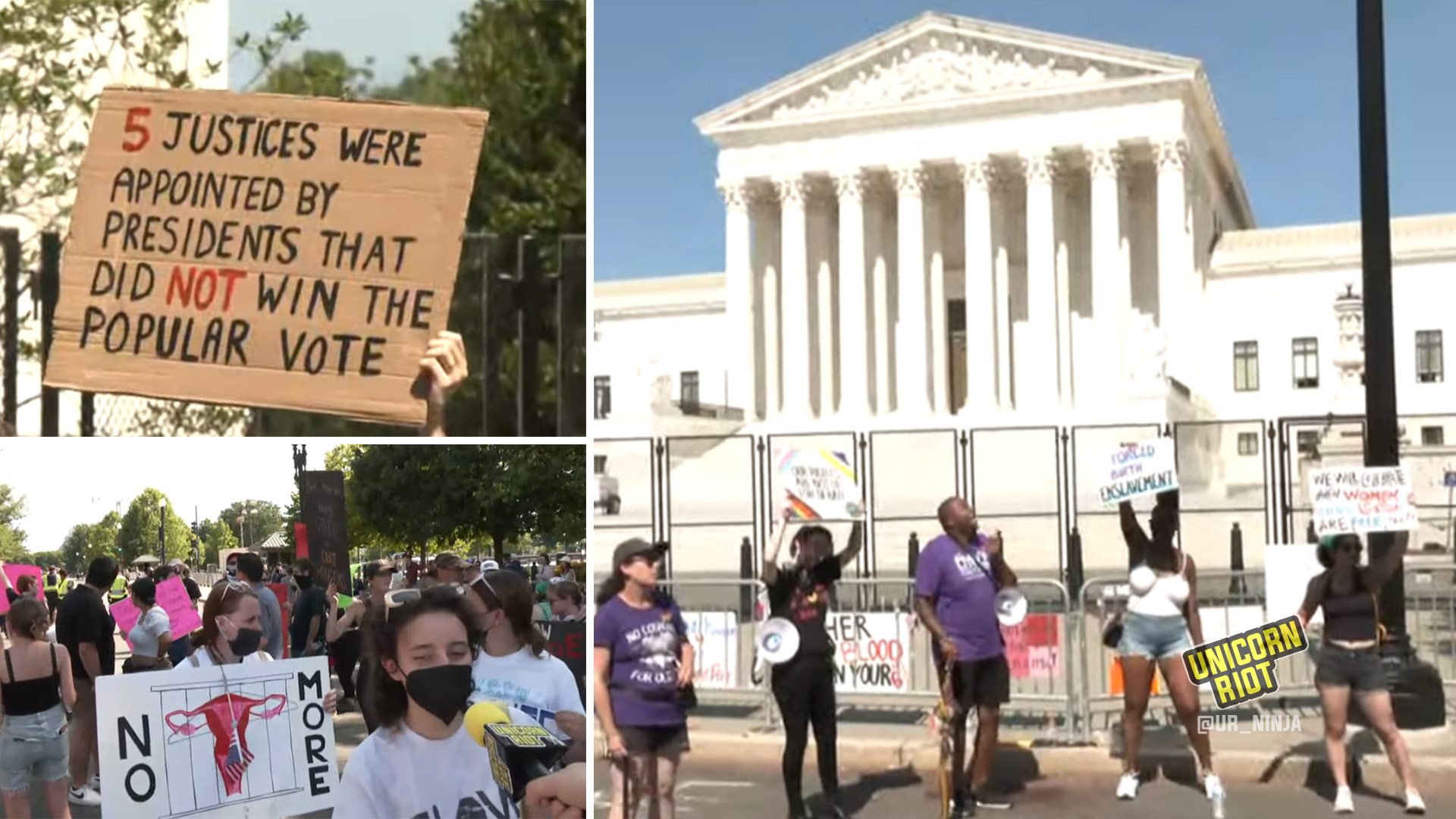
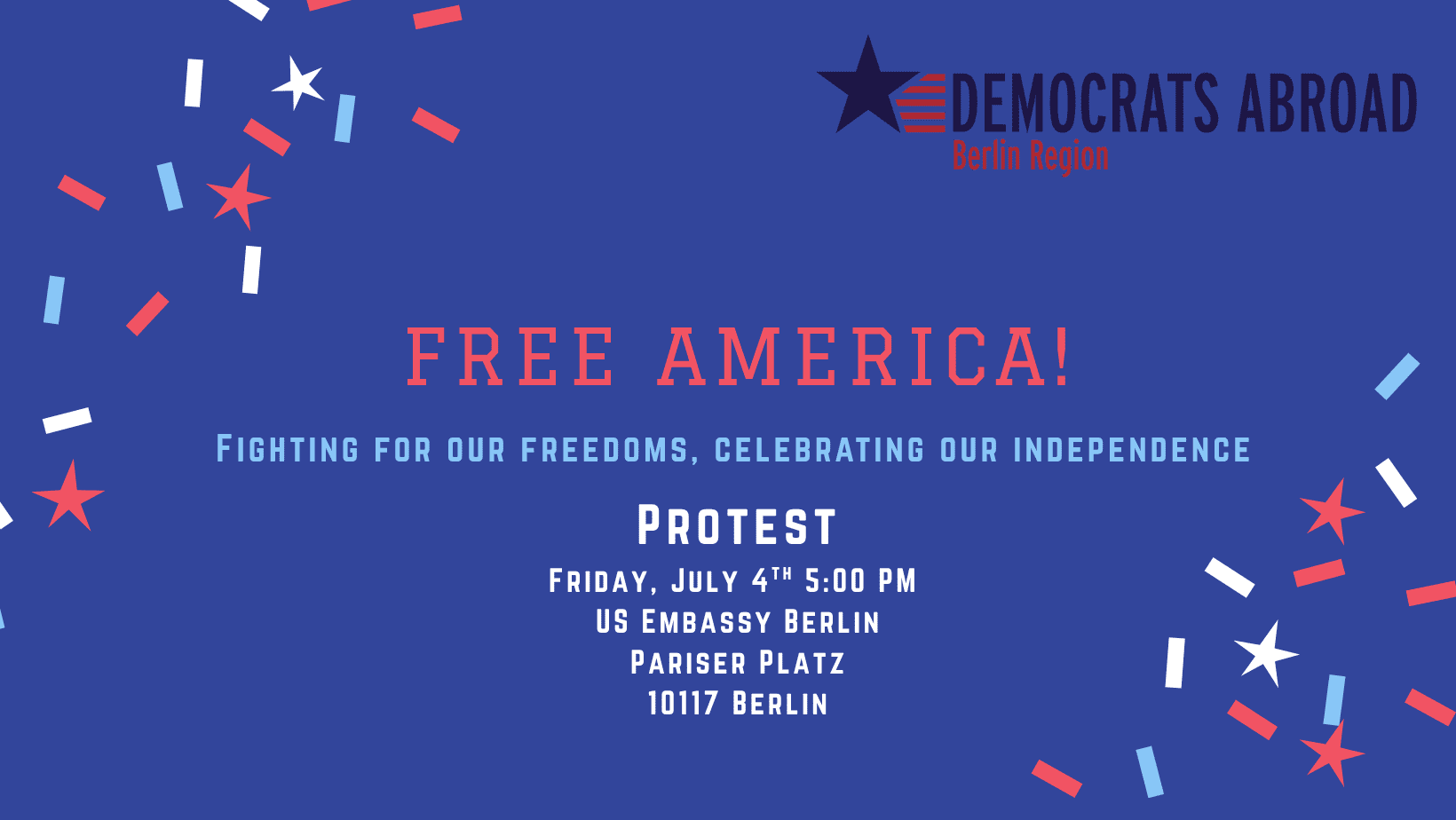
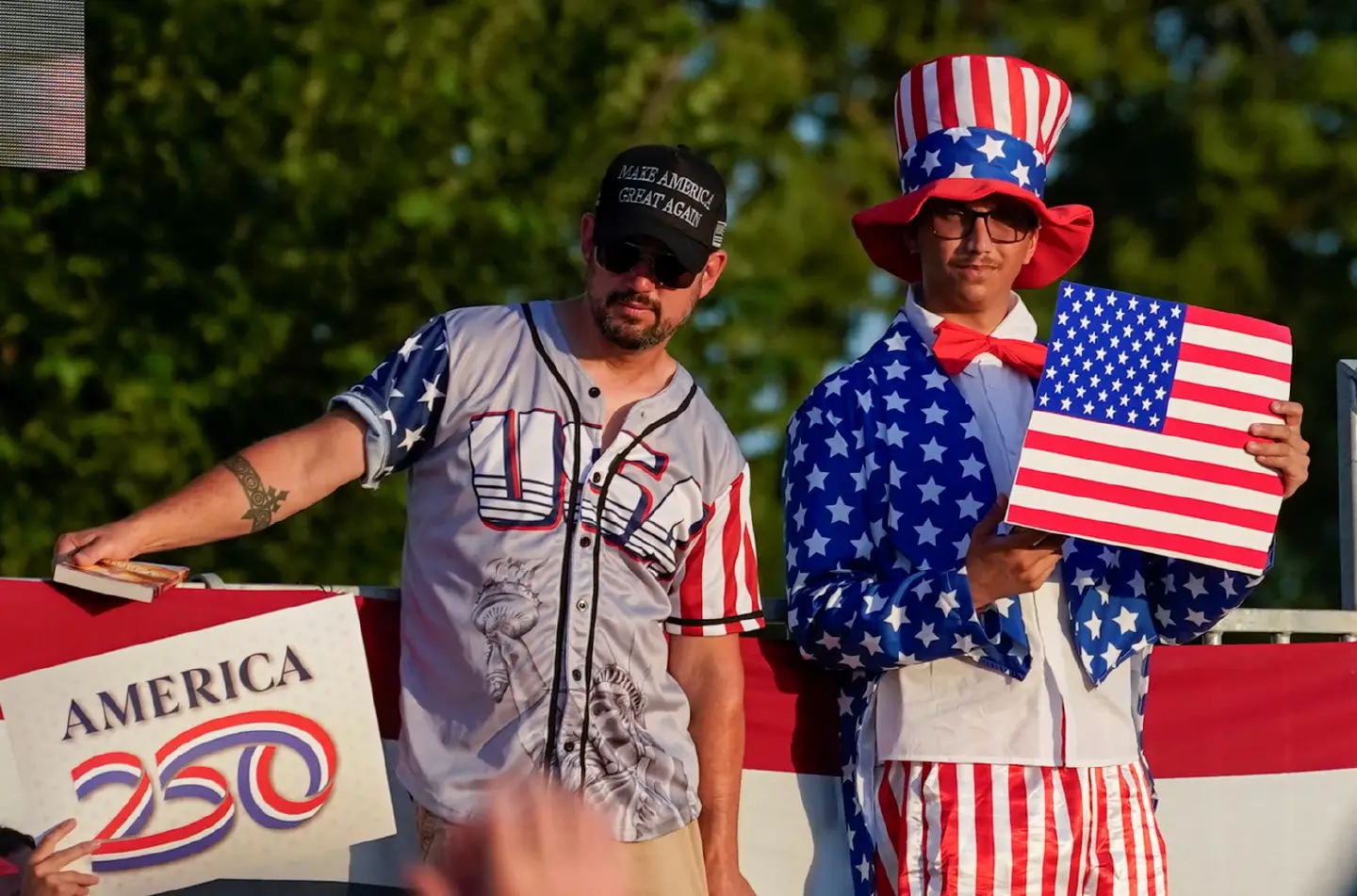
A 4th of July protest is a form of civic expression where individuals or groups use Independence Day to highlight perceived gaps between national ideals and current realities. These demonstrations utilize the holiday's high visibility to advocate for social, political, or economic change, often framing dissent as a fundamental expression of the very liberties the day commemorates.
The Historical Context of Independence Day Protests
Protest has been an inseparable component of Independence Day since the early years of the United States. While the holiday is traditionally associated with celebration, fireworks, and parades, it has historically served as a poignant backdrop for those who feel excluded from the "unalienable rights" described in the Declaration of Independence. Understanding this history is essential for recognizing that modern demonstrations are not a departure from tradition, but a continuation of a long-standing American practice of using the 4th of July as a mirror for the nation’s conscience.
One of the most significant moments in this history occurred in 1852, when Frederick Douglass delivered his landmark speech, "What to the Slave is the Fourth of July?" Invited to speak at an event commemorating the signing of the Declaration of Independence, Douglass used the platform to expose the hypocrisy of a nation celebrating liberty while maintaining the institution of chattel slavery. His rhetoric established a framework for future protests: the idea that the holiday belongs to those who enjoy freedom, while for those oppressed, it serves as a reminder of the justice yet to be realized.
Throughout the 19th and 20th centuries, various movements adopted this strategy. In 1876, during the Centennial Exposition in Philadelphia, women’s suffrage activists led by Susan B. Anthony and Elizabeth Cady Stanton staged a protest. They presented a "Declaration of Rights of the Women of the United States," interrupting the official proceedings to point out that women remained disenfranchised a century after the nation's founding. During the Vietnam War era, the 4th of July became a focal point for anti-war demonstrations, where protesters challenged the government's foreign policy under the banner of American values. In more recent years, protests have addressed issues ranging from civil rights and immigration to environmental justice and reproductive rights.
Why People Protest on July 4th
The decision to organize or participate in a 4th of July protest is often strategic. Because the holiday draws massive public attention and media coverage, it provides a "megaphone" for causes that might otherwise struggle to break through the 24-hour news cycle. Organizers leverage the symbolic weight of the day to ask whether the promises of 1776 have been fulfilled for all citizens.
Furthermore, Independence Day is a time of national reflection. For many activists, there is no more appropriate time to engage in "patriotic dissent." They argue that the act of protesting is, in itself, an act of faith in the democratic process—a belief that the country can and should be better. By choosing this specific day, protesters often seek to reclaim the definition of patriotism, moving it away from blind allegiance toward active, critical engagement with the state.
Legal Protections and the First Amendment
The right to protest on the 4th of July is protected primarily by the First Amendment to the U.S. Constitution, which guarantees the freedoms of speech, assembly, and the right to petition the government for a redress of grievances. However, these rights are not absolute and are subject to certain "time, place, and manner" restrictions. Understanding these legal nuances is critical for both organizers and participants to ensure their actions remain protected.
The Forum Doctrine
The legality of a protest often depends on where it takes place. The Supreme Court has established the "Forum Doctrine" to categorize different types of property:
- Traditional Public Forums: These include public parks, sidewalks, and streets. These spaces have historically been held in trust for use by the public for assembly and communication. The government’s ability to limit speech in these areas is very narrow.
- Designated Public Forums: These are locations that the government has intentionally opened for expressive activity, such as a university meeting hall or a community center.
- Non-Public Forums: These are government-owned properties that are not traditionally open to public expression, such as airport terminals, military bases, or the interior of government offices. Speech can be more heavily regulated here as long as the restrictions are reasonable and viewpoint-neutral.
Permits and Restrictions
While the government cannot ban a protest because of its message, it can require permits for certain types of activities to ensure public safety and order. Generally, a permit is required if the protest involves:
- A large group that will block traffic or require street closures.
- The use of sound amplification (megaphones, speakers) that exceeds local noise ordinances.
- The use of certain structures, like stages or large tents, in public parks.
Crucially, permit applications must be processed in a "viewpoint-neutral" manner. The government cannot deny a permit to a group simply because it disagrees with the group’s message. For smaller gatherings on sidewalks that do not block pedestrian traffic, permits are typically not required. You can find more detailed guidance on your specific rights through the American Civil Liberties Union (ACLU).
Organizing a 4th of July Protest in 2026
Organizing a protest on a major national holiday requires meticulous planning, especially in 2026, as the United States observes its Sestercentennial (250th anniversary). The increased crowds and heightened security presence associated with such a milestone require organizers to be even more diligent in their preparation.
Pre-Event Logistics
Effective organization starts months in advance. The first step is defining the specific goal and message of the protest. A clear, concise message is more likely to be picked up by the media and understood by the public. Once the message is set, organizers must choose a location that maximizes visibility while remaining legally accessible.
In 2026, many primary public spaces may be reserved for official 250th-anniversary celebrations. Organizers should check with local municipal offices early to see which spaces are available and what the permit deadlines are. It is also advisable to coordinate with legal observers—often volunteers from organizations like the National Lawyers Guild—who can document any interactions with law enforcement and ensure that protesters' rights are respected.
Safety and Health Considerations
July 4th is typically one of the hottest days of the year in the United States. When organizing a protest, the physical well-being of participants must be a priority. This includes:
- Hydration: Establishing "water stations" or encouraging all participants to bring ample water.
- Medical Support: Having designated "street medics" or individuals trained in basic first aid and heatstroke prevention.
- Communication: Establishing a clear chain of communication for when to start, move, or disperse the crowd, especially if tensions rise or weather conditions become dangerous.
| Category | Requirements & Considerations | Legal Status |
|---|---|---|
| Sidewalk Protests | Must allow pedestrian passage; no blocking of building entrances. | Generally permitted without a permit. |
| Street Marches | Requires coordination with local police for traffic control. | Requires a permit in most jurisdictions. |
| Park Rallies | May require reservations; check for sound amplification limits. | Requires a permit for large groups or equipment. |
| Counter-Protests | Police must keep groups separate to prevent violence. | Protected under the First Amendment. |
| Photography/Filming | You have the right to film in public spaces, including police. | Protected activity in most circumstances. |
Potential Risks and Mitigation Strategies
Participating in a protest on a high-traffic holiday involves inherent risks, ranging from legal complications to physical safety concerns. One significant risk is the "heckler's veto," a situation where the government restricts speech to prevent a violent reaction from listeners or counter-protesters. While the Supreme Court has generally ruled against the heckler's veto, local law enforcement may still attempt to shut down a protest if they believe a breach of peace is imminent.
To mitigate these risks, participants should:
- Stay Informed: Know the local laws and the specific terms of any permits obtained.
- Use the Buddy System: Never attend a large-scale protest alone; stay with a group and have a designated meeting point.
- Document Everything: Use smartphones to record interactions, but be aware of state laws regarding recording audio.
- Follow De-escalation Tactics: If confronted by counter-protesters, avoid physical or verbal escalation. The goal is to maintain the focus on the protest's message, not on a confrontation.
The Impact of Holiday Protests on Public Discourse
The effectiveness of a 4th of July protest is often debated. Critics argue that protesting on a day of celebration is "un-American" or alienates the very public the protesters are trying to reach. Proponents, however, point to the historical record, noting that many of the rights Americans enjoy today were won through disruptive protests that initially faced public backlash.
In the long term, these protests contribute to the "national conversation" by highlighting the tension between the country's founding documents and its actual practices. They serve as a reminder that democracy is a work in progress and that the definition of "independence" is subject to ongoing re-evaluation. By forcing the public to confront uncomfortable truths during a time of national pride, these demonstrations ensure that the values of liberty and equality remain active topics of debate rather than static historical concepts.
The National Archives provides the full text of the Declaration of Independence, which many protesters use as a primary source to justify their grievances and highlight the "long train of abuses" that can lead to a need for civic action.
FAQs
Is it legal to burn the American flag during a 4th of July protest?
Yes, according to the Supreme Court's ruling in Texas v. Johnson (1989), flag burning is considered "symbolic speech" protected by the First Amendment. However, while the act itself is legal, you can still be cited for other violations, such as starting an unsafe fire in public, violating local burn bans, or reckless endangerment if the fire poses a risk to others.
Do I have to show ID to the police if I am protesting?
Laws regarding identification vary by state. In "stop and identify" states, you may be required to provide your name if the police have reasonable suspicion that you have committed or are about to commit a crime. In other states, you generally do not have to show ID unless you are being arrested or cited for a specific violation. It is always wise to check the specific statutes of the state where the protest is occurring.
Can the police tell us where to stand during a protest?
Yes, under "time, place, and manner" restrictions, the police can designate specific areas for protesters to ensure public safety, prevent the blocking of exits, or maintain traffic flow. These restrictions must be content-neutral, meaning the police cannot move you to a less visible area simply because they dislike your message.
What should I do if I am arrested during a protest?
If you are arrested, the most important thing is to remain calm and not resist physically. State clearly that you wish to remain silent and that you want to speak with an attorney. Do not sign anything or make any statements without legal counsel present. It is helpful to have the phone number of a legal aid organization or a trusted contact written on your arm in permanent marker.
Can private property owners stop me from protesting on their land?
Yes. The First Amendment protects you from government interference, but it does not generally apply to private property. Owners of shopping malls, private plazas, or residential areas have the right to ask you to leave. If you refuse, you could be charged with trespassing. Most 4th of July protests are held in public parks or on public sidewalks for this reason.
Practical Recommendation for Participants
If you plan to attend or organize a 4th of July protest, your most effective tool is preparedness. Beyond the ideological goals, the logistical success of a protest determines its impact. Before the event, download or print a "Know Your Rights" card from a reputable legal organization. Ensure your mobile devices are fully charged but recognize that cellular networks may be congested during large holiday gatherings. Most importantly, focus on the "why" of your presence: by connecting your specific grievances to the broader American tradition of self-improvement and liberty, you align your protest with the very foundations of the holiday you are observing.