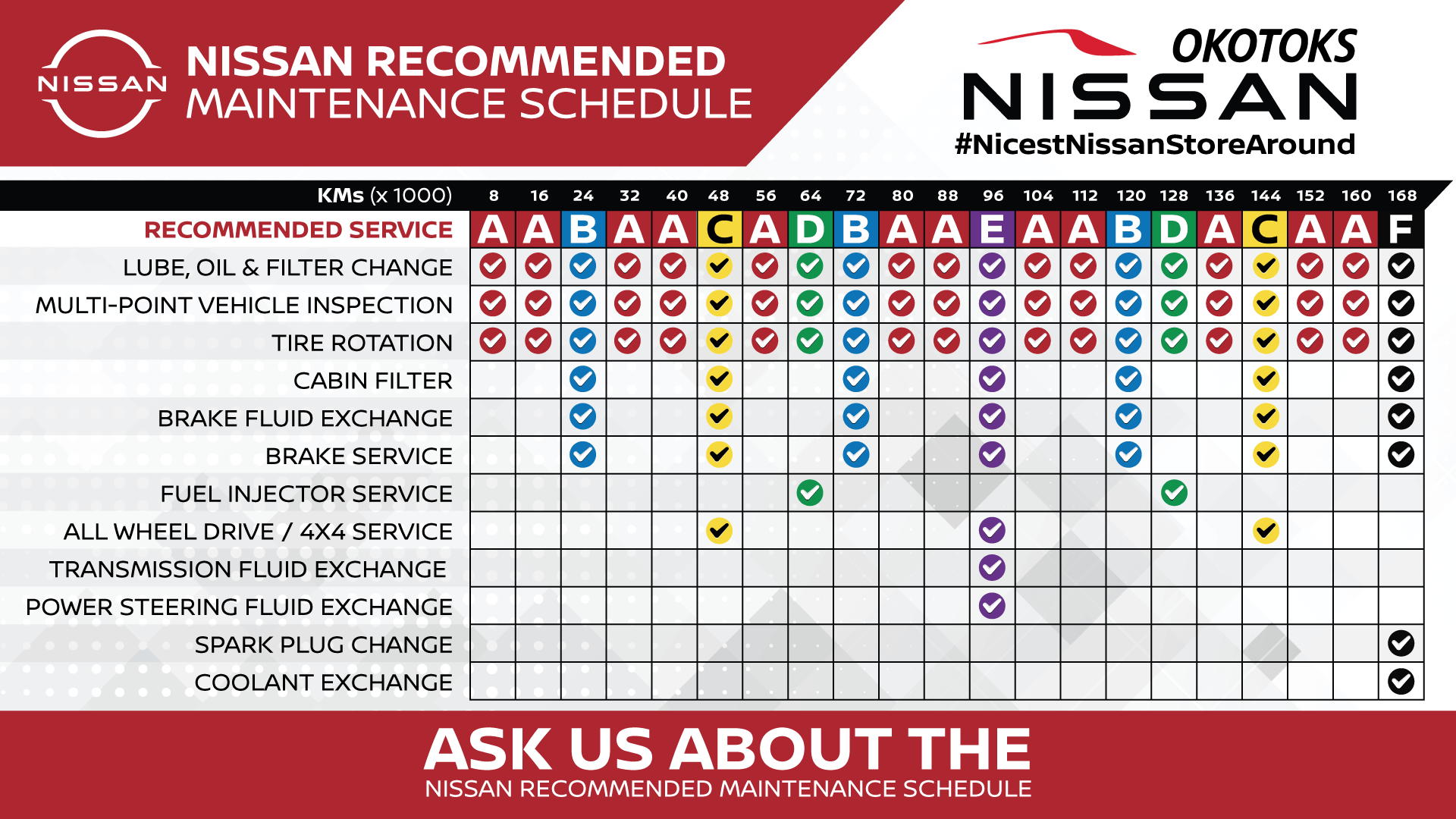
To keep your 2022 Nissan Frontier running at peak performance, you should perform an oil and filter change every 5,000 to 10,000 miles, depending on whether you follow the "Severe" or "Normal" operating schedule. Key milestones include replacing brake fluid every 20,000 miles and changing the engine air filter every 30,000 miles.
The 2022 Nissan Frontier marked the beginning of the third generation (D41) for this iconic mid-size pickup. Equipped with a potent 3.8-liter V6 engine and a 9-speed automatic transmission, this vehicle requires precise maintenance to preserve its mechanical integrity, especially if used for towing or off-roading. As we move through 2026, many 2022 models are reaching critical high-mileage intervals where proactive care prevents expensive repairs.
Understanding Maintenance Schedules: Normal vs. Severe
Nissan categorizes maintenance into two distinct schedules based on driving habits. Choosing the wrong one is the most common mistake owners make, often leading to premature wear on the VQ38DD engine and the JATCO-sourced 9-speed transmission.
The "Normal" Operating Schedule
The Normal schedule is designed for vehicles driven under ideal conditions. This typically means long-distance highway driving at steady speeds in temperate climates. If your Frontier rarely tows, stays on paved roads, and isn't subject to stop-and-go city traffic in extreme heat, this schedule applies to you.
The "Severe" Operating Schedule
Most drivers actually fall under the "Severe" category. Nissan defines severe conditions as:
- Repeated short trips of less than 5 miles.
- Driving in extremely hot or cold weather.
- Extensive idling or stop-and-go "delivery style" driving.
- Driving in dusty, muddy, or salt-spread winter conditions.
- Towing a trailer or using a roof carrier.
- Off-road driving on rough terrain.
Under the Severe schedule, maintenance intervals are typically halved—meaning oil changes occur every 5,000 miles or 6 months rather than 10,000 miles or 12 months.
Essential Oil and Filter Requirements
The heart of the 2022 Frontier is its 3.8L Direct Injection Gasoline (DIG) V6. Direct injection engines are more susceptible to carbon buildup on intake valves and fuel dilution in the oil. Consequently, the quality and frequency of oil changes are paramount.
Oil Specification and Capacity
The 2022 Frontier requires SAE 0W-20 full synthetic oil. This low-viscosity oil is essential for the tight tolerances of the V6 engine and helps optimize fuel economy. The oil capacity for a change including the filter is approximately 5.375 quarts (5.1 liters).
Using the correct Nissan-approved oil filter (typically part number 15208-9E01A or equivalent) is crucial. These filters contain an anti-drainback valve that prevents dry starts, which can cause significant timing chain wear over the lifespan of the vehicle.
The 5,000 to 10,000-Mile Interval: Minor Service
This is the foundational service for your truck. Even if you are a low-mileage driver, you should perform this service at least once every six to twelve months.
- Oil and Filter Replacement: As discussed, this removes contaminants and replenishes the additive package that protects engine bearings.
- Tire Rotation: Because the Frontier is a rear-wheel-drive-based platform (even in 4WD models), the rear tires often wear faster under acceleration, while front tires take the brunt of steering forces. Rotating every 5,000 to 7,500 miles ensures even tread wear and extends the life of your tires.
- Visual Inspection: At this stage, a technician should check for fluid leaks, inspect the wiper blades, and verify that the battery terminals are free of corrosion.
The 20,000-Mile Interval: Brake Fluid and Inspections
By 20,000 miles or 24 months, the Frontier requires more than just an oil change.
Brake Fluid Exchange
Nissan recommends replacing the brake fluid every 20,000 miles. Brake fluid is hygroscopic, meaning it absorbs moisture from the air over time. Moisture in the lines can lead to internal corrosion of the ABS actuator and calipers, and it lowers the boiling point of the fluid, which can lead to brake fade during heavy towing or long descents.
Chassis and Suspension Inspection
The 2022 Frontier utilizes a traditional body-on-frame construction. During this service, it is vital to inspect the following:
- Axle and Suspension Parts: Check for torn boots or leaking shocks.
- Steering Gear and Linkage: Ensure there is no excessive play or leaking power steering fluid.
- Propeller Shaft (4WD Models): Inspect the U-joints for play and grease them if the specific aftermarket fittings have been installed, though OEM shafts are generally sealed.
The 30,000-Mile Interval: Breathing and Filtration
At 30,000 miles, the vehicle needs a "Major Service" focusing on the engine’s intake and the cabin's air quality.
Engine Air Filter Replacement
The engine air filter protects the 3.8L V6 from dust and debris. A clogged filter restricts airflow, forcing the engine to work harder and reducing MPG. If you frequently drive on dirt roads or in construction zones, you may need to replace this as early as 15,000 miles.
In-Cabin Microfilter
This filter cleans the air entering the HVAC system. If you notice a musty smell or reduced airflow from the vents, the cabin filter is likely blocked. Replacing it ensures that the evaporator core stays clean and the air inside the cabin remains free of pollen and road dust.
CVT/Transmission Fluid Inspection
While the 9-speed automatic in the 2022 Frontier is robust, 30,000 miles is the point where you should begin "inspecting" the fluid quality. If the truck is used for heavy towing, many specialists recommend a drain and fill of the transmission fluid at this interval, though Nissan’s official schedule may suggest longer intervals for "normal" use.
The 60,000 to 105,000-Mile Intervals: Long-Term Reliability
As the Frontier reaches higher mileage, service items become more complex and critical for preventing catastrophic failure.
Drive Belt Inspection (60,000 Miles)
The serpentine belt drives the alternator, water pump, and A/C compressor. Inspect the belt for cracking, fraying, or glazing. A snapped belt will leave you stranded and can cause the engine to overheat almost instantly.
Spark Plug Replacement (105,000 Miles)
The 2022 Frontier uses iridium-tipped spark plugs designed for longevity. By 105,000 miles, the gap between the electrodes can widen, leading to engine misfires, poor fuel economy, and potential damage to the ignition coils.
Engine Coolant Exchange (105,000 Miles or 7 Years)
Nissan's "Blue" Long Life Antifreeze is rated for 105,000 miles or 7 years, whichever comes first. Coolant doesn't just prevent freezing; it contains corrosion inhibitors that protect the aluminum engine block and the radiator. Over time, these inhibitors break down, allowing electrolysis to eat away at internal metal components.
2022 Nissan Frontier Maintenance Schedule Matrix
| Interval (Miles) | Oil & Filter | Tire Rotation | Cabin Filter | Air Filter | Brake Fluid | Inspections |
|---|---|---|---|---|---|---|
| 5,000 | Severe | Yes | No | No | No | Basic Safety |
| 10,000 | Normal | Yes | Yes | No | No | Brakes, Lines |
| 15,000 | Severe | Yes | No | No | No | Suspension, Axles |
| 20,000 | Normal | Yes | Yes | No | Replace | Full Chassis |
| 30,000 | Both | Yes | Yes | Replace | No | Drive Shafts, Exhaust |
| 40,000 | Normal | Yes | Yes | No | Replace | Transmission Fluid Check |
| 60,000 | Both | Yes | Yes | Replace | Replace | Drive Belts, Fuel Lines |
| 105,000 | Both | Yes | Yes | Replace | No | Spark Plugs, Coolant |
Maintenance Considerations for 4WD Models
If your 2022 Frontier is equipped with Four-Wheel Drive (4WD), you have additional components that require attention.
- Transfer Case Fluid: This should be inspected every 20,000 miles. If the vehicle is submerged in water during off-roading, the fluid should be changed immediately to remove potential water contamination.
- Differential Oil (Front and Rear): Like the transfer case, differential oil is subject to high heat and pressure. Changing the gear oil at 30,000 to 60,000 miles (depending on towing frequency) will prevent gear whine and premature bearing failure.
- Propeller Shaft Greasing: Check the Nissan service manual for your specific VIN, as some early 2022 builds may have different grease requirements for the drive shaft splines.
Estimated Maintenance Costs in 2026
In 2026, maintenance costs have shifted slightly due to parts availability and labor rate increases. Owners should budget accordingly:
- Minor Service (Oil, Filter, Rotation): $120 – $180 at a dealership; $70 – $90 for DIY.
- Intermediate Service (30k Mile Mark): $400 – $650, depending on whether brake fluid and filters are bundled.
- Major Service (60k/100k Mile Mark): $800 – $1,200, including spark plugs and cooling system service.
Investing in these services helps maintain the resale value of the 2022 Frontier, which has remained strong due to its reputation for reliability compared to newer, smaller-displacement turbocharged competitors.
Troubleshooting Common Maintenance Alerts
The 2022 Frontier features an Intelligent Driver Alertness system and a customizable maintenance display in the instrument cluster.
- Maintenance Tire Alert: This is often a simple mileage countdown set by the driver or the last technician. It does not mean your tires are flat; it means they are due for rotation.
- Chassis Control Warnings: If you see warnings related to your 4WD or traction control, it may not be a mechanical failure. Often, a low battery or dirty wheel speed sensors (common after off-roading) can trigger these lights.
- Oil Life Monitor: Do not wait for the oil life to hit 0% if you fall under the Severe schedule. The computer uses an algorithm, but it cannot always account for extremely dusty environments.
Frequently Asked Questions
Does the 2022 Nissan Frontier have a timing belt or chain?
The 3.8L V6 engine in the 2022 Frontier uses a timing chain. Unlike timing belts, chains are designed to last the life of the engine and do not require periodic replacement. However, their longevity depends entirely on regular oil changes to keep the chain tensioners lubricated and functional.
How often should I change the transmission fluid in my 2022 Frontier?
Nissan officially lists the 9-speed transmission fluid as a "lifetime" fluid under normal conditions, requiring only inspections. However, for "Severe" use (towing/off-road), many experts recommend a fluid exchange every 60,000 miles. It is critical to use the specific Nissan Genuine Matic-P fluid or a fully compatible equivalent to avoid shifting issues.
Why is my Frontier's maintenance light on before 5,000 miles?
The maintenance reminder is manually programmable. A dealership might have set the reminder to 3,750 miles based on local climate or severe driving conditions. You can adjust these intervals through the "Settings" menu in the 7-inch or 9-inch Advanced Drive-Assist Display.
Can I use 5W-30 oil instead of 0W-20?
It is not recommended. The 2022 Frontier's V6 engine is engineered for 0W-20. Using a heavier oil can reduce fuel efficiency and may not provide adequate lubrication to the upper valve train during cold starts, potentially leading to increased wear over time.
When should I replace the battery in my Frontier?
In 2026, most original batteries in 2022 models are likely approaching the end of their 3- to 5-year lifespan. If you notice slow engine cranking or flickering interior lights, have a load test performed. Modern Nissans are very sensitive to voltage fluctuations, which can cause phantom sensor errors.
Is it necessary to service the 4WD system if I never use it?
Yes. Even if you rarely engage 4WD, the internal components and seals need lubrication. It is recommended to engage 4WD-High once a month for a few miles on a straight, flat surface (like a gravel road) to keep the transfer case and front differential lubricated.
Final Recommendation for Owners
To ensure your 2022 Nissan Frontier lasts well beyond the 100,000-mile mark, prioritize the "Severe" maintenance schedule. The 3.8L engine is a robust power plant, but its direct-injection system and the complexity of the 9-speed transmission demand clean, high-quality fluids. Always keep a detailed log of your services, including receipts, as this is vital for maintaining your powertrain warranty and maximizing your truck's trade-in value in the future.