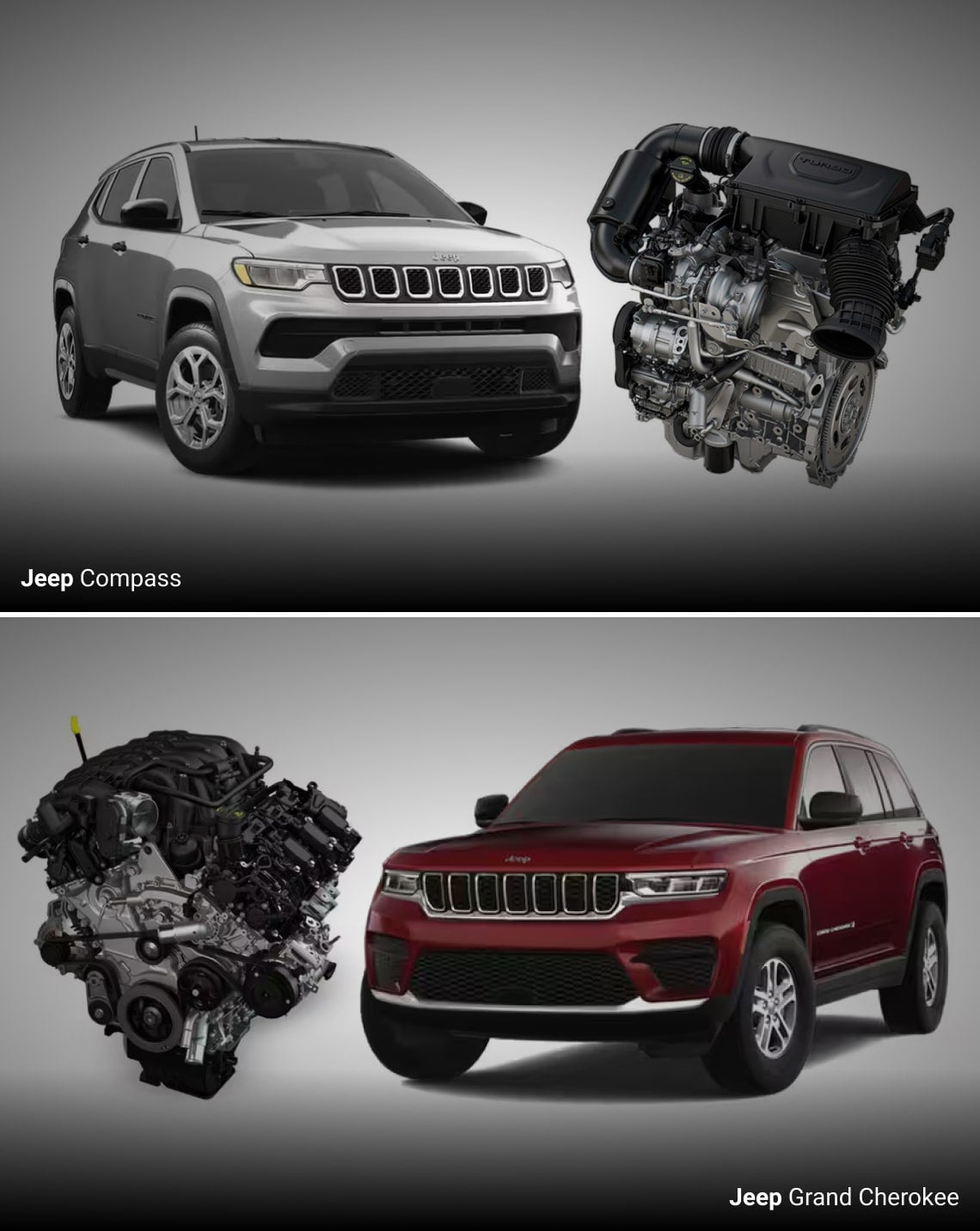
The 2018 Jeep Compass measures 173 inches in length, 74.2 inches in width, and 64.6 inches in height, with a 103.8-inch wheelbase. It bridges the gap between subcompact and compact SUVs, offering 27.2 cubic feet of cargo space behind the rear seats, which expands to 59.8 cubic feet with the rear seats folded flat.
Navigating the compact sport utility vehicle market requires an intimate understanding of physical footprints, interior volume, and utility metrics. The second-generation Jeep Compass, introduced for the 2017 model year and continuing firmly into the 2018 production cycle, was designed as a global compact crossover. It slots neatly between the smaller Jeep Renegade and the larger Jeep Cherokee within the manufacturer's lineup.
Evaluating the physical dimensions of the 2018 Jeep Compass goes beyond reading a spec sheet. Buyers, renters, and automotive enthusiasts must understand how these physical attributes translate to garage clearance, parking ease, passenger comfort, and cargo versatility. This guide breaks down every linear measurement, volume specification, and practical design implication associated with the 2018 Jeep Compass size.
Exterior Dimensions and Footprint Analysis
The exterior profile of the 2018 Jeep Compass dictates how the vehicle interacts with tight urban environments, multi-level parking structures, and tight home garages. Jeep engineered the body to mimic the upscale styling cues of the larger Grand Cherokee while maintaining a maneuverable suburban footprint.
Overall Length, Width, and Height
Measuring the vehicle from bumper to bumper reveals an overall length of 173 inches (4,394 mm). This places the Compass squarely in the heart of the compact crossover segment, making it roughly five inches shorter than the Jeep Cherokee but nearly seven inches longer than the subcompact Renegade.
The overall width is 74.2 inches (1,885 mm) excluding the side mirrors. When factoring in the exterior mirrors, the width expands significantly, a vital consideration when navigating narrow garage doors or drive-thru lanes. Without roof rails, the overall height stands at 64.6 inches (1,641 mm). However, models equipped with factory roof rails—such as the Latitude, Limited, and Trailhawk trims—stand slightly taller, which impacts overall clearance heights for low-ceiling parking decks.
Wheelbase and Ground Clearance Variations
The structural foundation of the 2018 Compass relies on a 103.8-inch (2,636 mm) wheelbase. This moderate wheelbase balances highway straight-line stability with urban agility, resulting in a nimble turning diameter curb-to-curb of approximately 36.3 feet for standard front-wheel-drive and standard four-wheel-drive variants.
Ground clearance is one of the most defining physical characteristics of the Jeep brand, varying noticeably by trim level:
- Sport, Latitude, and Limited: These mainstream trims offer a standard ground clearance of 8.2 inches (208 mm), which is plenty for clearing deep snow, packed dirt roads, and standard urban obstacles like tall concrete parking blocks.
- Trailhawk: The off-road-rated Trailhawk trim raises the vehicle's belly higher off the ground, delivering an impressive 8.5 inches (216 mm) of ground clearance. This lift is paired with revised front and rear fascia designs to improve approach and departure angles for trail riding.
| Trim Level | Length (in) | Width (in) | Height (in) | Wheelbase (in) | Ground Clearance (in) |
|---|---|---|---|---|---|
| Sport | 173.0 | 74.2 | 64.6 | 103.8 | 8.2 |
| Latitude | 173.0 | 74.2 | 64.6 | 103.8 | 8.2 |
| Limited | 173.0 | 74.2 | 64.6 | 103.8 | 8.2 |
| Trailhawk | 173.0 | 74.2 | 64.8 | 103.8 | 8.5 |
Interior Passenger Volume and Ergonomics
While exterior size dictates parking capability, interior dimensions determine daily driving comfort for driver and passengers alike. The 2018 Jeep Compass provides a total interior passenger volume of 100.0 cubic feet, maximizing spatial efficiency through intelligent cabin packaging.
Front-Row Accommodation
Occupants in the front row enjoy generous head and legroom, which helps reduce fatigue during long road trips.
- Headroom: 39.2 inches (without sunroof)
- Legroom: 41.8 inches
- Shoulder Room: 56.7 inches
- Hip Room: 54.1 inches
The wide center console and upright dashboard design give the cabin an airy feel. Adjustability in the driver’s seat—manual on lower trims and power-adjustable on higher trims—allows drivers of varying heights to find an optimal position relative to the steering wheel and foot pedals.
Rear-Row Accommodation
Rear-seat passengers benefit from the vehicle's relatively long wheelbase for its overall length, ensuring adequate knee room even when adults occupy the front seats.
- Headroom: 38.5 inches
- Legroom: 38.3 inches
- Shoulder Room: 55.1 inches
- Hip Room: 49.2 inches
While the rear hip room is narrower than the front, three children or two adults can sit comfortably on shorter trips. The outboard rear seats feature standard LATCH anchors for child safety seats, and the physical door aperture size makes loading infant carriers manageable compared to lower-riding passenger cars.
Cargo Capacity and Practical Utility
Utility is a primary driver for compact SUV ownership. The 2018 Jeep Compass balances passenger accommodation with flexible cargo storage solutions, though its sloping rear tailgate design requires careful packing for boxy items.
Cargo Volume Breakdown
With all rear seats in their upright, locked positions, the cargo area provides 27.2 cubic feet of volume behind the second row. This space easily swallows weekly grocery hauls, gym bags, or several medium suitcases stacked vertically.
Folding the 60/40 split-folding rear seats flat expands the total cargo volume to 59.8 cubic feet. The load floor is relatively flat, though a slight incline can be detected near the seat hinges.
Loading Dimensions and Practical Limitations
To determine if specific large items, furniture, or sporting equipment will fit inside the 2018 Jeep Compass, consider the physical cargo bay openings and internal boundaries:
- Liftover Height: The rear bumper load-in height sits at approximately 30 inches, making it easy to slide heavy objects in without excessive lifting.
- Max Cargo Floor Length: With the rear seats folded flat, the maximum floor length from the tailgate to the back of the front seats measures roughly 65 inches.
- Rear Hatch Opening Width: The widest point of the rear tailgate opening measures approximately 40 inches, meaning wider flat-pack furniture boxes may require unboxing or angling to fit through the portal.
Weight Ratings and Structural Footprint
Beyond linear measurements, the physical size of the 2018 Jeep Compass influences its overall weight class. Curb weights vary based on drivetrain configuration and trim level additions:
- Front-Wheel-Drive (FWD) Models: Weigh approximately 3,184 pounds.
- Four-Wheel-Drive (4WD) Models: Weigh roughly 3,335 pounds.
- Trailhawk 4WD Models: The heaviest variant, tipping the scales around 3,633 pounds due to underbody skid plates, specialized suspension components, and the Active Drive Low 4x4 system.
Understanding these weight parameters is crucial for calculating total payload capacity (which typically hovers around 1,000 to 1,200 pounds depending on configuration) and safe towing limits. Properly equipped 2018 Jeep Compass 4WD models can tow a maximum of 2,000 pounds, making small utility trailers, jet skis, or lightweight pop-up campers viable options for weekend trips.
Frequently Asked Questions
Will a 2018 Jeep Compass fit in a standard apartment or residential garage?
Yes. With an overall length of 173 inches and a width of 74.2 inches, the 2018 Jeep Compass easily fits into standard single-car and multi-car residential garages, which are typically designed for vehicles up to 20 feet long and 8 feet wide. Always verify vertical clearance if your garage has a low-swinging door mechanism and your Compass is equipped with factory roof rails.
How does the 2018 Jeep Compass size compare to the Jeep Cherokee?
The 2018 Jeep Compass is noticeably smaller than the Jeep Cherokee. The Cherokee is about 9 inches longer, slightly wider, and generally offers more interior cargo space (up to 54.7 cubic feet behind the front seats compared to the Compass's 59.8 cubic feet max, though individual layout metrics differ). The Compass feels lighter and more agile in tight parking lots than the heavier Cherokee.
Can you sleep inside the back of a 2018 Jeep Compass?
With the rear seats folded flat, the maximum cargo floor length is roughly 65 inches (5 feet, 5 inches). Adults under 5 feet 5 inches tall can lie down fully extended if they sleep straight. Taller adults will need to angle their bodies diagonally or utilize a roof-mounted cargo box or tent setup for comfortable overnight camping.
Does the 2018 Jeep Compass have enough room for rear-facing car seats?
Yes, but front-seat legroom may need to be adjusted forward. Because the rear legroom measures 38.3 inches, bulky rear-facing infant car seats will fit, but drivers or front passengers over 6 feet tall may find their knees brushing the dashboard if the car seat is installed directly behind them. Installing the car seat in the center rear position is often preferred for spatial clearance.
Is the ground clearance of the Trailhawk trim noticeable during daily driving?
The Trailhawk trim’s 8.5 inches of ground clearance—a 0.3-inch lift over standard trims—is paired with a slightly taller overall height (64.8 inches) and rugged 17-inch off-road tires. While this provides enhanced capability over rocks and deep ruts, it does not negatively impact daily highway driving dynamics or make stepping into the cabin overly difficult for most adults.
Practical Next Actions and Buying Guidance
Before purchasing, renting, or loading up a 2018 Jeep Compass, take physical measurements of your specific storage requirements, garage limits, and daily utility needs. If you regularly transport bulky furniture, bicycles, or large camping gear, take physical tape measures to the cargo bay with the rear seats folded down to confirm clearance. For drivers prioritizing off-road capability alongside compact dimensions, target the Trailhawk trim to maximize ground clearance without sacrificing urban parkability.