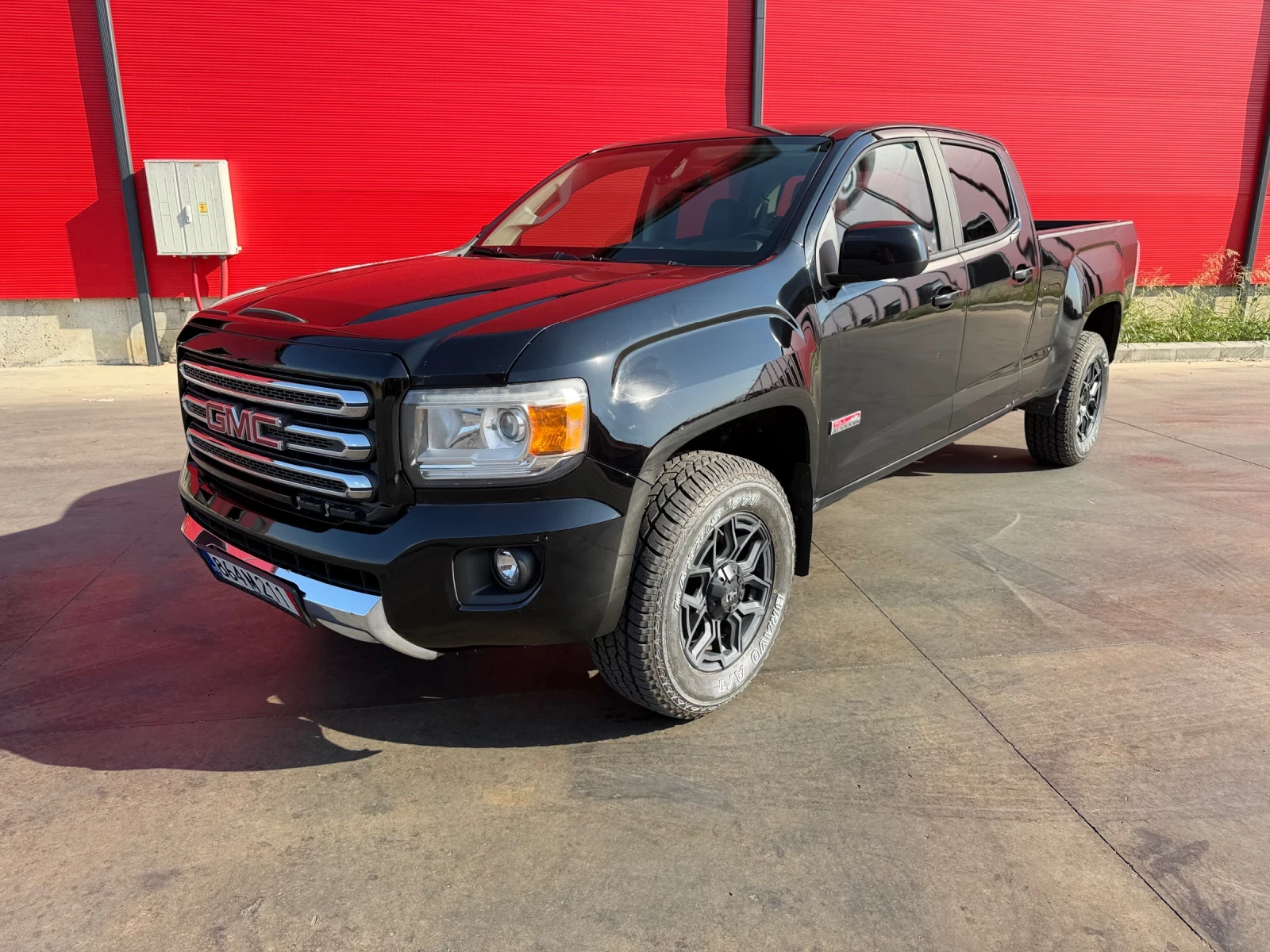
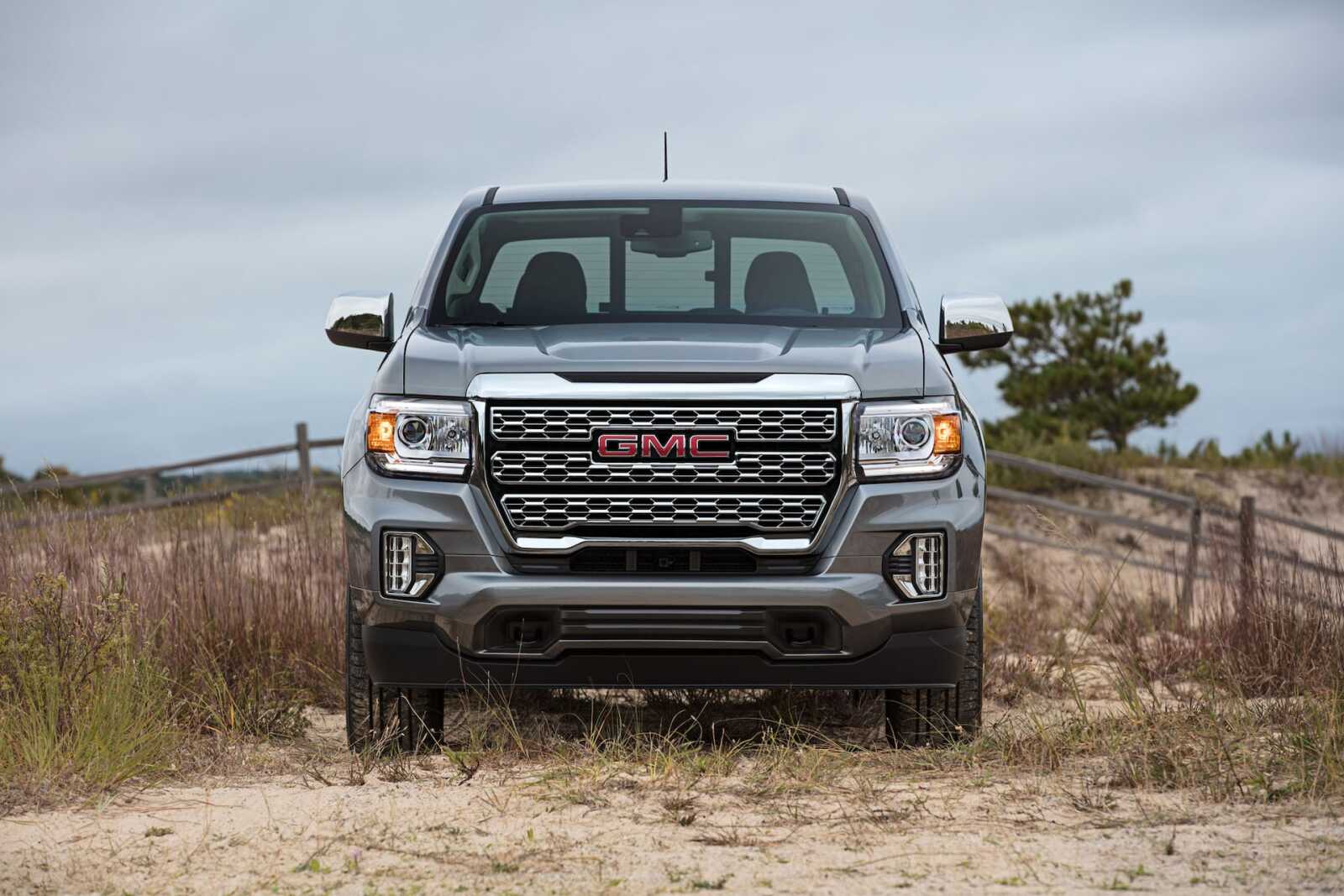
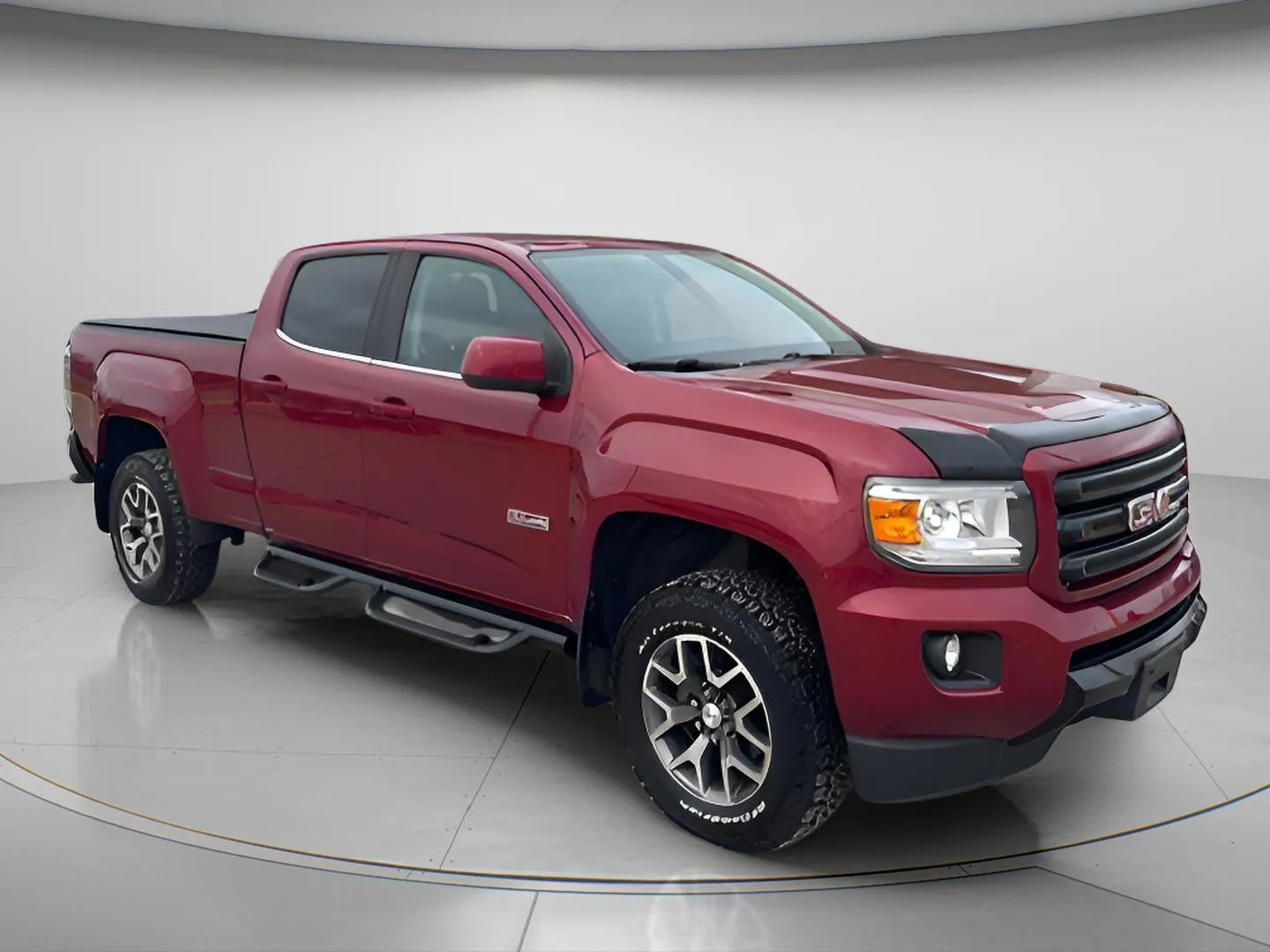
The 2018 GMC Canyon All Terrain balances midsize truck maneuverability with rugged off-road capability. It bridges the gap between basic utility trucks and full-size off-road beasts. Positioned between lower work-oriented trims and the luxury-focused Denali, the All Terrain targets buyers who want genuine trail-handling hardware without sacrificing daily street drivability or towing utility.
Introduction to the 2018 GMC Canyon All Terrain
When General Motors re-entered the midsize pickup segment with the Chevrolet Colorado and GMC Canyon, buyers embraced the smaller footprint compared to full-size trucks like the Sierra. For the 2018 model year, GMC refined its midsize offering by pairing utility with enhanced off-road geometry and specialized suspension tuning in the All Terrain package. This variant targets outdoor enthusiasts, weekend campers, and drivers who navigate unpaved roads, mud, or snow, yet still need a comfortable commuter for the work week.
Choosing a midsize truck involves weighing compromises in cabin space, towing capacity, and fuel economy against garage-fitting dimensions. The 2018 GMC Canyon All Terrain addresses these compromises through a carefully curated selection of engines, an off-road suspension, and distinct styling cues. This evaluation examines its mechanical layout, interior ergonomics, on-road comfort, off-road equipment, and practical ownership considerations.
Mechanical Foundations and Engine Options
The performance of the 2018 GMC Canyon All Terrain depends heavily on the powertrain selected under the hood. Unlike trims restricted to a single engine, the All Terrain package accommodates two distinct powerplants, each catering to different driving demands and utility requirements.
3.6L V6 Gasoline Engine
The most common powerplant found in the 2018 Canyon All Terrain is the 3.6-liter LGZ V6 engine, paired with an 8-speed automatic transmission.
- Horsepower: 308 hp at 6,800 rpm
- Torque: 275 lb-ft at 4,000 rpm
- Transmission: Hydra-Matic 8L45 8-speed automatic
- Drive Configuration: Four-Wheel Drive (4WD) standard for All Terrain
This V6 engine utilizes direct injection and continuously variable valve timing. It delivers responsive throttle tip-in and smooth power delivery across the rev range. The 8-speed automatic transmission keeps the engine in its optimal power band during highway passing maneuvers and towing tasks.
2.8L Duramax Turbo-Diesel Engine
For buyers prioritizing low-end torque, fuel efficiency, and maximum towing capability, the 2.8-liter LWN Duramax turbo-diesel four-cylinder engine is available as an option.
- Horsepower: 181 hp at 3,400 rpm
- Torque: 369 lb-ft at 2,000 rpm
- Transmission: 6-speed automatic (Hydra-Matic 6L50)
- Trailering Features: Standard exhaust brake and integrated trailer brake controller integration
The diesel variant transforms the truck's driving character. While it lacks the high-revving horsepower of the V6, its massive torque peak arrives early at 2,000 rpm. This makes rock crawling, sand driving, and heavy trailer towing effortless at lower speeds.
Off-Road Hardware and Suspension Tuning
The primary differentiator of the All Terrain trim lies beneath the sheet metal. While standard Canyons focus on highway ride quality, the All Terrain package equips the chassis for unpaved environments.
Suspension and Protection
GMC equips the All Terrain with the Z71 off-road suspension package. This setup includes specialized monotube shocks tuned to absorb sharp impacts from rocks, ruts, and washboard dirt roads.
- Transfer Case Shield: A heavy-gauge aluminum transfer case shield protects vital underbody components from rocks and stumps.
- Off-Road Tires: Factory-wrapped Goodyear Wrangler DuraTrac tires provide aggressive tread blocks for mud and snow traction, accompanied by reinforced sidewalls.
- Automatic Locking Rear Differential: The Eaton G80 automatic locking rear differential engages mechanically when wheel-speed slip is detected, ensuring power reaches both rear wheels simultaneously in low-traction scenarios.
Four-Wheel Drive System
The All Terrain utilizes an Autotrac 2-speed transfer case. Drivers can switch between modes using a dashboard-mounted dial:
- 2WD: For normal dry pavement driving, maximizing fuel efficiency.
- Auto 4WD: Automatically shifts power to the front axle when rear wheel slip is detected.
- 4HI: Locks the transfer case for severe snow, deep sand, or mud at moderate speeds.
- 4LO: Engages a lower gear ratio for steep inclines, heavy rock crawling, or deep obstacles.
Exterior Styling and Interior Ergonomics
Visually, the 2018 GMC Canyon All Terrain adopts a muscular appearance that distinguishes it from standard chrome-heavy trims, leaning closer to the aggressive stance of its sibling, the Chevrolet Colorado Z71.
Exterior Design Elements
The front fascia features a dark-finish grille with body-color surround, deviating from the bright chrome found on SLT and Denali models. Red recovery hooks peek out from the front bumper, serving both a functional recovery purpose and an aesthetic statement. 17-inch dark-cast aluminum wheels fitted with all-terrain rubber fill the wheel arches cleanly.
Interior Layout and Features
Inside the cabin, the All Terrain balances utility with comfort. It bridges the gap between rugged durability and modern connectivity.
- Seating: Unique cloth and leatherette-appointed seating surfaces feature contrast stitching and embossed All Terrain logos. Power-adjustable front seats include lumbar support.
- Infotainment: An 8-inch diagonal color touchscreen running GMC's Infotainment System sits centrally on the dash. It supports Apple CarPlay and Android Auto integration.
- Connectivity: Multiple USB ports, a 12-volt power outlet, and an available 110-volt AC power outlet provide power for electronics on the go.
- Steering and Controls: A leather-wrapped steering wheel houses audio, cruise control, and Driver Information Center (DIC) controls.
Practical Performance, Towing, and Payload
Midsize trucks occupy a specific sweet spot for buyers who find full-size trucks too cumbersome for tight parking garages or narrow forest trails. The 2018 GMC Canyon All Terrain delivers practical figures for work and recreation.
Towing Capacity
When properly equipped with the V6 engine and the optional trailering package, the Canyon All Terrain is rated to tow up to 7,000 pounds. Opting for the 2.8L Duramax diesel engine increases the maximum towing capacity to 7,700 pounds, matching the highest limits in the midsize truck segment for the 2018 model year.
Payload Capacity
Payload capacities vary depending on the cab configuration and engine choice. Generally, the crew cab configuration handles payload limits ranging from 1,400 to 1,500 pounds in the truck bed. Tie-down anchors, EZ Lift and Lower tailgate mechanisms, and CornerStep rear bumpers simplify loading and securing cargo.
| Feature / Specification | 3.6L V6 Engine | 2.8L Duramax Diesel Engine |
|---|---|---|
| Horsepower | 308 hp @ 6,800 rpm | 181 hp @ 3,400 rpm |
| Torque | 275 lb-ft @ 4,000 rpm | 369 lb-ft @ 2,000 rpm |
| Transmission | 8-speed automatic | 6-speed automatic |
| Max Towing Capacity | Up to 7,000 lbs | Up to 7,700 lbs |
| Drive Configuration | 4WD Standard | 4WD Standard |
| Transfer Case | Autotrac 2-speed | Autotrac 2-speed |
On-Road Ride Quality and Fuel Economy
While the All Terrain badge implies a dirt-focused machine, the vehicle spends the vast majority of its miles on paved roads. GMC engineered the suspension to maintain composure during daily commutes.
Driving Dynamics
On the highway, the cabin remains remarkably quiet for a midsize truck, aided by triple-sealed doors and an inlaid door design that reduces wind noise. The Z71 suspension tuning is firmer than that of the luxury-oriented Denali trim, translating to reduced body roll in corners while absorbing minor road imperfections smoothly. Steering feel is weighted naturally, offering confidence at highway speeds and effortless maneuverability in parking lots.
Fuel Economy Estimates
- V6 4WD: Approximately 17 mpg city / 24 mpg highway
- Diesel 4WD: Approximately 20 mpg city / 28 mpg highway
Real-world fuel economy figures often align closely with EPA estimates, though adding heavy aftermarket accessories, larger all-terrain tires, or pulling a trailer will reduce efficiency accordingly.
Safety Ratings and Driver Assistance Features
Safety in midsize trucks is a critical consideration for families and fleet buyers alike. The 2018 GMC Canyon incorporates a high-strength steel safety cage and a comprehensive suite of passive and active safety features.
Standard Safety Equipment
- Six standard airbags, including side-curtain and seat-mounted side-impact airbags.
- StabiliTrak electronic stability control system with traction control and rollover mitigation.
- Rear Vision Camera paired with dynamic guide lines on the infotainment screen.
- Teen Driver mode, allowing parents to set speed alerts, audio volume limits, and review a driving report card.
Available Active Safety Packages
Buyers could equip their All Terrain with optional active safety features, including:
- Forward Collision Alert: Warns the driver when an imminent collision with a vehicle ahead is detected.
- Lane Departure Warning: Alerts the driver if the truck drifts out of its lane without an active turn signal.
- Rear Park Assist: Uses ultrasonic sensors in the rear bumper to detect obstacles while reversing.
Comparison: All Terrain vs. Denali and Base Trims
Understanding where the All Terrain fits requires comparing it against its stablemates within the GMC Canyon lineup.
[Base / SLE Trims] ---> [All Terrain Trim] ---> [Denali Trim] (Work-Focused) (Off-Road Ready) (Luxury Focus)
- Base & SLE Trims: Aimed at budget-conscious buyers and commercial fleets. They lack the specialized off-road suspension, skid plates, and distinct rugged styling of the All Terrain.
- All Terrain Trim: Focuses on functional off-road capability, featuring Z71 suspension, Goodyear DuraTrac tires, transfer case protection, and unique interior styling.
- Denali Trim: The flagship luxury model. It features extensive chrome exterior accents, 20-inch wheels, premium leather seating, ventilated front seats, and unique suspension tuning tailored for maximum highway refinement rather than trail performance.
Ownership Considerations, Common Issues, and Maintenance
Purchasing or maintaining a used 2018 GMC Canyon All Terrain requires understanding common mechanical traits reported by owners and automotive technicians.
Transmission Performance
The 8-speed automatic transmission paired with the V6 engine received technical service bulletins (TSBs) in early production years regarding shifting hesitation or shudder. Prospective buyers should test-drive the vehicle across various speeds to ensure smooth gear engagement. Routine transmission fluid updates often resolve minor shifting anomalies.
Diesel Emissions Equipment
Models equipped with the 2.8L Duramax diesel rely on Diesel Exhaust Fluid (DEF) and a Diesel Particulate Filter (DPF) to meet emissions standards. Drivers who only take short trips risk clogging the DPF; the vehicle requires occasional sustained highway driving cycles to execute active regeneration cycles successfully.
Regular Maintenance Schedule
- Engine Oil Changes: Every 7,500 miles or according to the Oil Life Monitor system.
- Transfer Case Fluid: Inspect and change according to severe-service schedules if frequently towing or off-roading.
- Tire Rotation: Every 5,000 to 7,500 miles to prevent irregular wear on the aggressive all-terrain tread pattern.
Verdict and Buying Guidance
The 2018 GMC Canyon All Terrain stands out as a balanced, highly capable midsize truck. It delivers genuine off-road credentials without sacrificing daily drivability, cabin comfort, or towing utility.
- Who it is for: Outdoor enthusiasts, hunters, campers, and drivers who need a maneuverable truck capable of tackling rough forestry service roads, deep snow, or muddy trails without stepping up to a massive full-size vehicle.
- Who should skip it: Buyers who prioritize ultimate highway luxury should look toward the Canyon Denali, while budget-conscious shoppers who do not need off-road hardware will find better value in lower SLE trims.
Selecting the right engine comes down to usage patterns. Choose the 3.6L V6 for smooth, spirited daily driving and moderate towing. Opt for the 2.8L Duramax diesel if fuel economy, low-end torque for crawling, and maximum trailer towing capacity are top priorities.