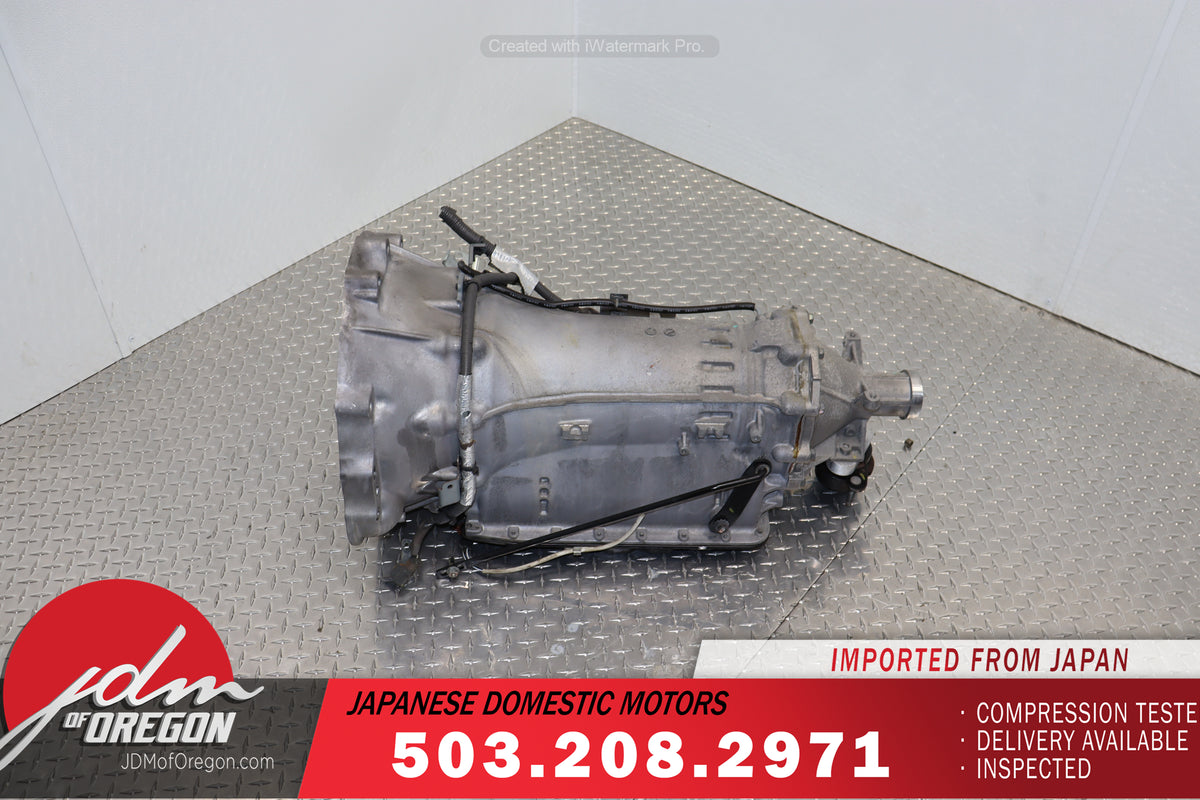
Note on Nomenclature and Historical Accuracy: While Infiniti transitioned much of its sedan lineup to the Q40 and Q50 badges by the mid-2010s, the legacy nomenclature and specific mechanical configurations associated with the final iterations of the platform—often colloquially referenced alongside the 2015 model year lifecycle—rely heavily on the robust Jatco-built 7-speed automatic transmission with manual shift modes and Downshift Rev Matching (DRM), as well as a historically available 6-speed manual gearbox found in earlier coupe variants that informed the final enthusiast-focused production runs.
When evaluating the powertrain options for this era of Infiniti performance vehicles, understanding the specific technical characteristics, gear ratios, reliability metrics, and driving dynamics of each transmission choice is essential for prospective buyers, owners, and automotive enthusiasts alike. This guide explores the mechanical engineering, performance profiles, maintenance requirements, and practical considerations of the transmissions tied to these vehicles to help you navigate your options with complete clarity.
Evolution of the Infiniti Transmission Lineup
To understand the powertrain options available in the mid-2010s Infiniti lineup, it is necessary to examine how Nissan’s luxury division engineered its longitudinal rear-wheel-drive (RWD) and intelligent all-wheel-drive (AWD) platforms. For years, the brand relied on a combination of traditional 5-speed automatics, short-throw manual gearboxes, and eventually, a modernized 7-speed automatic unit designed to improve both fuel efficiency on the highway and acceleration off the line.
The transition from older 5-speed units to the modern 7-speed automatic marked a significant turning point in how these luxury sport sedans and coupes delivered power. By widening the gear ratio spread, engineers could pair a tall overdrive top gear for high-speed cruising efficiency with a short, aggressive first gear to optimize low-end launch capability. This duality defined the character of the vehicle, bridging the gap between a comfortable grand tourer and an aggressive rear-wheel-drive sport sedan.
The RE7R01A 7-Speed Automatic Transmission
The dominant transmission choice found in the vast majority of these vehicles is the RE7R01A, a longitudinally mounted 7-speed automatic unit manufactured by Jatco (Japan Automatic Transmission Company). Designed specifically to handle the high torque output of Nissan's VQ37VHR 3.7-liter V6 engine, this transmission features electronic clutch control, adaptive shifting algorithms, and manual control via a gated shifter or steering-wheel-mounted paddle shifters (depending on the specific trim package, such as the Sport or Journey models).
Key Technical Specifications and Gear Ratios
The RE7R01A utilizes a complex planetary gearset arrangement to achieve its seven forward speeds and one reverse. The spread between the lowest first gear and the highest overdrive gear provides a broad total ratio coverage, which translates directly to improved mechanical efficiency:
- First Gear: ~4.927:1 (Deep ratio for strong initial launch)
- Second Gear: ~3.193:1
- Third Gear: ~2.042:1
- Fourth Gear: ~1.411:1
- Fifth Gear: ~1.000:1 (Direct drive 1:1 ratio)
- Sixth Gear: ~0.862:1 (Overdrive)
- Seventh Gear: ~0.771:1 (Deep overdrive for highway cruising)
Downshift Rev Matching (DRM) and Manual Mode
One of the defining features of the 7-speed automatic in sport-trim configurations is Downshift Rev Matching. When the driver engages manual mode—either by moving the console shifter into the manual gate or by utilizing magnesium paddle shifters—the transmission computer communicates directly with the engine control unit (ECU) to blip the throttle automatically during downshifts. This prevents sudden engine braking shock, maintains rear-tire traction during aggressive cornering, and mimics the heel-toe technique of a professional race car driver.
The 6-Speed Manual Transmission (Historical Context and Availability)
For the purist enthusiast, the manual transmission represents the ultimate connection to the machine. Historically paired with the VQ37VHR engine in the coupe variants (and select sedan configurations in earlier model years), the FS6R31A 6-speed manual transmission is a robust, direct-shift unit featuring double-cone synchronizers on multiple gears to ensure smooth, high-RPM shifts.
Mechanical Feel and Performance Characteristics
The manual gearbox utilizes a hydraulic clutch actuation system and features a relatively firm pedal effort with a distinct engagement point. Gear throws are moderate in length, and the gated pattern allows for precise engagement even under heavy lateral acceleration.
However, prospective buyers must note that as production cycles reached their final phases, manual transmission availability became heavily restricted. By the time the vehicle nomenclature transitioned firmly into the mid-2010s production runs, manual options were largely phased out of the four-door sedan lineup, remaining available only on specific coupe configurations before those too retired from production. Finding a well-maintained manual-equipped variant requires looking closely at enthusiast-owned marketplace listings.
Comparative Matrix: Automatic vs. Manual Transmissions
To assist in evaluating which transmission configuration best aligns with your driving preferences, maintenance capabilities, and performance goals, the following matrix breaks down the core operational differences:
| Feature / Metric | 7-Speed Automatic (RE7R01A) | 6-Speed Manual (FS6R31A) |
|---|---|---|
| Availability | Standard across almost all late-model sedans and coupes. | Extremely rare in final production years; limited mostly to older coupes. |
| City Fuel Economy | Optimized via wide ratio spread and torque converter lockup. | Dependent on driver shift points; typically slightly lower in urban cycles. |
| Highway Cruising | Excellent; 7th gear keeps RPMs low at legal highway speeds. | Good, but limited by a traditional 6-speed gear layout. |
| Driver Engagement | Moderate; enhanced by paddle shifters and Downshift Rev Matching. | Maximum; direct physical control over clutch and gear selection. |
| Maintenance Profile | Requires periodic fluid exchanges; sensitive to valve body wear in early builds. | Requires periodic clutch replacements, flywheel checks, and fluid changes. |
| Tuning & Torque Capacity | Handles stock power reliably; upgraded valve bodies or coolers recommended for heavy forced induction. | Robust stock clutch, but high-horsepower builds require aftermarket upgraded clutches. |
Common Issues, Reliability, and Maintenance Considerations
Both transmission options possess distinct long-term reliability profiles. Knowing what to look for during a pre-purchase inspection or routine maintenance check can save owners thousands of dollars in major repair bills.
7-Speed Automatic Reliability and Valve Body Concerns
Early iterations of the RE7R01A 7-speed automatic (particularly model years 2009 through 2011) experienced occasional complaints regarding harsh 2-1 downshifts, delayed engagement into Drive or Reverse, or hesitation when transitioning between gears. These symptoms were frequently traced to software calibration anomalies or wear within the hydraulic control valve body.
By the time production reached the mid-2010s, Nissan had updated both the transmission control module (TCM) firmware and internal hydraulic components significantly. However, owners should still verify service records. Routine fluid changes—using Nissan Matic S fluid specifications—are critical. While manufacturer guidelines historically suggested "lifetime fluid," professional automotive technicians universally recommend performing a drain-and-fill procedure every 45,000 to 60,000 miles to prevent particulate accumulation and solenoid wear.
Manual Transmission Clutch and Synchronizer Wear
For the 6-speed manual variant, mechanical longevity is largely dictated by driver behavior. The factory dual-mass flywheel and organic clutch disc are engineered for smooth daily driving engagement. However, aggressive launches, improper clutch slippage, or aftermarket power modifications can lead to premature clutch slip, pilot bearing failure, or synchro wear—particularly when shifting rapidly from first to second gear at high RPMs. Inspecting the clutch bite point and checking for transmission fluid leaks from the rear main seal or output shaft seal are standard protocols during inspection.
Driving Dynamics and Performance Impact
The choice of transmission fundamentally alters the personality of the car.
The 7-speed automatic prioritizes seamless power delivery. In standard "Drive" mode, shifts are imperceptible, designed to maximize luxury refinement and quiet cabin cruising. When switched to "Sport" mode or manual paddle operation, the transmission alters its shift mapping, holding gears deeper into the tachometer and executing quicker, firmer hydraulic apply pressures. This makes it exceptionally fast in straight-line acceleration, often outperforming an average human driver shifting a manual gearbox.
Conversely, the 6-speed manual offers absolute mechanical predictability. There is no torque converter slip or computerized shift hesitation. The driver dictates the exact engine speed at engagement, making it a preferred choice for autocross, track days, or drivers who prioritize tactile mechanical feedback over raw split-second shift times.
Frequently Asked Questions
What transmission fluid should be used in the 2015-era Infiniti 7-speed automatic?
You should exclusively use genuine Nissan Matic S fluid (or an exact certified equivalent meeting the same viscosity and friction-modifier standards). Using generic, non-compliant multi-vehicle automatic transmission fluids can cause erratic shifting, valve body solenoids sticking, and premature internal wear.
Can I install paddle shifters on a model that did not come with them from the factory?
Yes, many enthusiasts successfully retrofit OEM or aftermarket paddle shifters to models that originally shipped with a standard gated console shifter. However, the process requires verifying that the steering column clockspring has the necessary electronic pinouts and often requires a TCM configuration update or BCM (Body Control Module) programming to register inputs correctly.
Why does my automatic transmission shift harshly when cold?
A minor amount of shift firmness or delayed engagement during sub-freezing morning startups is normal as the automatic transmission fluid (ATF) reaches operating viscosity. However, if the harsh shifting persists long after the vehicle has reached normal operating temperatures, it may indicate degraded fluid, low fluid levels, or an aging valve body requiring professional diagnosis.
Is the 7-speed automatic transmission sealed for life?
No. Despite terminology used in some historical marketing materials suggesting "lifetime fluid," automotive engineers and transmission specialists emphasize that no transmission fluid lasts indefinitely under normal driving conditions. Performing regular drain-and-fill services every 50,000 miles significantly extends the operating lifespan of the transmission's internal components.
Conclusion and Final Recommendation
Selecting the right transmission option for a mid-2010s Infiniti performance vehicle comes down to a balance between everyday luxury convenience and enthusiast-driven engagement. If your primary goal is a refined daily commuter that balances strong highway fuel economy with quick, responsive automatic shifting—complete with paddle-activated rev matching—the RE7R01A 7-speed automatic is a reliable and mechanically sound choice, provided it has been maintained with proper fluid services. If you belong to the shrinking pool of drivers demanding absolute physical control via a clutch pedal and a traditional shift lever, hunting down a well-documented manual variant remains a rewarding pursuit, provided you budget for eventual clutch maintenance. Prioritize thorough pre-purchase inspections and service history checks before finalizing any acquisition.