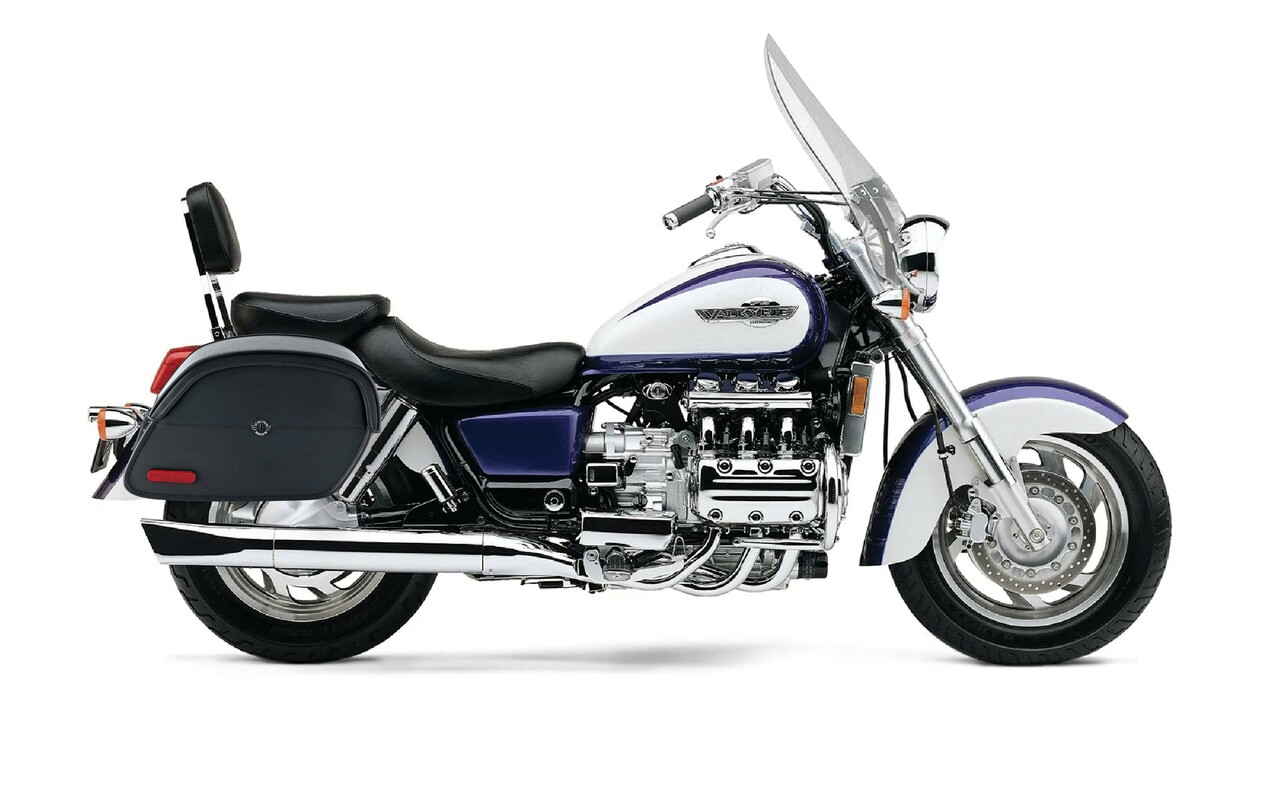
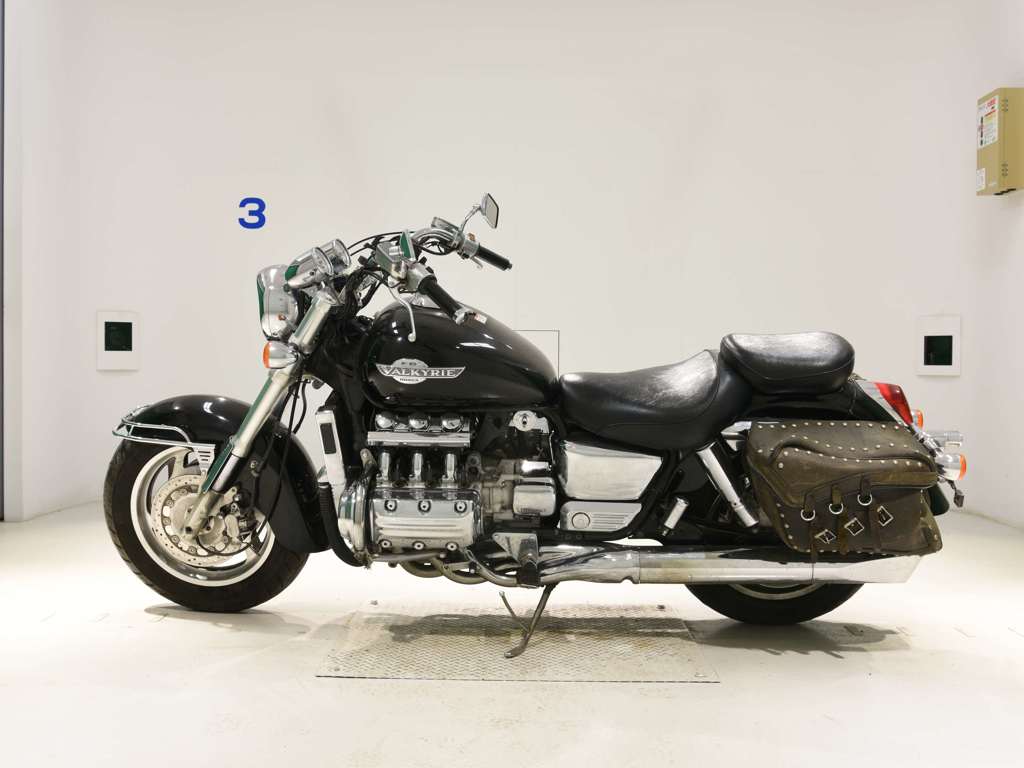
The 1997 Honda Valkyrie (GL1500C) features a 1520cc liquid-cooled horizontally opposed six-cylinder engine derived from the Gold Wing, producing approximately 100 horsepower and 96 lb-ft of torque. It utilizes six 28mm CV carburetors, a five-speed manual transmission, and a low-maintenance shaft drive, all mounted within a heavy-duty steel frame.
The 1997 Honda Valkyrie remains one of the most iconic "muscle cruisers" ever produced. When it debuted, it shattered the expectation that cruisers had to be powered by vibrating V-twin engines. Instead, Honda took the sophisticated, silky-smooth flat-six powerplant from their flagship touring bike, the GL1500 Gold Wing, and stripped away the fairings, luggage, and electronics to create a raw, chrome-laden powerhouse. As of 2026, the 1997 Valkyrie is no longer just a used motorcycle; it has transitioned into a "modern classic" status, prized by collectors and long-distance riders for its over-engineered reliability and unique exhaust note.
The Heart of the Beast: 1520cc Flat-Six Engine
The defining characteristic of the 1997 Honda Valkyrie is its engine. While the Gold Wing of the same era focused on quiet, effortless touring, the Valkyrie was tuned for "hot rod" performance. The 1520cc engine is a liquid-cooled, SOHC (Single Overhead Cam), 12-valve horizontally opposed six-cylinder. This layout provides an inherently balanced operation, as the movement of the pistons on one side cancels out the vibrations of the pistons on the opposite side.
Carburetion and Induction
Unlike the Gold Wing, which utilized two large carburetors to feed its six cylinders, the Valkyrie is equipped with six individual 28mm Keihin CV carburetors. This change was not just for aesthetics; it significantly improved throttle response and increased power output. Each cylinder receives its own dedicated fuel-air mixture, allowing the engine to breathe more efficiently throughout the RPM range. However, this setup does require more meticulous maintenance; synchronizing six carburetors is a task that requires patience and specialized vacuum gauges, though once set, they tend to remain stable for years.
Valvetrain and Camshaft Modifications
To further distinguish the Valkyrie from its touring cousin, Honda engineers utilized more aggressive camshaft profiles and changed the valvetrain. While the Gold Wing used hydraulic lifters for maintenance-free operation, the 1997 Valkyrie used solid lifters with screw-and-locknut adjusters. This allowed the Valkyrie to reach a higher redline and provided a more mechanical, tactile feel to the engine's operation. The result was a cruiser that could out-accelerate almost any other heavyweight bike on the market in 1997.
Chassis, Suspension, and Handling Dynamics
For a motorcycle that weighs over 600 pounds dry, the 1997 Valkyrie handles with surprising grace. Much of this is due to the low center of gravity afforded by the horizontally opposed engine layout. The weight is carried very low in the frame, making the bike feel much lighter than its spec sheet suggests once it is in motion.
The Inverted Fork Design
One of the most advanced features for a 1997 cruiser was the inclusion of 45mm inverted front forks. At the time, inverted forks were typically reserved for high-performance sportbikes. By placing the thicker, heavier part of the fork tube at the triple clamps, Honda increased the rigidity of the front end, reducing flex during hard braking and cornering. This gives the Valkyrie a planted, stable feel that many contemporary V-twin cruisers lacked.
Rear Suspension and Braking
The rear of the bike utilizes a traditional twin-shock setup. These shocks are preload-adjustable, allowing riders to compensate for passengers or heavy luggage. The braking system consists of dual 296mm discs with twin-piston calipers in the front and a single 316mm disc in the rear. While these components lack the ABS systems common in 2026, they provide strong, predictable stopping power for a machine of this mass, provided the rider uses both front and rear brakes in tandem.
1997 Honda Valkyrie Technical Specifications Table
The following table outlines the core technical data for the 1997 GL1500C Standard model.
| Feature | Specification |
|---|---|
| Engine Type | 1520cc liquid-cooled 6-cylinder (Flat-Six) |
| Bore x Stroke | 71.0mm x 64.0mm |
| Compression Ratio | 9.8:1 |
| Valvetrain | SOHC; two valves per cylinder |
| Fueling | Six 28mm Diaphragm-type CV carburetors |
| Maximum Horsepower | Approx. 100 HP @ 6,000 RPM |
| Maximum Torque | Approx. 96 lb-ft @ 4,500 RPM |
| Transmission | 5-speed manual |
| Final Drive | Shaft |
| Front Suspension | 45mm inverted fork; 5.1-inch travel |
| Rear Suspension | Dual shocks with 5-position preload; 4.7-inch travel |
| Front Brakes | Dual 296mm discs with 2-piston calipers |
| Rear Brakes | Single 316mm disc with 2-piston caliper |
| Front Tire | 150/80R-17 |
| Rear Tire | 180/70R-16 |
| Wheelbase | 66.5 inches |
| Seat Height | 29.1 inches |
| Fuel Capacity | 5.3 Gallons (including 1.1-gallon reserve) |
| Dry Weight | 660 lbs (approx. 700 lbs wet) |
Ergonomics and Long-Distance Comfort
The 1997 Valkyrie was designed to be a "Standard" cruiser, meaning it prioritized a neutral riding position. The footpegs are located directly beneath the rider rather than being stretched far forward, which allows for better control and less strain on the lower back during long rides.
The seat height is a relatively low 29.1 inches, making it accessible to riders of various heights. However, the width of the engine can be intimidating at first. The "wings" of the flat-six engine stick out to the sides, but they are positioned in a way that provides some wind protection for the rider's legs. The wide handlebars provide significant leverage, which is necessary for low-speed maneuvers given the bike's weight and 66.5-inch wheelbase.
For those looking to tour in 2026, the 1997 Valkyrie remains a viable platform. While it lacks the integrated fairings of the Valkyrie Tourer or Interstate models (which arrived in later years), many aftermarket windshields and soft bags are still available. The fuel capacity of 5.3 gallons offers a range of approximately 150 to 180 miles, depending on the rider's wrist and the state of the carburetor synchronization.
Maintenance and Long-Term Reliability
In 2026, many 1997 Valkyries have surpassed the 100,000-mile mark, a testament to Honda's "over-building" philosophy of the late 90s. To keep a Valkyrie running optimally, there are several key maintenance areas that owners must monitor.
The Timing Belt Requirement
Unlike many modern motorcycles that use timing chains, the GL1500 engine uses dual rubber timing belts. These are interference engines, meaning that if a belt snaps, the valves will hit the pistons, causing catastrophic engine failure. Honda originally recommended replacement every 100,000 miles or 10 years. For a 1997 model, ensuring these belts have been recently replaced is the most critical check for any prospective buyer.
Final Drive Maintenance
The shaft drive is incredibly robust but not entirely maintenance-free. The "splines" (the interlocking teeth that connect the drive shaft to the rear wheel) require cleaning and lubrication with high-molybdenum grease every time the rear tire is changed. Neglecting this can lead to expensive wear on the final drive unit.
Carburetor Health
Modern ethanol-blended fuels can be harsh on 1990s-era rubber components inside the carburetors. If a Valkyrie has been sitting for an extended period, the small passages in the six Keihin carbs can easily clog. Using fuel stabilizers and occasionally running non-ethanol fuel is a common practice among enthusiasts to preserve the fuel system's integrity.
Comparison to Contemporary Cruisers
To understand the 1997 Valkyrie, one must compare it to the landscape of the mid-to-late 90s. Most cruisers of that era, such as the Harley-Davidson Fat Boy or the Yamaha Royal Star, focused on the "V-twin pulse" and classic styling over raw performance.
The Valkyrie was different. It offered:
- Vibration-Free Power: While V-twins are known for their "shake," the Valkyrie's flat-six is nearly electric in its smoothness.
- Higher Redline: Most large V-twins stop making power early, but the Valkyrie continues to pull strongly up to its 6,500 RPM redline.
- Unique Sound: With a 6-into-6 or 6-into-2 exhaust system, the Valkyrie sounds more like a Porsche or a vintage Formula 1 car than a traditional motorcycle.
Common Modifications and the Aftermarket
Because the Valkyrie was so popular, a massive aftermarket ecosystem developed around it. Even in 2026, parts are relatively easy to find. Common modifications include:
- The "Trigger Wheel": A common mod to advance the ignition timing by 4 degrees, which sharpens throttle response and can slightly improve fuel economy.
- Exhaust Upgrades: Many owners remove the "piggy" pipes (the small baffles at the end of the stock exhaust) to let the flat-six howl.
- Suspension Upgrades: Replacing the 30-year-old rear shocks with modern Progressive or Ohlins units can transform the handling for modern roads.
Frequently Asked Questions
What is the average fuel economy of a 1997 Honda Valkyrie?
Most riders report between 30 and 38 MPG. Fuel economy is highly dependent on carburetor synchronization and cruising speed. Because the bike has six carburetors and a large displacement, high-speed interstate riding (above 75 MPH) tends to drop the MPG significantly toward the lower 30s.
Is the 1997 Valkyrie a good bike for beginners?
Generally, no. While the center of gravity is low, the bike weighs approximately 700 pounds when fueled. The sheer physical size and the power of the 1520cc engine require a rider with some experience in low-speed maneuvering and heavy-bike braking techniques.
How does the Valkyrie differ from the Gold Wing of the same year?
The Valkyrie (GL1500C) uses the Gold Wing's basic engine block but adds six carburetors instead of two, solid lifters instead of hydraulic ones, and more aggressive cams. It also lacks the Gold Wing's fairings, reverse gear (on the standard model), and heavy touring amenities, resulting in a bike that is significantly lighter and faster.
Are parts still available for the 1997 Honda Valkyrie in 2026?
Yes, most wear-and-tear items like brake pads, filters, and tires are readily available. Engine internals are shared with the Gold Wing GL1500, which sold in massive quantities, so mechanical parts are easy to source. However, specific chrome body trim and original fuel tanks are becoming more difficult to find and can be expensive on the secondary market.
Does the 1997 Valkyrie have a reverse gear?
No, the 1997 "Standard" and "Tourer" models did not include a reverse gear. Only the later "Interstate" models and the Gold Wing itself featured the electric reverse system. Owners must be mindful of where they park to avoid having to push the 700-pound machine uphill.
Practical Recommendation for Buyers and Owners
If you are considering a 1997 Honda Valkyrie in 2026, prioritize maintenance history over low mileage. A Valkyrie with 50,000 miles that has had its timing belts, sub-filters, and carburetor boots replaced is often a better purchase than a "barn find" with 5,000 miles that has sat for decades. The seals and rubber components on these bikes are now nearly 30 years old; if they haven't been serviced, they will likely need attention soon.
For current owners, the best way to preserve the 1997 Valkyrie is to ride it regularly. These engines are famous for their longevity, but they do not tolerate sitting. Keeping the fuel fresh and the battery on a tender will ensure that the legendary flat-six starts with its characteristic purr every time.