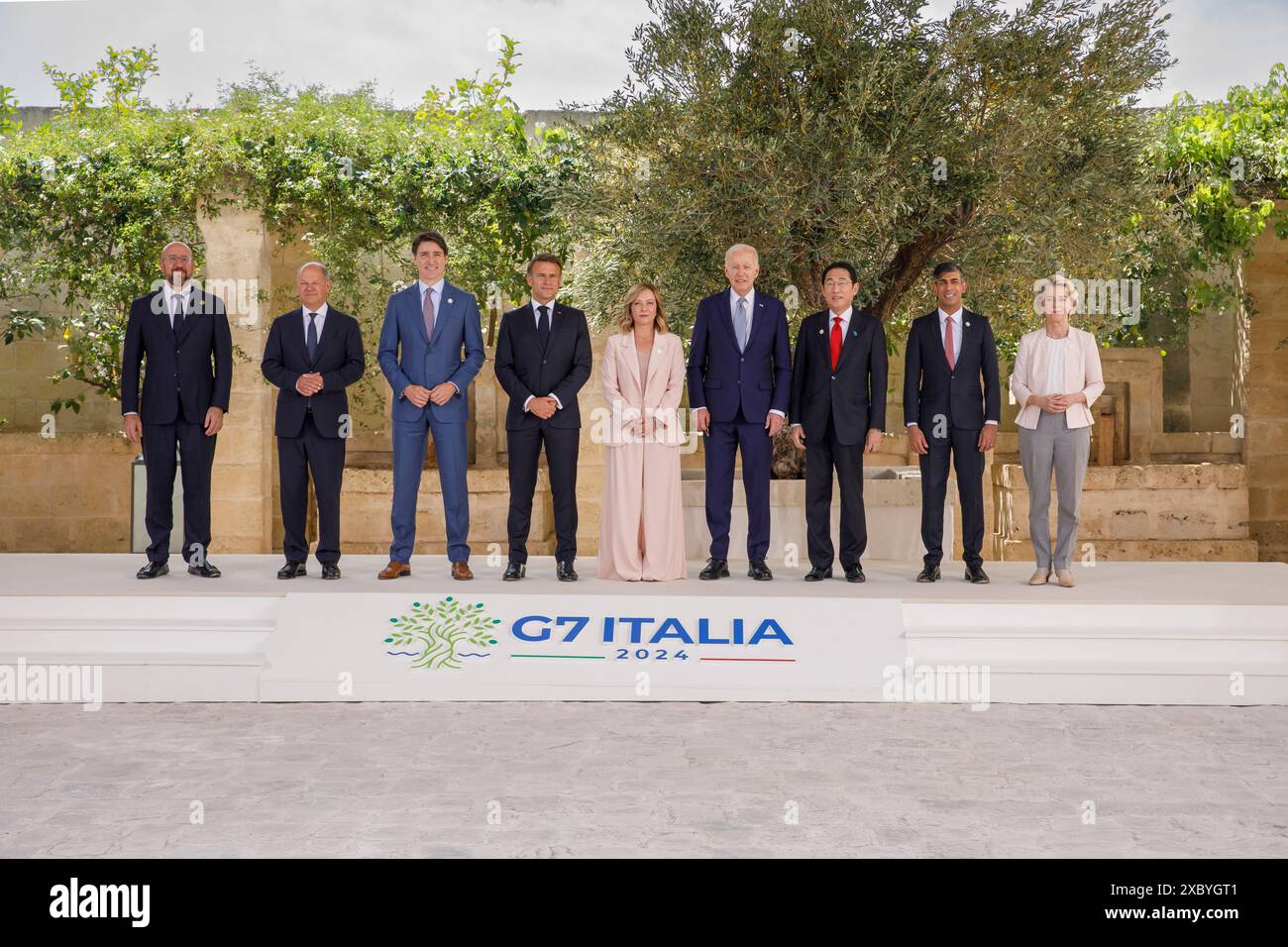
Italy remains a cornerstone of the Group of Seven (G7) because it serves as the essential Mediterranean bridge, balancing advanced industrial manufacturing, critical energy transit infrastructure, and the preservation of democratic stability within the European Union. Its membership is foundational to the group’s ability to manage regional security and global economic policy.
The Pillars of Italian Membership in the G7
To understand why Italy is a non-negotiable member of the G7, one must move beyond simplistic GDP rankings and look at the functional role the nation plays within the Western alliance. Since the inception of the G7 in 1975—originally the G6—Italy has provided the necessary European perspective required to balance the influence of North American and Asian counterparts. As of 2026, the global landscape has become increasingly volatile, and Italy’s specific geopolitical positioning, industrial capacity, and diplomatic reach make it a vital anchor for the group’s collective security and economic agenda.
Industrial Sophistication and the 'Made in Italy' Advantage
While large-cap nations like the United States or Japan often dominate conversations about technological scale, Italy represents the world’s gold standard in high-value, specialized manufacturing. The "Made in Italy" label is not merely a branding exercise; it represents a deeply integrated network of small-to-medium enterprises (SMEs) that drive the global supply chain for luxury goods, precision machinery, robotics, and high-end automotive engineering.
In the context of the G7, Italy provides a unique counterpoint to the mass-production models of other members. Its focus on artisanal craftsmanship combined with advanced automation offers a blueprint for economic resilience. The Italian manufacturing sector remains a top-tier global exporter of capital goods, which are the machines that build other machines. This makes Italy an essential partner for G7 nations looking to diversify their manufacturing bases away from over-reliance on single-source regions, as Italy offers the technical expertise and established supply networks that are difficult to replicate.
The Mediterranean Security Gateway
Geographically, Italy acts as the primary buffer and bridge between the European Union, the Middle East, and North Africa. In an era where migration, regional conflict, and energy security are primary G7 concerns, Italy’s role is indispensable. The G7 relies on Italy to manage diplomatic channels with North African nations—channels that are essential for regulating energy flows (such as natural gas pipelines reaching European shores) and coordinating maritime security across the Mediterranean Sea.
Without Italy’s presence, the G7 would lose a primary interface with the "Southern Flank." The country provides the G7 with situational awareness and logistical support that no other member can offer. Whether it involves monitoring maritime trade routes or negotiating energy-sharing agreements, Italy’s location dictates that its national interest is synonymous with the security interests of the entire G7 bloc.
Economic Integration and Institutional Stability
Italy is the third-largest economy in the Eurozone. While it faces well-documented challenges regarding public debt and demographic shifts, these issues are handled within a robust framework of institutional integration. Its membership in the G7 provides a platform for macroeconomic coordination that helps stabilize not just the Italian economy, but the wider European market.
Contribution to Global Financial Governance
The G7 serves as a steering committee for the global economy. Italy’s voice in this committee is critical for ensuring that European financial regulations are aligned with those of the United States and the United Kingdom. As a member of the Eurozone, Italy must balance national fiscal policy with the mandates of the European Central Bank. This gives Italy a "dual-perspective" advantage; it brings the rigor of EU-level fiscal coordination to the G7, ensuring that policies discussed by the G7 are practically applicable to the complex legal and monetary systems of the European Union.
Resilience and the Transition to Green Energy
Italy has been a leader in the integration of renewable energy sources, particularly solar and wind, due to its favorable geography. The G7’s "Climate Club" agenda—aimed at harmonizing carbon pricing and climate standards—relies on the participation of nations that are actively retrofitting their industrial sectors. Italy’s transition, often referred to as the "Green Deal" evolution within its industrial heartlands, provides a practical case study for how mature economies can pivot toward sustainable energy without dismantling their manufacturing base.
Comparative Metrics of Influence
The following table summarizes the unique factors that establish Italy’s enduring relevance within the G7, contrasting its specific contributions with broader regional roles.
| Metric | Italy's Contribution to the G7 | Strategic Importance |
|---|---|---|
| Manufacturing | Specialized high-end mechanical engineering | High value-added supply chain stability |
| Energy Strategy | Central Mediterranean transit hub | Critical for Europe's non-Russian energy flow |
| Geopolitics | Direct dialogue with North African/MENA states | Security and migration management |
| Cultural Capital | Global influence in arts, design, and tourism | Soft power and diplomatic leverage |
| Institutional | Eurozone representative | Alignment of EU/G7 fiscal objectives |
Addressing Misconceptions Regarding Membership
A frequent point of debate involves the focus on nominal GDP as the sole metric for G7 inclusion. Critics often argue that if membership were based purely on GDP rankings in 2026, the composition might differ. However, the G7 was never intended to be a static club based solely on current output; it is a concert of advanced, open, democratic economies that share a common vision for international governance.
Removing Italy would create a strategic vacuum in the Mediterranean that would be immediately exploited by competing geopolitical powers. The continuity of Italy’s membership provides a predictability that is highly valued in international relations. When the G7 meets, it requires a diverse set of economies to ensure that decisions reflect the realities of the modern world, not just the largest tech markets. Italy’s inclusion ensures that the "European voice" remains balanced, preventing a tilt toward purely Anglo-American or East Asian interests.
The Value of "Soft Power" in Diplomatic Negotiations
Beyond economics and security, Italy brings an unparalleled level of "soft power" to the table. As a global hub for culture, heritage, and tourism, Italy holds significant influence in the formation of global norms. This cultural weight allows Italy to act as a mediator in disputes where rigid economic or military arguments fail. The G7 often uses diplomatic backchannels to manage global crises; Italy’s long history of nuanced diplomacy—often described as the "art of the possible"—is a tool that the G7 uses frequently to reach consensus among disparate member nations.
Frequently Asked Questions
Why is Italy included in the G7 despite economic growth concerns?
The G7 is not a rank-ordered list based on GDP. Italy is included because it is a foundational economy of the European Union with strategic control over key energy and migration corridors in the Mediterranean. Its membership ensures that Western policies are sensitive to the economic realities of Southern Europe.
How does Italy’s energy policy impact G7 goals?
Italy is transforming into a "gas hub" for Europe, importing significant volumes of natural gas from North Africa and the Caspian region. This directly supports the G7 goal of energy independence from autocratic states, as Italy’s infrastructure serves as the entry point for diversified energy supplies into the continent.
What is the significance of Italy’s role in the G7 "Climate Club"?
Italy provides a testing ground for decarbonizing heavy industries. By demonstrating how a G7 nation can maintain its manufacturing export capacity while adhering to strict EU and global emission standards, Italy helps define the technical criteria for the G7’s international climate agreements.
Does Italy’s membership prevent the entry of emerging economies into the G7?
The G7 functions as a group of like-minded, advanced democracies rather than a representative council of global regions. Expanding the G7 to include other major economies would change the nature of the forum. Italy’s membership is retained because its democratic and economic standards align perfectly with the group’s foundational, shared values.
Recommendation for Further Analysis
For those seeking to understand the ongoing impact of Italy’s G7 membership, monitor the outcomes of the annual G7 summits, specifically the communiqués related to "Energy Transition" and "Mediterranean Security." These documents consistently highlight that the G7’s capacity to project stability in 2026 relies on the specific, localized influence that Italy exerts in its sphere of operation. The most effective way to track Italy's evolving contribution is to observe the shift in its trade balance regarding energy-efficient capital goods, which currently serves as a benchmark for how Western nations are adapting to the post-2020 economic environment.