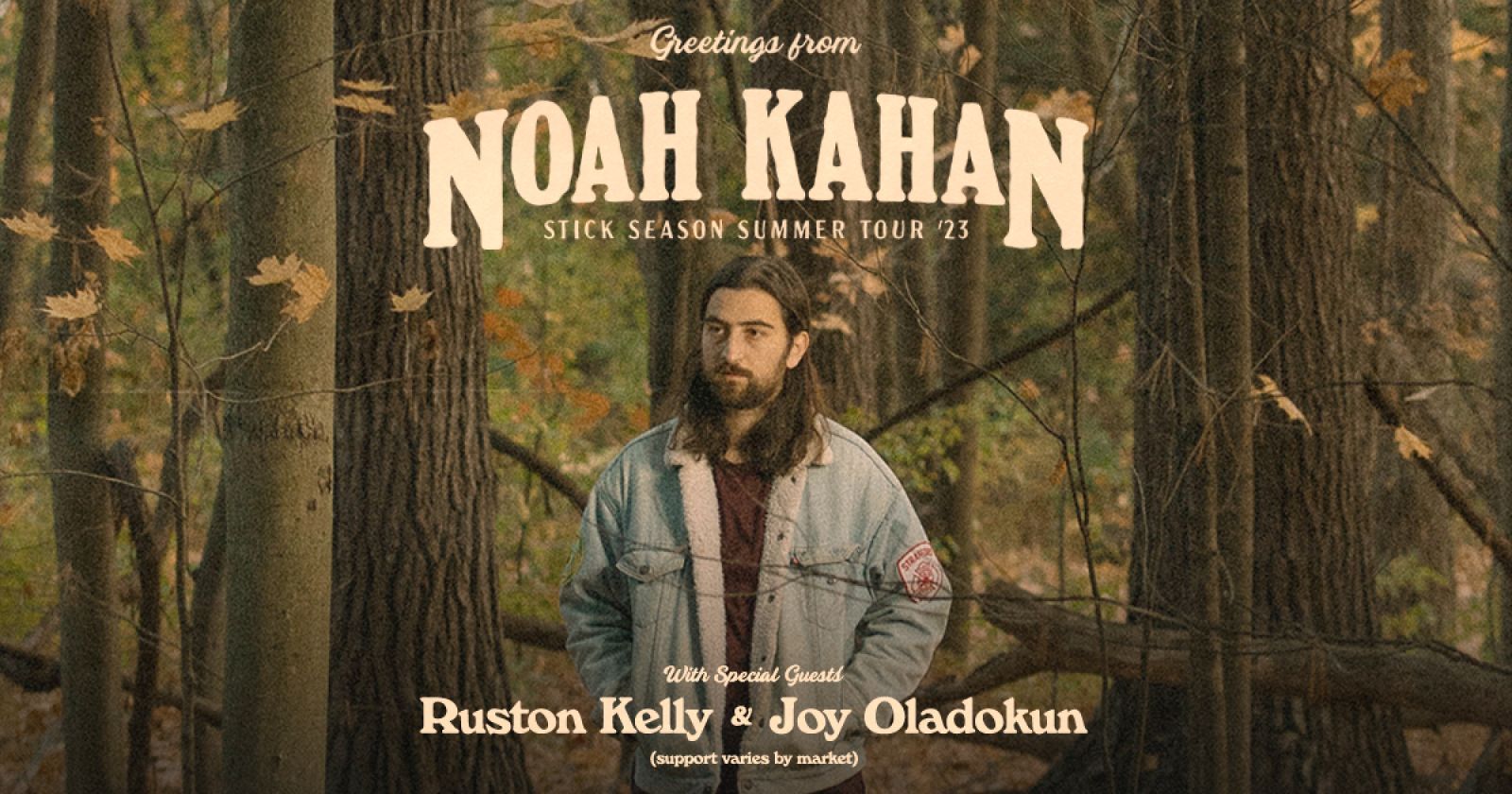
Noah Kahan’s music represents a profound exploration of "geographic grief"—the emotional weight of staying in or leaving a place that shaped you. His work transcends simple folk-pop, offering a blueprint for processing seasonal depression, familial expectations, and the complexity of personal evolution within a static, often isolating, rural environment.
As we look back from the vantage point of 2026, the cultural impact of Noah Kahan has shifted from a viral "TikTok moment" to a recognized pillar of modern folk-lyricism. While initial listeners categorized him as a voice for New England, a deeper perspective reveals that his true subject is the friction between our past selves and the versions of us that try to move on. This analysis explores the nuances of his lyrical themes, the psychological underpinnings of his most famous works, and why his "Northern Attitude" continues to resonate with a global audience.
The Architecture of "Stick Season": More Than a Transition
To understand the new perspective on Kahan’s meaning, one must first deconstruct the concept of "Stick Season." In Vermont parlance, it refers to the bleak period between the vibrant autumn foliage and the first beautiful snowfall—a time of mud, grey skies, and skeletal trees.
In a broader psychological sense, Kahan uses this period as a metaphor for the liminal spaces of adulthood. This isn't just about the weather; it is about the "waiting room" of life. By 2026, musicologists have noted that Kahan’s "Stick Season" captured a collective post-pandemic exhaustion—the feeling of being stuck in a hometown or a mindset while the rest of the world seems to move forward.
The Weight of "The View Between Villages"
In the track "The View Between Villages," Kahan articulates a specific type of dissociation. The "meaning" here isn't just about a drive between Strafford and Sharon, Vermont; it’s about the physical sensation of one’s heartbeat slowing down as they approach a place of trauma and comfort. From a 2026 perspective, this song is frequently cited in "place-based therapy" discussions as a perfect description of how our nervous systems are tethered to specific landscapes. The song highlights the paradox of belonging: you are most yourself in the place that also makes you feel the most hollow.
The Evolution of the "Northern Attitude"
The term "Northern Attitude" has evolved from a catchy hook into a sociological shorthand for a specific kind of defensive emotional unavailability. Kahan describes a temperament born of long winters and isolation—a "cold" exterior used to protect a vulnerable interior.
Breaking the Cycle of Stoicism
A fresh perspective on this theme suggests that Kahan isn't celebrating this stoicism; he is mourning it. In 2026, his work is viewed as a critique of the "rugged individualism" often forced upon those in rural communities. By singing about being "scared of the dark" or "dying to get out," he provides a release valve for listeners who feel they must maintain a facade of toughness. This "Northern Attitude" is a coping mechanism that Kahan eventually suggests we must outgrow to find true connection.
Lyrical Analysis of Key Psychological Themes
Noah Kahan’s discography, particularly the expanded Stick Season (Forever) era, functions as a series of case studies on human connection. Below is a breakdown of the primary themes and their deeper meanings.
| Song Title | Primary Theme | Psychological Meaning | The "New" 2026 Perspective |
|---|---|---|---|
| Orange Juice | Sobriety & Change | The awkwardness of returning to a life you no longer fit into. | Recognized as one of the most empathetic portrayals of the "observer" in a recovery journey. |
| Homesick | Geographic Resentment | The anger of feeling trapped by one’s roots and financial constraints. | A class-conscious anthem for those who cannot afford to "just move away." |
| Call Your Mom | Mental Health Crisis | The desperate, unconditional support offered during a loved one's darkest moment. | Used widely in mental health advocacy as a "pact" between friends. |
| Growing Sideways | Stagnant Healing | The realization that time passing is not the same as therapy or progress. | A critique of "toxic positivity" and the myth that "time heals all wounds." |
| Dial Drunk | Desperation & Shame | The regression into old habits when faced with rejection or failure. | Seen as a commentary on the fragility of the "new self" under extreme stress. |
The "Orange Juice" Phenomenon: Redemption and Alienation
Perhaps no song in Kahan’s catalog carries as much weight in 2026 as "Orange Juice." While many songs tackle addiction from the perspective of the addict, Kahan writes from the perspective of the friend or family member waiting at home.
The meaning of "Orange Juice" is rooted in the irreversibility of time. The offer of orange juice—a non-alcoholic substitute—is a kind gesture that simultaneously highlights the massive elephant in the room: things will never be the same. The "new perspective" here is the acceptance of grief within relationships that are still alive. It teaches that you can love someone and still feel the profound loss of the person they used to be before they changed, even if that change (sobriety) is objectively positive.
Cultural Identity and the "Hometown Hero" Complex
Kahan’s rise to prominence created a "New England Folk" subgenre that has matured significantly by 2026. However, the meaning of his work remains tied to the Hometown Hero Complex. This is the burden of becoming the person who "made it out," only to realize that your identity is so intrinsically tied to the place you left that you feel like a ghost when you return.
The Conflict of Success
In tracks like "You’re Gonna Go Far," Kahan flips the narrative. Instead of the typical "stay here with me" trope, he offers a blessing for the person leaving. This provides a new perspective on communal support: sometimes, the greatest act of love is acknowledging that someone is too big for the small town that raised them. In the 2026 cultural landscape, this is often discussed as the "antidote to small-town guilt."
Technical Craft: Why the Sound Matters
The "meaning" of Noah Kahan is not just in the lyrics but in the sonic delivery. The shift from the more polished pop sounds of Busyhead (2019) to the raw, acoustic-driven textures of the later albums was a deliberate choice to align the music's "body" with its "soul."
- The Use of Silence: Kahan uses pauses and breathy intakes to simulate the feeling of a cold winter air.
- Layered Vocals: Often, his backing vocals sound like a choir of his own "past selves," adding a haunting, internal-monologue quality to the tracks.
- The Mandolin and Banjo: By reintroducing these "old world" instruments into a modern pop context, he bridges the gap between ancestral tradition and Gen Z anxiety.
Common Misconceptions About Kahan’s Lyrics
As his popularity peaked and leveled into a legacy status by 2026, several misconceptions about his meanings have been corrected by fans and critics alike:
- Misconception: He hates his hometown.
- Reality: He experiences "Odi et Amo" (hate and love). The resentment stems from deep-rooted affection and the pain of seeing a beloved place stagnate.
- Misconception: His music is exclusively for "sad people."
- Reality: His work is actually categorized by "resilient hope." Most songs end with an acknowledgment of reality, which is the first step toward genuine healing.
- Misconception: "Stick Season" is a breakup album.
- Reality: While there are breakup elements, it is primarily a "coming-of-age-later" album, focusing on the relationship between an individual and their environment.
Frequently Asked Questions
What does "Stick Season" actually mean in Noah Kahan's songs?
In the context of the music, "Stick Season" refers to the transition between autumn and winter in Vermont, but symbolically it represents a period of depression, loneliness, and feeling "stuck" in a life that has lost its color but hasn't yet found a new path.
Is "Orange Juice" based on a true story?
Noah Kahan has stated in various interviews that while the song is not a direct autobiography of a single event, it is a "collage" of experiences he has had with friends and family members dealing with addiction and the awkward, painful process of reconnection that follows.
Why is the "Northern Attitude" so significant to his fans?
The "Northern Attitude" resonates because it names a specific cultural trait—using coldness or distance as a shield. It gives fans a way to talk about their own emotional barriers and the difficulty of being vulnerable in a culture that prizes self-reliance.
How has the meaning of Noah Kahan's music changed by 2026?
By 2026, the music has shifted from being a "trend" to a "classic" example of regional storytelling. It is now analyzed less as "indie-pop" and more as modern American folklore, reflecting the specific anxieties of the 2020s regarding isolation and digital-era loneliness.
What is the meaning behind "The View Between Villages"?
The song explores the "liminal space" between two identities. It describes the physical and emotional sensation of being a "ghost" in your own life—the few minutes of peace or terror when you are between the person you were in your hometown and the person you have become in the city.
Final Recommendation: How to Engage with the Music
To truly grasp the "new perspective" on Noah Kahan, listeners should approach his discography not as a collection of singles, but as a linear narrative. Start with Busyhead to understand the restless energy of youth, move through I Was/I Am to see the struggle with identity, and spend the most time with the Stick Season iterations.
In 2026, the best way to experience the "meaning" is through a "place-based" listen. Take the music to a location that feels like your own personal "village"—whether that is a literal small town or a specific street corner that holds your history. Kahan’s music is designed to be a mirror; it doesn't just tell his story, it provides the vocabulary for you to finally tell your own.