Yes, life insurance policies are significantly longer in duration than property insurance policies. While life insurance is designed to provide coverage over decades or an entire lifetime, property insurance—such as homeowners or auto insurance—is structured as a short-term contract, typically renewed on an annual or semi-annual basis, reflecting the fluctuating nature of physical assets and market conditions.
The Structural Difference Between Life and Property Insurance
To understand why these two types of insurance operate on such different timelines, one must look at the underlying purpose of the contract. Insurance is fundamentally a method of risk transfer. In the case of property insurance, the risk is linked to a physical asset—a house, a vehicle, or commercial equipment. These assets are subject to degradation, technological obsolescence, and shifting market valuations. Therefore, property insurance contracts are intentionally short-term, allowing the insurer and the policyholder to reassess the risk and adjust premiums annually.
In contrast, life insurance is built on the premise of mortality risk. While a house may be sold or destroyed, the risk of death is a certainty that increases as an individual ages. Life insurance contracts, particularly permanent plans, are designed to span the duration of this human lifecycle. By locking in coverage for decades, these policies provide a financial safety net that is not subject to the same annual "reset" that characterizes property insurance.
Understanding Property Insurance Terminology
Property insurance is categorized as a "term" or "period" contract. When you purchase a policy for your home or car, you are entering a legally binding agreement that lasts for a specific, limited duration—almost universally 12 months.
Several factors dictate this short-term structure:
- Asset Depreciation and Appreciation: The value of a home or a car changes rapidly. Renovations, market shifts, and simple wear and tear mean the cost to replace the item is never static.
- Risk Profile Volatility: The external environment affecting property risk changes constantly. A neighborhood might become more prone to flooding, or a vehicle model might be statistically proven to be more theft-prone. Annual renewals allow insurers to adjust for these geographic and statistical shifts.
- Regulation and Competition: State insurance departments regulate property premiums closely. Periodic renewals ensure that prices remain tethered to current economic realities and competitive market rates.
Because of this, property insurance is often described as "renewable term insurance." While you can renew the policy indefinitely, you are essentially signing a new agreement with updated terms, conditions, and pricing every single cycle.
The Mechanics of Life Insurance Durations
Life insurance operates on two distinct timelines: term life and permanent life. Even at its shortest, term life insurance is significantly longer than the typical property insurance contract.
1. Term Life Insurance
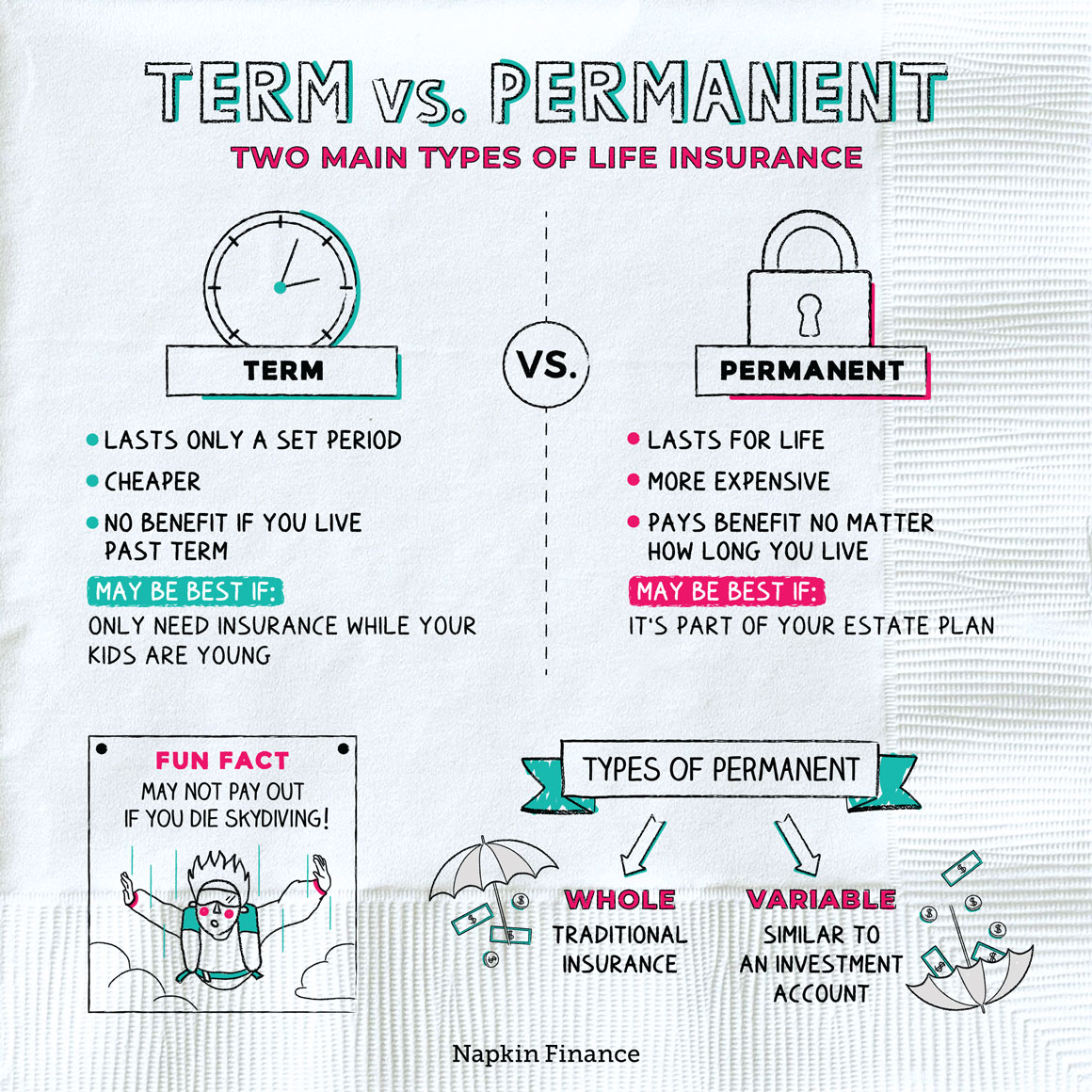
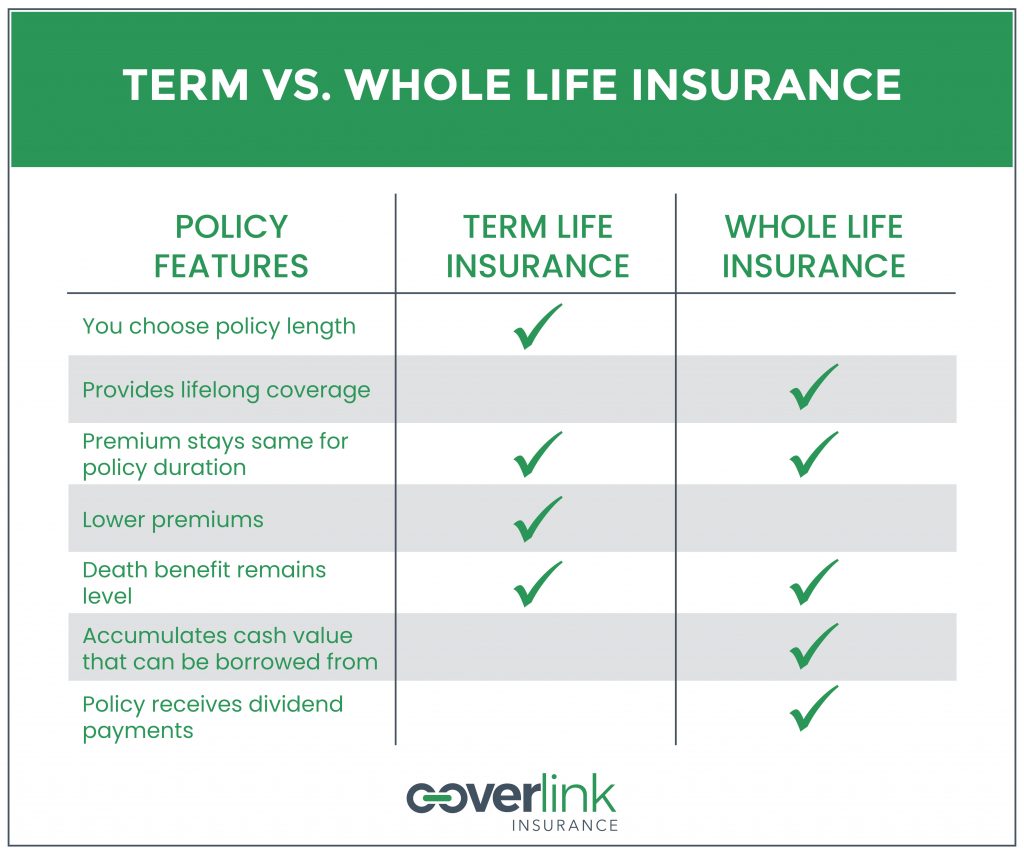
Term life insurance provides coverage for a specific period, usually ranging from 10, 20, or 30 years. During this time, the premiums remain level, and the death benefit is guaranteed. Unlike property insurance, which requires a renewal to maintain coverage, term life provides a contractual guarantee that the insurer cannot cancel the policy or change the rates as long as the premiums are paid throughout the defined term.
2. Permanent Life Insurance
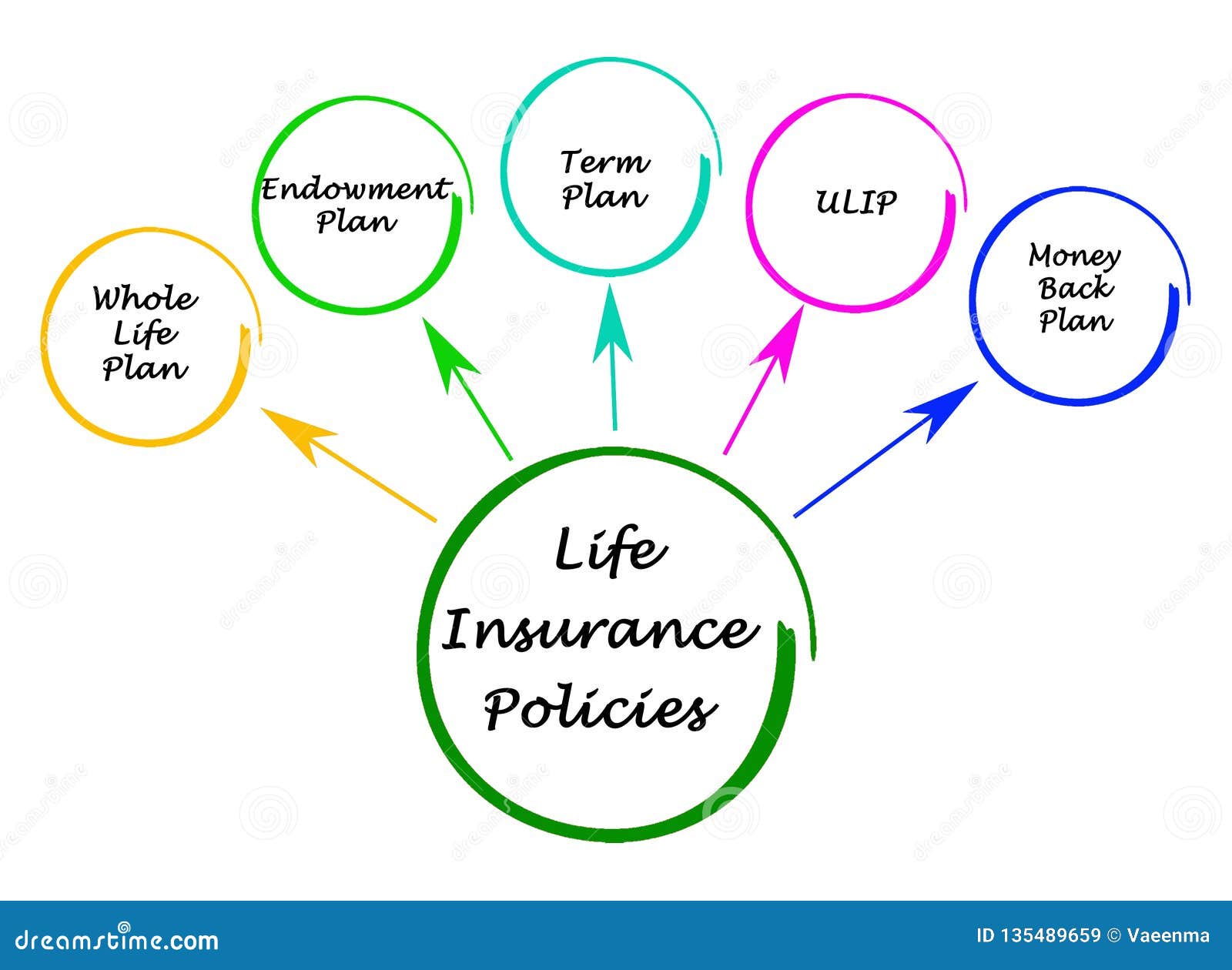
Permanent life insurance—which includes Whole Life, Universal Life, and Variable Life—is designed to remain in effect for the policyholder’s entire life, provided the premiums are paid and the policy is kept in good standing. These policies often incorporate a "cash value" component, which acts as a living benefit. Because these policies are intended to span decades, they include complex actuarial structures that account for the increasing probability of death as the insured individual enters older age brackets.
Comparative Analysis: Life vs. Property Insurance
The fundamental difference lies in how the "risk" is treated by the insurance company. Property insurance is a reactive protection against accidental loss, whereas life insurance is a proactive financial instrument designed to handle an inevitable future event.
| Feature | Property Insurance | Life Insurance |
|---|---|---|
| Typical Duration | 6 to 12 months | 10 to 30 years or Lifetime |
| Renewal Process | Automatic or active renewal required | Guaranteed for term or life |
| Premium Adjustability | Annually adjustable based on risk | Level (fixed) for the duration of the term |
| Primary Goal | Protect physical assets | Provide financial security to heirs |
| Asset Relationship | Tied to a specific object | Tied to an individual human life |
Why Duration Matters for Financial Planning
The discrepancy in contract length necessitates different planning strategies. Because property insurance is short-term, it requires the policyholder to stay vigilant regarding annual rate increases and coverage limits. If you do not review your homeowners' policy annually, you may find that your "replacement cost" coverage is no longer sufficient due to inflation in building materials or labor costs.
Life insurance, however, requires a "set it and forget it" mentality regarding the structure, but a "long-term commitment" mentality regarding the payments. Because a permanent life insurance policy may be held for 40 or 50 years, the initial decision—such as choosing a company with strong financial ratings—is critical. You are essentially entering into a multi-generational partnership with the insurance provider.
Common Misconceptions Regarding Insurance Terms
One frequent error consumers make is assuming that because life insurance is "long-term," it is always the superior choice compared to short-term products. This ignores the specific utility of each. You would not use life insurance to protect your kitchen from a fire, and you cannot use property insurance to replace lost income upon death.
Another misconception is that "term" means "temporary." In the context of life insurance, a 30-year term is a massive commitment. It is only "temporary" relative to the human lifespan, but in the context of financial planning, it is a long-range strategic asset. Confusion often arises because the word "term" is used in both sectors—"term life" and "term property"—but they denote fundamentally different levels of commitment and actuarial stability.
Factors Influencing the Longevity of Your Coverage
While life insurance policies are designed to be longer-term, their actual duration depends on several operational factors:
- Premium Payments: For permanent life insurance, the policy stays in force as long as premiums are paid or as long as there is sufficient cash value to cover the "cost of insurance." If the cash value is depleted, the policy can lapse, even if you intended for it to be a lifelong contract.
- Policy Riders: Adding riders to a life insurance policy (such as a waiver of premium or an accelerated death benefit) can change how the policy behaves over time. These riders are meant to ensure the policy persists even if the policyholder becomes disabled or terminally ill.
- Property Policy Changes: In the property sector, policies may be terminated by the insurer if the property condition deteriorates, if the area is deemed a high-risk wildfire zone, or if the insurer ceases writing business in a specific state. Therefore, while you may desire a "long-term" property policy, the market environment may force a transition to a new carrier.
Frequently Asked Questions
Can I get a lifetime property insurance policy? No. Property insurance is inherently tied to the physical state of the asset. Because the risk profile of a building or vehicle changes annually—due to maintenance, climate, or technological changes—insurers will not write a policy for more than a year at a time.
Does my life insurance premium increase every year like my home insurance? Generally, no. Most life insurance contracts, whether term or whole life, feature level premiums. You pay the same amount for the duration of your term, regardless of changes in your health or your age. This is the opposite of property insurance, which typically sees rate adjustments upon every renewal to account for inflation and loss history.
What happens if my property insurer stops offering coverage in my state? Unlike life insurance, which is a long-term guarantee, property insurance is subject to the insurer’s business strategy. If an insurance company chooses to exit a specific regional market, your policy will not be renewed at the end of its current term. You are then responsible for securing a new policy with a different carrier.
Are there any life insurance policies that work like property insurance? No. While there are "annually renewable" life insurance plans, these are rare and usually limited to specific employer-sponsored group life plans. Even then, these are not structured like property policies; they are simply temporary forms of coverage that do not offer the same asset-based risk management that defines property insurance.
Should I review my life insurance as often as my property insurance? You should review your property insurance every year before the renewal date. You should review your life insurance whenever a major "life event" occurs—such as marriage, the birth of a child, a significant mortgage change, or a change in estate planning goals. While the policy structure is long-term, your needs may evolve.
Practical Next Steps for Your Insurance Portfolio
To effectively manage your risk profile, categorize your policies by their structural intent.
- For Property Insurance: Set a calendar reminder 60 days before your annual renewal date. Use this time to solicit quotes from at least three different carriers. Check that your "replacement cost" coverage remains accurate relative to the current market prices for labor and materials in your area.
- For Life Insurance: Evaluate your existing coverage against your current financial obligations. If you have a term policy, determine how many years remain and whether that aligns with your debt payoff timeline (such as your mortgage) or your children’s education timeline. If you have a permanent policy, request an "in-force illustration" from your insurer to verify that the cash value growth is on track to sustain the policy for your intended duration.
By treating these policies with the appropriate level of time-horizon analysis, you ensure that your long-term assets are protected by long-term strategies, while your physical assets are managed through diligent, short-term maintenance and review.