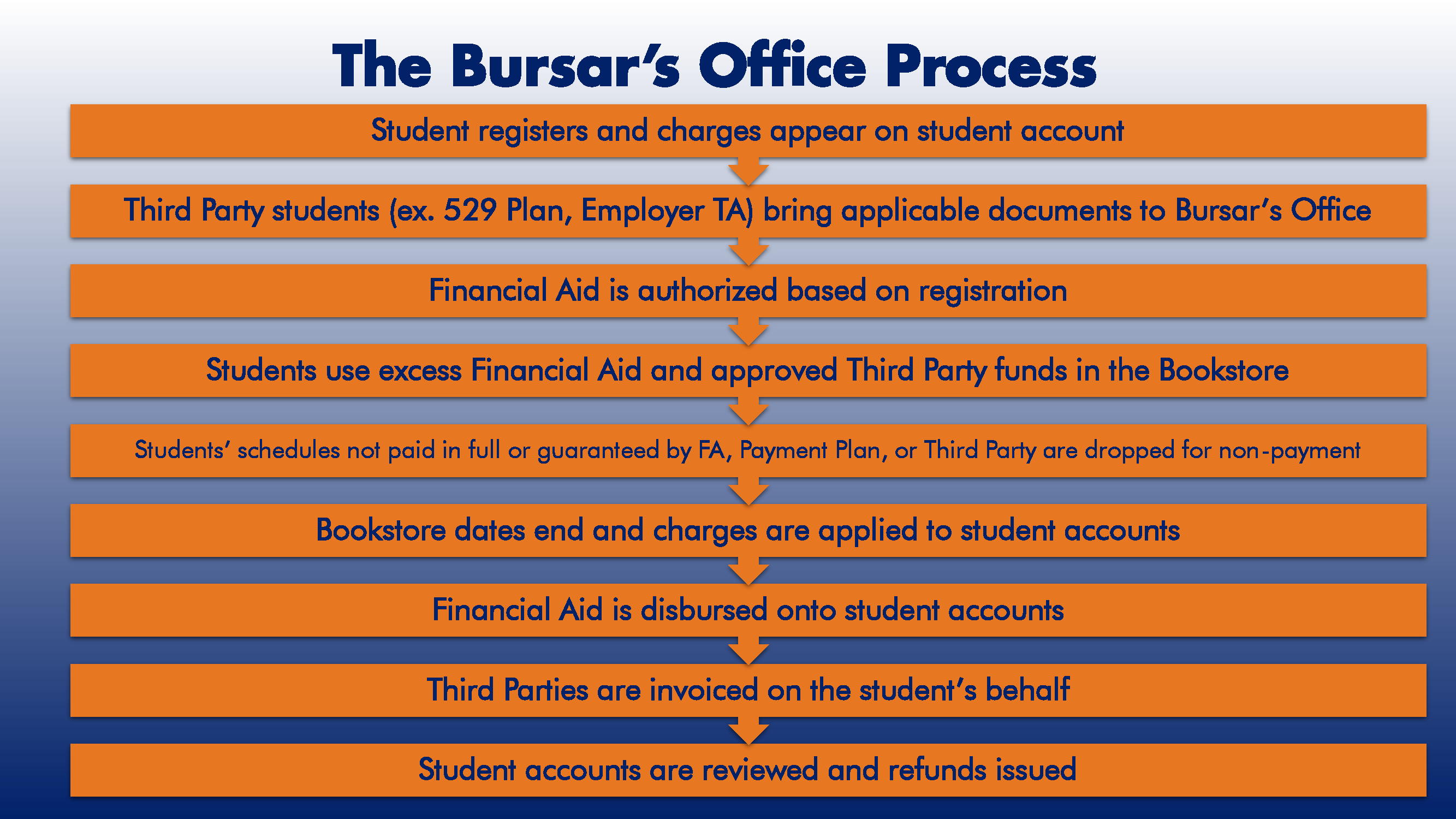
The Arizona State University (ASU) Student Business Services (SBS)—commonly referred to as the Bursar Office—serves as the centralized administrative hub for student financial accounts, billing, tuition payments, and refund disbursements. It acts as the intermediary between the student’s academic record and their financial obligations, ensuring that tuition, fees, and campus-based charges are accurately assessed, billed, and reconciled throughout the academic year.
Navigating the financial architecture of a large public research university like ASU requires a clear understanding of how the Bursar Office functions. Whether you are a prospective student, a parent managing a payment plan, or a current learner settling a semester balance, the primary objective of this office is to provide transparency and accessibility regarding your student account. The office is not a financial aid office—which manages grants, loans, and scholarships—but rather the entity that receives those funds and applies them to your bill. By mastering how to monitor your charges, utilize the payment portal, and interpret your student bill, you can effectively manage the administrative side of your education and avoid unnecessary holds on your registration or graduation.
Core Functions of the ASU Bursar Office
The Bursar Office performs several mission-critical functions that keep the university’s financial operations running smoothly. These operations are categorized into three main pillars: billing, payment processing, and financial accountability.
Tuition and Fee Assessment
One of the primary functions of the office is the systematic application of tuition and mandatory fees to student accounts. ASU uses a tiered tuition structure that varies based on residency status, academic college, and degree program. The Bursar Office ensures that these charges are applied accurately based on the student’s enrollment data. They also oversee “special course fees”—such as lab fees or specialized equipment charges—which are tied to specific course registration numbers (CRNs).
Billing Cycles and Statement Issuance
The university generates electronic billing statements (eBills) on a recurring basis, usually once per month. The Bursar Office is responsible for maintaining the integrity of these statements. When a student registers for classes, the Bursar’s system generates a bill that includes tuition, housing and dining charges, health insurance premiums (if applicable), and library or parking fines. Monitoring these statements is the student’s primary tool for identifying inaccuracies or unexpected charges.
Payment Processing and Account Reconciliation
The office processes payments made through various channels, including wire transfers, electronic checks, and international payment platforms like Flywire. Furthermore, the office handles the reconciliation of third-party billing, such as payments from 529 college savings plans, employer-sponsored tuition benefits, or military assistance programs. If a student receives financial aid, the Bursar Office acts as the clearinghouse that applies those funds directly to the student’s balance.
Utilizing Student Business Services (SBS) Online
In 2026, the majority of interactions with the Bursar Office occur through the My ASU portal. This digital interface is designed to provide real-time updates on your financial standing without requiring a physical visit to the campus office.
Accessing the Finance Tab
Once logged into My ASU, the "Finance" tab is the command center for all bursar-related tasks. From this interface, you can view your current account balance, check for any "holds" that might prevent registration, and access your 1098-T tax forms. The "Student Account" link within this tab provides a itemized ledger of every transaction, showing charges on one side and payments or financial aid credits on the other.
The Payment Portal
The payment portal is where the actual settlement of debts occurs. Students and authorized payers (such as parents or guardians who have been granted access by the student) can make payments here. The portal supports:
- One-time payments: Ideal for settling a remaining balance after financial aid disbursement.
- Payment plans: ASU offers installments that break down the semester balance into manageable monthly payments, which is a common strategy for families to avoid paying a large lump sum at the start of the term.
- Direct deposit setup: This is the most efficient method for receiving student refunds. If your financial aid exceeds your tuition and fees, the surplus is refunded to you. Setting up direct deposit ensures that these funds arrive in your bank account days faster than a paper check mailed to your residence.
Financial Policies and Student Responsibilities
The Bursar Office operates under strict regulatory and institutional policies. Understanding these rules is essential for maintaining good standing with the university.
Registration Holds
The Bursar Office holds the authority to place a "Financial Hold" on a student’s account if there is a past-due balance. This hold prevents the student from registering for future semesters, requesting official transcripts, or receiving their diploma. It is vital to address these holds immediately. If a hold is placed, the student must typically pay the balance in full or contact the Bursar Office to discuss a payment arrangement.
Tuition Refund Deadlines
Academic calendars feature specific drop/add periods. If you withdraw from a course after the published refund deadline, you are generally still liable for the full tuition and fees associated with that course. The Bursar Office enforces these deadlines strictly to maintain institutional fiscal policy. Students should verify the "Important Deadlines" link on their My ASU page each semester to ensure they understand the financial consequences of changing their schedule.
1098-T Tax Reporting
Every year, the university provides a 1098-T form for tax purposes. This form reports the amount of qualified tuition and related expenses paid during the calendar year. While the Bursar Office provides this data, it is not a tax advisory service. Students should consult with a tax professional regarding how to report these education expenses on their federal income tax returns.
Comparison of Payment and Financing Options
When managing your balance, it is helpful to compare the methods available to ensure you are selecting the most efficient path for your financial situation.
| Payment Method | Primary Use Case | Processing Speed |
|---|---|---|
| ACH/eCheck | Standard tuition payments | 1–3 business days |
| Credit Card | Convenience, potential rewards | Instant (may include convenience fees) |
| 529 Plan | Tax-advantaged college savings | 5–10 business days |
| Installment Plan | Budgeting over a full semester | Recurring automated drafts |
| Financial Aid | Automatic application to bill | Varies based on semester start |
Note: Convenience fees may apply to credit card payments. Always review the specific terms on the payment portal before submitting.
Frequently Asked Questions
Why does my account show a balance after my financial aid was applied?
Financial aid is often processed in phases. If your aid does not cover the entire balance, or if you have incurred new charges (such as library fees or housing adjustments) after your aid was originally calculated, a remaining balance will appear. Always check the "Detail" view in the Finance tab to see exactly which charges remain unpaid.
How do I grant a parent or guardian access to my bill?
ASU allows students to set up "Authorized Payers" through the payment portal. By adding their email address, you grant them permission to view statements and make payments on your behalf. This does not grant them access to your grades or other private academic records, adhering to FERPA (Family Educational Rights and Privacy Act) regulations.
What happens if I receive a refund check?
If your financial aid exceeds your charges, the Bursar Office issues a refund. If you have not enrolled in direct deposit, this refund will be issued as a check and mailed to the address on file. This can take significant time; electronic direct deposit is recommended for security and speed.
Are there penalties for late payments?
Yes. Accounts that are not settled by the due date or are not enrolled in an active payment plan may be subject to late fees and registration blocks. If an account remains significantly delinquent, it may be referred to a third-party collection agency, which can adversely affect your credit rating.
How do I dispute a charge on my account?
If you believe a charge is incorrect—such as a lab fee for a class you never attended or an incorrect housing charge—you should contact the department that originated the charge first. The Bursar Office processes the billing, but they generally cannot waive academic or housing fees without approval from the respective department.
Recommended Next Actions
To maintain seamless financial management at ASU, follow these proactive steps:
- Set Up Direct Deposit: Do this immediately in the My ASU portal to ensure timely receipt of any potential financial aid refunds.
- Review Your Statement Monthly: Even if you do not expect charges, log in once a month to ensure your account is accurate and no unexpected fees have been added.
- Establish Authorized Payers: If you rely on family support for tuition, authorize them as payers early in your first semester to prevent communication delays during busy registration periods.
- Mark the Academic Calendar: Add tuition due dates and refund deadlines to your digital calendar to ensure you never miss a payment cycle or a drop/add window.
By treating the Bursar Office as a primary administrative resource and monitoring your account regularly, you minimize the risk of financial administrative friction. Keep your contact information updated in the student portal, as the university uses these details for all official financial correspondence.