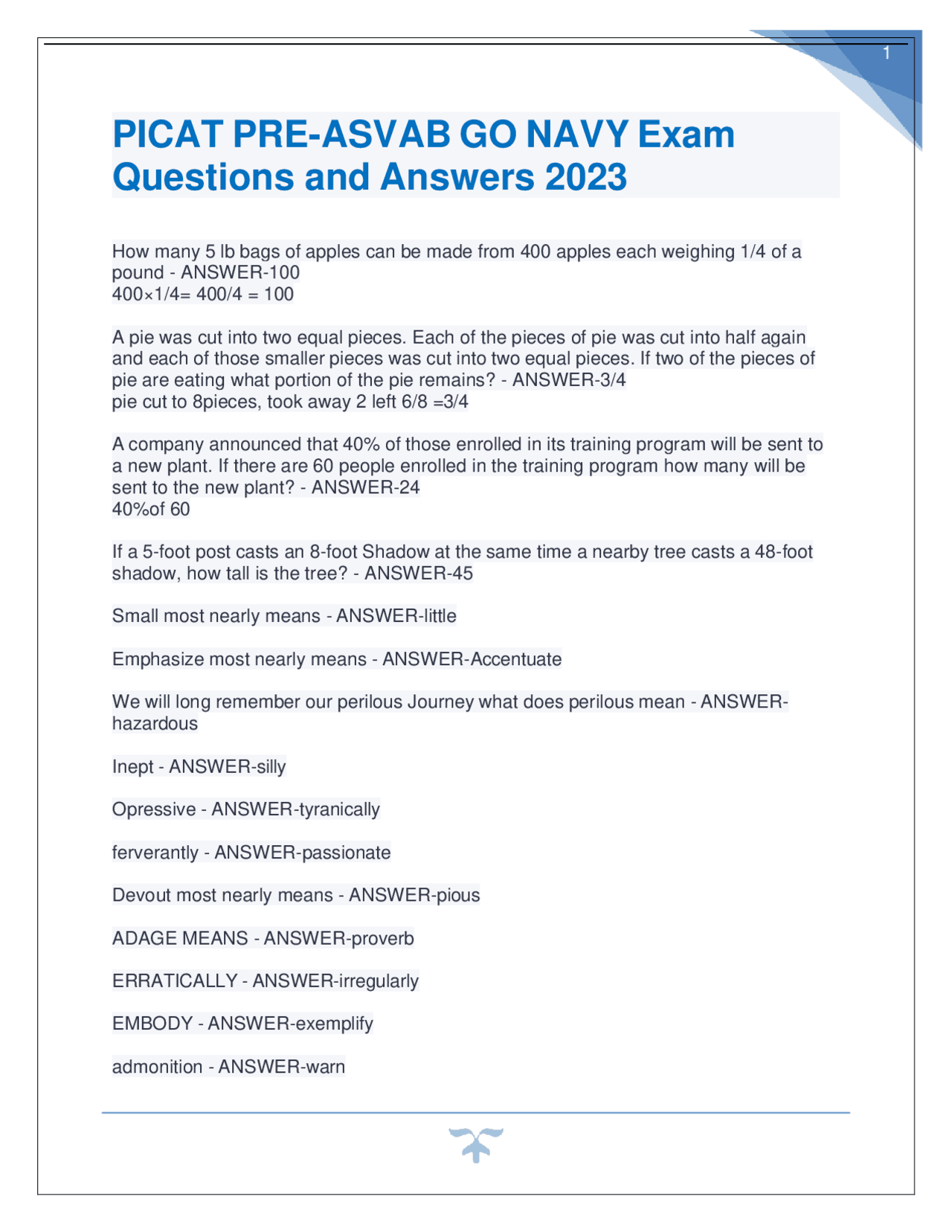
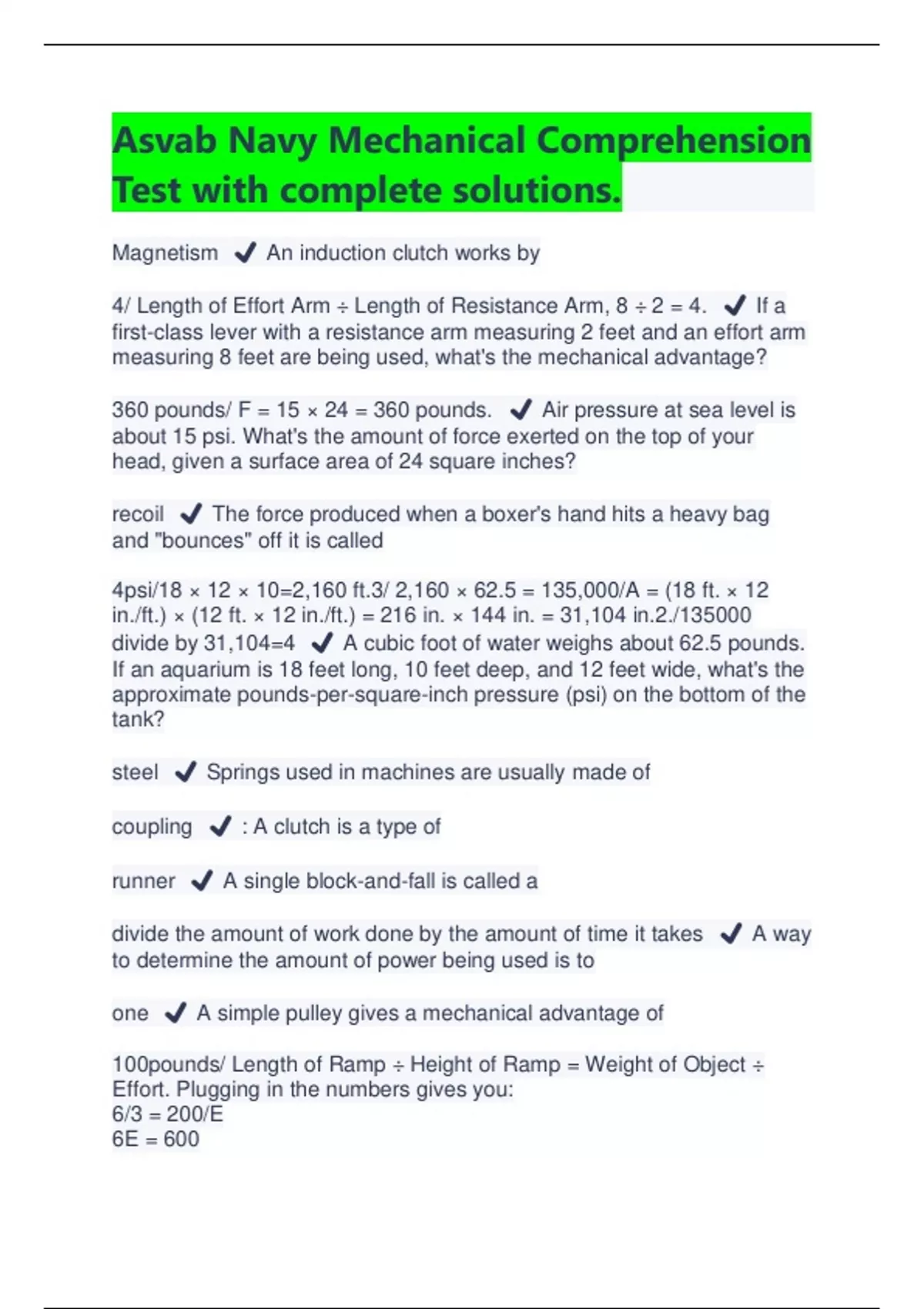
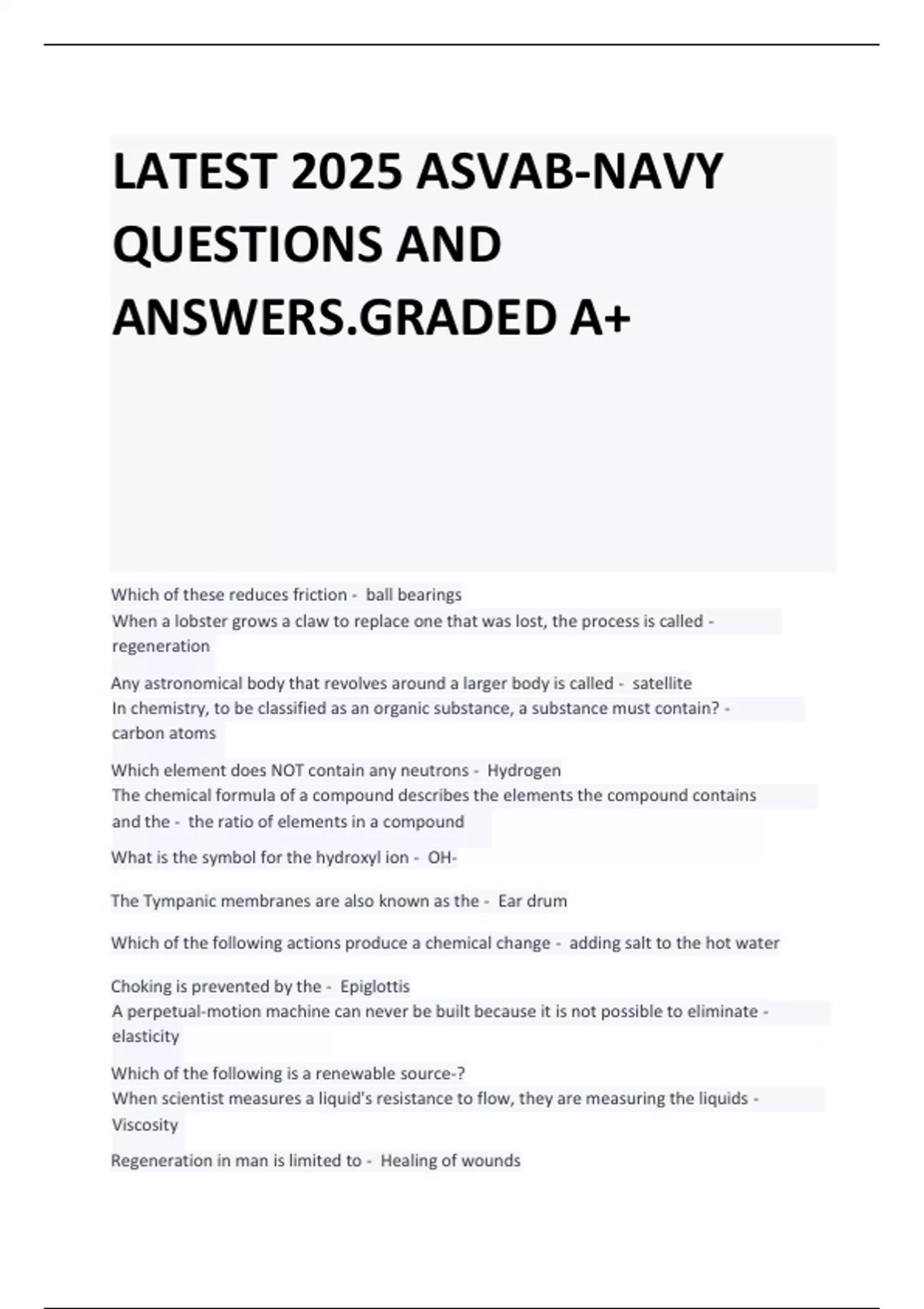
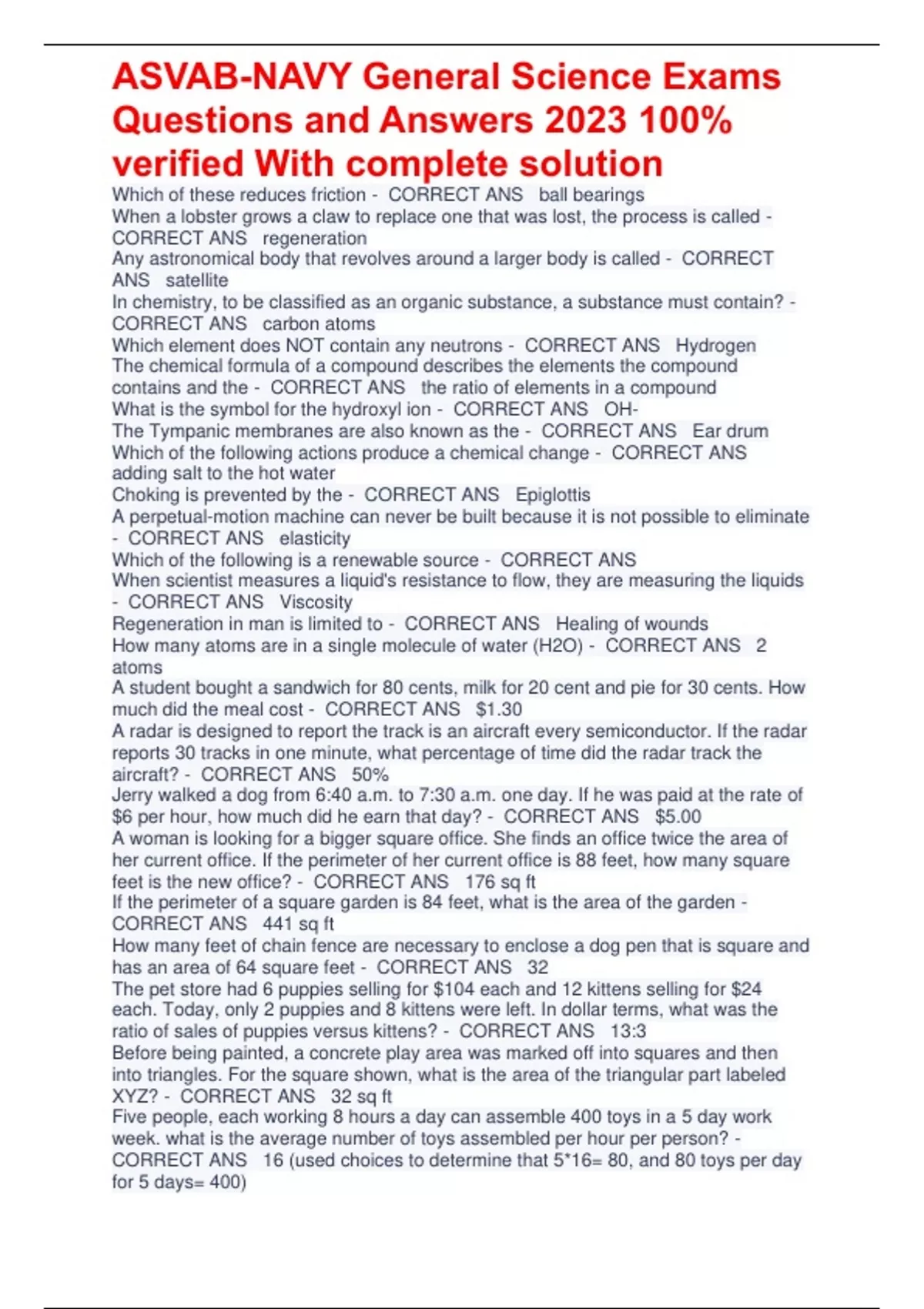
To join the U.S. Navy in 2026, applicants must achieve a minimum AFQT score of 31 for high school diploma holders or 50 for GED holders. Beyond basic enlistment, the Navy uses specific ASVAB line scores to determine eligibility for "ratings" (jobs), with recent policy changes now allowing some lower-scoring applicants to qualify through academic preparatory programs.
Understanding the ASVAB and AFQT Framework
The Armed Services Vocational Aptitude Battery (ASVAB) is more than a simple entrance exam; it is a multi-aptitude battery that measures developed abilities and helps predict future academic and occupational success in the military. For those eyeing a career in the Navy, the test serves two distinct purposes: determining if you can join (enlistment eligibility) and determining what you will do (job qualification).
The most discussed component of the ASVAB is the Armed Forces Qualification Test (AFQT) score. This is not a raw score of how many questions you answered correctly, but a percentile rank ranging from 1 to 99. For example, an AFQT score of 60 means you performed as well as or better than 60% of a nationally representative sample of young adults. The Navy uses this score as the primary gatekeeper for enlistment.
However, the Navy is unique in its technical requirements. While the AFQT determines if you are "Navy material," your performance in the ten individual subtests—such as General Science (GS), Electronics Information (EI), and Mechanical Comprehension (MC)—dictates whether you can become a Nuclear Machinist’s Mate or a Hospital Corpsman. In 2026, the Navy continues to refine how these scores are calculated to meet the demands of an increasingly technological fleet.
Minimum Score Requirements for Navy Enlistment
As of 2026, the Navy maintains specific minimum AFQT scores based on the applicant's educational tier. These tiers are defined by the Department of Defense to categorize the likelihood of an individual completing their first term of service.
- Tier 1 (High School Diploma): The minimum AFQT score required is 31. Most applicants fall into this category.
- Tier 2 (GED Holders): The minimum AFQT score required is 50. The Navy limits the number of GED holders accepted annually, making this a more competitive entry point.
- Tier 3 (No High School Diploma/GED): In a significant policy shift that carries into 2026, the Navy occasionally allows applicants without a formal credential to enlist if they score a 50 or higher on the AFQT. This is part of a broader effort to prioritize aptitude over traditional educational milestones in a tight recruiting market.
It is important to note that while a 31 is the minimum for Tier 1, scoring at this level significantly limits your job options. Most highly technical ratings require AFQT scores in the 60s, 70s, or higher, or very high specific line scores in math and science.
Recent Changes to Navy ASVAB Policies
The Navy has implemented several changes over the last few years to adapt to modern workforce challenges and the need for specialized technical talent. These changes are fully in effect for the 2026 fiscal year.
The Future Sailor Preparatory Course (FSPC)
Perhaps the most impactful change is the expansion of the Future Sailor Preparatory Course. This program is designed for applicants who have the desire to serve but fall slightly short of the minimum ASVAB requirements. Candidates who score between 21 and 30 on the AFQT may be eligible for the Academic Track. This track provides up to 90 days of intensive academic instruction at Recruit Training Command (RTC) Great Lakes. If the recruit successfully raises their score to the required enlistment standard, they move forward to basic training.
Inclusion of Category IV Applicants
The Navy has increased its ceiling for "Category IV" recruits—those scoring between 21 and 31 on the AFQT. While the Department of Defense traditionally limits these recruits to 4% of total accessions, the Navy has utilized waivers and specialized programs to bring in individuals who possess high "Line Scores" in specific areas, even if their overall AFQT is lower. This allows a recruit who might be poor at word knowledge but exceptional at mechanical systems to still find a place in the fleet.
The Cyber Test (ICTL) Requirement
For those interested in Information Warfare ratings, such as Cryptologic Technician (CT) or It (Information Systems Technician), the Navy now emphasizes the Information Communications Technology Literacy (ICTL) test. This is often administered alongside the ASVAB and measures specialized digital literacy and networking potential. Changes in 2026 have integrated these scores more deeply into the rating-determination formulas for cyber roles.
Decoding Navy Line Scores and Ratings
Once you pass the initial AFQT threshold, the Navy looks at your "Line Scores." These are combinations of the ten subtests that indicate your aptitude for specific career fields.
| Navy Rating (Job) | Required Line Score Formulas (Examples) | Primary Skills Measured |
|---|---|---|
| Hospital Corpsman (HM) | GS + MK + VE = 156 | Science, Math, Verbal |
| Information Systems Tech (IT) | AR + MK + EI + GS = 222 | Tech Aptitude, Math, Electronics |
| Nuclear Field (NUPOC) | VE + AR + MK + MC = 235 (approx.) | Advanced Math, Physics, Logic |
| Master-at-Arms (MA) | AR + WK = 100 | Arithmetic, Word Knowledge |
| Machinist's Mate (MM) | VE + AR + MK + AS = 210 | Mechanical, Math, Automotive |
| Aviation Boatswain's Mate (AB) | VE + AR + MK + AS = 185 | Spatial, Mechanical, Math |
Note: Line score requirements can fluctuate based on the Navy's current needs and are subject to change by the Navy Personnel Command.
For highly sought-after positions like the Navy Nuclear Power Program, the requirements are exceptionally stringent. Applicants usually need an AFQT above 80 and high scores specifically in the Arithmetic Reasoning and Mathematics Knowledge sections. If an applicant’s scores are borderline, they may be required to take the Navy Advanced Programs Test (NAPT) to further prove their proficiency in physics and chemistry.
The ASVAB Subtests Explained
To improve your score, you must understand what the test actually measures. The ASVAB consists of ten sections (on the CAT-ASVAB) or nine (on the P&P version):
- General Science (GS): Physical and biological sciences.
- Arithmetic Reasoning (AR): Solving math word problems.
- Word Knowledge (WK): Ability to select the correct meaning of words.
- Paragraph Comprehension (PC): Ability to obtain information from written passages.
- Mathematics Knowledge (MK): High school-level math principles.
- Electronics Information (EI): Electricity, radio principles, and electronics.
- Auto and Shop Information (AS): Automobile maintenance and tool usage.
- Mechanical Comprehension (MC): Principles of mechanical devices and structural physics.
- Assembling Objects (AO): Spatial awareness and the ability to visualize how objects fit together.
- Coding Speed (CS): (Note: Mainly used for specific clerical or operations roles).
The VE (Verbal Expression) score is a crucial metric derived from your Word Knowledge and Paragraph Comprehension scores. It is used in almost every Navy line score formula.
PiCAT vs. Traditional ASVAB
In 2026, the Navy continues to utilize the PiCAT (Pending Internet Computerized Adaptive Test). The PiCAT is an unproctored version of the full ASVAB that you can take at home.
The benefit of the PiCAT is that it is taken in a low-pressure environment without a time limit (though it is still timed for internal metrics). However, to "verify" your PiCAT score, you must go to a Military Entrance Processing Station (MEPS) or a MET site and take a short, 20-30 minute verification test. This test ensures that the person who took the test at home is the same person enlisting.
A small percentage of PiCAT testers are randomly selected to take the full proctored ASVAB regardless of their verification test performance. If you are serious about your Navy career, you should treat the PiCAT with the same rigor as the official exam, as it can be converted into your permanent record.
Preparation Strategies for 2026 Applicants
With the Navy's current focus on technical proficiency, "winging it" on the ASVAB is a risky strategy. High scores translate to larger enlistment bonuses—which in 2026 can reach up to $50,000 for certain critical ratings—and better quality of life in the fleet.
Focused Study Areas
- Master the VE: Since Verbal Expression (WK + PC) is weighted heavily in AFQT and Line Scores, reading non-fiction and practicing vocabulary is essential.
- Math without a Calculator: The ASVAB does not allow calculators. You must be proficient in long division, fractions, and basic algebra by hand.
- Technical Subtests: If you want a mechanical or electronic rating, do not ignore the AS and EI sections. Even a basic understanding of circuits or engine cycles can drastically increase your qualifying options.
Use Official Resources
The Official ASVAB Site provides sample questions and explains the testing format. Additionally, the Navy's recruiting portal often offers practice tests that mirror the CAT-ASVAB (Computerized Adaptive Testing) format, where the test adjusts its difficulty based on your previous answers.
Frequently Asked Questions
How long is my ASVAB score valid for the Navy?
ASVAB scores are valid for two years from the date of the test. If you take the test and do not enlist within that two-year window, you will be required to retake the exam. If you are already in the Navy and looking to change your rating (cross-rate), your original scores are usually kept on file, but you can retake the test to qualify for a more demanding job.
Can I retake the ASVAB if I am unhappy with my score?
Yes, but there are mandatory waiting periods. After your first attempt, you must wait one calendar month to retake the test. After the second attempt, another one-month wait is required. For any subsequent attempts, you must wait six months. Because of these long wait times, it is highly recommended to study thoroughly before your first attempt.
Does the Navy offer ASVAB waivers?
The Navy does offer "Line Score Waivers" on a case-by-case basis. If you score within a few points of the requirement for a specific job and have other qualifying factors (like related civilian experience or high grades in a relevant subject), your recruiter can submit a waiver request to the Navy Personnel Command. However, AFQT waivers below the minimum enlistment score (31) are much harder to obtain and usually require entry through the Future Sailor Preparatory Course.
What is the "NAPT" and do I have to take it?
The Navy Advanced Programs Test (NAPT) is a supplemental exam for the Nuclear Field. You only need to take it if your ASVAB scores do not automatically qualify you for the Nuclear program or if you are trying to qualify with a lower AFQT score. It focuses heavily on advanced physics and mathematics.
Does the Navy care about the "Coding Speed" section?
While Coding Speed was historically important for certain clerical roles, it is rarely a deciding factor for modern high-tech ratings. Your focus should remain on AR, MK, VE, and the technical science sections.
Final Recommendation for Prospective Sailors
The ASVAB is the single most important factor in your Navy career path. It dictates your job, your promotion potential, and your eligibility for enlistment bonuses. For 2026, the Navy is more flexible than ever with the Future Sailor Preparatory Course, but entering with a high score remains the best way to ensure you have the most options available.
If you are currently scoring in the 30s or 40s on practice tests, delay your trip to MEPS. Spend four to six weeks focusing on Arithmetic Reasoning and Verbal Expression. Raising your score by 10 or 15 points can be the difference between a job you merely tolerate and a career that provides valuable civilian-transferable skills in nuclear engineering, cyber security, or medicine.