An asylum seeker in Germany is an individual who has requested protection from persecution or serious harm in their home country and is awaiting a formal decision from the Federal Office for Migration and Refugees (BAMF). This legal process involves registration, a personal interview, and a detailed assessment of eligibility for refugee status, subsidiary protection, or a deportation ban.
In 2026, the German asylum system remains a cornerstone of the nation’s humanitarian commitment and legal framework. Managed primarily by the Federal Office for Migration and Refugees (BAMF), the procedure is designed to balance the individual right to protection with the state's need for security and administrative order. For those entering Germany to seek safety, understanding the specific legal hurdles, rights, and obligations is essential to navigating a complex bureaucracy. This guide provides a detailed breakdown of the phases of the asylum process, the legal categories of protection, and the practical realities of living in Germany during the determination period.
The Immediate Steps: Arrival and Registration
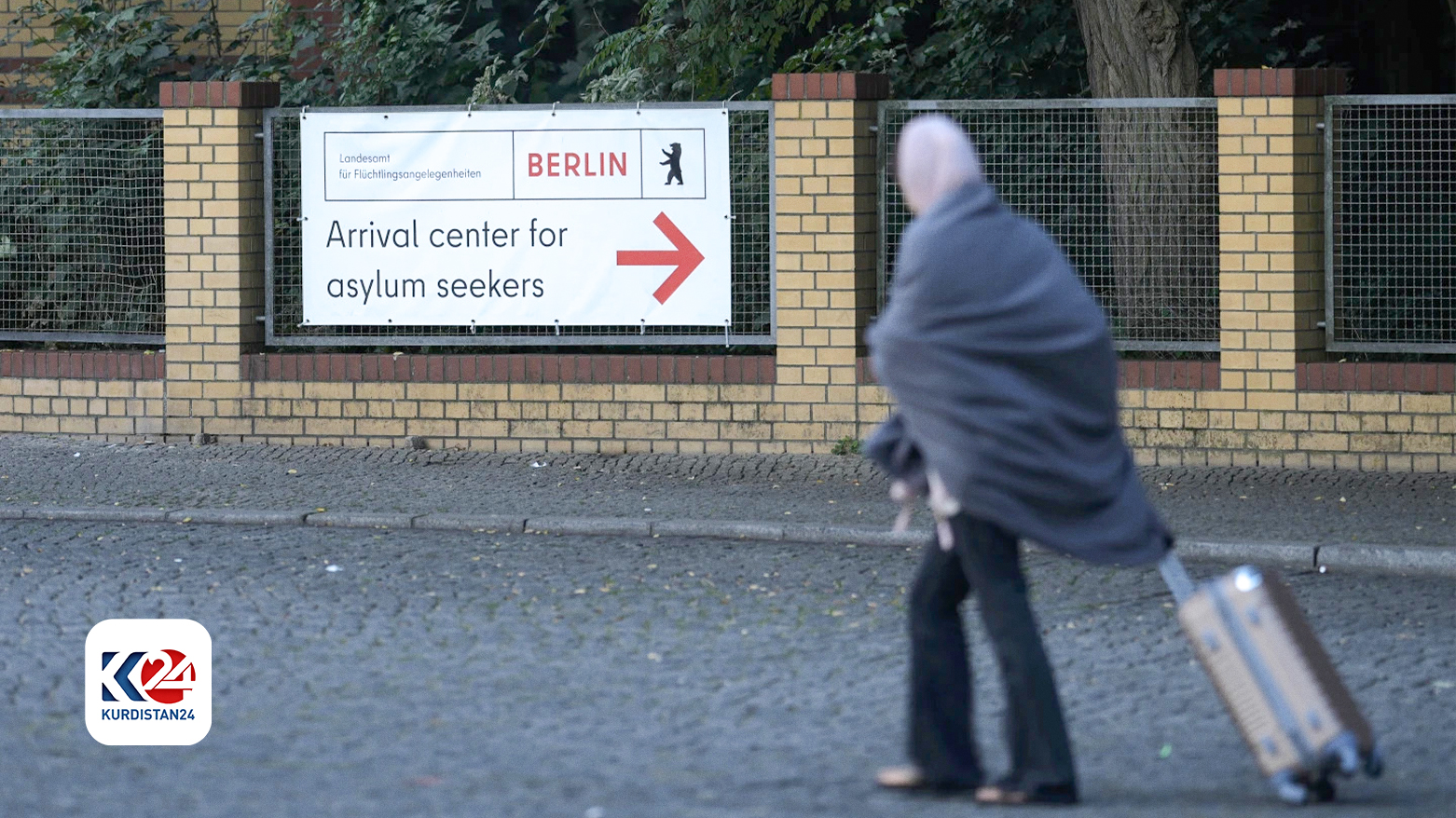
The journey of an asylum seeker begins the moment they arrive in Germany or express their intent to seek asylum to a government authority. This initial phase is critical, as it establishes the person's legal presence and triggers the formal protection mechanisms of the state.
Initial Contact and the Arrival Certificate
Asylum seekers can report their intent at the border, to the police, or directly at an Initial Reception Center (Erstaufnahmeeinrichtung). Upon arrival, the individual is registered in the "Personalization Infrastructure Component" (PIK) system. This involves recording personal data, taking fingerprints, and capturing a photograph to ensure there is no double registration across the European Union, in accordance with the Eurodac regulations.
Once registered, the asylum seeker receives an Ankunftsnachweis (Arrival Certificate). This document is the first official proof that they are allowed to reside in Germany while their case is processed. It is not a residence permit, but it grants access to basic social benefits, medical care, and housing.
Distribution via the EASY System
Germany uses a specialized software system known as EASY (Erstverteilung von Asylbegehrenden) to distribute asylum seekers across the various federal states (Länder). This distribution is based on the Königstein Key, a formula that calculates each state’s capacity based on tax revenue and population size.
While individuals may have a preference for a specific city, they generally have no legal right to choose where they are housed during the initial phase. This mandatory residency, known as the Wohnsitzauflage, ensures that no single region is overwhelmed and that administrative resources are used efficiently. If an asylum seeker has immediate family members (spouse or minor children) already residing in a specific area, authorities may grant an exception to the distribution rules to maintain family unity.
The Formal Asylum Application and the Dublin Procedure
After initial registration and relocation to an assigned reception center, the formal application process begins. This is handled by the BAMF, the central authority responsible for deciding on asylum claims.
Filing the Application
The formal application is usually made in person at a branch office of the BAMF. During this appointment, an interpreter is provided to ensure the applicant understands the legal nuances of the procedure. The applicant is asked about their personal history, their route to Germany, and the reasons they cannot return to their country of origin.
The Dublin III Regulation Assessment
A critical component of the early application phase is the determination of which European country is responsible for the asylum claim. Under the Dublin III Regulation, the first EU member state where an asylum seeker was fingerprinted or previously applied for asylum is typically responsible for the procedure.
The BAMF checks the Eurodac database for hits. If it is found that another member state is responsible, Germany will file a "take charge" or "take back" request with that country. If the request is accepted, the asylum seeker may be transferred to that state. In 2026, these procedures are highly digitized, though legal challenges to Dublin transfers remain common, often citing systemic deficiencies in the receiving country's asylum system or specific humanitarian hardships.
The Personal Interview: The Core of the Procedure
The personal interview (Anhörung) is the most significant event for any asylum seeker in Germany. It is the primary opportunity for the applicant to explain their individual reasons for seeking protection.
Preparation and Evidence
Applicants are encouraged to prepare thoroughly for this interview. While oral testimony is the primary form of evidence, any supporting documentation—such as political membership cards, medical records indicating torture, or proof of past persecution—should be submitted. The BAMF uses "country of origin information" (COI) to verify the general situation in the applicant's home country, but the interview focuses on the applicant's specific, personal experiences.
The Role of the Decision-Maker and Interpreter
The interview is conducted by a BAMF official (Einzelentscheider) and an interpreter. The official asks detailed questions about the journey, the specific threats faced, and the reasons for fearing return. It is vital that the applicant remains consistent and truthful; discrepancies in the narrative can lead to the claim being rejected on the grounds of "lack of credibility."
A written transcript of the interview is produced. At the end of the session, the transcript is translated back to the applicant, who must confirm its accuracy. This document forms the basis for the final decision, making it the most important legal record in the asylum file.
Categories of Protection in Germany
Not every successful asylum application results in the same legal status. German law, influenced by the Geneva Refugee Convention and EU directives, recognizes four primary types of protection.
| Protection Status | Legal Basis | Duration of Permit | Rights and Benefits |
|---|---|---|---|
| Right of Asylum | Art. 16a Basic Law (GG) | 3 Years (Initial) | Full access to labor market, social benefits, right to family reunification. |
| Refugee Protection | § 3 Asylum Act (AsylG) | 3 Years (Initial) | Same as above; granted for persecution based on race, religion, nationality, or political opinion. |
| Subsidiary Protection | § 4 Asylum Act (AsylG) | 1 Year (Initial) | For those facing serious harm (war, death penalty) but not personal persecution. Restricted family reunification. |
| Deportation Ban | § 60 (5) or (7) AufenthG | At least 1 Year | Granted if return poses a significant danger (e.g., severe illness without treatment). |
Refugee Status vs. Subsidiary Protection
Refugee status is granted to those who can prove a "well-founded fear of persecution" based on specific characteristics. Subsidiary protection is a step below; it applies to individuals who do not qualify as refugees but would face "serious harm" in their home country, such as being caught in an indiscriminate armed conflict. The distinction is significant because subsidiary protection holders often face more hurdles regarding family reunification and the timeline for obtaining permanent residency.
Life as an Asylum seeker: Rights and Obligations
While the BAMF processes the application—which can take several months or even years—the asylum seeker lives under a specific legal status known as Aufenthaltsgestattung (Temporary Permission to Stay).
Housing and Social Benefits
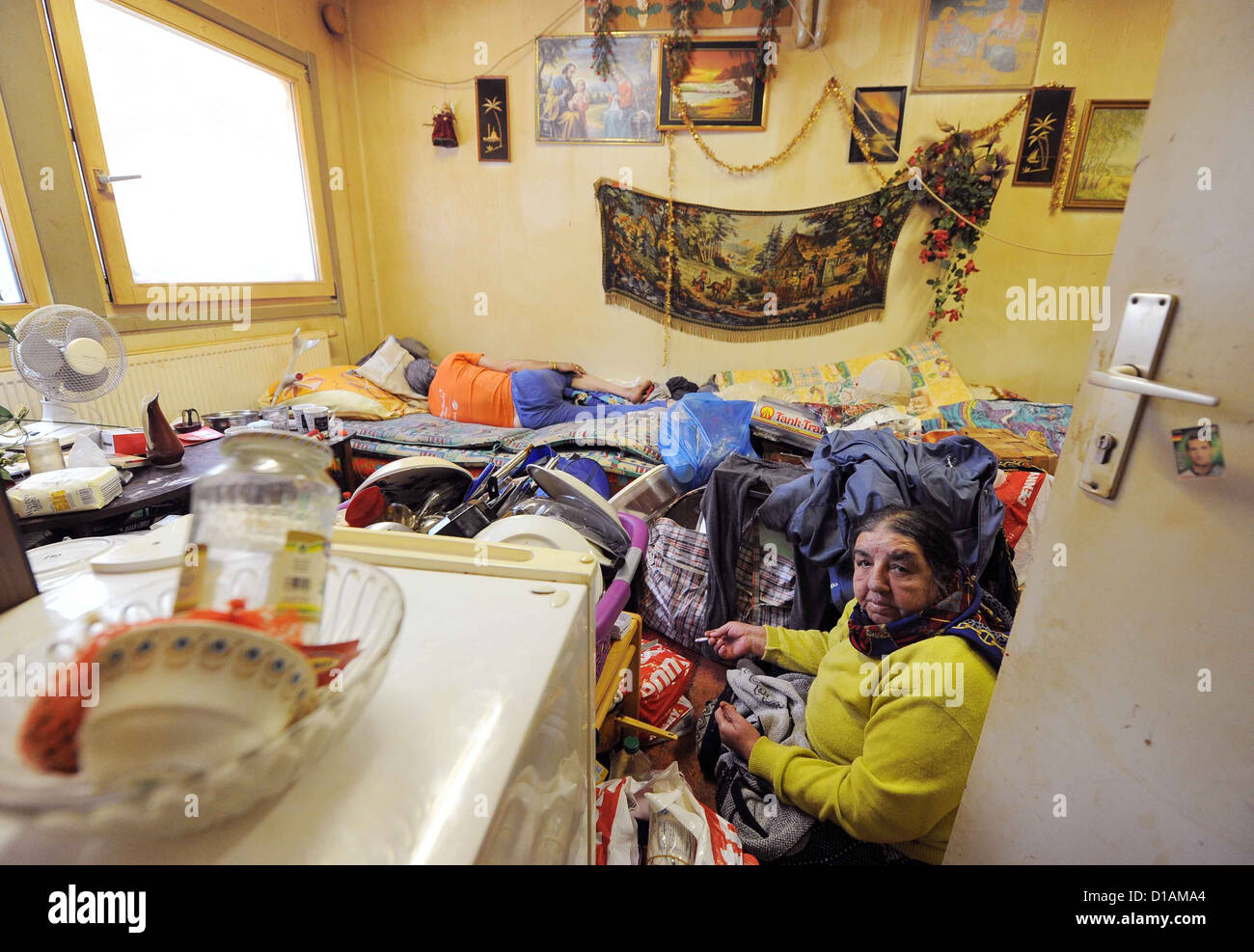
Initially, asylum seekers live in communal reception centers. After a certain period (usually 6 to 18 months), they may be moved to decentralized housing or apartments, depending on local availability and state-specific regulations.
Financial support is governed by the Asylum Seekers Benefits Act (Asylbewerberleistungsgesetz). In 2026, many regions have transitioned to using "payment cards" (Bezahlkarten) instead of cash transfers to manage these benefits. These cards allow for the purchase of food and daily necessities while limiting the ability to transfer funds abroad.
Access to the Labor Market
Asylum seekers are generally prohibited from working for the first three months of their stay. After this period, they can apply for a work permit from the Foreigners’ Authority (Ausländerbehörde). However, for those still living in initial reception centers, the wait can be up to six months. In 2026, the German government has streamlined many of these processes to address labor shortages, though the "priority check" (Vorrangprüfung)—where authorities check if a German or EU citizen can fill the job—may still be applied in certain regions.
Education and Health Care
Children of asylum seekers have the right and the obligation to attend school once they are assigned to a permanent municipality. Health care for asylum seekers is initially restricted to emergency services, acute pain management, and pregnancy-related care. After 18 months of residence, they typically receive a standard health insurance card with coverage levels similar to those of German citizens.
The Decision and Legal Remedies
Once the BAMF reaches a decision, it is delivered in writing. This document includes a detailed justification for the approval or rejection of the claim.
Positive Decisions
If protection is granted, the individual receives a residence permit (Aufenthaltstitel) and can begin the integration process in earnest. This includes mandatory Integration Courses, which consist of 600 hours of German language instruction and 100 hours of civic orientation.
Rejections and Appeals
If the application is rejected, the BAMF will issue a notice to leave the country (Abschiebeandrohung). However, the applicant has the right to appeal this decision in an Administrative Court (Verwaltungsgericht).
- Plain Rejection: The applicant usually has two weeks to file an appeal.
- Manifestly Unfounded Rejection: If the claim is deemed clearly false or abusive, the appeal deadline is shortened to one week, and the applicant must also file an emergency petition to stop deportation.
Legal representation is highly recommended during the appeal stage. Many NGOs and legal aid organizations in Germany provide counseling to help asylum seekers understand their chances of success in court.
Common Challenges and Obstacles
The path to protection is rarely straightforward. Several factors can complicate an asylum seeker's journey in Germany:
- Identity Documents: Many seekers arrive without passports. While the BAMF can use language analysis and other methods to determine origin, a lack of documentation can delay the process or lead to a "Duldung" (Tolerated Stay) status rather than full protection.
- Language Barriers: Although interpreters are provided for official interviews, day-to-day navigation of German bureaucracy requires a high level of linguistic skill that many are still developing.
- Mental Health: Many asylum seekers suffer from PTSD due to experiences in their home countries or during the flight. While specialized centers exist, the demand for psychological services often exceeds the supply.
FAQ: Frequently Asked Questions
Can an asylum seeker choose which city to live in?
Generally, no. Under the EASY distribution system and the Wohnsitzauflage, asylum seekers are assigned to a specific state and municipality. This is done to ensure a balanced distribution of costs and administrative duties across Germany. Moving to another city is typically only permitted for employment, vocational training, or to join immediate family members.
How long does the asylum procedure take in 2026?
The duration varies significantly based on the applicant's country of origin and the complexity of the case. While the BAMF aims to process "clear-cut" cases within three to six months, complicated cases or those requiring extensive background checks can take over a year. If an appeal is filed in court, the process can extend by several more years.
Is an asylum seeker allowed to work immediately?
No. There is a general work ban for the first three months. After that, permission can be requested from the Ausländerbehörde. The likelihood of approval depends on the individual's current housing status and whether they are from a "safe country of origin."
What is "Duldung" and is it the same as asylum?
No, Duldung (Tolerated Stay) is not a residence permit. It is a temporary suspension of deportation for individuals whose asylum claims were rejected but who cannot be deported for practical or legal reasons (e.g., lack of travel documents or serious illness). It is a precarious status that must be renewed frequently.
Can asylum seekers bring their families to Germany?
Family reunification is generally only available to those granted Refugee Status or Asylum. Individuals with Subsidiary Protection face stricter quotas and longer waiting periods. Those with a deportation ban or a Duldung generally do not have the right to bring family members.
Next Actions for Asylum Seekers
Individuals currently in the process or planning to seek asylum should prioritize gathering all personal identification and evidence of persecution. It is highly recommended to contact a local Refugee Council (Flüchtlingsrat) or an accredited legal counseling service immediately upon arrival. These organizations provide independent advice that is essential for preparing for the BAMF interview and understanding the nuances of the German legal system.