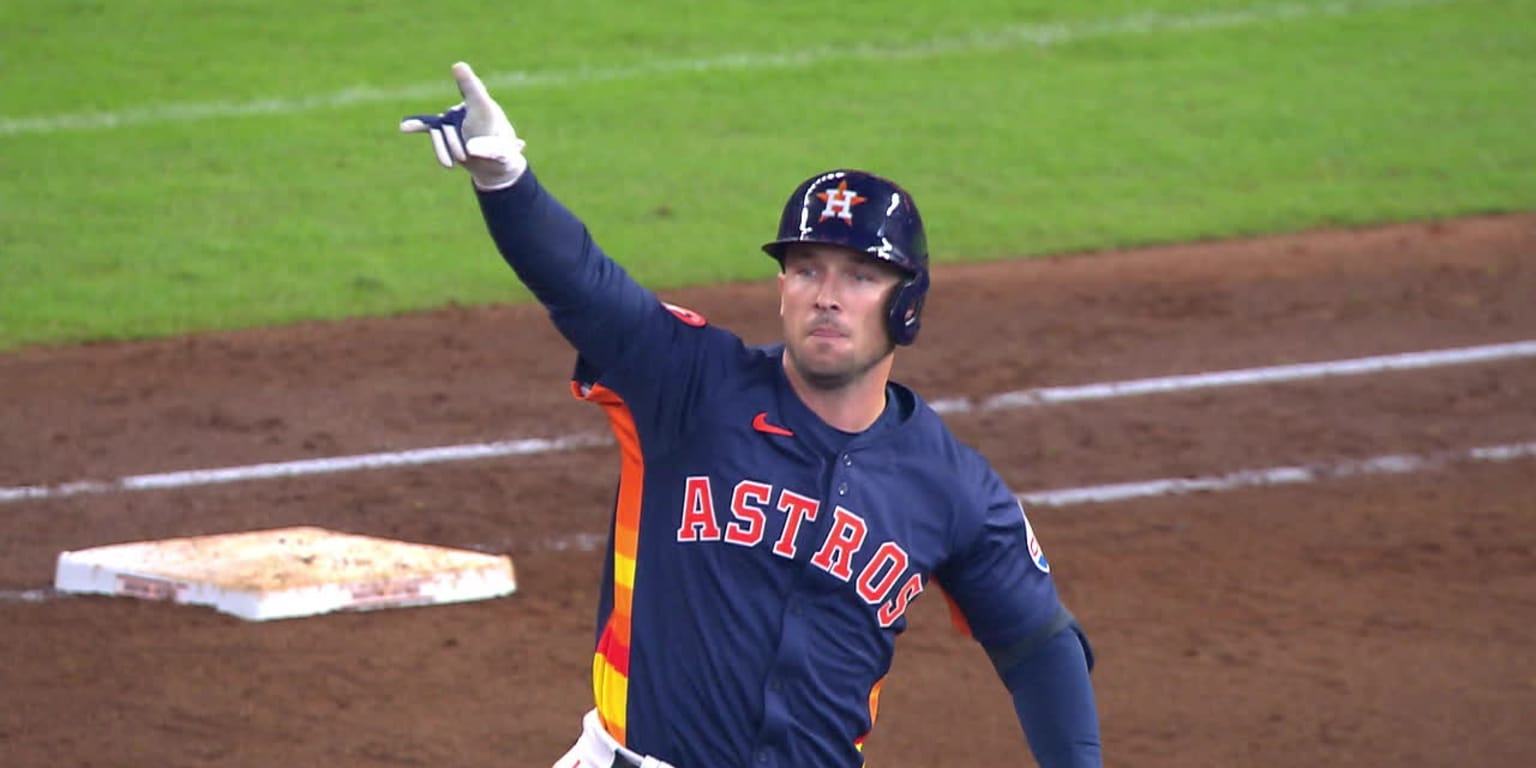
Astros commentators shape the game by acting as the primary narrative bridge between the diamond and the fan base, blending historical context, advanced statistical analysis, and emotional resonance. Through the legacy of Hall of Famers like Milo Hamilton and the modern synergy of Todd Kalas and Geoff Blum, these broadcasters define the Houston Astros' identity, transforming raw athletic performance into a cohesive, multi-generational story.
The Architect of the Narrative: Why Broadcasting Matters in Baseball
In the game of baseball, more than any other major sport, the commentator is an essential component of the product. With 162 games a year, fans spend hundreds of hours with the voices of their team. In Houston, this relationship has been particularly vital. The broadcasters do not merely describe the action; they frame the stakes, humanize the players, and provide the educational framework necessary to understand the complexities of modern "Astros-ball"—a style defined by data-driven decision-making and high-leverage performance.
By 2026, the role of the commentator has evolved from a simple play-by-play reporter to a multi-platform brand ambassador. Whether it is through the regional Space City Home Network or the radio waves of 790 KBME, the "Astros voice" is a constant. These professionals shape the game by dictating which storylines become the focus of the city's conversation. When a young pitcher debuts, it is the commentator who sets the expectation. When a veteran faces a slump, it is the commentator who provides the context of their mechanical adjustments. This influence over fan sentiment is a powerful tool in sports marketing and community building.
The Pillars of Houston Broadcasting: From Elston to Hamilton
To understand how current commentators shape the game, one must look at the foundation laid by their predecessors. The Houston franchise, starting as the Colt .45s in 1962, established a high standard for broadcasting early on.
The Precision of Gene Elston
Gene Elston, the recipient of the 2006 Ford C. Frick Award, was the voice of the team for its first 24 seasons. Elston’s philosophy was rooted in "letting the game breathe." He believed the crowd noise and the natural sounds of the stadium were as much a part of the broadcast as his own voice. This shaped the game for early Houston fans by emphasizing the purity of the sport over hyperbole. His "matter-of-fact" delivery ensured that the focus remained on the field, teaching a nascent fan base the intricacies of the National League game.
The Showmanship of Milo Hamilton
When Milo Hamilton arrived, the tone of Astros baseball changed. Hamilton brought a sense of "big-game" energy to every broadcast. His iconic "Holy Toledo!" catchphrase and his legendary call of Mike Scott’s no-hitter to clinch the division in 1986 are etched into the city's DNA. Hamilton shaped the game by making it feel like an event. He understood that in a city as large and diverse as Houston, the broadcast needed to be more than informative—it needed to be entertaining. His ability to build tension during a late-inning rally helped cultivate a more passionate, emotionally invested fan base that persisted even through the team's leaner years.
The Modern Era: Synergy and Technical Depth on TV
In 2026, the Houston Astros' television booth is characterized by a unique blend of "old-school" storytelling and "new-school" technical analysis. The pairing of Todd Kalas and Geoff Blum has become one of the most respected duos in Major League Baseball.
Todd Kalas: The Legacy Professional
Todd Kalas, the son of the legendary Harry Kalas, brought a specific lineage to Houston. His style is defined by meticulous preparation and a deep respect for the rhythm of the game. Kalas shapes the game by providing a stable, professional anchor. In an era where digital distractions are constant, Kalas’s ability to weave statistical updates from Statcast seamlessly into his play-by-play keeps the modern viewer engaged. He ensures that the "why" behind a play is always addressed, whether it’s a shift in defensive positioning or a specific pitching sequence.
Geoff Blum: The Player’s Perspective
Geoff "Blummer" Blum provides the "how." As a former player who hit one of the most famous home runs in franchise history (during the 2005 World Series), Blum offers an internal look at the clubhouse culture. He shapes the game by demystifying the professional athlete’s experience. When a hitter takes a specific approach against a high-velocity reliever, Blum explains the mental chess match. His chemistry with Kalas is not just about entertainment; it’s about making the technical aspects of the "Golden Era" Astros accessible to the average fan.
The Radio Connection: Robert Ford and Steve Sparks
Radio remains a cornerstone of the Houston sports experience, particularly given the city's notorious traffic patterns. Robert Ford and Steve Sparks have occupied the radio booth for over a decade, creating a broadcast that is as much about companionship as it is about baseball.
Descriptive Mastery
Robert Ford’s play-by-play is a masterclass in spatial description. Because radio listeners cannot see the field, Ford’s ability to describe the trajectory of a fly ball or the specific movement of a slider is what shapes the visual representation of the game in the listener's mind. His precision ensures that the "theater of the mind" is accurate, preventing the confusion that often plagues lesser radio broadcasts.
The "Sparksisms" and Color Analysis
Steve Sparks, a former knuckleballer, brings a levity and technical quirkiness to the booth. His "Sparksisms" and humorous anecdotes provide the "color" that makes a long August road trip bearable for fans. However, beneath the humor is a sophisticated understanding of pitching mechanics. Sparks shapes the game by educating fans on the "dark arts" of pitching—explaining how a pitcher’s grip or arm slot affects the outcome of a game. This educational component has created a highly sophisticated fan base in Houston that appreciates the nuances of the "pitching factory" the Astros have built.
Bridging the Gap: The Role of Julia Morales
The role of the sideline reporter has been revolutionized in Houston by Julia Morales. Often the first person to speak to a player after a walk-off hit or a milestone achievement, Morales is the vital link between the field and the broadcast booth.
Morales shapes the game by humanizing the roster. Through her "Astros Bases Loaded" segments and in-game interviews, she provides the personal narratives that make fans care about the players as individuals. In 2026, her role has expanded to include more digital-first content, bridging the gap between the traditional broadcast and the younger, social-media-focused audience. By capturing the personalities of the players, she ensures that the "brand" of the Houston Astros is one of accessibility and charisma, which is essential for maintaining fan loyalty during the inevitable ups and downs of a season.
Technological Integration and the 2026 Broadcast Landscape
By 2026, the medium through which commentators shape the game has shifted. The transition to Space City Home Network has allowed for a more integrated viewing experience.
- Real-Time Data Overlays: Commentators now interact with augmented reality (AR) overlays that show exit velocity, catch probability, and pitch tunnels in real-time.
- Interactive Fan Engagement: Broadcasters often answer social media questions or interact with live polls during the game, making the broadcast a two-way conversation.
- 4K and HDR Standards: The visual fidelity of the broadcast, managed by the production team in tandem with the commentators' cues, creates a "theatrical" experience for home viewers.
| Feature | Impact on Game Perception | Primary Voice Responsible |
|---|---|---|
| Historical Context | Connects current success to franchise legacy. | Todd Kalas / Robert Ford |
| Technical Analysis | Explains the "data-driven" approach of the front office. | Geoff Blum / Steve Sparks |
| Emotional Connection | Builds empathy for players through storytelling. | Julia Morales |
| Excitement/Tone | Signals the magnitude of high-leverage moments. | Play-by-Play Leads |
How Commentators Handle Crisis and Controversy
The impact of a commentator is perhaps most visible during difficult times. The Houston Astros have faced significant scrutiny over the years, most notably regarding the 2017 sign-stealing scandal and the subsequent years of being the "villains" of baseball.
During these periods, the commentators shaped the game by striking a delicate balance. They had to acknowledge the reality of the situation without alienating their home audience or becoming mere "homers." By focusing on the resilience of the players and the continued excellence of the farm system, the broadcasters helped the fan base navigate a period of intense national criticism. They provided a space where Houston fans could still feel pride in their team’s on-field accomplishments while understanding the broader context of the league's evolving rules. This "narrative shielding" is a critical, though often overlooked, function of regional sports broadcasting.
The Educational Impact: Creating an Informed Fan Base
The Houston Astros are widely known as an organization that prizes "Process over Results." The commentators are the ones who explain this process to the public. If a manager makes a move that seems counter-intuitive—such as pulling a pitcher who is throwing a shutout—it is the job of Blum or Sparks to explain the "third time through the order" analytics that drove the decision.
This constant education shapes the game by reducing fan frustration. When fans understand the logic behind a strategy, they are more likely to stay engaged even when a specific move doesn't work out. This has led to the Houston market being one of the most analytically literate in the country. The commentators don't just call the game; they teach the game, ensuring that the "Astros Way" is understood and supported by the community.
FAQs
Who are the current primary TV commentators for the Astros in 2026?
Todd Kalas serves as the primary play-by-play announcer, with Geoff Blum providing color analysis. Julia Morales continues her role as the primary field reporter and host for pre- and post-game coverage on the Space City Home Network.
How did the transition to Space City Home Network change the broadcast?
The transition, which solidified in late 2023 and matured by 2026, integrated more proprietary team data into the broadcast. It allowed for a more "in-house" feel where the commentators have better access to team personnel and behind-the-scenes footage, creating a more comprehensive narrative of the organization.
Why is the radio broadcast so significant for the Astros?
Given Houston's geographic spread and traffic, the radio broadcast (Robert Ford and Steve Sparks) serves a massive "commuter" audience. The radio team is known for a more informal, conversational style that helps bridge the 162-game season's length through humor and deep-dive technical discussions.
What is the "Ford C. Frick Award" mentioned in relation to Astros broadcasters?
The Ford C. Frick Award is presented annually by the National Baseball Hall of Fame for "major contributions to baseball." Both Gene Elston (2006) and Milo Hamilton (1992) received this honor, cementing the Astros' broadcasting history as one of the most prestigious in the league.
How do commentators integrate Statcast and Sabermetrics into their calls?
Modern commentators use a digital dashboard provided by MLB and the Astros' analytics department. They interpret data such as "Expected Weighted On-Base Average" (xwOBA) or "Whiff Rate" in real-time to explain why a specific matchup favors the Astros, making complex math digestible for the viewer.
Can I listen to Astros commentators in Spanish?
Yes. The Astros have a dedicated Spanish-language broadcast team, traditionally led by Francisco Romero and Alex Treviño. They provide the same level of depth and narrative shaping for the significant Hispanic fan base in Houston and internationally.
Final Recommendation: Engaging with the Broadcast
To fully appreciate how Astros commentators shape the game, fans should experiment with different ways of "consuming" the broadcast. On a weeknight, try syncing the radio audio of Robert Ford and Steve Sparks with the television feed to experience the descriptive mastery of radio combined with high-definition visuals. Pay close attention to how Geoff Blum predicts a pitcher’s next move based on previous counts—it is in these moments of expert foresight that the broadcast truly enhances the viewer's understanding of the sport. By 2026, the broadcast is no longer just a supplement to the game; it is an interactive educational tool that defines the modern baseball experience in Houston.