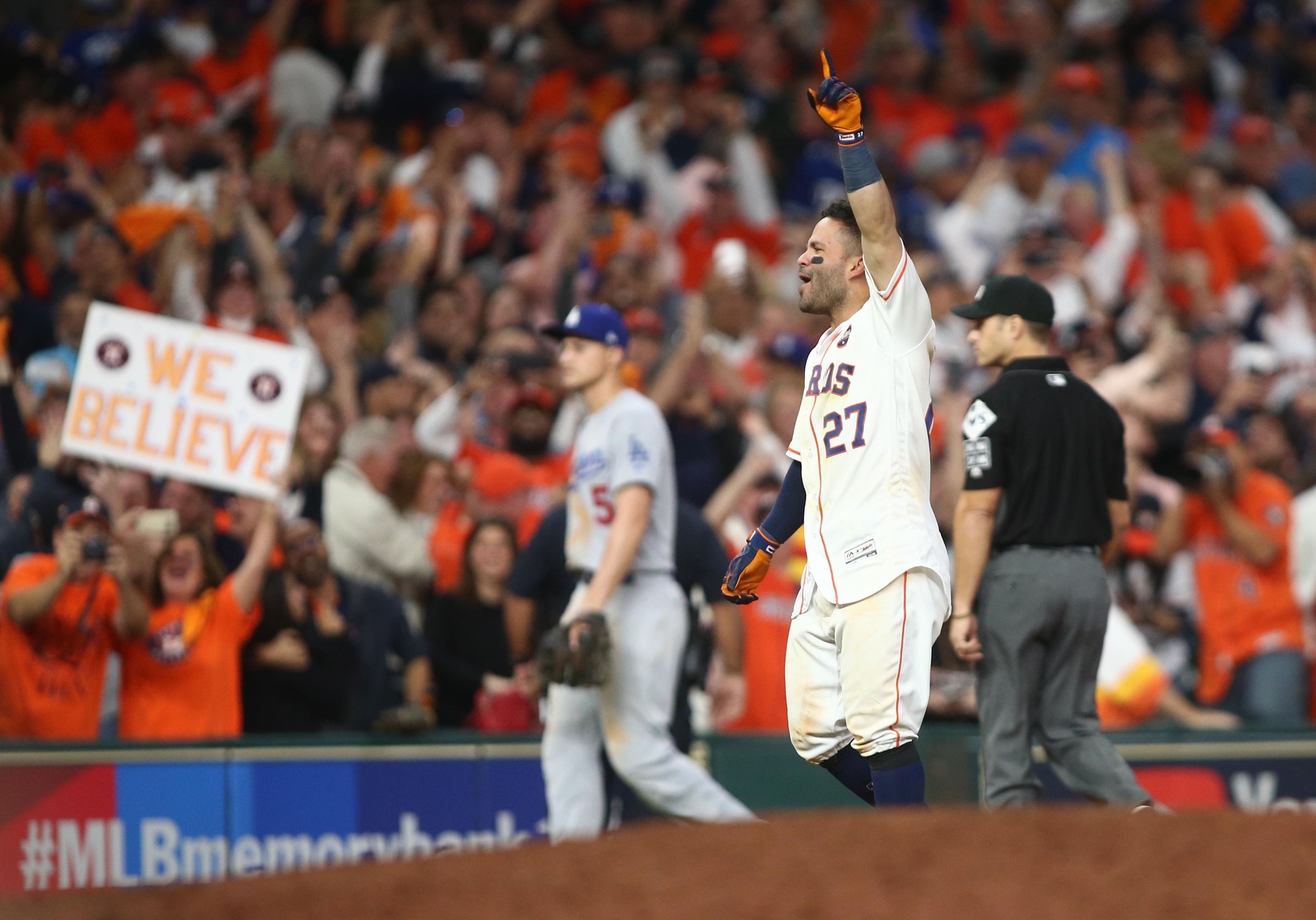
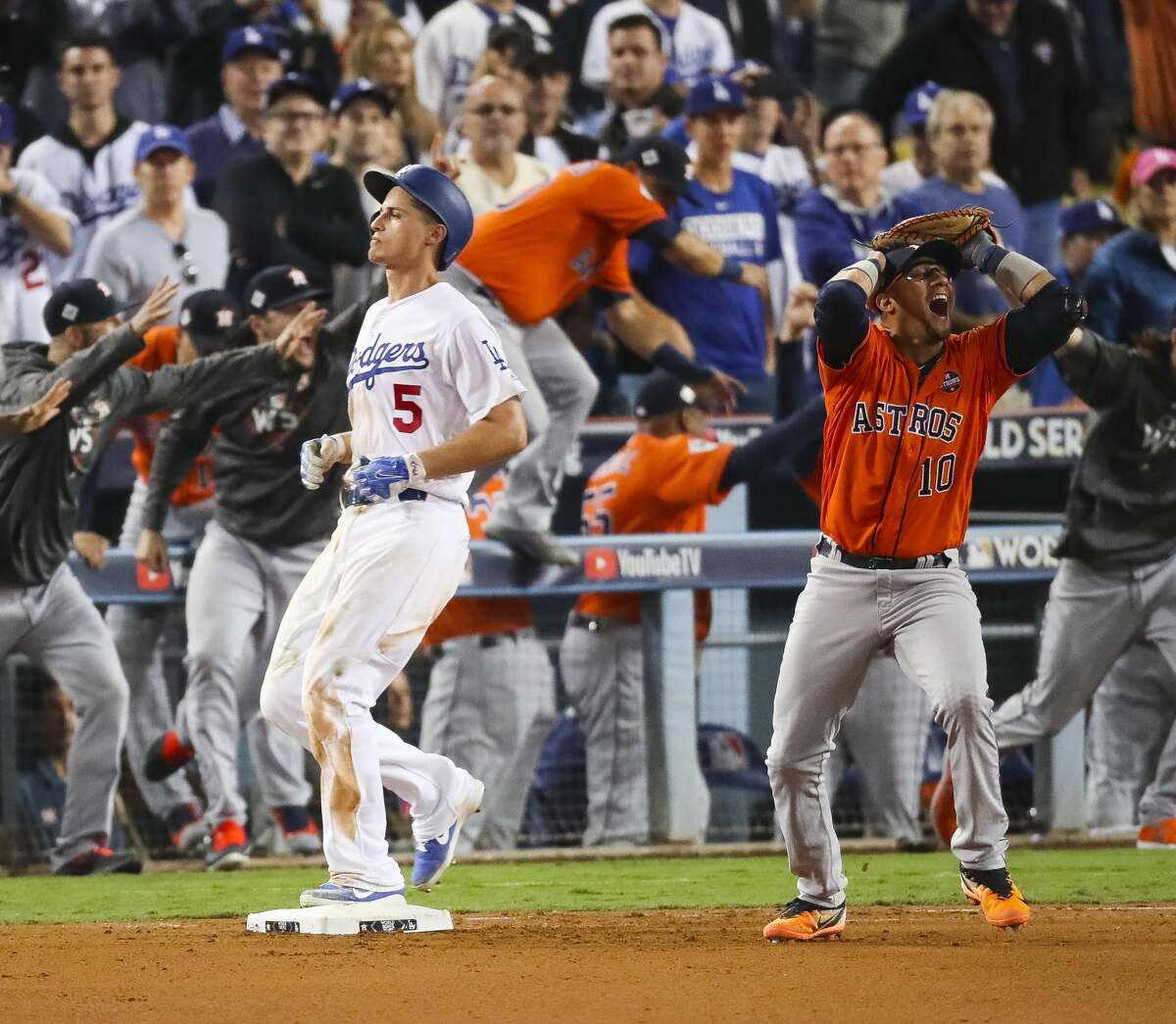
Game Five of the 2017 World Series between the Houston Astros and the Los Angeles Dodgers stands as one of the most wild, unpredictable, and fiercely contested postseason games in Major League Baseball history. Played at Minute Maid Park in Houston, this unforgettable matchup featured massive offensive swings, erratic pitching performances, and a dramatic finish that completely shifted the momentum of the Fall Classic.
Historical Context and Series Standing Heading Into Game Five
When the Houston Astros and the Los Angeles Dodgers took the field on October 29, 2017, the World Series was tied at two games apiece. The opening four games of the series had already provided high-stakes drama, highlighted by gritty pitching duels, late-game home runs, and contrasting tactical approaches from managers A.H. Hinch and Dave Roberts.
The Dodgers entered the series with the best record in the National League, boasting a dominant pitching staff and a deep, relentless lineup. Meanwhile, the Astros carried the explosive offensive firepower of the American League, driven by the heart of their order and a passionate home crowd at Minute Maid Park. With the series deadlocked at 2–2, Game Five carried the classic "swing game" weight. Historically, the winner of Game Five in a 2–2 tied best-of-seven postseason series goes on to win the series roughly 70% of the time, amplifying the urgency for both franchises.
The Pitching Matchup: Clayton Kershaw vs. Dallas Keuchel
The pitching matchup for Game Five was a marquee duel featuring two of the era's premier left-handers: Clayton Kershaw for the Dodgers and Dallas Keuchel for the Astros. Both pitchers had experienced varying degrees of success earlier in the postseason, but neither could find their dominant form in the hitter-friendly environment of Houston.
Clayton Kershaw's Outing
Clayton Kershaw entered the game with a reputation for struggling at times in October, despite his regular-season brilliance. Initially, Kershaw appeared sharp, using his signature curveball and pinpoint fastball location to stymie the Astros' hitters through the early frames. However, the resilient Houston lineup adjusted as the game progressed, wearing down the ace and exposing tiny flaws in his command.
Dallas Keuchel's Struggles
Dallas Keuchel, the former Cy Young Award winner known for his heavy sinker and elite ground-ball rate, similarly struggled to tame the Dodgers' disciplined approach. Los Angeles hitters worked deep counts, forced Keuchel out of the strike zone, and capitalized on mistakes over the plate. Neither starting pitcher managed to survive past the fourth inning, setting the stage for a chaotic bullpen battle that defied conventional baseball logic.
Play-by-Play Breakdown of an Offensive Explosion
What followed was a relentless parade of runs, lead changes, and momentum shifts that left fans and analysts breathless.
Early Innings and Trading Blows
The scoring started early and rarely stopped. The Dodgers manufactured runs through timely hitting and aggressive baserunning, building an early lead against Keuchel. However, the Astros answered back with thunderous swings, most notably from the middle of their batting order.
As the middle innings unfolded, both bullpens were summoned into service much earlier than anticipated. Relievers who had been lockdown artists throughout the regular season suddenly found themselves struggling against locked-in hitters.
The Turning Points and Momentum Swings
Key home runs defined the middle frames of Game Five. The Astros hit multiple deep drives off Kershaw and the Dodgers bullpen, turning deficit after deficit into narrow leads. Yet, the Dodgers continually fought back, demonstrating the resilience that earned them 104 regular-season wins in 2017.
By the time the game moved into the late innings, the scoreboard looked more like a football score than a traditional baseball game. The constant back-and-forth scoring eroded traditional bullpen strategies, forcing managers to empty their benches and deploy high-leverage arms in non-traditional spots.
Key Statistical Breakdown of Game Five
To understand the sheer anomaly of Game Five, examining the game metrics reveals how drastically pitchers struggled against two elite offensive units.
| Metric / Category | Los Angeles Dodgers | Houston Astros |
|---|---|---|
| Total Runs Scored | 12 | 13 |
| Total Hits | 14 | 14 |
| Home Runs Hit | 2 | 5 |
| Pitchers Used | 9 | 8 |
| Left on Base | 10 | 7 |
| Extra-Base Hits | 5 | 7 |
This statistical profile highlights a game characterized by high-contact hitting, power displays, and exhaustive bullpen usage. The five home runs hit by Houston and the two by Los Angeles transformed Minute Maid Park into a launching pad where no lead felt safe.
Alex Bregman's Walk-Off Heroics and the Final Score
After nearly five hours of intense, exhausting baseball, the game entered the bottom of the tenth inning tied at 12–12. The tension inside Minute Maid Park was palpable.
The Astros mounted a final rally against Dodgers reliever Kenley Jansen. With a runner in scoring position, young infielder Alex Bregman stepped to the plate. With a sharp line drive into the outfield, Bregman drove home the winning run, sealing a 13–12 victory for Houston.
The win gave the Astros a crucial 3–2 series lead as the Fall Classic prepared to shift back to Dodger Stadium in Los Angeles. While the final chapters of the 2017 World Series would later be scrutinized and forever altered in the public consciousness due to subsequent investigations, Game Five remains an indelible standalone display of postseason drama.
Frequently Asked Questions
What was the final score of Astros vs Dodgers Game Five in 2017?
The Houston Astros defeated the Los Angeles Dodgers with a final score of 13–12 in ten innings. It was one of the highest-scoring and longest postseason games in World Series history.
Who started Game Five for both teams?
Clayton Kershaw started on the mound for the Los Angeles Dodgers, while Dallas Keuchel started for the Houston Astros. Neither starting pitcher factored into the decision, as both were pulled early due to high pitch counts and offensive pressure.
How long did Game Five take to play?
The game lasted five hours and seventeen minutes, making it one of the longest nine-inning (plus extras) World Series games ever played, driven by extensive pitching changes and constant scoring.
Which player hit the walk-off hit for the Astros?
Infielder Alex Bregman drove in the game-winning run in the bottom of the tenth inning off Dodgers closer Kenley Jansen, securing the historic 13–12 victory.
What was the significance of Game Five in the series?
Entering the game tied 2–2, the winner of Game Five gained a pivotal 3–2 series lead, dramatically increasing their statistical probability of capturing the World Series championship before returning to Los Angeles.
Final Perspective on a Historic Postseason Matchup
Game Five between the Astros and Dodgers represents the absolute peak of baseball volatility. For fans of offensive fireworks and relentless momentum shifts, the game remains a masterclass in postseason theater. Analyzing its box score, tactical decisions, and legendary plate appearances offers a clear look at how quickly a championship series can pivot on a single swing of the bat.