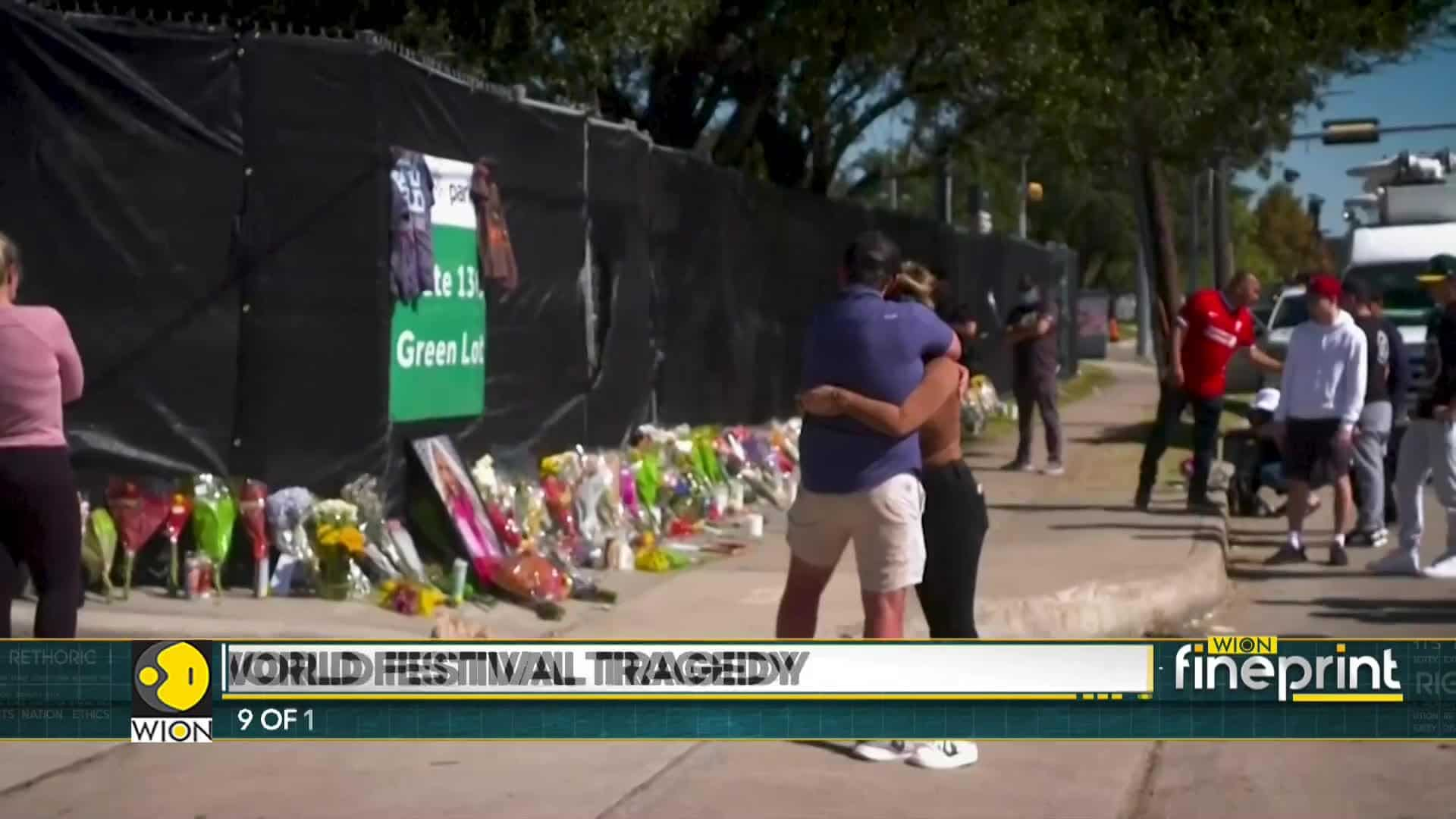
The Astroworld concert tragedy lawsuits comprise hundreds of civil actions filed following the fatal crowd crush at Houston’s NRG Park on November 5, 2021. These legal proceedings involve multiple plaintiffs, defendants, and consolidated dockets addressing allegations of gross negligence, inadequate security, poor venue design, and failure to halt the performance safely.
The Genesis of the Litigation: Understanding the Astroworld Tragedy
The Astroworld Festival, curated and headlined by rapper Travis Scott, drew approximately 50,000 attendees to NRG Park in Houston, Texas, on November 5, 2021. As the crowd surged toward the stage during Scott’s performance, a mass casualty incident unfolded, resulting in the deaths of 10 individuals ranging in age from 9 to 27. Hundreds more sustained physical injuries, and countless attendees reported severe psychological trauma.
In the wake of this disaster, the legal system faced an unprecedented wave of litigation. Victims, survivors, and families of the deceased filed lawsuits naming numerous entities connected to the event planning, promotion, venue management, and performance execution. The sheer volume of claims necessitated structural coordination within the Texas judicial system to manage discovery, pre-trial motions, and potential settlements efficiently.
Understanding these lawsuits requires examining the civil justice framework, the categorization of defendants, the procedural consolidation mechanisms utilized by Texas courts, and the ultimate trajectory of settlements and resolutions. Because these events carry significant legal and financial weight, examining the procedural history provides clarity on how modern mass-gathering liability is adjudicated.
Procedural Consolidation: The Multidistrict Litigation (MDL) Framework
When hundreds of distinct lawsuits arise from a single catastrophic event, allowing them to proceed independently in separate courtrooms would overwhelm the judiciary and create conflicting rulings. To prevent this, the Texas Supreme Court and local judicial bodies utilized procedural consolidation tools.
Establishment of the MDL Court
Shortly after the tragedy, plaintiffs' attorneys filed motions to centralize the sprawling litigation. In Texas, this process is handled through a Multidistrict Litigation (MDL) panel. The Astroworld litigation was officially consolidated into a single MDL docket overseen by Judge "KJ" Ryan of the 234th District Court in Harris County, Texas.
- Centralized Discovery: Consolidation allowed a Plaintiffs' Steering Committee (PSC) to conduct joint depositions of key witnesses, venue operators, security contractors, and organizers.
- Uniform Rulings: Pre-trial motions regarding liability standards, evidence admissibility, and document production applied across the entire consolidated docket rather than being litigated piecemeal.
- Efficiency: Streamlining the process reduced legal costs and judicial waste, enabling the court to address complex liability questions systematically.
Individual vs. Consolidated Claims
While discovery and preliminary legal arguments were handled collectively through the MDL structure, individual damage claims remained distinct. Each plaintiff had to prove specific damages—ranging from medical expenses and lost wages to wrongful death and severe psychological distress—even though the foundational question of defendant negligence was argued collectively.
Key Defendants and Allocating Responsibility
A central battleground in the Astroworld lawsuits involved pinpointing responsibility across a complex web of corporate entities, promoters, security providers, and artists. Mass-gathering operations typically involve layers of subcontracted labor and partitioned corporate responsibilities, making liability allocation highly contentious.
Promoters and Organizers
Live Nation Entertainment, ScoreMore Shows, and Travis Scott’s Cactus Jack production company served as primary organizers and promoters of the festival. Plaintiffs alleged that these entities failed to implement adequate crowd management protocols, oversold the venue, ignored warning signs of overcrowding, and prioritized financial gains over attendee safety.
Venue Owners and Operations
NRG Park is managed by the Harris County Sports & Convention Corporation, and the facility interacts with municipal entities including the City of Houston and the Houston Police Department. While governmental immunity posed substantial hurdles for claims against public entities, plaintiffs scrutinized the venue's physical layout, ingress and egress choke points, and emergency medical response infrastructure.
Security and Medical Contractors
Craft International and Contemporary Services Corporation (CSC) provided security personnel, while ParaDocs supplied on-site medical staffing. Lawsuits targeted these contractors for alleged understaffing, lack of proper training in crowd crush mitigation, slow emergency communication, and insufficient medical triage equipment.
| Defendant Category | Primary Entities Involved | Core Allegations in Lawsuits |
|---|---|---|
| Promoters | Live Nation, ScoreMore Shows, Cactus Jack | Poor crowd planning, inadequate security, ignoring capacity limits, failing to stop the show. |
| Artists & Management | Travis Scott, various management teams | Inciting unruly behavior, failing to recognize crowd danger, continuing performance amid chaos. |
| Venue & Municipalities | Harris County Sports & Convention Corp., City of Houston | Compromised venue design, delayed emergency response, inadequate municipal oversight. |
| Security & Medical | CSC, Craft International, ParaDocs | Unqualified or insufficient personnel, slow triage response, communication failures. |
Legal Theories of Liability: Negligence and Gross Negligence
To secure compensation or favorable settlements, plaintiffs' counsel relied primarily on the torts of negligence and gross negligence under Texas law.
Elements of Ordinary Negligence
To establish negligence, plaintiffs had to prove four core elements:
- Duty: Defendants owed a legal duty of reasonable care to concertgoers to provide a safe environment.
- Breach: Defendants breached that duty by failing to enact reasonable safety measures, ignoring warnings from law enforcement and safety experts, or failing to halt the performance when crowd density became life-threatening.
- Causation: The breach directly caused the physical injuries, emotional trauma, and wrongful deaths.
- Damages: Plaintiffs suffered quantifiable physical, emotional, or financial losses.
The Higher Standard of Gross Negligence
Many complaints specifically sought punitive damages, which require proving gross negligence. Under Texas Civil Practice & Remedies Code § 41.001(11), gross negligence involves an act or omission involving an extreme degree of risk, considering the probability and magnitude of the potential harm, of which the actor has actual, subjective awareness of the risk but proceeds with conscious indifference to the rights, safety, or welfare of others. Plaintiffs argued that organizers witnessed previous crowd control issues at prior Scott concerts and failed to implement preventative safeguards, satisfying this heightened legal threshold.
Settlements, Confidentiality, and Case Dispositions
As the litigation progressed through discovery, legal teams engaged in extensive mediation. Given the immense financial exposure and the desire to avoid protracted, emotionally taxing jury trials, many plaintiffs and defendants pursued out-of-court resolutions.
Confidentiality and Settlement Terms
The vast majority of the individual lawsuits—representing hundreds of plaintiffs—were resolved through private, confidential settlements. While the total aggregate payout remains undisclosed due to non-disclosure agreements, prominent victims, including the families of several deceased attendees (such as 21-year-old Bharti Shahani and 14-year-old John Hilgert), reached confidential financial agreements with Live Nation and other corporate defendants.
Dismissal of Specific Defendants
As settlements were finalized, numerous corporate entities and individuals were systematically dismissed from the master docket. Notably, grand jury proceedings in Harris County previously declined to indict Travis Scott on criminal charges related to the tragedy, separating the criminal investigation from the civil liability framework. Consequently, civil courts remained the primary venue for financial accountability.
Broader Industry Impacts and Legal Precedents
The Astroworld tragedy and its subsequent legal fallout initiated profound operational and legal shifts within the live entertainment industry. Event organizers, insurance underwriters, and municipal regulators altered how large-scale concerts are planned and insured.
- Enhanced Crowd Monitoring: Modern festival planning increasingly utilizes real-time density mapping, improved sightlines for spotters, and direct communication channels between crowd spotters and production crew.
- Mandatory "Stop-Show" Protocols: Following widespread criticism of delayed emergency responses, standard operating procedures across major promoters now explicitly empower production staff and security leads to halt performances immediately if crowd surges threaten life safety.
- Insurance and Risk Underwriting: The litigation severely impacted the cost and availability of liability insurance for high-energy music festivals, prompting stricter safety audits by underwriters before policy issuance.
Frequently Asked Questions
What caused the Astroworld Festival tragedy?
The tragedy was primarily caused by extreme crowd compression, poor venue design, inadequate security staffing, and communication failures among organizers, resulting in a lethal crowd crush. Insufficient medical triage and delayed decisions to stop the concert further compounded the disaster.
Were criminal charges filed against Travis Scott or the organizers?
A Harris County grand jury declined to issue criminal indictments against Travis Scott or other festival organizers in June 2023, determining that criminal intent or criminal negligence under Texas penal standards could not be proven beyond a reasonable doubt. The legal accountability remained centered in civil court through lawsuits.
How were hundreds of lawsuits managed simultaneously?
The Texas judicial system consolidated the individual civil actions into a Multidistrict Litigation (MDL) docket overseen by a single judge. This structure allowed for unified pre-trial discovery, coordinated evidentiary hearings, and streamlined settlement negotiations.
What legal standard was used to pursue financial compensation?
Plaintiffs relied primarily on theories of negligence and gross negligence. To win punitive damages, plaintiffs sought to prove that defendants acted with conscious indifference to an extreme degree of risk regarding concertgoer safety.
Have all Astroworld lawsuits been resolved?
The majority of the individual lawsuits have been resolved through confidential out-of-court settlements between plaintiffs and major defendants like Live Nation. However, the legal footprint of the tragedy continues to influence event safety regulations and insurance standards nationwide.
Next Steps and Professional Guidance
For individuals directly affected by large-scale public safety incidents or complex mass-tort litigation, retaining specialized legal representation is essential. Mass-tort and personal injury dockets involve strict statutes of limitations, intricate procedural rules, and complex evidentiary burdens. Consulting a qualified attorney licensed in the relevant jurisdiction ensures that claims are filed accurately, preserve necessary medical and financial documentation, and adhere to court-mandated deadlines.