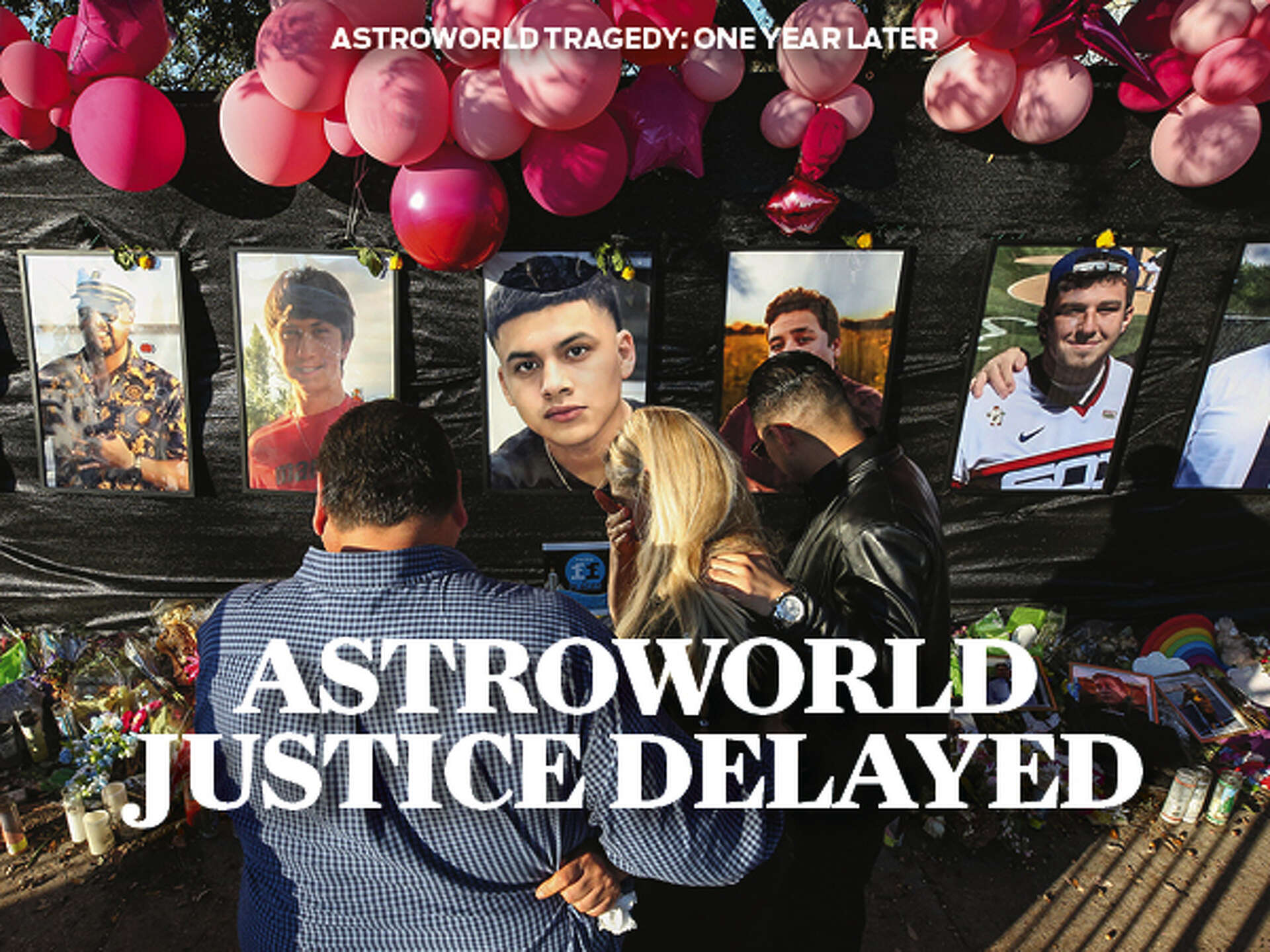
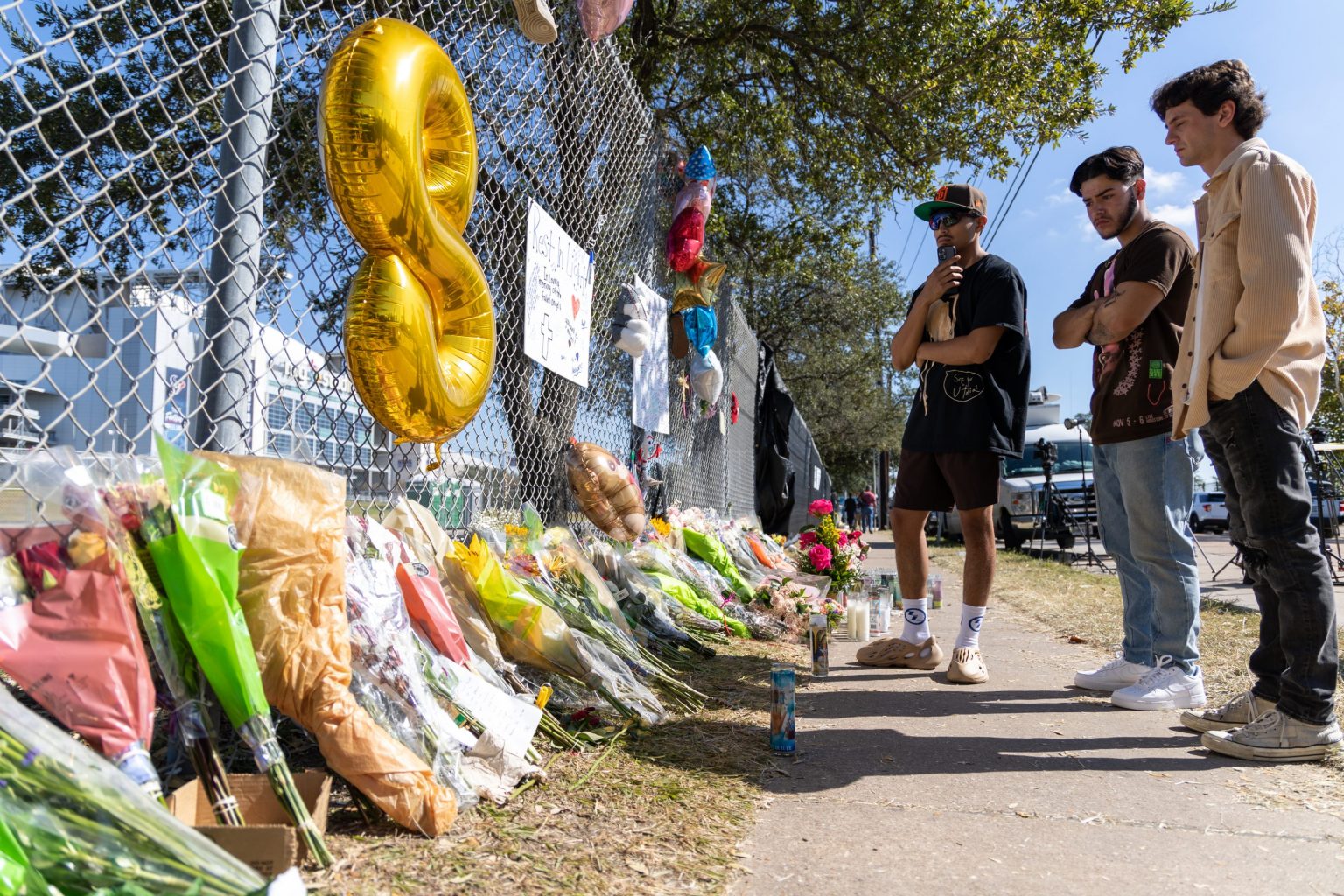
The "Astroworld tragedy video" refers to the body of crowd-sourced digital footage recorded during the Astroworld Festival on November 5, 2021, in Houston, Texas. This visual record captures the progression of the crowd crush that resulted in ten fatalities and hundreds of injuries. These videos serve as primary evidence in ongoing litigation, forensic investigations, and the broader historical discourse regarding event safety protocols.
Historical Significance of the Footage
The footage captured at NRG Park during the 2021 Astroworld Festival represents a defining moment in modern concert history. Unlike previous decades, where event documentation was limited to professional photographers or news crews, the 2021 event was documented by thousands of attendees using high-definition mobile devices. This created a massive, distributed archive of the disaster.
From a forensic perspective, these videos have been instrumental. Investigators, law enforcement agencies, and legal teams have utilized these clips to create a minute-by-minute timeline of the surge, identifying specific pressure points in the crowd and the sequence of communication between festival organizers, medical personnel, and security staff. Because the videos were captured from multiple angles, they provide a multi-dimensional view of the crowd dynamics, which is superior to stationary security camera footage for reconstructive purposes.
The Role of Digital Evidence in Litigation
Since the event, the "Astroworld tragedy video" has moved beyond the realm of social media content to become a critical component of legal proceedings. Thousands of lawsuits were filed against the festival organizers, promoters, and the performing artist. In the context of 2026, many of these civil matters have reached settlements, while others have set precedents for how digital evidence is handled in mass casualty civil litigation.
The admissibility of this footage in court requires rigorous authentication. Legal teams must verify the metadata—timestamps, geolocation data, and device identifiers—to ensure the integrity of the video as evidence. The proliferation of the footage also posed a challenge for judicial impartiality; the widespread availability of graphic imagery on public platforms necessitated careful jury selection procedures to ensure that potential jurors had not formed irreparable bias based on widely circulated viral clips.
Comparison of Evidence Types in Event Disasters
| Evidence Category | Source | Primary Utility |
|---|---|---|
| Mobile Phone Footage | Attendees | Captures real-time crowd movement and atmosphere |
| CCTV / Security Feeds | Event Infrastructure | Provides bird’s-eye view and logistical patterns |
| Official Radio Logs | Security/Medical Staff | Records communication delays and operational decisions |
| Forensic Reconstructions | Subject Matter Experts | Aggregates video to simulate crowd pressure physics |
Psychological and Ethical Implications
The accessibility of this footage continues to raise significant ethical questions regarding digital consumption and the "spectacularization" of tragedy. When the incident occurred in 2021, the immediate upload of raw, graphic videos to platforms like TikTok, Twitter (now X), and Instagram forced the public to confront the event in real-time.
For the families of the victims, the persistent existence of these videos serves as a complex double-edged sword. On one hand, the evidence was essential in holding organizers accountable. On the other, the inability to remove such content from the digital ecosystem—where it can be reshared, re-edited, and monetized—has caused significant distress. The "right to be forgotten" and the ethics of sharing graphic content remain topics of debate in 2026, specifically regarding how social media platforms handle the moderation of historical, sensitive, and traumatic content.
Advancements in Crowd Safety Technology
The analysis of the Astroworld tragedy videos led to a paradigm shift in how large-scale events are monitored. By studying the footage, safety experts were able to identify "red flags" that were previously overlooked or deemed standard crowd behavior. This retrospective analysis has directly influenced the development of new crowd-management technologies that are now standard in 2026.
- Computer Vision and AI Monitoring: Modern event security now utilizes AI-driven camera systems that track crowd density in real-time, alerting command centers when density levels approach the threshold for a potential crush.
- Dynamic Barrier Systems: The footage showed how static barricades often exacerbated the pressure. Newer designs incorporate "release" zones and modular configurations that allow crowds to disperse more effectively if density becomes critical.
- Communication Interoperability: Analysis revealed gaps in communication between police, medical teams, and event organizers. Modern systems now mandate unified command structures where all parties have access to a single, real-time data feed.
Navigating the Digital Archive: Safety and Verification
For researchers, students, or journalists looking to understand the mechanics of the event, navigating the vast amount of footage requires a disciplined approach. It is important to distinguish between raw, verified primary footage and secondary commentary or edited clips that may lack context.
When engaging with this material, it is advisable to rely on documentation provided through official channels, such as the reports published by the Houston Police Department or the findings released by the various civil courts. Secondary, unverified videos often suffer from "context collapse," where the emotional intensity of the visual prevents an accurate understanding of the physical conditions at the time the clip was recorded.
Frequently Asked Questions
Are the videos of the Astroworld tragedy still available online? Yes, much of the footage remains available on various video-sharing platforms and social media archives. However, many platforms have applied content warnings or age restrictions due to the graphic nature of the incidents depicted.
How is this footage used in court proceedings? The footage is primarily used by forensic experts to map the physical progression of the crowd. It serves as evidence of the density, the lack of emergency egress, and the response time of security, often forming the basis for expert testimony in civil liability cases.
Has the government regulated the use of concert footage? While governments have not banned the recording of concerts, the tragedy led to updated standards by the National Fire Protection Association (NFPA) and the Event Safety Alliance, which dictate how crowd management data and surveillance must be handled and reviewed during major events.
Why is it important to verify the source of these videos? Verification is crucial because internet-circulated videos are often cropped, edited, or presented out of chronological order. Misinformation regarding the sequence of events can lead to incorrect conclusions about the actions of the attendees, the security staff, or the performing artist.
How have crowd safety protocols changed since 2021? Protocols have shifted toward "active" management. This includes the implementation of mandatory crowd density limits per square foot, the requirement for dedicated "stop-the-show" protocols that bypass standard artist management, and the integration of professional safety officers within the artist's own production team.
Practical Next Steps for Event Planning
For those involved in event production, the most critical takeaway is the necessity of a "Safety-First" architecture. If you are planning or managing large-scale events in 2026, the following checklist is recommended:
- Conduct a Crowd Flow Analysis: Use predictive software to model how crowds will move through the venue before, during, and after the event.
- Establish Unified Command: Ensure that security, medical, and production teams are on the same communication frequency, with clear authority protocols for pausing or stopping a performance.
- Prioritize Egress Points: Ensure that paths for emergency vehicles and pedestrian exits are never obstructed by physical infrastructure or fencing.
- Continuous Monitoring: Utilize modern AI-integrated monitoring systems to keep a constant, objective eye on crowd density.
The "Astroworld tragedy video" stands as a sobering historical record. While the images are difficult to process, their value in informing future safety standards cannot be understated. By learning from the systemic failures captured in those recordings, the industry has moved toward a more transparent and cautious approach to live entertainment, ensuring that the primary goal of any event is the physical welfare of its attendees.