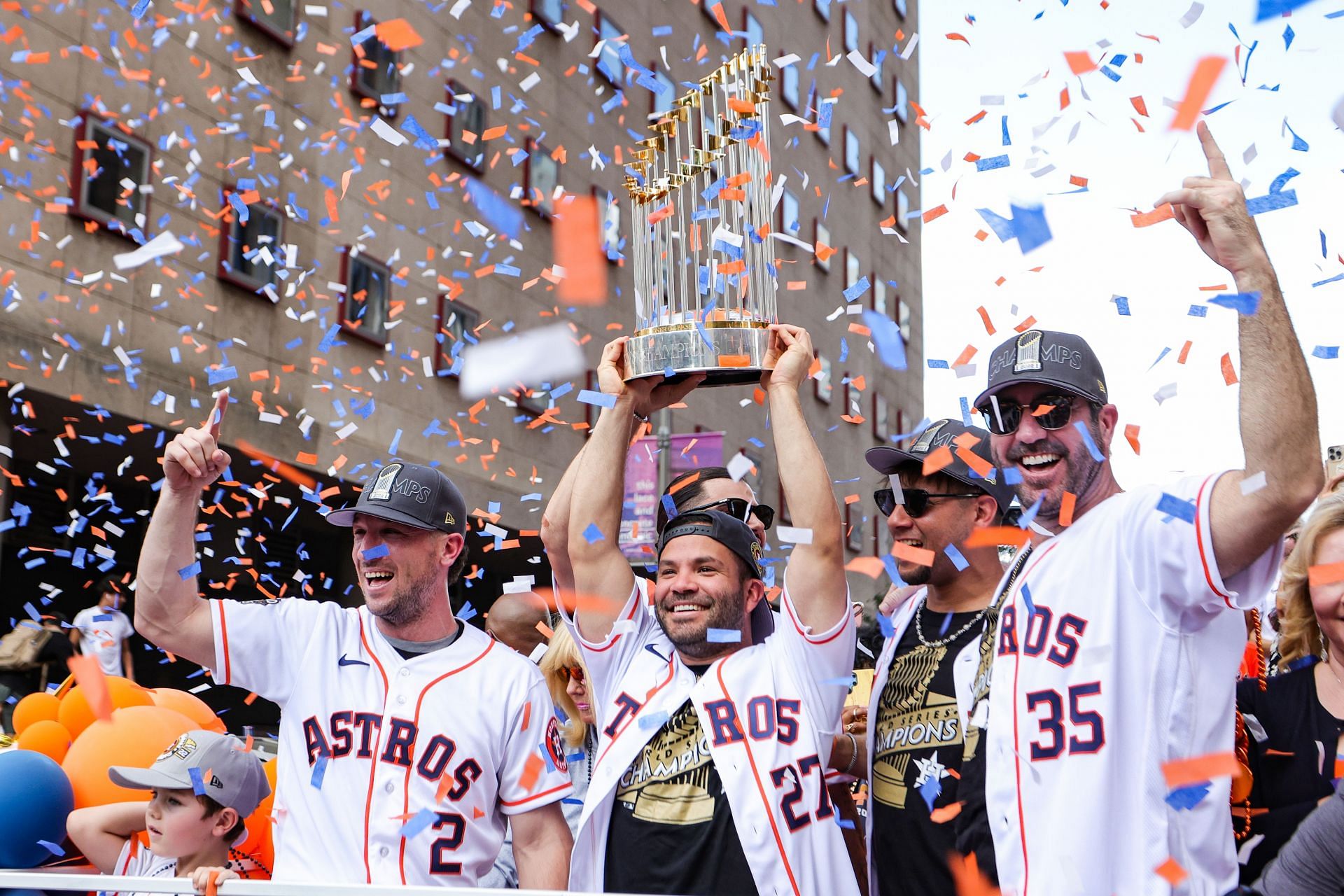
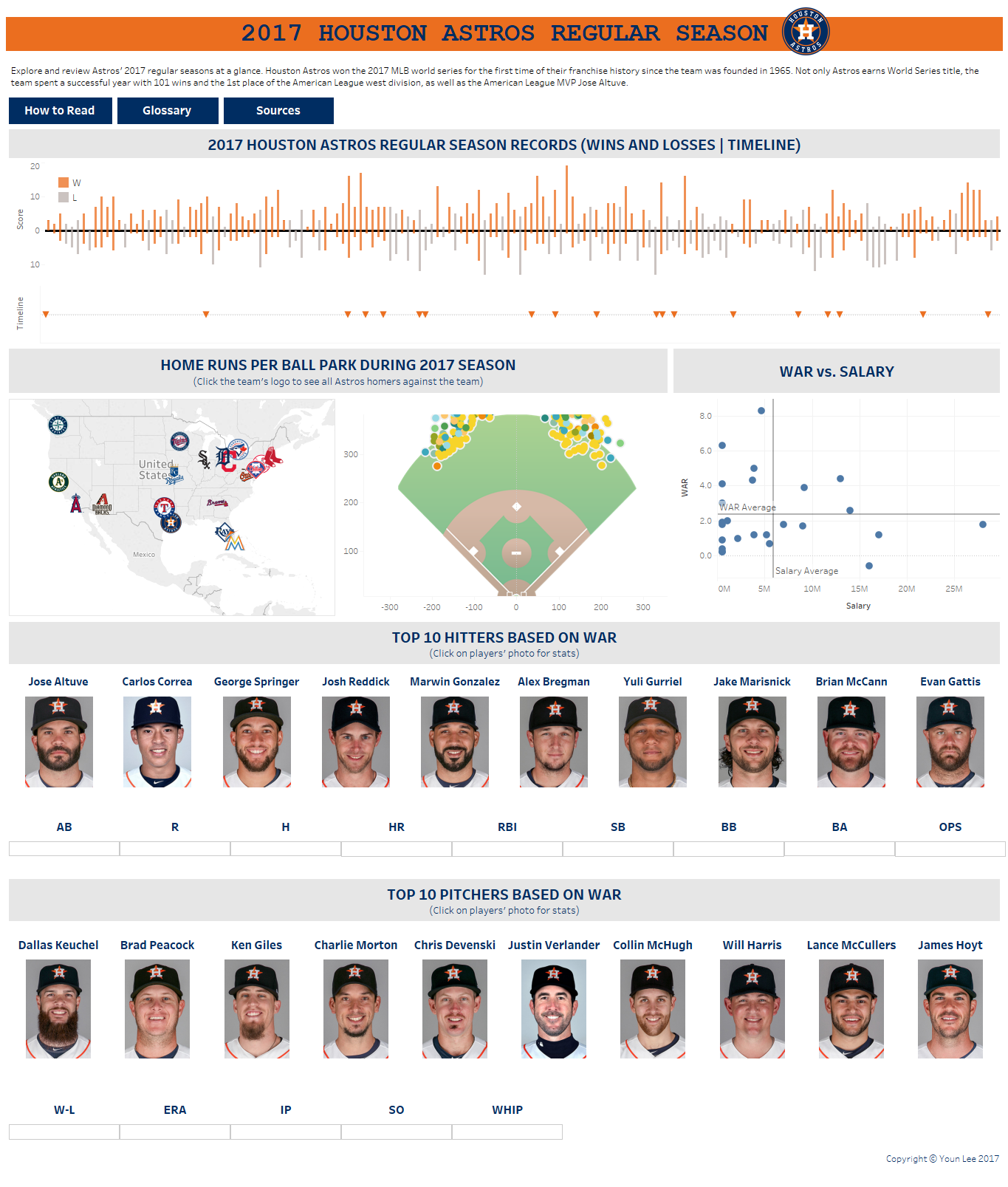
The 2017 Houston Astros finished the regular season with a 101-61 record, clinching the American League West title by a staggering 21-game margin. This historic run was fueled by a dominant 22-7 stretch in May, a resilient response to the displacement caused by Hurricane Harvey in August, and the transformative acquisition of Justin Verlander just seconds before the August 31 waiver deadline.
The Architectural Foundation of a 101-Win Season
To understand how the 2017 Houston Astros schedule unfolded into a 101-win masterpiece, one must look back at the years of deliberate rebuilding that preceded it. By the time the 2017 calendar flipped to April, the "Process"—as orchestrated by General Manager Jeff Luhnow—had transitioned from a theoretical exercise in extreme scouting and analytics into a high-octane reality.
The roster was a surgical blend of homegrown elite talent and veteran leadership. Jose Altuve, George Springer, Carlos Correa, and Alex Bregman formed a young, athletic core that provided both power and defensive versatility. This was supplemented by strategic off-season acquisitions like Brian McCann, Carlos Beltrán, and Josh Reddick, who brought postseason experience and a stabilizing clubhouse presence. Entering the 2017 season, the Astros were no longer the "Lovable Losers" or the experimental project of Major League Baseball; they were a calculated juggernaut designed to exploit every inefficiency in the game.
Spring Dominance: Setting the Pace in April and May
The Astros' 2017 schedule began with a statement. April saw the team establish a winning culture early, finishing the month 16-9. However, it was May that truly defined the trajectory of the 101-win season. During this 31-day stretch, the Astros went 22-7, effectively burying the rest of the American League West before the summer solstice.
The May Explosion
The success in May was rooted in a historic road trip. Between May 14 and May 24, the Astros went on a tear through Miami, Atlanta, and Houston, but it was their ability to win in hostile environments that signaled their elite status. They finished May with an 11-game lead in the division.
Several technical factors contributed to this early-season surge:
- Starting Pitching Stability: Dallas Keuchel returned to Cy Young form, going 5-0 in April with a 1.21 ERA. His ability to eat innings allowed the bullpen to remain fresh for high-leverage situations later in the summer.
- The Strikeout Revolution: In a league where strikeout rates were climbing, the 2017 Astros' lineup was built to put the ball in play. They combined high exit velocities with the lowest strikeout rate in the league, a combination that made them nearly impossible to shut down for nine innings.
- Baserunning Efficiency: While not leading the league in stolen bases, the Astros led in "bases taken," consistently advancing on dirt balls and taking the extra base on hits to the outfield.
Maintaining Momentum Through the Summer Solstice
As June and July rolled around, the grind of the 162-game schedule began to test the roster's depth. June remained productive with a 16-12 record, including an 11-game winning streak that lasted from late May into the first week of June. This streak provided the cushion necessary to withstand the inevitable injuries that strike every MLB team.
The primary challenge during the mid-summer months was the health of the pitching staff. Dallas Keuchel and Lance McCullers Jr. both spent significant time on the disabled list with neck and back issues, respectively. This forced the Astros to rely on "bulk" appearances from the bullpen and spot starts from Triple-A call-ups. Despite these rotations, the offense remained relentless. Carlos Correa emerged as an MVP candidate before a thumb injury in July sidelined him, and Jose Altuve embarked on a hitting streak that saw him bat .485 during the month of July—one of the most dominant single-month performances in modern baseball history.
The August Adversity and the Tropicana Field Series
August 2017 remains one of the most emotionally complex months in the history of the franchise. While the team struggled on the field, posting their only losing month of the season (11-17), the city of Houston was devastated by Hurricane Harvey. The natural disaster forced the Astros to postpone home games and eventually move a "home" series against the Texas Rangers to Tropicana Field in St. Petersburg, Florida.
The logistical strain of the schedule during this period was immense. The team was essentially living out of suitcases for weeks, uncertain of when they could return to their families in a flooded city. On the field, the pitching staff’s ERA ballooned, and the offensive production dipped. However, this period of struggle served as the catalyst for the most important administrative move in the franchise's history.
The August 31st Turning Point: The Verlander Trade
As the clock ticked toward midnight on August 31, 2017, the Astros’ front office pulled off a trade that fundamentally altered the power structure of the American League. They acquired veteran ace Justin Verlander from the Detroit Tigers in exchange for prospects Franklin Pérez, Jake Rogers, and Daz Cameron.
Verlander's arrival was the technical "missing piece" for the 101-win run. Prior to the trade, the Astros' rotation was talented but lacked a durable, high-velocity "workhorse" who could dominate elite lineups in September. Verlander didn't just fill a slot; he revitalized the entire clubhouse. In his five regular-season starts for the Astros in September, he went 5-0 with a 1.06 ERA. His presence allowed other pitchers, like Charlie Morton and Collin McHugh, to slot into roles more suited to their current health and velocity profiles.
September Surge: Clinching and the Century Mark
With Verlander in the fold and the city of Houston recovering, the Astros entered September with renewed vigor. The schedule favored a strong finish, and the team responded by going 21-8 in the final month and a half.
On September 17, 2017, the Astros defeated the Seattle Mariners 7-1 to officially clinch the American League West title. It was the franchise's first division title since 2001 (when they were in the National League Central). However, the team did not cruise to the finish line. They pushed for the 100-win milestone, a feat they hadn't achieved since 1998. They reached win number 100 on September 29 against the Boston Red Sox and added one more for good measure on the final day of the season to finish at 101-61.
2017 Houston Astros Monthly Record Breakdown
| Month | Wins | Losses | Win % | Key Context |
|---|---|---|---|---|
| April | 16 | 9 | .640 | Keuchel starts 5-0; Altuve begins hot. |
| May | 22 | 7 | .759 | 11-game winning streak; 11-game division lead. |
| June | 16 | 12 | .571 | Offensive dominance continues; pitching injuries start. |
| July | 15 | 11 | .577 | Altuve bats .485; Correa suffers thumb injury. |
| August | 11 | 17 | .393 | Hurricane Harvey displacement; Tropicana Field series. |
| Sept/Oct | 21 | 8 | .724 | Justin Verlander acquisition; Clinched AL West. |
| Total | 101 | 61 | .623 | First 100-win season since 1998. |
Technical Analysis of the 101-Win Formula
The success of the 2017 schedule wasn't just about talent; it was about the technical application of data to maximize that talent. Several key metrics explain how the 101-win run unfolded:
1. The Power-Contact Paradox
The 2017 Astros were the first team in decades to lead the league in home runs (238) while also having the fewest strikeouts (1,087). Usually, high-power teams "sell out" for home runs, resulting in high strikeout totals. By utilizing high-speed cameras and swing-plane analytics, the Astros' hitting coaches (John Mallee and Alonzo Powell) helped hitters optimize their "launch angle" without sacrificing contact.
2. Defensive Shifts and Run Prevention
The Astros were pioneers in extreme defensive shifting. By mapping every opponent’s spray chart, they positioned their infielders in unconventional spots, effectively turning "sure" singles into routine outs. This significantly aided a pitching staff that, for much of the summer, relied on pitch-to-contact strategies due to injuries.
3. The Multi-Inning Reliever
The 2017 schedule saw the rise of the "bridge" reliever. Players like Chris Devenski and Brad Peacock were used for 2-3 innings at a time rather than the traditional one-inning setup. This maximized the value of their best arms and protected a starting rotation that was frequently in flux.
Challenges and Roadblocks
Despite the 101 wins, the season was not without its failures and narrow escapes. The bullpen, which looked elite in May, struggled with volatility in July and August. Ken Giles, the closer, had several high-profile blown saves that raised questions about the team's late-inning reliability.
Furthermore, the team struggled specifically against the Texas Rangers early in the year, a psychological hurdle for a franchise that had long played second fiddle to their in-state rivals. Overcoming the "Silver Boot" rivalry was a major theme of the mid-season schedule, eventually culminating in the Astros dominating the head-to-head matchup in the final two months.
Practical Takeaways from the 2017 Run
For those analyzing the 2017 season from a historical or managerial perspective in 2026, several lessons remain relevant:
- Aggressiveness at the Deadline: The decision to trade for Verlander despite already having a massive division lead shows that elite teams should never be "content" with their current roster.
- Adaptability to External Stress: The way the team handled the displacement of Hurricane Harvey is a case study in organizational crisis management and the importance of "clubhouse culture."
- Statistical Outliers: The combination of low strikeouts and high home runs is the "Holy Grail" of modern baseball offense, and the 2017 Astros remain the gold standard for this profile.
Frequently Asked Questions
What was the longest winning streak for the Astros in 2017?
The Houston Astros had an 11-game winning streak that began on May 25, 2017, and ended on June 5, 2017. This streak was instrumental in ballooning their lead in the American League West to double digits, a lead they never relinquished for the remainder of the season.
How many games did Justin Verlander win for the Astros in the 2017 regular season?
Justin Verlander was perfect in the 2017 regular season following his trade. He started five games for the Houston Astros in September and won all five of them. He posted a 1.06 ERA and a 0.65 WHIP over 34 innings, striking out 43 batters while walking only five.
When did the Astros clinch the AL West in 2017?
The Astros clinched the American League West division title on September 17, 2017. They secured the title with a 7-1 victory over the Seattle Mariners at Minute Maid Park. It was a significant milestone, as it marked their first division championship since moving to the American League in 2013.
Who led the team in home runs during the 101-win season?
George Springer led the team with 34 home runs. He was followed closely by Jose Altuve (24), Carlos Correa (24), and Marwin Gonzalez (23). This balanced attack was a hallmark of the 2017 lineup, which featured 11 different players who hit 10 or more home runs.
How did the team perform at home versus on the road?
The 2017 Astros were remarkably balanced. They finished with a 48-33 record at home (Minute Maid Park) and an even better 53-28 record on the road. Their road dominance was a key factor in their 101-win total, as they were able to sweep multiple series in high-pressure environments like Yankee Stadium and Fenway Park.
Final Perspective on the 2017 Campaign
The 2017 Houston Astros season stands as a landmark in the evolution of professional sports management. By meticulously following a schedule that tested their depth, emotional resolve, and tactical ingenuity, the team transformed from a rebuilding project into a 101-win juggernaut. While the postseason that followed would cement their place in history, the regular-season run was the proof of concept for a new era of baseball analytics. For fans and analysts looking back from 2026, the 2017 schedule remains the ultimate blueprint for building a championship-caliber win total through a mix of homegrown stars, savvy trades, and unwavering data application.