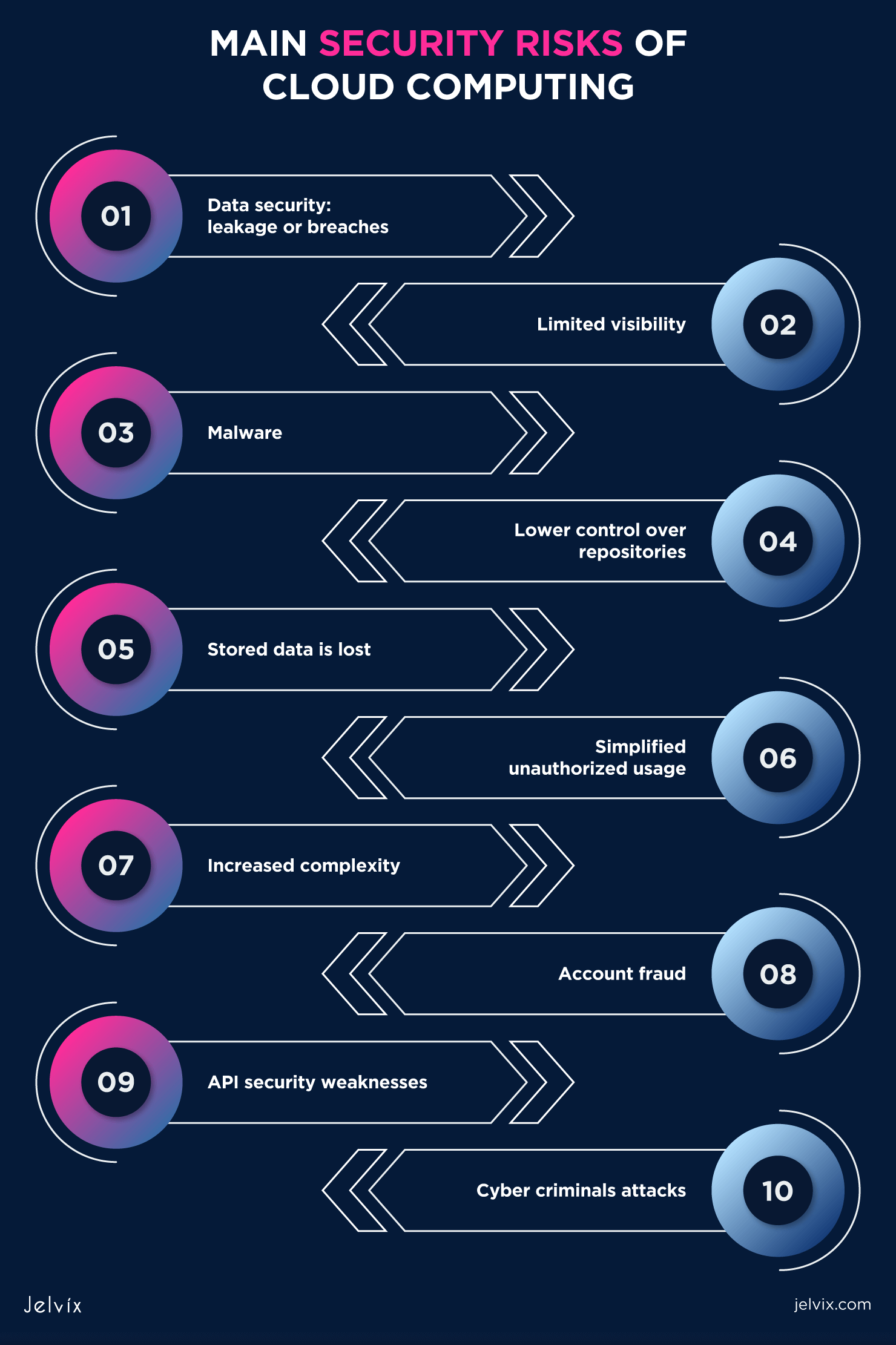
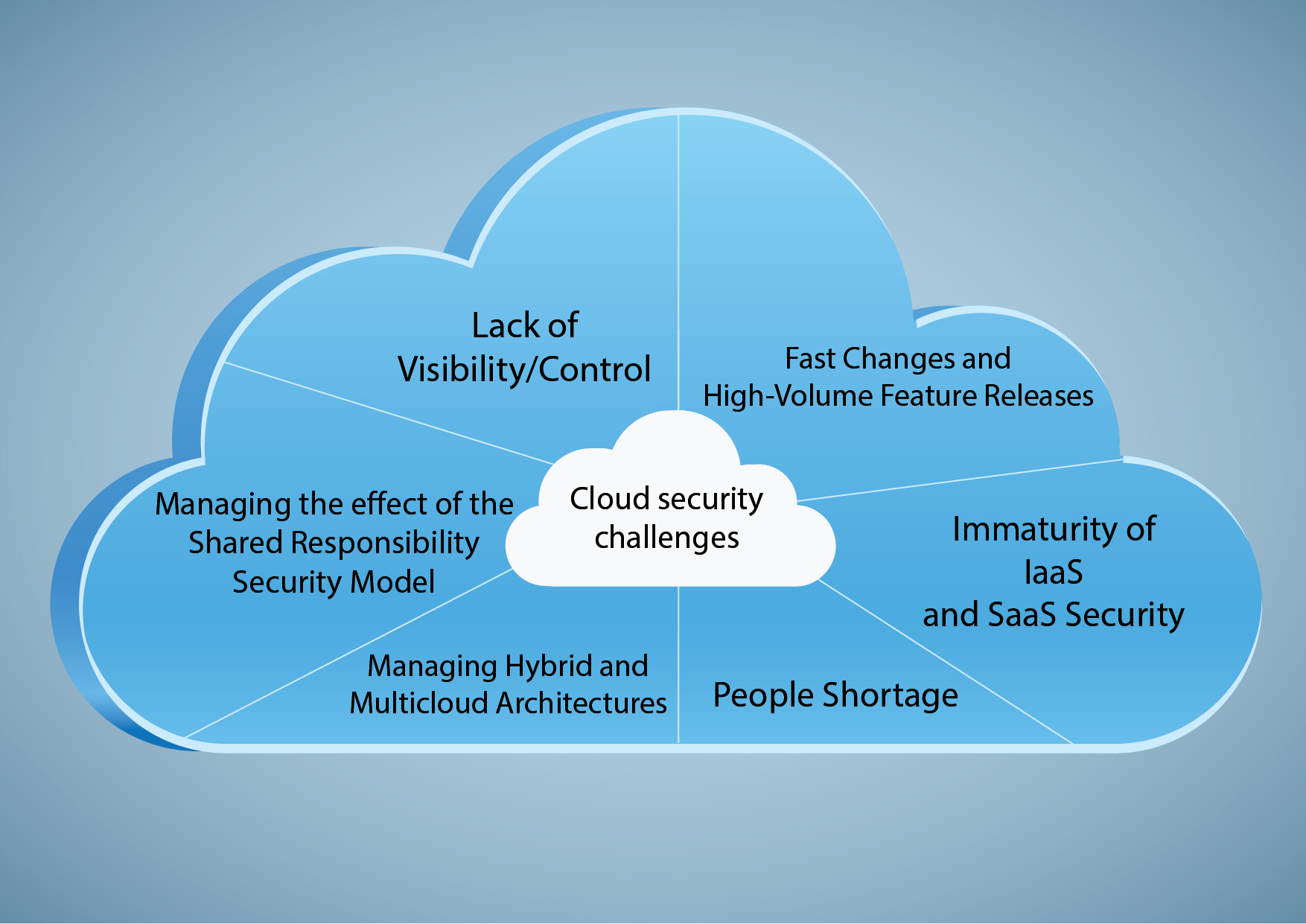
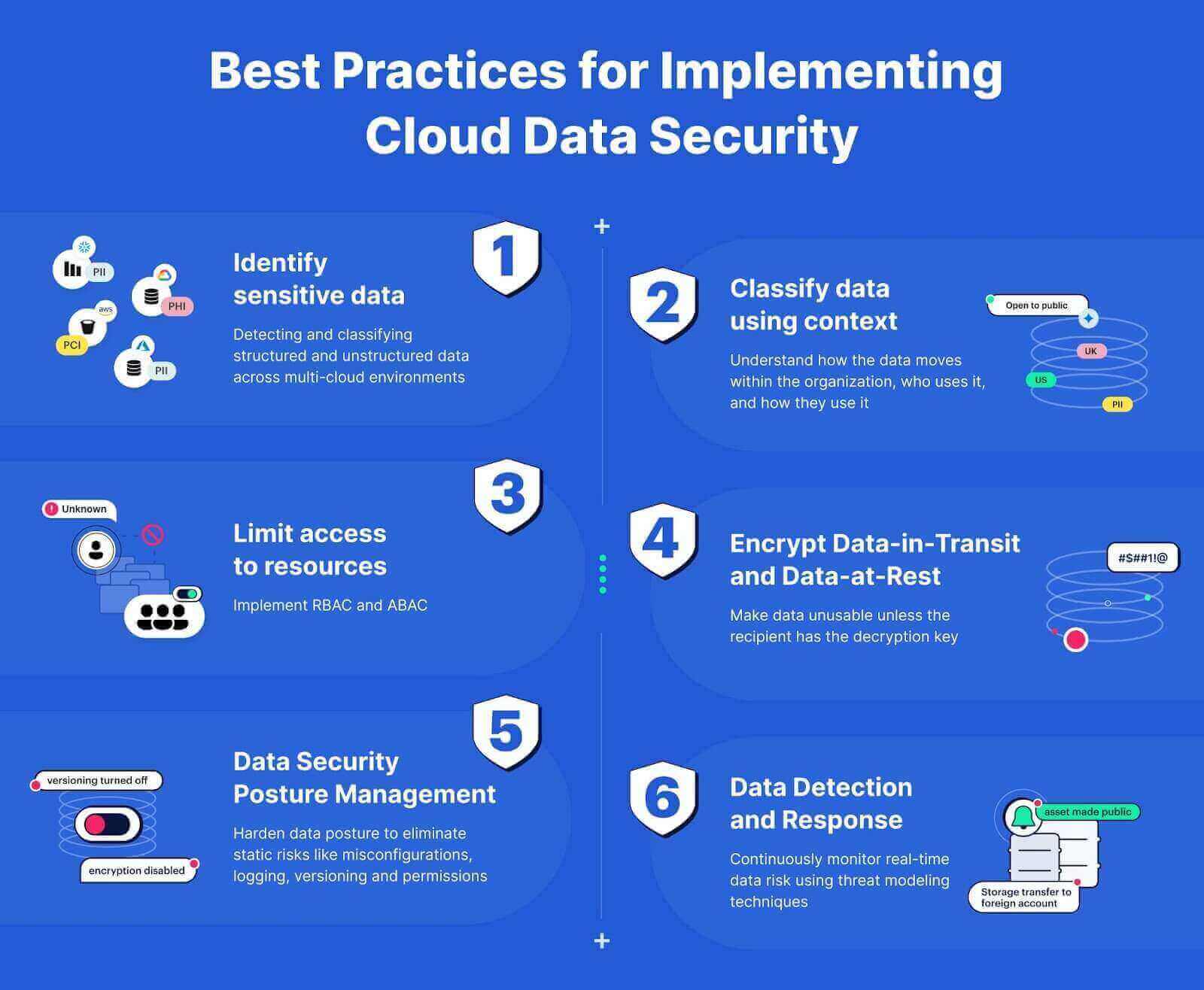
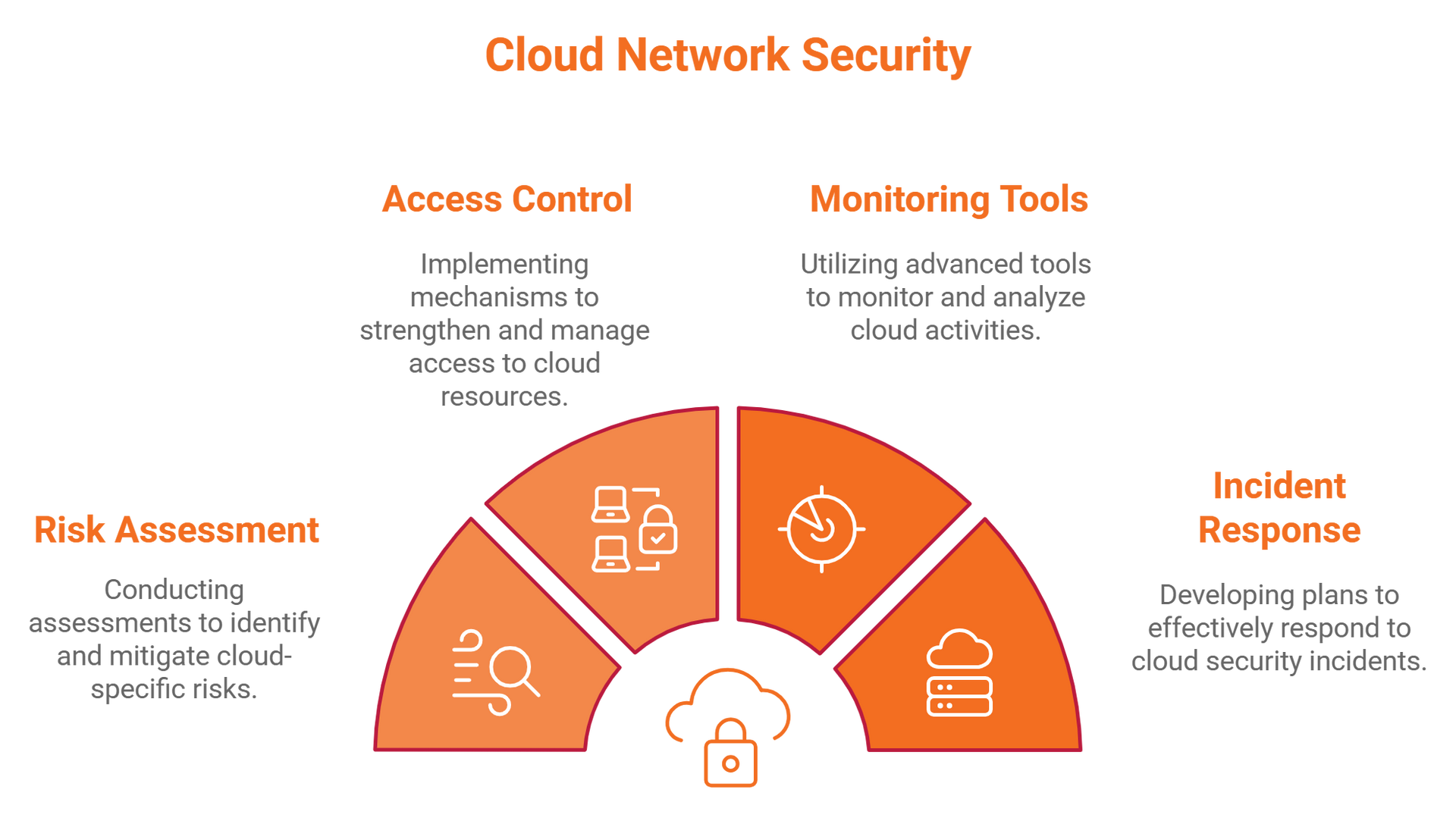
Assessing security in a cloud computing environment involves a systematic evaluation of data protection, identity management, and infrastructure configurations to identify vulnerabilities and ensure compliance. By utilizing a combination of automated tools, manual audits, and standardized frameworks, organizations can verify that both the provider and the customer are fulfilling their obligations within the shared responsibility model.
The Foundation of Cloud Security Assessment: The Shared Responsibility Model
In 2026, the core of any cloud security assessment remains the Shared Responsibility Model. This framework dictates that security is a partnership between the Cloud Service Provider (CSP) and the customer. However, the boundaries of responsibility shift significantly depending on the service model being utilized: Infrastructure as a Service (IaaS), Platform as a Service (PaaS), or Software as a Service (SaaS).
Infrastructure as a Service (IaaS)
In an IaaS model, the provider is responsible for the physical security of the data centers, the hardware, and the virtualization layer. As the customer, your assessment must focus on the operating systems, middleware, applications, and data you deploy on that infrastructure. You are responsible for patching virtual machines, configuring firewalls (Security Groups), and managing identity access.
Platform as a Service (PaaS)
With PaaS, the provider takes on more responsibility, including the operating system and runtime environment. Your security assessment shifts toward application-level security and data protection. You must evaluate how your code interacts with the platform's APIs and ensure that your data is encrypted and access-controlled, even if you don't manage the underlying servers.
Software as a Service (SaaS)
In SaaS environments, the provider manages almost everything. Your assessment is primarily concerned with data governance, user access management, and the provider's own compliance certifications (such as SOC 2 Type II or ISO 27017). You must verify that the provider’s security controls meet your organizational risk appetite and that your users are not inadvertently exposing sensitive information through poor configuration of the software's settings.
Key Pillars of a Robust Cloud Security Assessment
To conduct a thorough assessment in the current 2026 landscape, you must evaluate four primary pillars: Identity and Access Management (IAM), Data Security, Network Configuration, and Governance/Compliance.
Identity and Access Management (IAM)
Identity has become the new perimeter. Assessing IAM involves more than just checking for strong passwords. You must evaluate the implementation of Zero Trust Architecture (ZTA).
- Least Privilege Access: Are users and service accounts granted only the permissions necessary for their specific tasks?
- Multi-Factor Authentication (MFA): Is MFA enforced across all accounts, particularly for administrative roles?
- Just-in-Time (JIT) Access: Are elevated privileges granted temporarily and revoked automatically after use?
- Unused Credentials: Are there "ghost" accounts or long-lived API keys that haven't been rotated or used in 90 days?
Data Security and Privacy
Data is the ultimate target of most cloud-based attacks. An assessment must verify that data is protected throughout its lifecycle.
- Encryption at Rest: Is data encrypted using industry-standard algorithms (like AES-256)? Who manages the keys?
- Encryption in Transit: Are all data transfers protected by TLS 1.3 or higher?
- Data Residency: Does the data reside in jurisdictions that comply with local laws (e.g., GDPR in Europe or CCPA in California)?
- Data Classification: Is there a mechanism to identify and label sensitive data so that stricter controls can be applied automatically?
Network Security and Architecture
Cloud networks are software-defined, which means they are prone to configuration errors.
- Micro-segmentation: Is the network divided into small, isolated segments to prevent lateral movement by an attacker?
- API Security: Are APIs authenticated, rate-limited, and monitored for unusual traffic patterns?
- Egress Filtering: Is outbound traffic restricted to prevent data exfiltration to unauthorized IP addresses?
- Public Exposure: Are there any S3 buckets, databases, or management ports (like SSH or RDP) accidentally exposed to the public internet?
Governance and Risk Management
Technical controls are only effective if backed by policy.
- Inventory Management: Do you have a real-time list of all cloud assets? You cannot secure what you cannot see.
- Incident Response: Is there a documented plan for cloud-specific incidents, such as a compromised root account or a massive data leak?
- Audit Logging: Are logs being collected from all layers (application, OS, and cloud plane) and stored in a tamper-proof environment?
Step-by-Step Methodology for Conducting the Assessment
A successful assessment follows a repeatable methodology to ensure no critical vulnerabilities are overlooked.
1. Define Scope and Objectives
Start by identifying which environments are being assessed (Production, Staging, Development) and which compliance frameworks apply. In 2026, most organizations align their cloud security with the NIST Cloud Computing Strategy or the Cloud Security Alliance (CSA) Cloud Controls Matrix.
2. Automated Configuration Review
Use Cloud Security Posture Management (CSPM) tools to scan your environment against best practices. These tools can automatically detect misconfigured storage buckets, open ports, and overly permissive IAM roles. Automated scans provide a "point-in-time" snapshot of your security health.
3. Vulnerability and Workload Assessment
Beyond configurations, you must assess the actual workloads. Use Cloud Workload Protection Platforms (CWPP) to scan containers, serverless functions, and virtual machines for known vulnerabilities (CVEs). This includes checking for outdated libraries in your application code and insecure container images.
4. Manual Architecture Review
Automation cannot understand business logic. A senior security architect should review the system design to identify flaws that tools might miss, such as a design that bypasses a centralized firewall or a flawed authentication flow between microservices.
5. Penetration Testing
Simulate a real-world attack. Cloud penetration testing is unique because you must often coordinate with the CSP to avoid being flagged as a malicious actor. Focus on exploiting misconfigured APIs, escalating privileges within the cloud console, and attempting to move laterally between virtual networks.
6. Compliance Mapping and Reporting
Document how your technical findings relate to regulatory requirements. Provide a prioritized list of remediation steps, focusing first on high-risk issues like publicly exposed databases or compromised administrative credentials.
Comparison of Cloud Security Assessment Frameworks
Choosing the right framework helps standardize your assessment process and provides a benchmark for improvement.
| Framework | Primary Focus | Best For | Key Strength |
|---|---|---|---|
| NIST SP 800-53 | Comprehensive Security Controls | Government and Highly Regulated Industries | Deeply technical and exhaustive documentation. |
| ISO/IEC 27017 | Cloud-specific Information Security | International Organizations | Globally recognized standard for cloud security. |
| CSA STAR | Transparency and Provider Assessment | Third-party Risk Management | Offers a public registry of provider security status. |
| CIS Benchmarks | Technical Configuration Best Practices | Systems Administrators and DevOps | Provides specific "step-by-step" hardening guides. |
| SOC 2 Type II | Trust Services Criteria (Security, Privacy) | SaaS Providers and B2B Services | Focuses on operational effectiveness over time. |
Essential Tools for 2026 Cloud Security
To keep pace with the speed of cloud deployments, manual assessments must be augmented by modern tooling.
- Cloud-Native Application Protection Platforms (CNAPP): These platforms integrate CSPM, CWPP, and CI/CD security into a single interface, providing a unified view of risk from development to production.
- Infrastructure as Code (IaC) Scanners: Tools that scan Terraform, CloudFormation, or Bicep templates before they are deployed. This "shifts security left" by preventing misconfigurations from ever entering the live environment.
- External Attack Surface Management (EASM): These tools look at your cloud environment from the perspective of an attacker, identifying forgotten dev environments or shadow IT projects that are not under official management.
- AI-Driven Threat Detection: In 2026, providers offer advanced behavioral analytics that use machine learning to detect "impossible travel" logins or unusual data access patterns that might indicate a compromised account.
Evaluating Compliance and Regulatory Requirements
Compliance is not the same as security, but it is often the driver for assessments. Depending on your industry and location, you may be subject to specific mandates:
- HIPAA (Healthcare): Requires strict access controls and audit logs for Protected Health Information (PHI).
- PCI DSS (Finance): Governs how credit card data is stored and processed; cloud environments must be segmented to keep cardholder data out of the general network.
- GDPR (European Union): Focuses on data sovereignty and the right to erasure. You must assess how easily you can delete a specific user's data from all cloud backups and replicas.
- FedRAMP (US Federal): A rigorous authorization program for any cloud service used by US government agencies.
Common Pitfalls in Cloud Security Assessments
Avoid these frequent mistakes to ensure your assessment provides real value:
- Ignoring the Control Plane: Many assessments focus on the data inside the cloud but ignore the cloud console itself. A compromised cloud administrator account is more dangerous than a compromised individual server.
- Relying Solely on Native Tools: While AWS, Azure, and Google Cloud provide excellent security tools, they often lack the "single pane of glass" view needed for multi-cloud or hybrid-cloud environments.
- Treating the Cloud Like a Data Center: Applying traditional on-premises security logic to the cloud leads to inefficiencies. For example, relying on a single perimeter firewall is ineffective in a world of ephemeral containers and serverless functions.
- Failure to Audit Third-Party Integrations: Your cloud environment likely connects to dozens of third-party SaaS tools via OAuth or API keys. These "supply chain" connections are often the weakest link in the security chain.
- Neglecting Temporary Assets: Development and testing environments are frequently overlooked during assessments, yet they often contain copies of production data and are rarely as well-secured as production systems.
Frequently Asked Questions
How often should a cloud security assessment be performed?
In 2026, assessments should be a continuous process rather than an annual event. While a deep-dive manual audit should occur at least once a year or after significant architectural changes, automated CSPM tools should monitor the environment 24/7 for configuration drift. Real-time visibility is essential because a single developer mistake can expose an entire database in seconds.
Can I trust my cloud provider's own security assessment?
You can trust the provider to secure the "cloud" (the hardware and global infrastructure), but you cannot trust them to secure your "content in the cloud" (your configurations and data). Always request the provider's SOC 2 or ISO reports, but remember that these only cover the provider's half of the shared responsibility model. You are still responsible for assessing your own implementation.
What is the difference between CSPM and CWPP?
CSPM (Cloud Security Posture Management) focuses on the "outside" of your cloud—checking for misconfigured settings in the cloud console, such as open ports or unencrypted buckets. CWPP (Cloud Workload Protection Platform) focuses on the "inside"—protecting the actual applications, containers, and virtual machines by scanning for vulnerabilities and monitoring for malicious activity within the OS.
Does encryption solve all cloud security problems?
No. While encryption is vital for data privacy, it does not prevent all attacks. For example, if an attacker steals an administrative credential with high-level IAM permissions, they can often use the authorized keys to decrypt the data. Encryption must be part of a "defense-in-depth" strategy that includes strong IAM, network segmentation, and active monitoring.
Is serverless computing more secure than traditional cloud servers?
Serverless (like AWS Lambda or Azure Functions) reduces the attack surface because you don't have to manage the underlying OS or hardware. However, it introduces new risks, such as event-injection attacks and complex permission mapping. A security assessment for serverless environments must focus heavily on the functions' IAM roles and the security of the triggers (like API Gateways or S3 events) that activate the functions.
Practical Recommendation
To effectively assess security in your cloud environment, start by implementing a Cloud Security Posture Management (CSPM) tool to gain immediate visibility into your current risks. Once the automated "low-hanging fruit" is addressed, perform a focused IAM audit to enforce the principle of least privilege. Finally, integrate security scanning into your CI/CD pipeline to ensure that new infrastructure is assessed for vulnerabilities before it is ever deployed to production. This proactive approach transforms security from a reactive hurdle into a continuous, automated business enabler.