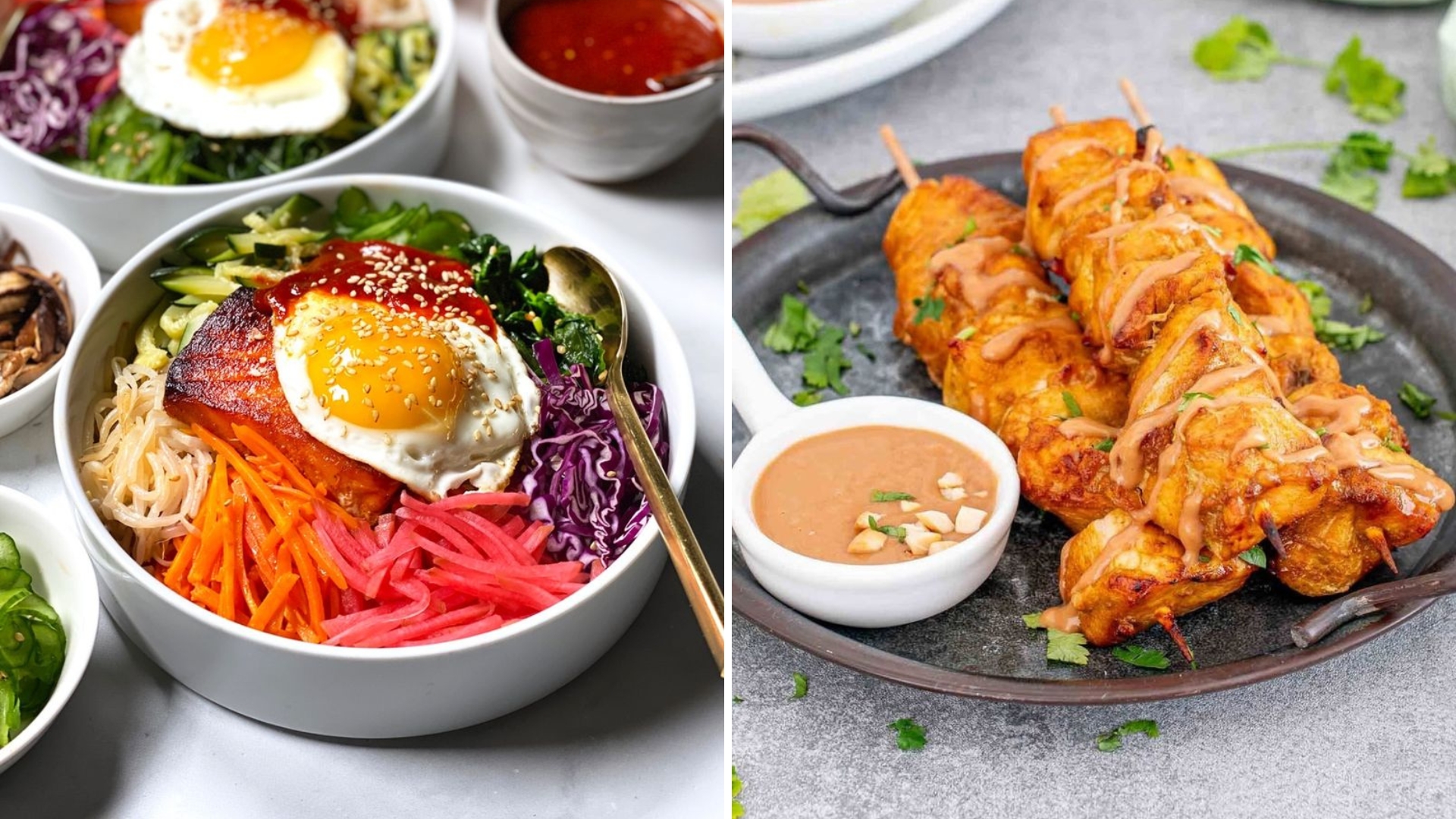
Preparing Asian cuisine at home offers a rewarding balance of deep, complex flavors and surprisingly efficient cooking techniques. By mastering fundamental pantry staples and understanding core culinary philosophies—such as the balance of textures, the importance of high-heat searing, and the precise layering of aromatic bases—you can replicate restaurant-quality meals that emphasize freshness, seasonal ingredients, and nuanced flavor profiles.
Understanding the Culinary Landscape
Asian cuisine is not a monolith; it encompasses vast regional traditions that vary significantly in ingredients, cooking methods, and flavor profiles. From the stir-fry techniques of Cantonese cooking to the delicate fermentation of Korean kimchi and the aromatic spice pastes of Southeast Asian curries, the common thread is the focus on preparation.
To cook these dishes successfully, you must prioritize the "mise en place" (everything in its place). Because many Asian cooking methods, particularly stir-frying, happen in a matter of minutes or seconds, having all your ingredients chopped, measured, and staged before you turn on the burner is not optional—it is the prerequisite for success.
Essential Pantry Prerequisites
Before selecting your first dish, ensure your kitchen is stocked with the foundational building blocks required for authentic results. These items form the backbone of most regional recipes and should be considered staples rather than specialty items.
- Aromatics: Fresh ginger, garlic, and scallions are the "holy trinity" of many Chinese, Korean, and Japanese dishes. Keep these fresh and readily available.
- Soy-Based Seasonings: Acquire a high-quality light soy sauce (for saltiness and color) and dark soy sauce (for depth and color intensity).
- Vinegars and Acids: Rice vinegar is essential for its mild acidity, which balances rich, savory stir-frys and salads.
- Oils: High-smoke-point oils, such as peanut or grapeseed, are necessary for stir-frying. Reserve toasted sesame oil as a finishing agent, as its flavor degrades under high heat.
- The Wok vs. Skillet: While a traditional round-bottomed carbon steel wok is ideal for achieving "wok hei" (the breath of the wok), a heavy-bottomed, 12-inch stainless steel or cast-iron skillet is a perfectly functional alternative for home kitchens.
Categorizing Asian Dishes by Preparation Method
To navigate the sheer variety of Asian dishes to cook, it is helpful to group them by technique. This allows you to master a specific skill set—such as steaming or braising—before moving on to more complex, multi-component preparations.
1. Stir-Frying (The High-Heat Approach)
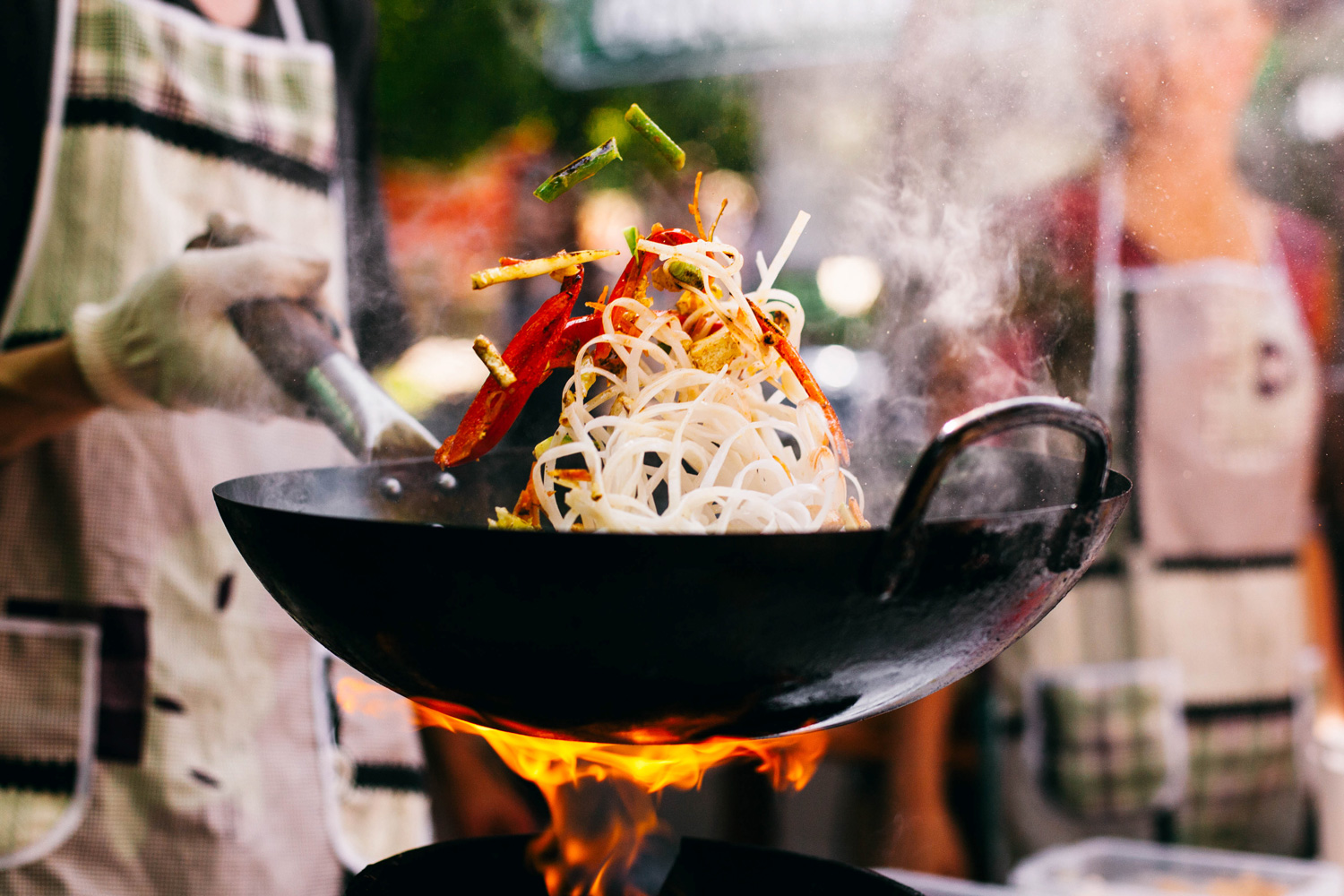
Stir-frying relies on intense heat to cook food quickly while retaining texture.
- Key Dish: Beef with Broccoli. This dish relies on "velveting" the meat—a process of coating thinly sliced beef in a mixture of cornstarch, soy sauce, and a small amount of oil before cooking. This technique protects the beef from the high heat, ensuring it remains tender rather than tough.
2. Braising (The Long-Simmer Approach)
Unlike stir-frying, braising is a slow-cooking method that allows flavors to penetrate deep into the protein, often creating a rich, reduced sauce.
- Key Dish: Red-Braised Pork Belly (Hong Shao Rou). This involves searing pork belly cubes before simmering them in a mixture of soy sauce, Shaoxing wine, sugar, and aromatics. The collagen breaks down, resulting in a melt-in-the-mouth texture.
3. Steaming (The Gentle Approach)
Steaming is prized for its ability to highlight the natural sweetness of delicate ingredients like fish or vegetables without the use of added fats.
- Key Dish: Steamed Whole Fish with Ginger and Scallion. A cornerstone of celebratory meals, this technique relies on the freshness of the fish. It is finished with a drizzle of screaming-hot oil, which instantly cooks the aromatics layered on top, releasing their fragrance.
Comparison of Popular Cooking Techniques
| Technique | Primary Heat Source | Goal | Best Ingredients |
|---|---|---|---|
| Stir-Fry | High/Direct | Speed & Texture | Thin meat slices, snap peas, bok choy |
| Braise | Low/Indirect | Tenderness & Depth | Pork belly, brisket, root vegetables |
| Steam | Moderate/Steam | Pure Flavor | Whole fish, dumplings, delicate greens |
| Deep-Fry | High/Oil | Crispness | Proteins with starch coating, tofu |
Addressing Common Mistakes
Even experienced cooks can encounter hurdles when transitioning to Asian cooking. Avoiding these common errors will immediately elevate the quality of your output.
- Overcrowding the Pan: If you add too many ingredients to a stir-fry at once, the pan temperature drops, and the ingredients will steam in their own moisture rather than sear. Work in small batches if necessary.
- Neglecting the "Velveting" Technique: If your stir-fried meat is chewy, you are likely skipping the cornstarch-marinade step. This coating acts as a barrier against direct heat, preserving moisture.
- Improper Heat Management: Many home stoves cannot output the same BTU levels as commercial burners. Do not rush to increase the heat if you have an electric stove; instead, preheat your pan thoroughly for several minutes before adding any oil.
- Quality of Ingredients: While substitutes exist, using high-quality fermented soy sauce or authentic Shaoxing wine makes a perceptible difference compared to "cooking wine" alternatives, which often contain excessive salt and additives.
Scaling and Meal Planning
Asian dishes are particularly well-suited for batch cooking and meal prep. Many sauces, such as a master stock or a dumpling dipping sauce, can be stored in the refrigerator for weeks.
When planning your cooking, consider the texture contrast of the meal. A typical home-cooked Asian menu might consist of one savory stir-fry, one steamed vegetable dish, and a bowl of steamed jasmine rice. This creates a balanced plate that is not overly oily or heavy, aligning with traditional dietary patterns that emphasize rice or noodles as the foundation of the meal.
Frequently Asked Questions
1. Is it necessary to buy a wok to cook Asian food? No. While a wok is excellent for gas stoves because it allows for easy tossing and high-heat distribution, a flat-bottomed stainless steel skillet or cast-iron pan works perfectly well for most home recipes. The key is to manage the pan's heat and avoid overcrowding.
2. Can I use regular vinegar instead of rice vinegar? Rice vinegar is distinct because it is less acidic and has a slightly sweeter, milder profile than white distilled vinegar. If you are in a pinch, you can use apple cider vinegar as a substitute, but avoid distilled white vinegar, as its harsh, sharp acidity will overwhelm the delicate balance of an Asian dish.
3. What is "velveting" and why is it important? Velveting is a process where proteins are marinated in a mixture of cornstarch, a small amount of oil, and soy sauce or rice wine before cooking. This creates a protective seal that keeps the inside of the protein moist while allowing the outside to crisp or brown properly during high-heat stir-frying.
4. How do I store fresh ginger for a long time? The most effective way to store fresh ginger is to place the unpeeled root in a sealed freezer bag, squeezing out as much air as possible. It will last for months in the freezer and is actually easier to grate while frozen using a microplane or fine-toothed grater.
5. What is the difference between light and dark soy sauce? Light soy sauce is thinner and saltier; it is the "default" soy sauce for flavoring and seasoning. Dark soy sauce is thicker, slightly sweeter, and aged longer. It is primarily used to provide a rich, deep mahogany color to braised dishes and stir-fry sauces, rather than for its salt content.
Next Actions for the Home Cook
Start your journey by mastering a single, high-impact dish, such as a classic vegetable stir-fry with a homemade sauce. Once you are comfortable with the timing of your stove, expand into braised proteins or steamed preparations. Focus on sourcing one authentic ingredient at a time—such as high-quality sesame oil or aged soy sauce—to notice the incremental improvements in flavor. Consistency is the primary factor in developing an intuitive sense for the balance of salt, acid, and texture that defines authentic Asian home cooking.