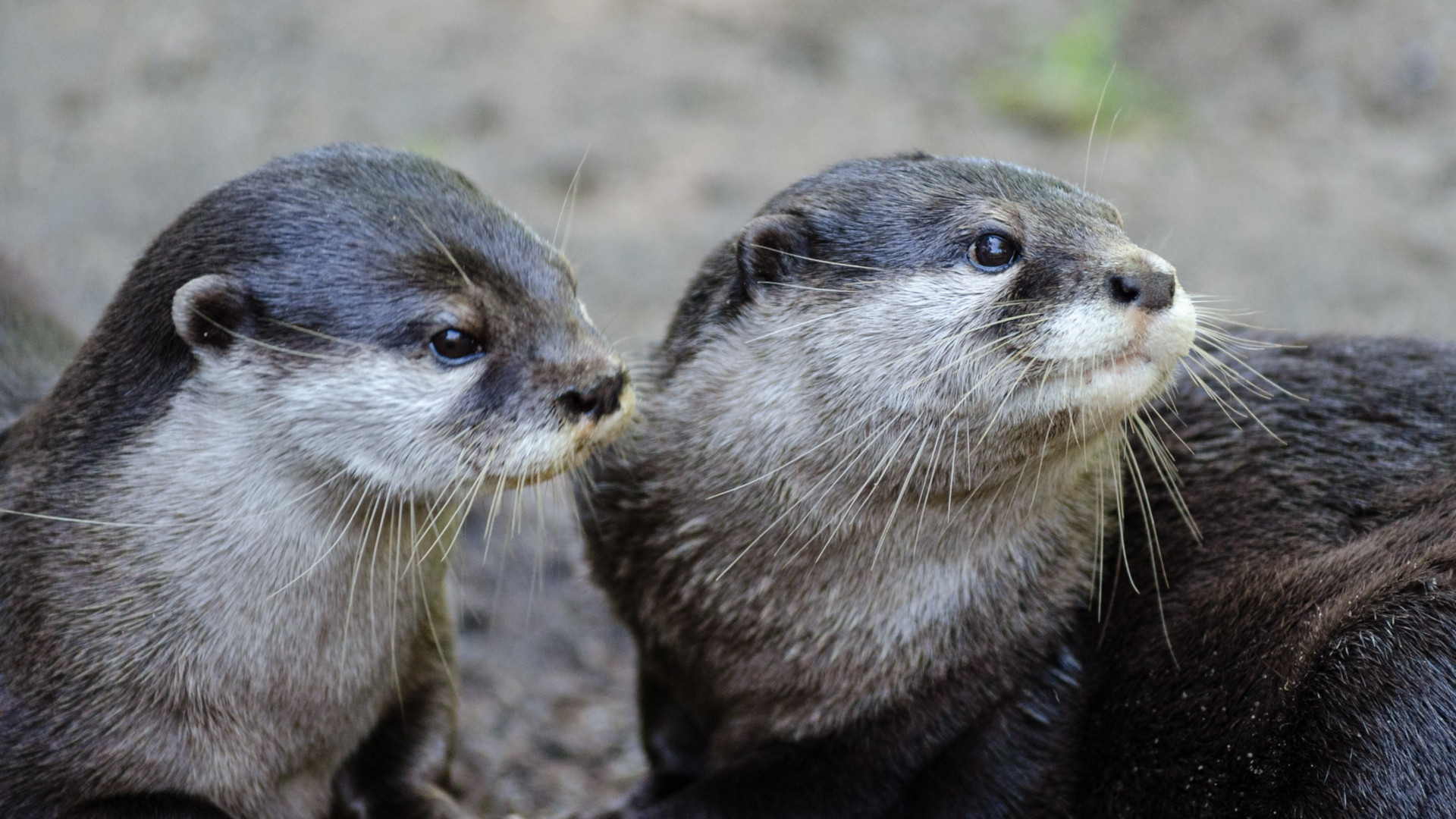
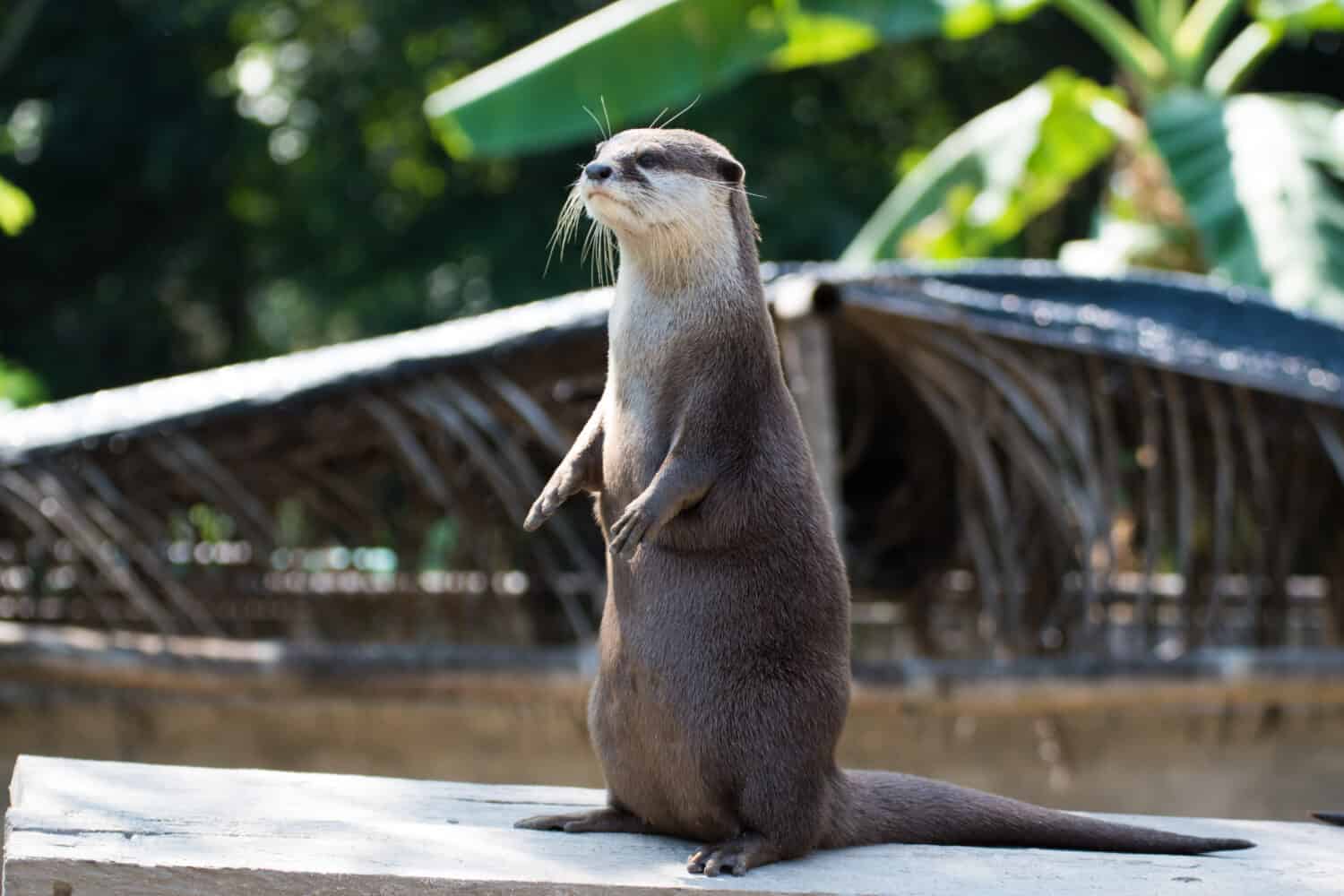
Keeping an Asian small-clawed otter (Aonyx cinereus) as a pet is widely discouraged by wildlife biologists, conservation organizations, and veterinary experts. While often depicted in social media videos, these animals are highly intelligent, socially complex wild creatures with extreme space, dietary, and psychological requirements that cannot be met in a domestic residential environment.
The Biological and Behavioral Reality of Asian Small-Clawed Otters
The Asian small-clawed otter is the smallest otter species in the world, yet its size is deceptive. To thrive, these animals require vast territories, constant access to clean, deep water, and the company of a large family group. In the wild, they live in family units of up to 15 individuals, maintaining strong social bonds through grooming and vocal communication.
When removed from this social structure, captive otters often suffer from severe psychological distress. They are not domesticated animals; they are wild predators with high metabolic rates and specific instincts. Their anatomy is evolved for swimming and foraging in aquatic environments. A domestic home, regardless of how spacious it may appear to a human, lacks the complex enrichment, temperature regulation, and aquatic access necessary for an otter to exhibit natural behaviors.
Legal Status and International Trade Restrictions
The trade of Asian small-clawed otters is heavily regulated, and in many jurisdictions, it is outright illegal to own one as a private pet. These otters are listed under Appendix I of the Convention on International Trade in Endangered Species of Wild Fauna and Flora (CITES). This international treaty prohibits the commercial trade of the species, as they are threatened by habitat loss and illegal poaching.
In 2026, many countries have moved toward stricter enforcement of these laws. Purchasing an otter often supports illegal wildlife trafficking networks that harvest cubs from the wild, frequently killing the parents in the process. Prospective owners should verify local and national regulations, but they should also be aware that possessing an animal protected by CITES without proper institutional permits and facilities is a criminal offense in most regions. Even where specific laws might appear ambiguous, local wildlife agencies often possess the authority to seize animals kept in unsuitable conditions, leading to legal action against the owner.
Critical Challenges of Captive Care
Even for professionals working in licensed zoological facilities, managing an otter requires a massive commitment of resources. The following factors represent the most significant hurdles for those considering these animals as companions.
Dietary Complexity
An otter’s diet is not comprised of standard commercial kibble. They are obligate carnivores that require a diverse intake of live prey, high-quality fish, crustaceans, and mollusks to maintain dental and digestive health. Providing this diet requires a constant supply of fresh, non-contaminated aquatic life. Improper nutrition quickly leads to metabolic bone disease and dental decay, both of which are common and fatal in poorly managed private collections.
Habitat and Water Quality
Otters are aquatic mammals that spend the majority of their time in water. This necessitates high-capacity filtration systems capable of handling the massive amount of waste they produce. Water must be kept at strict temperatures and be free of the chlorine and chemicals typically found in tap water or standard swimming pools, which can cause severe skin and respiratory infections in otters.
Behavioral Needs and Aggression
As otters reach sexual maturity, their behavior changes significantly. They are prone to biting, marking territory with strong-smelling musk, and engaging in destructive behavior if their high activity needs are not met. They do not house-train like domestic dogs or cats. Their teeth are evolved for crushing crab shells, and a bite from an adult otter can cause severe, deep tissue damage to human hands and limbs.
Comparative Analysis: Pet vs. Conservation Standards
| Feature | Domestic Dog/Cat | Asian Small-Clawed Otter |
|---|---|---|
| Social Needs | Bond with human families | Bond with large, social groups of own species |
| Diet | Commercial or balanced raw | Live aquatic prey (fish, crabs, mollusks) |
| Enclosure | Home environment | Massive aquatic/terrestrial facility |
| Domesticity | Thousands of years of selective breeding | Undomesticated; wild instinctual behavior |
| Legal Status | Legal (with standard regulations) | CITES Appendix I (Trade prohibited) |
The Impact of Social Media Misinformation
The perception of Asian small-clawed otters as "cute" or "cuddly" pets is largely a product of carefully curated, short-form video content. These clips typically show young cubs in unnatural settings. Viewers rarely see the reality: the difficulty of cleaning up after them, the intense smell, the aggression that develops as they mature, or the fact that the animal in the video is likely separated from its family—a traumatic event for any social mammal.
This trend has significantly fueled the illegal pet trade, leading to an increase in poaching activities across Southeast Asia. When an owner realizes they can no longer care for an adult otter, they often attempt to surrender them to sanctuaries. However, most facilities are already at capacity and cannot accommodate these animals, which have often been habituated to humans and lack the survival skills necessary for reintroduction into the wild.
Veterinary Care and Public Health Risks
Finding a veterinarian willing to treat an Asian small-clawed otter is exceptionally difficult. Most small-animal clinics do not have the specialized training or diagnostic equipment required to treat exotic aquatic mammals. Furthermore, otters can act as vectors for various zoonotic diseases—illnesses that can be transmitted from animals to humans. Because they inhabit and defecate in their water supply, the risk of pathogen transmission, such as salmonella or parasitic infections, is significantly higher in a private home than in a professionally managed facility where environmental hygiene is maintained to rigorous standards.
Frequently Asked Questions
Are Asian small-clawed otters legal to own in my country? In almost all jurisdictions, private ownership of Asian small-clawed otters is illegal due to their protected status under CITES. Even where laws are less clear, local wildlife departments usually classify them as restricted or prohibited wildlife. Always check with your national environmental or agricultural department before assuming ownership is possible.
Do otters behave like dogs? No. While they are highly intelligent and can learn to interact with humans, they do not possess the domesticated temperament of a dog. Their behaviors are driven by wild instincts, including intense territoriality, specialized hunting patterns, and a need for specific, complex social hierarchies that a human household cannot replicate.
How long do Asian small-clawed otters live? In professional care with ideal conditions, these otters can live for 10 to 15 years. However, in private, substandard housing, their lifespan is significantly shorter due to nutritional deficiencies, stress-related illness, and the lack of specialized veterinary intervention.
What should I do if I see an otter being sold as a pet? Do not purchase the animal, as this directly fuels the illegal wildlife trade. Instead, document the location, the seller’s information, and the condition of the animal. Report this information to your local wildlife law enforcement agency or international bodies like TRAFFIC, which monitors wildlife trade.
Can I visit an otter at a sanctuary instead? Yes. Supporting legitimate, accredited zoological facilities or wildlife sanctuaries that focus on education and conservation is the best way to appreciate these animals. These facilities operate under strict ethical guidelines and provide the complex environmental conditions that ensure the health and welfare of the species.
Next Actions for Wildlife Enthusiasts
If you have an interest in Asian small-clawed otters, the most productive path is to channel that interest toward conservation rather than ownership. Research the current threats to their wild populations, such as water pollution and habitat fragmentation. You can contribute to their survival by supporting organizations like the International Otter Survival Fund, which works globally to protect these species in their natural habitats.
Focusing on the welfare of the species as a whole, rather than the desire to possess an individual, ensures that these remarkable animals remain part of our ecosystem rather than becoming victims of the exotic pet trade. If you are seeking an animal companion, consider adopting a rescue pet from a local shelter; there are millions of domesticated animals currently in need of a home, all of which are biologically suited to live within a domestic, human-centric environment.