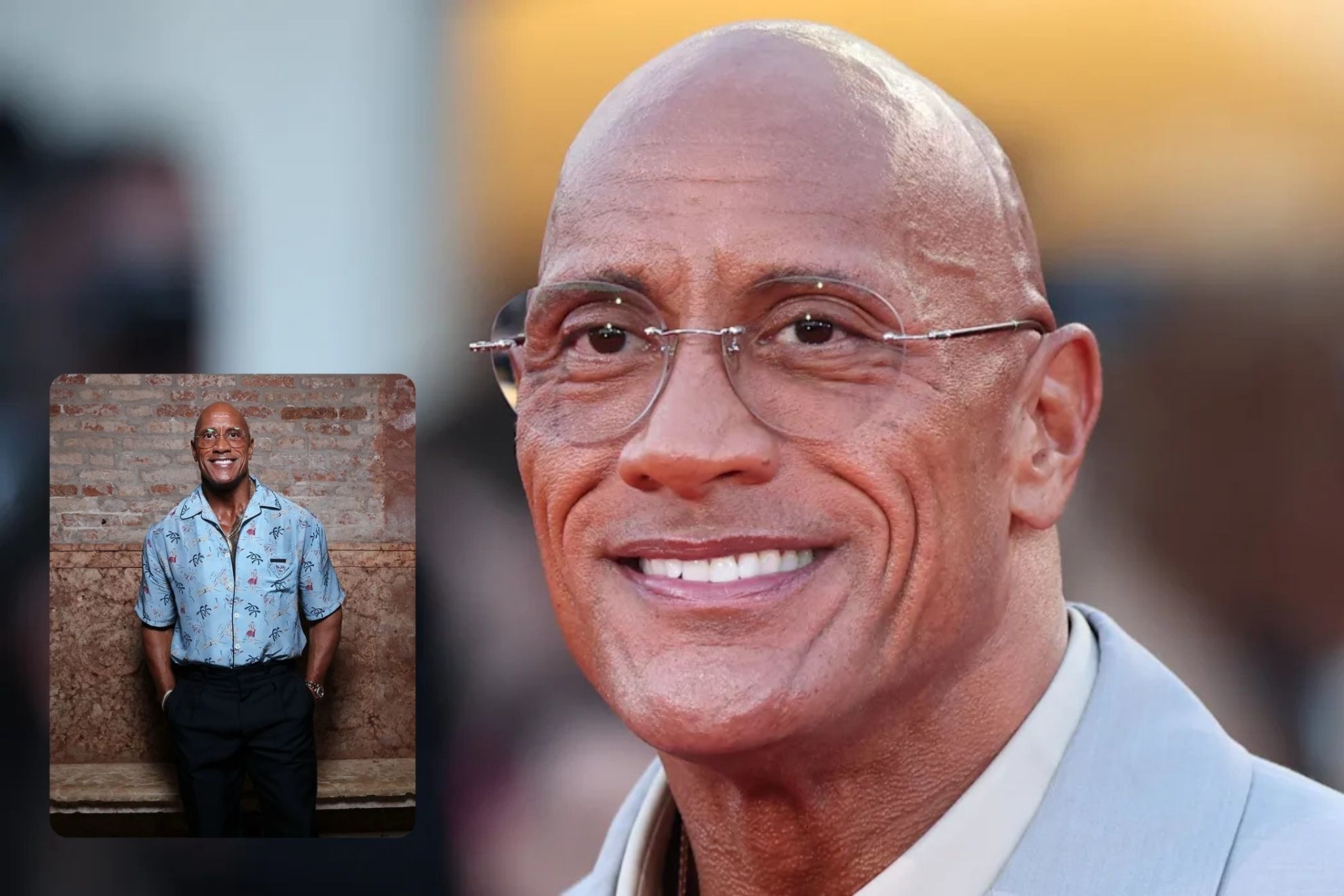
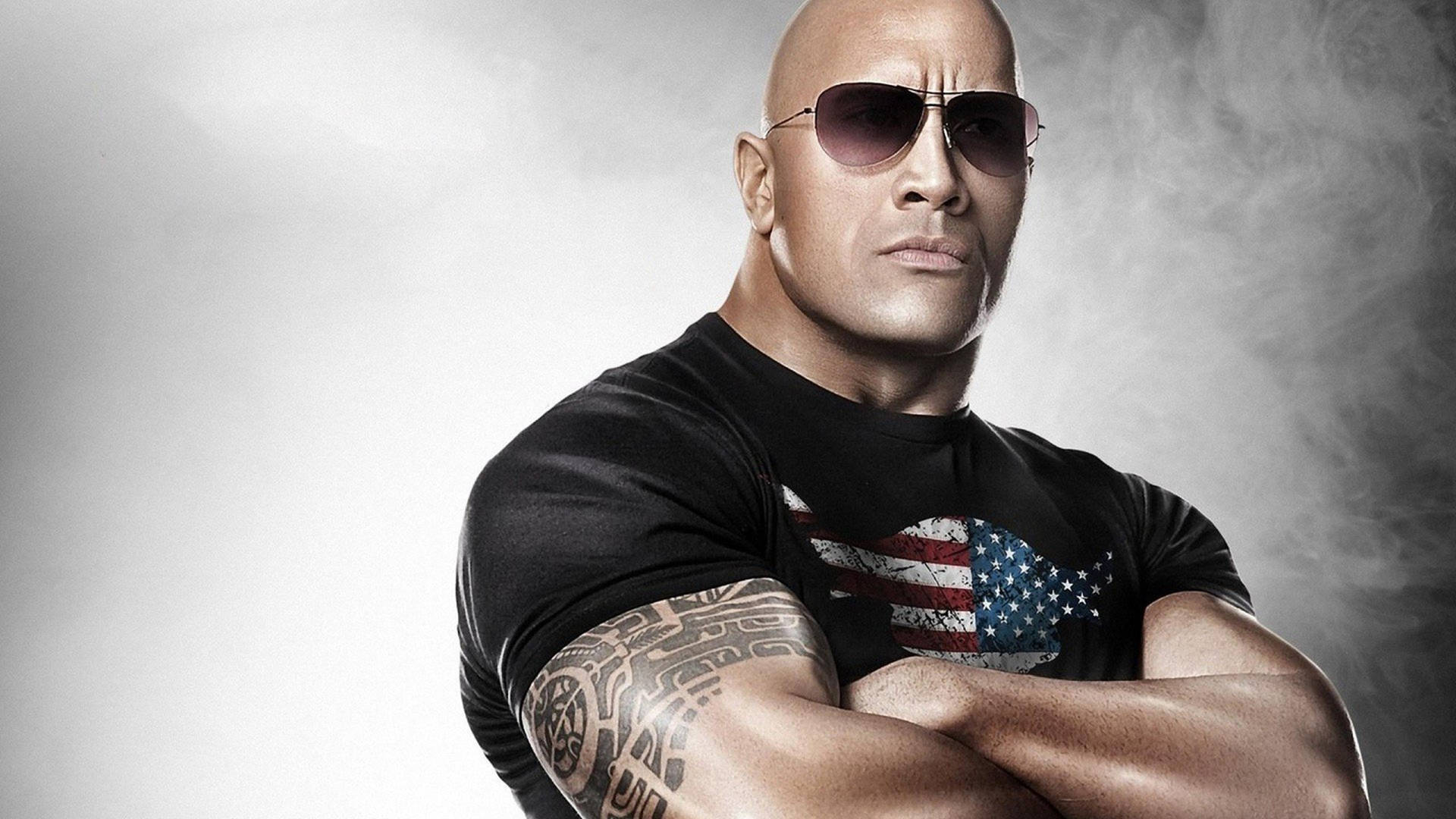
The term "Asian Dwayne The Rock Johnson" refers to a specific internet phenomenon centered on individuals whose physical resemblance to the Hollywood superstar Dwayne "The Rock" Johnson has captured global attention. Most notably, this label has been applied to Do-Gyeom Lee, an amateur bodybuilder and fitness enthusiast whose likeness to the iconic actor—specifically regarding muscular development, facial structure, and stylistic presentation—triggered a surge of viral recognition on social media platforms starting in the early 2020s.
The Rise of the Viral Double
The internet has a documented history of propelling "look-alikes" to fame. In the case of the Asian Dwayne The Rock Johnson, the phenomenon is driven by the sheer scale of the actor’s global brand. Dwayne Johnson’s career spans professional wrestling, box-office-shattering action films, and a highly publicized fitness lifestyle, making his image instantly recognizable across diverse cultural demographics. When an individual from an Asian background—such as Do-Gyeom Lee—exhibits a similar commitment to bodybuilding and displays facial features that audiences perceive as mirroring Johnson’s, the result is immediate content sharing.
This trend is not rooted in professional impersonation, but rather in the democratization of celebrity culture. Through platforms like TikTok and Instagram, fitness enthusiasts can achieve a global reach previously reserved for those with traditional media backing. For the audience, the appeal lies in the intersection of familiarity and novelty; seeing a familiar archetype in an unexpected cultural context creates a "glitch in the matrix" effect that encourages engagement, shares, and commentary.
Analyzing the Resemblance: Why We Notice
When audiences categorize someone as an "Asian Dwayne The Rock Johnson," they are typically reacting to a specific set of visual cues. In sports psychology and behavioral science, humans are hardwired for pareidolia and facial recognition—we are predisposed to find patterns in visual data. The "Rock" aesthetic is defined by:
- Muscular Symmetry: A focus on hypertrophy, particularly in the deltoids, chest, and arms, which reflects Johnson's distinct "brahmin" build.
- Grooming Standards: A clean-shaven head (often a stylistic choice associated with Johnson) combined with specific facial hair grooming that matches the actor’s signature look.
- Presence: A posture that mimics the confidence and "alpha" projection associated with Johnson’s on-screen persona.
For Do-Gyeom Lee, these traits were amplified by his training videos. By adopting poses or expressions associated with the actor, he bridged the gap between a genuine fitness journey and the viral performance of a look-alike. It is important to note that this resemblance is interpreted differently by various segments of the audience; some view it as a respectful homage, while others engage with it primarily for the humorous novelty of seeing a cultural double.
The Impact of Social Media on Celebrity Archetypes
The emergence of this trend highlights a shift in how we process fame in 2026. Celebrity identity is no longer monolithic; it is now modular. The "Dwayne Johnson" archetype—the successful, physically disciplined, charismatic titan—has become a template. Anyone who mirrors this template can, for a moment, borrow the cultural capital associated with it.
This process, however, creates unique challenges for the individuals involved. While gaining a sudden influx of followers can be a springboard for brand deals and fitness influencing, it also traps the individual within a comparative framework. Once labeled as the "Asian Dwayne The Rock Johnson," the subject often struggles to establish an identity independent of the comparison. For fitness creators, this requires a strategic pivot: leveraging the initial virality to grow an audience while gradually introducing personal content to maintain relevance long after the "look-alike" novelty fades.
Fitness Culture and the Mirror Effect
Dwayne Johnson’s influence on the global fitness industry cannot be overstated. He represents a standard of health that emphasizes longevity, discipline, and aesthetic perfection. Those who are compared to him, such as Do-Gyeom Lee, are often already deeply embedded in this culture. The resemblance is rarely accidental; it is the result of thousands of hours in the gym, specific nutritional regimens, and a dedication to a lifestyle that aligns with the "Rock" brand.
The following table breaks down the components that contribute to the "Rock" aesthetic and how viral figures often attempt to emulate them to maintain their niche standing.
| Aesthetic Pillar | Significance | How Viral Look-alikes Emulate |
|---|---|---|
| Physical Build | Core brand identity | Prioritizing high-volume bodybuilding |
| Grooming/Style | Visual signature | Maintaining a clean head and structured facial hair |
| Social Content | Audience engagement | Mirroring "Rock-style" workout cues and motivational captions |
| Attitude | Persona projection | Displaying stoic confidence and high-energy outreach |
The Ethics of Viral Labels
When an individual becomes a subject of a viral label like "Asian Dwayne The Rock Johnson," there is an implicit loss of autonomy regarding their online identity. While many may enjoy the fleeting fame, the ethics of internet culture suggest a need for boundaries. When social media users tag, comment, and share, they often disregard the person behind the look.
For the subject, this necessitates a proactive approach to reputation management. By 2026, many creators in this position have learned to embrace the comparison as a "hook" to draw in viewers, while simultaneously investing in original content—such as specific training programs, supplement reviews, or lifestyle vlogging—to ensure that their career survives beyond the temporary interest in their physical likeness.
Comparisons and Market Positioning
The comparison to Dwayne Johnson is unique because Johnson himself is a global business entity. His influence spans entertainment, apparel (Project Rock), and health (ZOA Energy). When a look-alike gains traction, they aren't just compared to an actor; they are compared to a corporation.
This makes it difficult for individuals like Do-Gyeom Lee to compete directly. Instead, the most successful strategy has been to operate within the "fitness influencer" niche. By providing value—instructional fitness content, meal planning, or community building—they provide utility to their followers that goes beyond the superficial similarity to a Hollywood star. The comparison acts as the "door," but the quality of the content determines if the follower stays for the "room."
Common Misconceptions
A recurring question in this phenomenon is whether these look-alikes are intentionally copying the actor for financial gain. While some may adopt specific mannerisms, it is rarely a formal attempt at impersonation. Most individuals, including Lee, began their journey as fitness enthusiasts who were pointed out by their community. The label is often bestowed by the internet, not claimed by the individual.
Another misconception is that the "Asian Dwayne The Rock Johnson" is a singular individual. In reality, multiple people have held this title in different regional social media ecosystems. Because the internet is siloed by language and geography, "The Rock" of the Korean fitness scene might be entirely different from the "Rock" of the Chinese or Vietnamese social media spheres. Each is a product of their local gym culture and the specific way global media is consumed within that region.
Frequently Asked Questions
Who is the most famous version of the "Asian Dwayne The Rock Johnson"? The most widely recognized individual associated with this title is Do-Gyeom Lee, a fitness content creator. His viral success stemmed from his muscular build and facial similarities, which gained significant traction on platforms like TikTok where users frequently contrasted his appearance with that of Dwayne Johnson.
Is the resemblance to The Rock a professional advantage? Yes, in the short term. It provides an immediate "hook" that draws viewers in and can accelerate the growth of a social media profile. However, it can also become a limiting factor if the creator is unable to develop an original personality or content style that resonates with audiences on its own merits.
Does Dwayne Johnson acknowledge these look-alikes? Dwayne Johnson is known for his engagement with his fanbase and has occasionally acknowledged look-alikes on his social media channels. However, he rarely engages with the "Asian Dwayne" phenomenon in a professional or formal capacity, as he focuses primarily on his own brand expansion and film projects.
Can look-alikes build a sustainable career? They can, provided they treat the "look-alike" status as a marketing entry point rather than a permanent identity. Sustainability in the fitness influencer industry in 2026 requires consistent, high-quality content, community engagement, and a move toward brand partnerships that aren't solely dependent on a celebrity resemblance.
What is the best way to interact with such content? Engaging with respect is key. Most individuals who become viral in this way are regular people who found themselves in the spotlight. Treating them as creators rather than just a curiosity ensures a healthier dynamic within the creator-follower ecosystem.
Strategic Next Steps for Content Creators
If you find yourself in the position of being a "look-alike," or if you are interested in growing your own fitness brand in 2026, focus on the transition from "visual curiosity" to "value provider."
- Define Your Niche: If you look like The Rock, perhaps your niche is heavy lifting or high-intensity interval training. Own that specific category.
- Develop a Personal Voice: Move beyond the silent or performative videos that rely on the resemblance. Start narrating your workouts, explaining your nutritional philosophy, or sharing your personal struggles.
- Engage the Community: Respond to your audience with your own personality. The moment you start speaking and showing your own humor, the "look-alike" comparison fades into the background, and your individual brand takes over.
- Avoid Over-Reliance: Do not lean into the comparison for every single post. If 100% of your content is about The Rock, you will only ever be a second-best version of that brand. Ensure that the majority of your content represents you.
The "Asian Dwayne The Rock Johnson" is a testament to the power of the internet to create global icons from local gym floors. By understanding the mechanisms behind this viral phenomenon, creators can better navigate their journey from digital curiosity to respected authority in the fitness space.