The term "Arctic flower revealed" refers to the dual phenomenon of ancient botanical specimens being uncovered from thawing permafrost and the unprecedented "greening" of the High Arctic. In 2026, researchers are focusing on the successful regeneration of Pleistocene-era seeds and the shifting phenology of indigenous species like the Arctic Poppy as temperatures rise.
The Significance of the "Revealed" Arctic Flower Phenomenon
The Arctic is often perceived as a desolate, ice-covered wasteland, yet it is home to a surprisingly resilient array of flora. When we speak of an "Arctic flower revealed," we are typically discussing one of two scientific frontiers. The first is the physical revelation of ancient plant matter. As permafrost—ground that has remained frozen for at least two consecutive years—begins to degrade due to global thermal shifts, it releases biological material that has been "locked" in a cryoprompt state for millennia. This includes seeds, pollen, and intact floral tissues that offer a genetic window into the Earth's past.
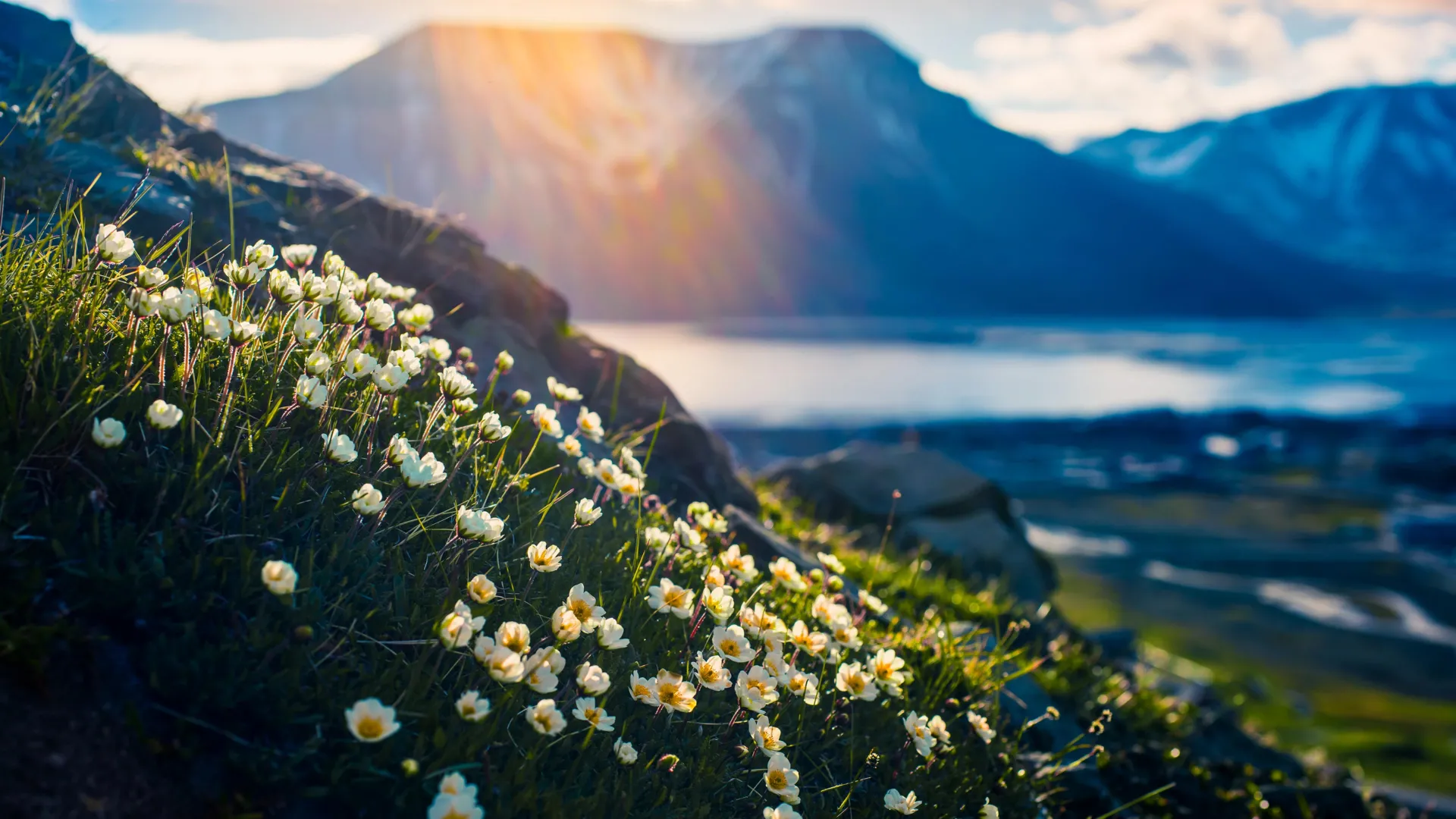
The second interpretation involves the ecological "reveal" caused by the "greening of the Arctic." This is a documented trend where satellite imagery shows an increase in biomass across the tundra. Species that were once rare or dormant are blooming in greater density and expanding their ranges northward. For scientists, this revelation is bittersweet; while the beauty of a flowering tundra is undeniable, it signals a fundamental breakdown of the cryosphere that has regulated the global climate for millions of years.
Understanding these revealed flowers requires looking at the intersection of cryobiology, paleobotany, and modern ecology. As of 2026, the focus has shifted from mere observation to active genomic sequencing. Scientists are now asking how these plants survived extreme conditions and what their "reappearance" means for the future of global food security and biodiversity.
Ancient Flora: The Case of the 30,000-Year-Old Silene stenophylla
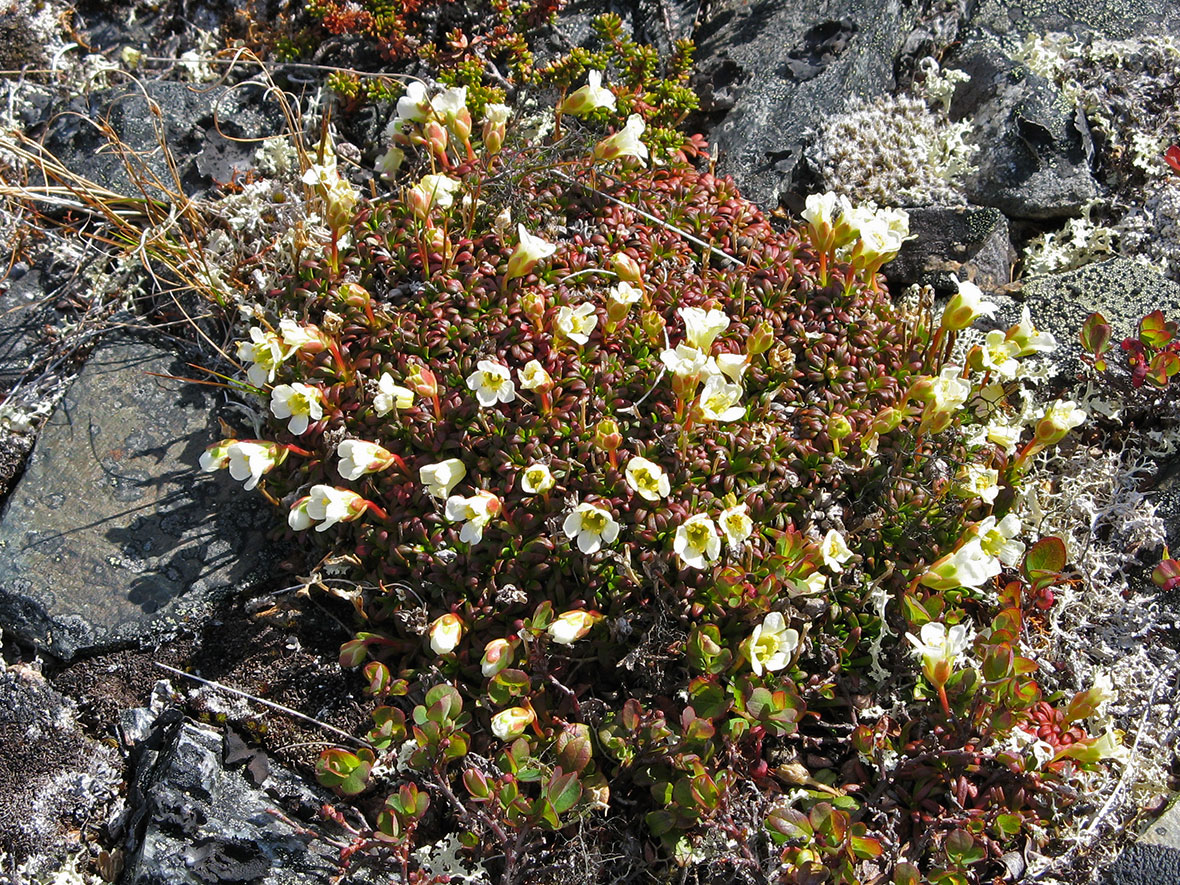
The most dramatic instance of an Arctic flower being revealed involves the Silene stenophylla, or the narrow-leafed campion. Originally discovered by a team of Russian scientists in the Kolyma River Basin, these seeds were buried approximately 125 feet below the surface in fossilized squirrel burrows. Radiocarbon dating confirmed the seeds were roughly 32,000 years old, dating back to the Late Pleistocene epoch.
The process of "revealing" this flower was not simply a matter of finding it. The seeds themselves were not initially viable in the traditional sense. Instead, researchers utilized placental tissue from the immature fruits found in the permafrost. By employing in vitro tissue culture techniques, they were able to regenerate the plants. When these "revealed" flowers finally bloomed, they appeared remarkably similar to modern-day Silene stenophylla, though with subtle differences in petal shape and seed production.
The survival of these seeds is attributed to the "natural refrigerator" effect of the Siberian permafrost. The environment provided a constant, sub-zero temperature and a lack of oxygen, which prevented the degradation of cellular structures. In 2026, this remains a cornerstone of cryobiological research, as it proves that complex multicellular organisms can be preserved for geological timescales. This discovery has significant implications for the Svalbard Global Seed Vault, reinforcing the efficacy of long-term frozen storage for genetic preservation.
The Biology of Resilience: How Arctic Flowers Survive
The flowers revealed in the High Arctic today are masterpieces of biological engineering. To survive in an environment where the growing season may be as short as six weeks, these plants have developed specialized adaptations that distinguish them from their temperate relatives.
Heliotropism and Solar Tracking
Many Arctic flowers, most notably the Papaver radicatum (Arctic Poppy), exhibit heliotropism. The petals are shaped like parabolic reflectors, designed to track the sun’s movement across the sky. This serves a dual purpose: it focuses solar radiation onto the reproductive organs (the pistils and stamens), accelerating the development of seeds, and it creates a warm micro-environment that attracts pollinators like bumblebees and flies. Research published in Nature Communications has shown that the center of an Arctic Poppy can be up to 10 degrees Celsius warmer than the surrounding air.
Anthocyanin Accumulation
The vibrant purples and reds seen in flowers like the Saxifraga oppositifolia (Purple Saxifrage) are not just for show. These colors are produced by anthocyanins, pigments that protect the plant's DNA from high levels of ultraviolet (UV) radiation. In the thin atmosphere of the Arctic, and with 24-hour sunlight during the summer, UV protection is critical. These pigments also help the plant absorb more heat, allowing metabolic processes to occur even when the ground is still partially frozen.
Polyploidy and Genetic Redundancy
A significant number of Arctic plants are polyploid, meaning they possess more than two complete sets of chromosomes. This genetic redundancy is believed to be an evolutionary safeguard. If extreme cold or UV radiation damages a portion of the genome, the plant has "backup" copies of essential genes. This robustness is a key reason why these species can be "revealed" and successfully grown even after thousands of years of dormancy.
The Greening of the Arctic: An Ecological Revelation
In 2026, the "Greening of the Arctic" is no longer a fringe observation but a central theme in polar science. Using the Normalized Difference Vegetation Index (NDVI), researchers track the "greenness" of the landscape from space. The revelation here is the rapid conversion of moss-and-lichen-dominated landscapes into shrub-and-flower-dominated ones.
| Species Name | Common Name | Reveal Context | Primary Adaptation |
|---|---|---|---|
| Silene stenophylla | Narrow-leafed Campion | Ancient Seed Resurrection | Cryopreservation in Permafrost |
| Papaver radicatum | Arctic Poppy | Range Expansion | Parabolic Heliotropism |
| Saxifraga oppositifolia | Purple Saxifrage | Early Blooming | Low-growth Cushion Habit |
| Dryas octopetala | Mountain Avens | Increased Density | Symbiotic Nitrogen Fixation |
| Salix arctica | Arctic Willow | Shrubification | Prostrate Growth (Hugging Ground) |
This shift has profound consequences. Larger shrubs trap more snow, which insulates the ground during winter. Paradoxically, this insulation prevents the ground from cooling deeply, which further accelerates permafrost thaw. This feedback loop is one of the primary drivers behind the "revealed" ancient flora appearing in modern soil layers.
Challenges and Risks of the Revealed Landscape
While the discovery of ancient flowers is scientifically thrilling, it comes with inherent risks. The same permafrost that preserves seeds also preserves ancient pathogens. The "revelation" of biological material from the Pleistocene raises concerns about "giant viruses" or bacteria that modern ecosystems are not equipped to handle.
Furthermore, there is the issue of phenological mismatch. Arctic flowers are programmed to bloom based on light and temperature cues. As the Arctic warms, flowers are blooming earlier. However, the insects that pollinate them—such as specific species of midges and bees—may not emerge at the same time. If the "revealed" flower blooms before its pollinator arrives, it cannot produce seeds, leading to a potential population collapse.
In 2026, conservationists are also monitoring the "Browning" effect. In some areas, extreme weather events or pest outbreaks (moving north from temperate zones) cause sudden vegetation die-offs. This suggests that the Arctic "reveal" is not a uniform march toward a greener planet, but a chaotic and unstable transition.
Technical Methods for Identifying Revealed Flora
Identifying a "revealed" flower—especially one that has been dormant for thousands of years—requires a multi-disciplinary approach. In 2026, the following methods are standard:
- Environmental DNA (eDNA) Sampling: Scientists can now detect the presence of specific flower species by sampling the soil or meltwater, even if the flower hasn't physically bloomed yet. This allows for a "preview" of what might be revealed as the ice melts.
- Radiocarbon Dating: This remains the gold standard for determining the age of organic matter. By measuring the decay of Carbon-14, researchers can confirm if a seed belongs to the modern era or the Pleistocene.
- Genomic Comparative Analysis: By sequencing the DNA of a resurrected flower and comparing it to modern herbarium specimens, researchers can track evolutionary changes. This helps identify which traits were lost over time and which were conserved.
- Hyperspectral Imaging: Drones equipped with hyperspectral cameras can "see" the chemical signatures of different plants across vast, inaccessible reaches of the Siberian or Canadian tundra. This technology is vital for mapping the "revealed" expansion of specific floral colonies.
Ethical and Practical Implications for 2026
The ability to reveal and resurrect ancient life brings us to an ethical crossroads. Some scientists argue that we should focus on preserving existing species rather than spending resources on "de-extinction" or the regeneration of ancient seeds. However, the genetic material found in these ancient Arctic flowers could be the key to developing crops that can survive the volatile climates of the mid-21st century.
For instance, the drought resistance and frost-tolerance genes found in the Silene stenophylla are currently being studied for potential transfer into wheat and barley. In this sense, the revealed Arctic flower is not just a relic of the past; it is a blueprint for future agricultural resilience.
Frequently Asked Questions
Can anyone find an "Arctic flower revealed" in the wild?
While it is possible for hikers in regions like Svalbard or Northern Alaska to see rare blooms, the discovery of ancient, "revealed" seeds is usually restricted to areas of active permafrost erosion, such as riverbanks or coastal bluffs. These areas can be dangerous due to ground instability. It is always recommended to observe Arctic flora from a distance to avoid damaging the fragile tundra crust.
Are these revealed ancient plants invasive?
Generally, no. Ancient plants like the Silene stenophylla are ancestors or close relatives of current species. They occupy similar ecological niches. However, the real invasive threat comes from "southern" plants moving into the Arctic because of warming temperatures, which can outcompete the native "revealed" flora.
How does permafrost thaw "reveal" these flowers?
Permafrost acts like a structural glue. As it thaws, the soil loses its integrity, leading to "thermokarst" events—slumps, landslides, and sinkholes. These events physically push buried layers of soil and organic matter to the surface, exposing seeds and tissues that have been hidden for millennia.
Why is 2026 a significant year for this research?
By 2026, several long-term studies initiated in the early 2020s regarding Arctic "greening" and seed viability have reached maturity. We now have more sophisticated genomic tools and a larger network of automated tundra sensors than ever before, providing a clearer picture of how rapidly the Arctic landscape is changing.
Can the resurrected flowers survive in a normal garden?
Technically, yes, if the conditions mimic their natural habitat (well-drained, nutrient-poor soil and specific light cycles). However, most resurrected specimens are kept in controlled laboratory environments or specialized botanical gardens to prevent cross-contamination with modern wild populations and to ensure their survival for study.
Final Recommendation for Researchers and Observers
For those interested in the "Arctic flower revealed" phenomenon, the most practical next step is to follow the real-time data provided by the National Snow and Ice Data Center (NSIDC) and the Arctic Council’s Conservation of Arctic Flora and Fauna (CAFF) working group. These organizations provide updated maps of vegetation changes and permafrost status.
For amateur enthusiasts, supporting "Citizen Science" initiatives that use apps like iNaturalist to document High Arctic blooms can provide invaluable data for professional researchers. As we move deeper into 2026, the focus must remain on documentation and preservation; the flowers being revealed today are the last witnesses to an ice age that is rapidly disappearing, and their genetic legacy is a resource we cannot afford to lose.