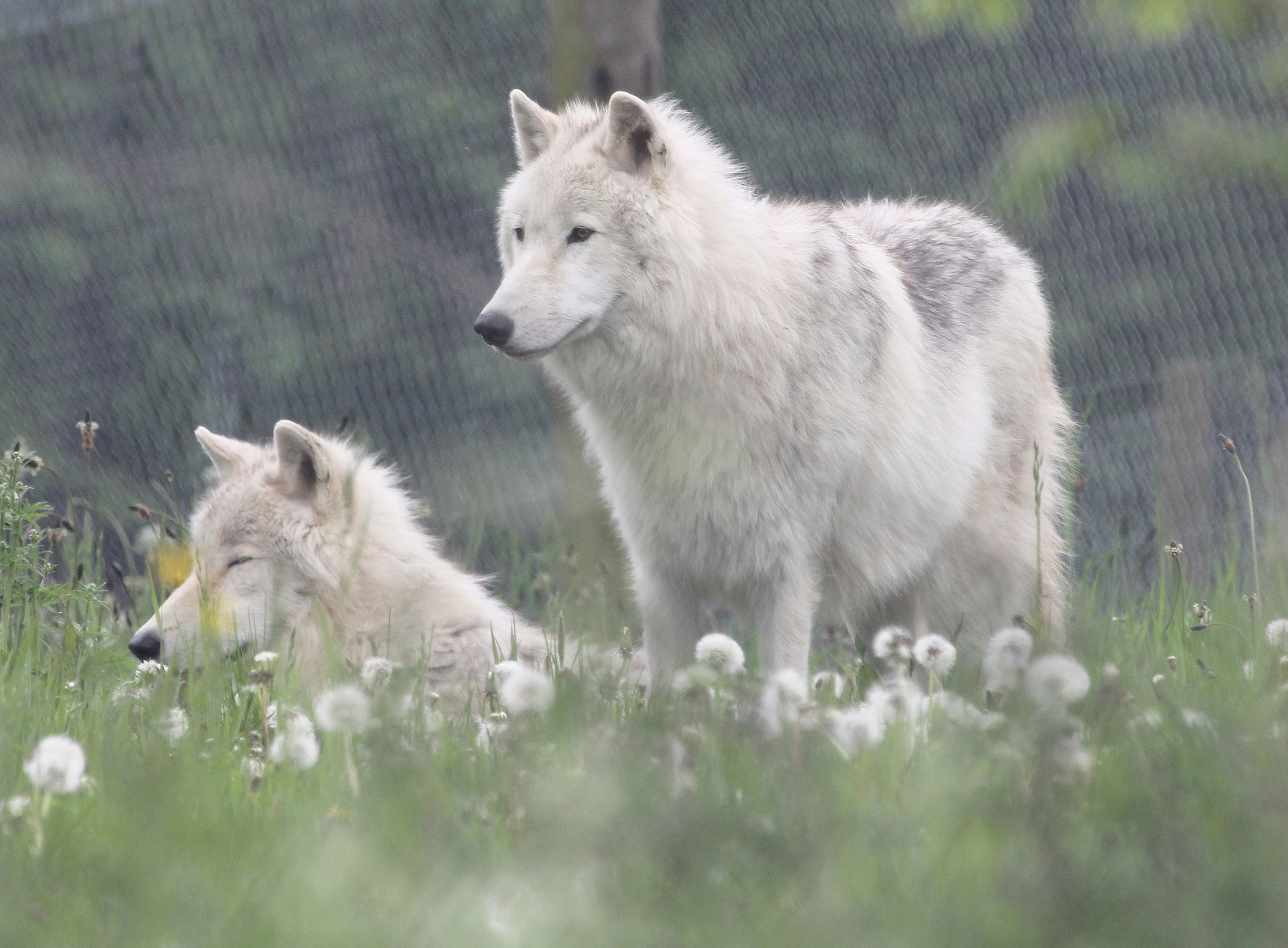
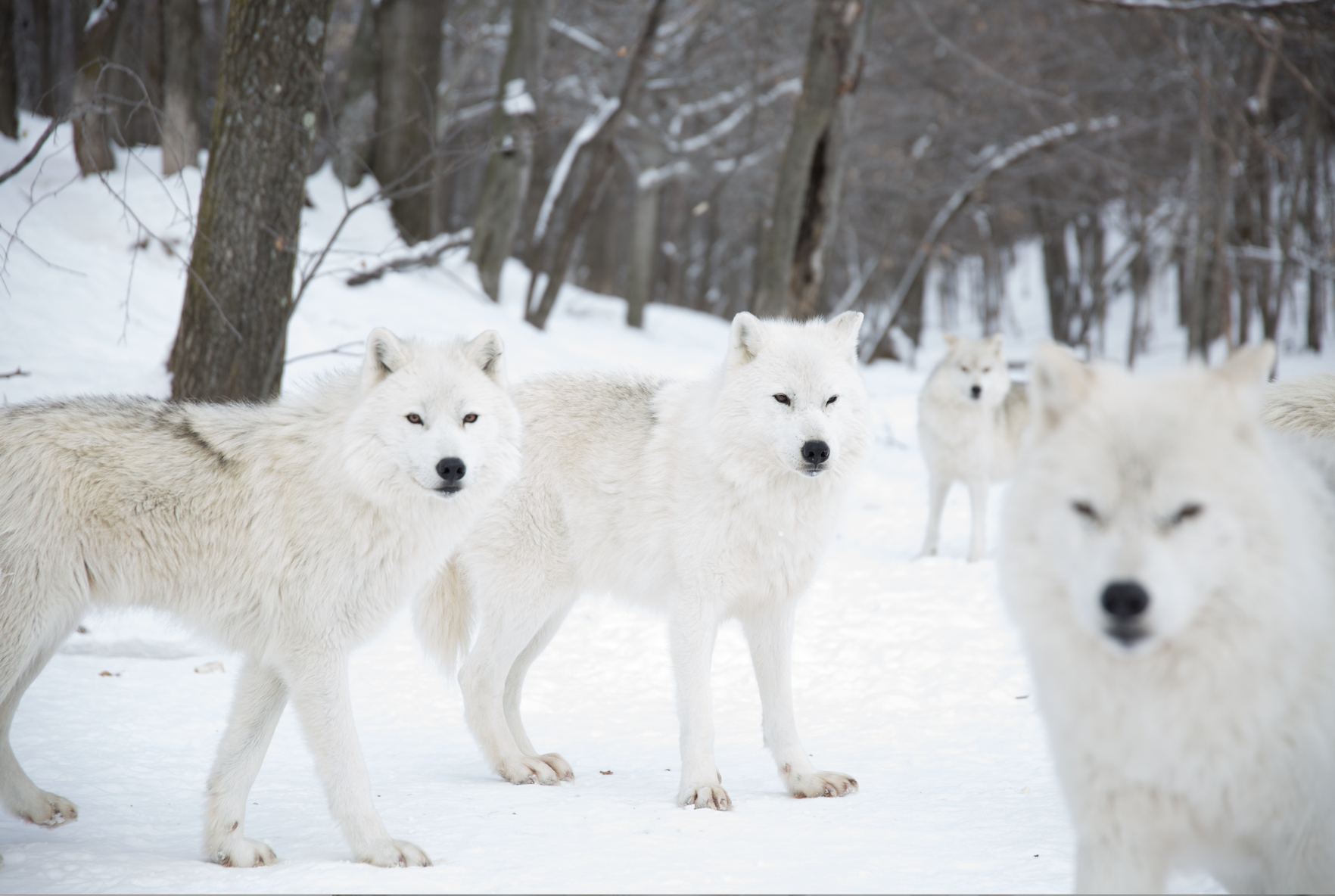
Arctic wolves survive the extreme conditions of the high Arctic through specialized behavioral adaptations, including high-stamina hunting techniques, flexible social structures, and unique denning habits. Unlike other subspecies, they exhibit extreme territorial mobility and communal pup rearing, allowing them to thrive in environments where food is scarce and temperatures remain below freezing for most of the year.
The Arctic wolf (Canis lupus arctos), a resilient subspecies of the gray wolf, inhabits some of the most inhospitable terrain on Earth. Spanning the Queen Elizabeth Islands, from Melville Island to Ellesmere Island, and the northern coast of Greenland, these predators face a landscape defined by permafrost, months of total darkness, and temperatures that regularly plunge below -50°C. While their physical traits—such as thick white pelage and shorter extremities—are vital, it is their complex behavioral repertoire that truly facilitates their survival. As of 2026, ethologists continue to study these animals as primary indicators of Arctic ecosystem health, noting that their behavioral plasticity is their greatest asset in a rapidly shifting climate.
The Social Architecture of the Arctic Wolf Pack
The fundamental unit of Arctic wolf life is the pack. While southern gray wolves often operate in packs of five to twelve individuals, the Arctic wolf pack structure is highly elastic, ranging from a lone pair to upwards of twenty members depending on the seasonal availability of prey. This social fluidity is a primary behavioral adaptation to the "feast or famine" nature of the high North.
Hierarchy and Cohesion
At the core of the pack is the breeding pair, formerly referred to as the alpha male and female. In the Arctic, this hierarchy is less about aggressive dominance and more about organized resource management. Because the environment offers zero margin for error, internal pack conflict is minimal compared to southern subspecies. Social cohesion is maintained through elaborate greeting ceremonies, muzzle-licking, and submissive posturing, which reinforce bonds without the need for energy-expending combat.
Communal Pup Rearing
One of the most distinct behavioral adaptations in Arctic wolves is the high degree of communal care. In southern climates, subordinates may sometimes attempt to breed, but in the Arctic, the entire pack typically supports only the offspring of the primary pair. Subordinate adults act as "babysitters," staying with the pups while the rest of the pack hunts. This behavior ensures a higher survival rate for the few pups born each year, as the treacherous environment and presence of predators like polar bears necessitate constant vigilance.
Communication in Total Darkness
For several months of the year, the Arctic is shrouded in the "Polar Night." Behavioral adaptations for communication during this time rely less on visual cues and more on vocalizations and scent. Arctic wolves utilize long-range howling to locate pack members and define territory boundaries in the dark. Their howls are lower in frequency than those of southern wolves, a trait that allows the sound to carry more effectively across the flat, frozen tundra. Scent marking also becomes more frequent during the winter months, providing a chemical map for the pack to navigate their massive territories.
Specialized Hunting and Foraging Strategies
Arctic wolves are pursuit predators that have adapted their hunting behaviors to account for the unique defensive mechanisms of their primary prey: the muskox and the Arctic hare. Because prey density is significantly lower in the high Arctic than in temperate forests, the behavioral cost of a failed hunt is extremely high.
The Strategic Hunt of Muskoxen
Muskoxen are formidable prey that utilize a "circle defense," where the adults face outward with their horns to protect the young. Arctic wolves have developed a behavioral "testing" strategy to counter this. Instead of a direct assault, the pack will circle the muskoxen for hours, or even days, looking for a moment of panic. The goal is to break the circle and force a stampede. Once the muskoxen run, the wolves identify the weakest or slowest individual—often a calf or an elderly adult—and use their superior stamina to wear the animal down.
Opportunistic Foraging and Diet Breadth
While muskoxen and caribou are preferred, Arctic wolves exhibit highly opportunistic hunting behavior. They are known to spend hours patiently waiting outside the burrows of Arctic hares or lemmings. In coastal regions, they have been observed scavenging on marine mammal carcasses, such as seals or whales, left behind by polar bears or washed ashore. This behavioral flexibility—moving from large-game hunting to small-mammal stalking—is essential for surviving periods when larger herds have migrated out of reach.
Consumption Patterns and Waste Minimization
When a kill is made, Arctic wolves exhibit a "gorge and starve" behavior. A single wolf can consume up to 20 pounds of meat in a single sitting. Unlike wolves in the south that might leave portions of a carcass for scavengers, Arctic wolves are behaviorally inclined to consume almost everything, including bones and hide. This thoroughness is a behavioral response to the unpredictability of the next meal.
Navigating the Arctic Landscape: Territoriality and Migration
The concept of territory for an Arctic wolf is vastly different from that of its southern cousins. Due to the scarcity of food, Arctic wolves must maintain enormous home ranges to find sufficient nutrition.
Massive Home Ranges
While a typical gray wolf pack might claim 100 to 500 square miles, an Arctic wolf pack often patrols a territory exceeding 1,000 square miles. Their behavioral adaptation to this is a semi-nomadic lifestyle. They do not "defend" their borders in the traditional sense of constant patrol; rather, they move constantly in a circuit, following the migratory paths of caribou. This nomadic behavior prevents over-predation in any single area and ensures the pack remains near its food source.
Tolerance and Conflict Avoidance
Because the population density of wolves in the high Arctic is so low, inter-pack conflict is relatively rare. When packs do encounter one another, the behavioral response is often avoidance rather than the lethal territorial disputes seen in Yellowstone or European forests. In an environment where every calorie counts, the behavioral choice to avoid a fight is a significant survival advantage.
Reproductive Adaptations and Denning Behaviors
The physical environment of the Arctic, specifically the presence of permafrost, has forced Arctic wolves to alter their reproductive and denning behaviors fundamentally.
Utilizing Natural Rock Formations
In most regions, wolves dig deep underground dens to protect their pups. In the Arctic, the ground is frozen solid just a few inches below the surface. Consequently, Arctic wolves have adapted to use natural rock outcroppings, caves, or shallow depressions in the lee of hills. These "traditional" denning sites are often used by the same pack for decades or even centuries, as suitable locations are rare.
Delayed Maturity and Smaller Litters
Arctic wolves typically have smaller litters (2–3 pups) compared to gray wolves (5–7 pups). Behavioral and physiological trade-offs result in the breeding pair waiting until they are older to produce their first litter. By delaying reproduction until they are fully experienced hunters and the pack is sufficiently large, they increase the likelihood that the pups will survive their first brutal winter.
Energy Conservation and Thermoregulation Through Behavior
Surviving -50°C requires more than just fur; it requires a behavioral strategy to minimize heat loss and caloric expenditure.
The "Curled" Sleep Position
When resting, Arctic wolves exhibit a specific behavioral posture. They curl into a tight ball, tucking their sensitive noses and paw pads under their thick, bushy tails. By minimizing the surface area exposed to the wind, they can sleep through blizzards that would kill less adapted animals.
Activity Budgeting
Arctic wolves are masters of energy conservation. During extreme storms or periods of prey absence, the pack will remain inactive for days at a time. This behavioral "low-power mode" reduces the basal metabolic rate, allowing them to stretch their fat reserves. Conversely, they are most active during the twilight hours of the Arctic spring and autumn, timing their movements to coincide with the activity patterns of their prey.
Behavioral Comparison: Arctic Wolf vs. Southern Gray Wolf
To understand the specificity of these adaptations, it is helpful to compare the Arctic wolf with the more generalized gray wolf.
| Behavioral Category | Arctic Wolf (C. l. arctos) | Southern Gray Wolf (C. l. lupus) |
|---|---|---|
| Territory Management | Semi-nomadic; vast ranges (1,000+ sq miles). | Sedentary; fixed territories (50–500 sq miles). |
| Denning Behavior | Uses rock crevices and caves due to permafrost. | Digs deep underground burrows in soft soil. |
| Pack Interaction | High social cohesion; minimal inter-pack conflict. | Frequent territorial disputes; lethal competition. |
| Hunting Style | Extreme endurance pursuit; multi-day tracking. | Mix of ambush and short-to-medium pursuit. |
| Human Interaction | Naturally curious/fearless due to isolation. | Highly cautious and avoidant of human contact. |
| Reproductive Strategy | Small litters; communal rearing is mandatory. | Larger litters; communal rearing is optional. |
Modern Challenges and Behavioral Shifts in 2026
As of 2026, the Arctic is warming at nearly four times the global average. This environmental shift is forcing Arctic wolves to adapt their behaviors in real-time. Changes in sea ice duration are affecting the migration routes of caribou, which in turn forces wolf packs to alter their traditional territorial circuits.
Furthermore, the "greening" of the Arctic—the northward expansion of shrubs and boreal plants—is bringing southern gray wolves into contact with Arctic wolves. This is leading to observed changes in territorial defense behaviors as Arctic wolves are forced to compete for resources they previously held exclusively. Monitoring these behavioral shifts is critical for conservationists, as the loss of these specialized behaviors could signal the eventual hybridization or displacement of the subspecies.
Interaction with Human Infrastructure
With the expansion of mining and northern shipping routes, Arctic wolves are encountering humans more frequently. Historically, because they had no "cultural memory" of hunting by humans, Arctic wolves were famously unafraid, often approaching researchers with curiosity. However, recent observations in 2026 suggest a behavioral shift toward greater caution in areas with high industrial activity, indicating that these wolves are capable of rapid social learning and behavioral adaptation to new threats.
Frequently Asked Questions
Why do Arctic wolves have smaller ears than other wolves?
While primarily a physical adaptation to reduce heat loss (Allen's Rule), it affects their behavior by making them more reliant on their sense of smell and low-frequency vocalizations. Smaller ears are less prone to frostbite, allowing the wolf to remain active in wind-chill conditions that would force other animals to seek shelter.
How do Arctic wolves find water in the winter?
In the high Arctic, liquid water is non-existent for much of the year. Arctic wolves satisfy their hydration needs through the moisture in their prey's blood and tissue, and by eating snow. Behaviorally, they are highly selective about the snow they consume, often seeking out fresh, clean drifts to avoid ingesting debris or excessively cold, compacted ice that would lower their core temperature too rapidly.
Do Arctic wolves hibernate?
No, Arctic wolves do not hibernate. They remain active throughout the winter, even during the four months of total darkness. Their behavioral adaptation to the dark involves using their exceptional night vision and tactile whiskers to navigate the ice and snow, continuing to hunt muskoxen and caribou year-round.
Are Arctic wolves solitary hunters?
While they are capable of hunting small prey like Arctic hares individually, they are primarily pack hunters. The size and strength of their main prey, the muskox, make solitary hunting extremely dangerous and often unsuccessful. Pack hunting is a collective behavioral adaptation that maximizes the caloric return for the entire group.
How has climate change affected their hunting behavior?
Recent studies in 2026 indicate that thinning sea ice has made it more difficult for wolves to cross between islands to follow migratory caribou. This has led to an increase in "island-bound" behavior, where packs are forced to rely more heavily on resident muskox populations or smaller prey, potentially leading to local over-predation.
Practical Recommendations for Wildlife Observation
For researchers or wildlife enthusiasts traveling to the northern territories (such as Ellesmere Island or Northern Greenland) in 2026, understanding these behaviors is vital for safety and ethical observation. Always maintain a distance of at least 500 meters to avoid disrupting the pack's energy-saving rest periods. Because Arctic wolves are naturally curious, they may approach humans; in these instances, it is crucial to remain still and avoid offering food, as food-conditioning can destroy the very behavioral adaptations that allow them to survive in the wild.
The survival of the Arctic wolf depends on the preservation of the vast, uninterrupted landscapes that permit their nomadic behavioral patterns. As we look toward the later half of the 2020s, protecting these migratory corridors remains the single most effective way to ensure the continued existence of this master of the High North.