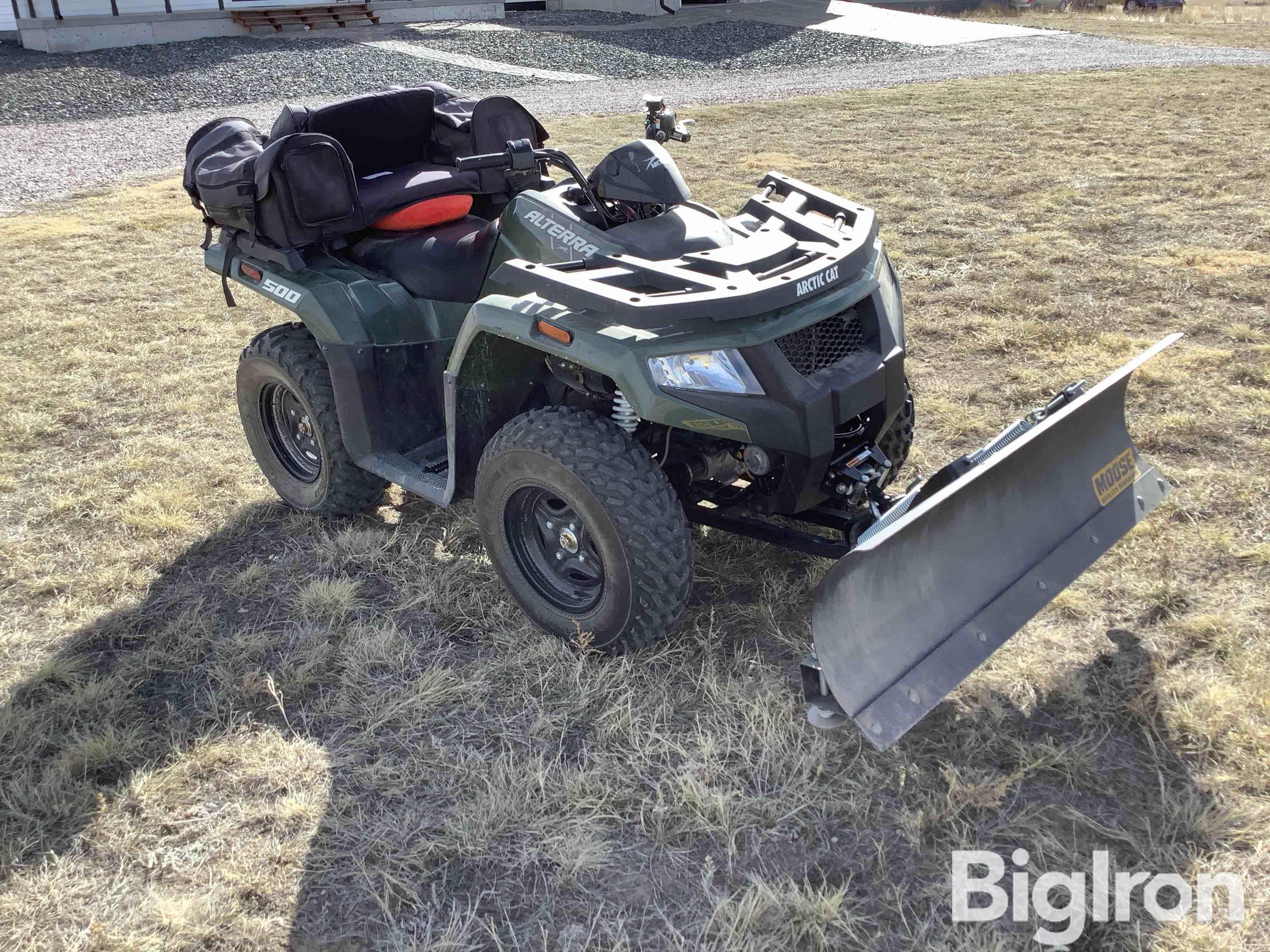
Arctic Cat diesel quads, primarily represented by the 700 Diesel model, are heavy-duty utility ATVs engineered for high-torque tasks and extreme fuel efficiency. Utilizing a 686cc Lombardini twin-cylinder engine, these machines are compatible with multiple fuel types, including DF1, DF2, and JP8, making them essential tools for agricultural, industrial, and military operations where durability and fuel commonality are prioritized over raw speed.
The Evolution and Legacy of the Arctic Cat Diesel Series
The Arctic Cat 700 Diesel occupies a unique niche in the history of all-terrain vehicles. While the majority of the ATV market has historically focused on gasoline-powered engines designed for recreation and high-speed trail riding, Arctic Cat recognized a growing demand for a "work-first" machine. Introduced in the mid-2000s and refined over several production cycles, the diesel quad was designed to mirror the utility of a tractor rather than a sport vehicle.
As of 2026, these machines remain highly sought after in the secondary market. Their reputation for longevity is well-earned, as diesel engines typically outlast their gasoline counterparts when subjected to high-hour duty cycles. The project was born from a need for fuel consistency on job sites and military bases, where diesel or kerosene-based fuels are more readily available than high-octane gasoline. This led to the development of a platform that could handle the rigorous demands of towing, hauling, and long-range patrolling without the frequent refueling stops required by traditional ATVs.
The primary appeal of the Arctic Cat diesel quad lies in its industrial-grade engineering. Unlike many "utility" quads that are essentially sport frames with racks added, the Arctic Cat 700 Diesel was built around the massive weight and vibration profiles of a compression-ignition engine. This necessitated a reinforced chassis and a specialized transmission system capable of managing the low-end grunt produced by the Lombardini powerplant.
Technical Specifications: The Lombardini LDW 702/P Engine
At the heart of the Arctic Cat diesel quad is the Lombardini LDW 702/P. This engine is a liquid-cooled, 686cc, four-stroke, overhead cam (OHC) twin-cylinder unit. Understanding this engine is crucial for any owner or prospective buyer in 2026, as it differs significantly from the Rotax or single-cylinder gas engines found in most other quads.
Compression and Power Delivery
The Lombardini engine operates on a high compression ratio, which allows it to generate peak torque at very low RPMs. While the horsepower figures (typically around 18–20 hp) might seem low compared to modern 700cc gasoline engines that push 45–50 hp, the torque-to-weight ratio is where this machine excels. The power delivery is linear and predictable, providing the "lugging" capability required to pull heavy trailers or implements through deep mud without spinning the tires excessively.
Multi-Fuel Capability
One of the most significant technical advantages of this quad is its fuel versatility. It is officially rated to run on:
- DF1 and DF2 Diesel: Standard commercial diesel fuels.
- Biodiesel: Up to B20 blends (depending on the specific model year and seals).
- JP8: Military-grade jet fuel, which allowed these units to be integrated into NATO and US military fleets.
This capability is achieved through a robust mechanical fuel injection system that is less sensitive to fuel quality than the high-pressure common rail systems found in modern diesel trucks. For ranchers and remote workers, this means the quad can often be refueled from the same tank used for tractors or heating systems.
Performance Characteristics and Operational Limits
Operating an Arctic Cat diesel quad is a different experience than riding a gas-powered unit. In 2026, as electric ATVs become more common, the mechanical, tactile nature of the diesel quad stands out even more.
Speed vs. Torque
The top speed of a stock Arctic Cat 700 Diesel is generally governed to approximately 35–40 mph. For users accustomed to gas quads that can hit 60 mph, this can feel restrictive. However, the diesel quad is not designed for racing. Its strength lies in its drawbar pull. Whether you are pulling a log out of a woodlot or a bogged-down UTV, the diesel quad maintains steady momentum where gas engines might stall or overheat their CVT belts.
Fuel Economy
The fuel efficiency of the 700 Diesel is nearly double that of a comparable 700cc gasoline ATV. Under standard work loads, these machines can operate for a full day—or even multiple days—on a single 5.5-gallon tank. This range makes them the premier choice for overlanding and long-distance fence inspections where carrying extra fuel cans is inconvenient or dangerous.
Weight and Stability
With a dry weight approaching 800 pounds, the Arctic Cat diesel is heavy. This weight is a double-edged sword. On the plus side, it provides excellent traction; the tires are pressed firmly into the ground, allowing the lugs to bite. On the downside, it makes the quad more difficult to manhandle if it becomes high-centered. The heavy engine sits low in the frame, which contributes to a low center of gravity, making it surprisingly stable on side-hills despite its bulk.
Comparing the Arctic Cat Diesel to Gasoline Alternatives
To understand the value proposition in 2026, it is helpful to compare the diesel model against its closest gasoline-powered relative from the same era, the Arctic Cat 700 TRV or Core models.
| Feature | Arctic Cat 700 Diesel | Arctic Cat 700 EFI (Gas) |
|---|---|---|
| Engine Type | 686cc Twin-Cylinder Diesel | 695cc Single-Cylinder Gas |
| Fuel Capacity | 5.5 Gallons | 5.8 Gallons |
| Top Speed | ~38 MPH | ~65 MPH |
| Fuel Range | 150+ Miles | 70–90 Miles |
| Maintenance Interval | Longer (Diesel cycles) | Standard (Higher RPM wear) |
| Weight (Dry) | ~800 lbs | ~700 lbs |
| Primary Use | Towing, Fencing, Industrial | Trail Riding, Hunting, Speed |
| Cold Start | Requires Glow Plugs | Immediate EFI Start |
Maintenance Requirements for Long-Term Reliability
Maintaining a diesel quad in 2026 requires a specific set of skills and attention to detail. Because these machines are no longer in active mass production for the consumer market, preserving the existing fleet is paramount.
Cold Weather Procedures
Unlike gasoline engines, the Lombardini diesel relies on heat generated by compression to ignite the fuel. In temperatures below 40°F (4°C), the use of glow plugs is mandatory. Owners must turn the key to the "on" position and wait for the indicator light to extinguish before cranking. Neglecting this puts immense strain on the starter motor and battery. In 2026, many owners have upgraded to high-CCA (Cold Cranking Amps) AGM batteries to ensure reliable starting in winter months.
Lubrication and Filtration
The 700 Diesel is sensitive to oil quality. Using a high-detergent diesel-specific oil (such as 5W-40 or 15W-40 synthetic, depending on climate) is necessary to manage the soot and particulates inherent in diesel combustion. Furthermore, the fuel filter is a critical component. Diesel fuel is more prone to water contamination than gasoline; checking the water separator and changing the fuel filter every 100 hours is a standard best practice to prevent injector damage.
CVT and Belt Care
The Duramatic automatic transmission used by Arctic Cat is a robust system, but the diesel's high torque can punish the drive belt if the operator is not careful. When towing heavy loads, it is essential to use Low Range. Using High Range for slow, high-load tasks will glaze the belt, leading to slippage and eventual failure.
Troubleshooting Common Issues
Even the most rugged machines have "achilles heels." For the Arctic Cat diesel series, there are three primary areas where owners may encounter issues:
- Vibration and Hardware: Diesel engines vibrate significantly more than gasoline engines. Over time, this can back out bolts on the racks, body panels, and even motor mounts. Owners should perform a "nut and bolt" check every season.
- Electrical Connections: The vibration can also lead to chafing in the wiring harness. If the quad experiences intermittent stalling or sensor errors, the first step should be inspecting the loom near the engine block for wear.
- Cooling System: Because the engine is often worked hard at low speeds, airflow through the radiator can be limited. Keeping the radiator fins clear of mud and debris is vital. If the "Temp" light flickers, check the cooling fan relay, as these are known to fail after years of exposure to the elements.
Market Value and Availability in 2026
In 2026, the Arctic Cat 700 Diesel has transitioned from a standard utility vehicle to a specialized asset. Finding one in good condition often requires searching specialized agricultural auctions or military surplus sites. Prices have remained remarkably stable because there are very few modern alternatives. While manufacturers like Polaris have produced diesel models (the Ranger Diesel), the "quad" or "straddle-mount" diesel market is extremely underserved.
A well-maintained Arctic Cat Diesel with under 2,000 miles can often command a price close to its original MSRP, as buyers value the reliability and multi-fuel capability over the features found on newer gas-powered machines. When inspecting a unit for purchase, prioritize checking the engine's compression and the condition of the CV boots, as these are the most labor-intensive parts to repair.
Why Choose a Diesel Quad Over Electric in 2026?
With the rise of electric ATVs, some might question the relevance of an old diesel machine. However, for specific use cases, diesel remains superior:
- Energy Density: A five-gallon jug of diesel contains significantly more potential energy than a standard ATV battery pack, and it can be refilled in seconds.
- Remote Operation: In "off-grid" locations like deep ranching territory or northern wilderness, there is no infrastructure for charging. Diesel can be stored in drums for years (with stabilizers).
- Mechanical Simplicity: While modern electronics are great, a mechanical diesel engine is often easier to "field fix" than a complex electrical system with proprietary software.
FAQ: Frequently Asked Questions
Can I run my Arctic Cat Diesel on home heating oil?
While technically possible due to the similarity between No. 2 heating oil and diesel, it is not recommended for regular use. Heating oil may lack the lubricity additives and cetane ratings required for high-speed engine components, and in many jurisdictions, using "red dye" off-road fuel on public lands is subject to heavy fines.
How does the 700 Diesel handle deep mud and water?
The machine is excellent in mud due to its weight and torque. However, because it is heavy, if you do bottom out, you will need a high-capacity winch (at least 3,000 lbs) to extract it. The intake is positioned relatively high, but as with any ATV, snorkel kits are recommended for frequent deep-water crossings.
Are parts still available for the Lombardini engine?
Yes. Because Lombardini engines are used extensively in industrial equipment, generators, and small tractors, internal engine parts (pistons, gaskets, injectors) are widely available through industrial engine distributors, even if the local Arctic Cat dealer doesn't have them in stock.
Is the Arctic Cat Diesel quad loud?
Yes, significantly louder than a gasoline quad. It has the distinct "clatter" of a diesel engine. This makes it less than ideal for stealthy hunting, but it is a familiar and acceptable sound in farming and construction environments.
Does it have power steering?
Later models were available with Electronic Power Steering (EPS). Given the weight of the diesel engine over the front wheels, EPS is a highly recommended feature. If you are looking at an older model without EPS, be prepared for a physical workout during tight, low-speed maneuvers.
Final Recommendation: Is an Arctic Cat Diesel Quad Right for You?
The Arctic Cat 700 Diesel is a purpose-built tool, not a toy. If your primary goal is trail riding with friends, jumping dunes, or high-speed exploration, you will likely find the machine too heavy, too slow, and too loud. The gasoline-powered Arctic Cat Alterra or 700 series would be a much better fit for those needs.
However, if you are a landowner, a commercial contractor, or a long-distance explorer who needs a vehicle that can pull a heavy trailer, run on the same fuel as your tractor, and operate for 150 miles without a refill, the Arctic Cat Diesel is unparalleled. In 2026, it remains one of the most durable and utilitarian ATVs ever produced. For those who prioritize work-ready performance and fuel versatility, securing a well-maintained 700 Diesel is a sound investment that will likely provide decades of service.