Apple scrapple is a regional variation of the traditional Mid-Atlantic dish known as scrapple, which incorporates apples into the pork-based loaf to create a distinct balance between savory meat and tart fruit. Often found in areas of Pennsylvania and New Jersey with deep agricultural roots, this preparation reflects the historical necessity of utilizing all available farm resources—specifically hog offal and the abundant local harvest of late-season apples—to produce a shelf-stable, hearty breakfast staple that is sliced and pan-fried until crisp.
The Historical and Regional Context of Scrapple
To understand apple scrapple, one must first recognize the origins of standard scrapple, a dish brought to the American colonies by German settlers, specifically the Pennsylvania Dutch. Historically, the process of "hog killing" in late autumn required that no part of the animal go to waste. Scrapple was a solution for preserving organ meats and head trimmings.
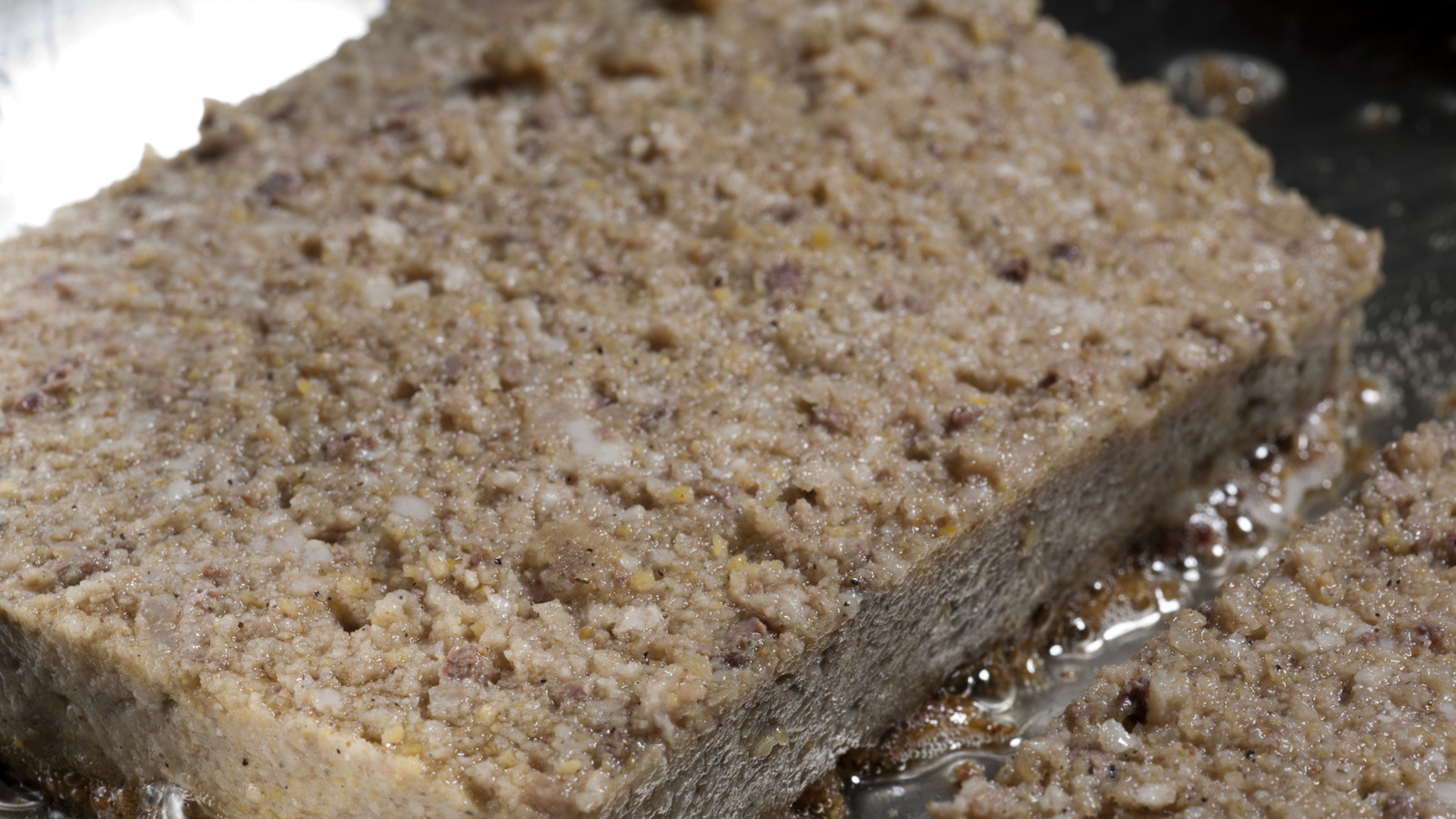
The meat—typically a combination of pork head, heart, liver, and trimmings—is boiled until tender, then finely chopped or ground. The resulting broth is thickened with cornmeal, wheat flour, or buckwheat flour, forming a porridge-like consistency. This mixture is poured into loaf pans and allowed to set into a solid block, which can then be refrigerated and sliced for frying.
In regions where apple orchards are prevalent, particularly within the Pennsylvania Dutch Country, the addition of apples to the scrapple mixture became a localized innovation. This was not a modern culinary invention but a logical extension of traditional rural preservation methods. Apples provided acidity to cut through the richness of the pork and added a subtle sweetness that balanced the earthy, mineral profile of the organ meats.
The Composition of Apple Scrapple
Apple scrapple is defined by the integration of finely diced or pureed apples into the traditional cornmeal-and-pork mash. While recipes vary between families and commercial producers, the fundamental ingredients remain consistent.
Primary Components
- Pork Base: Usually a combination of pig head, heart, and liver. Some modern versions rely more heavily on shoulder or picnic roasts to appeal to broader palates, though traditionalists maintain that organ meats are essential for the authentic texture and flavor profile.
- The Thickener: A mix of cornmeal and sometimes wheat or buckwheat flour. The ratio of meal to liquid is the most critical technical aspect, as it determines the firmness of the slice when it hits a hot skillet.
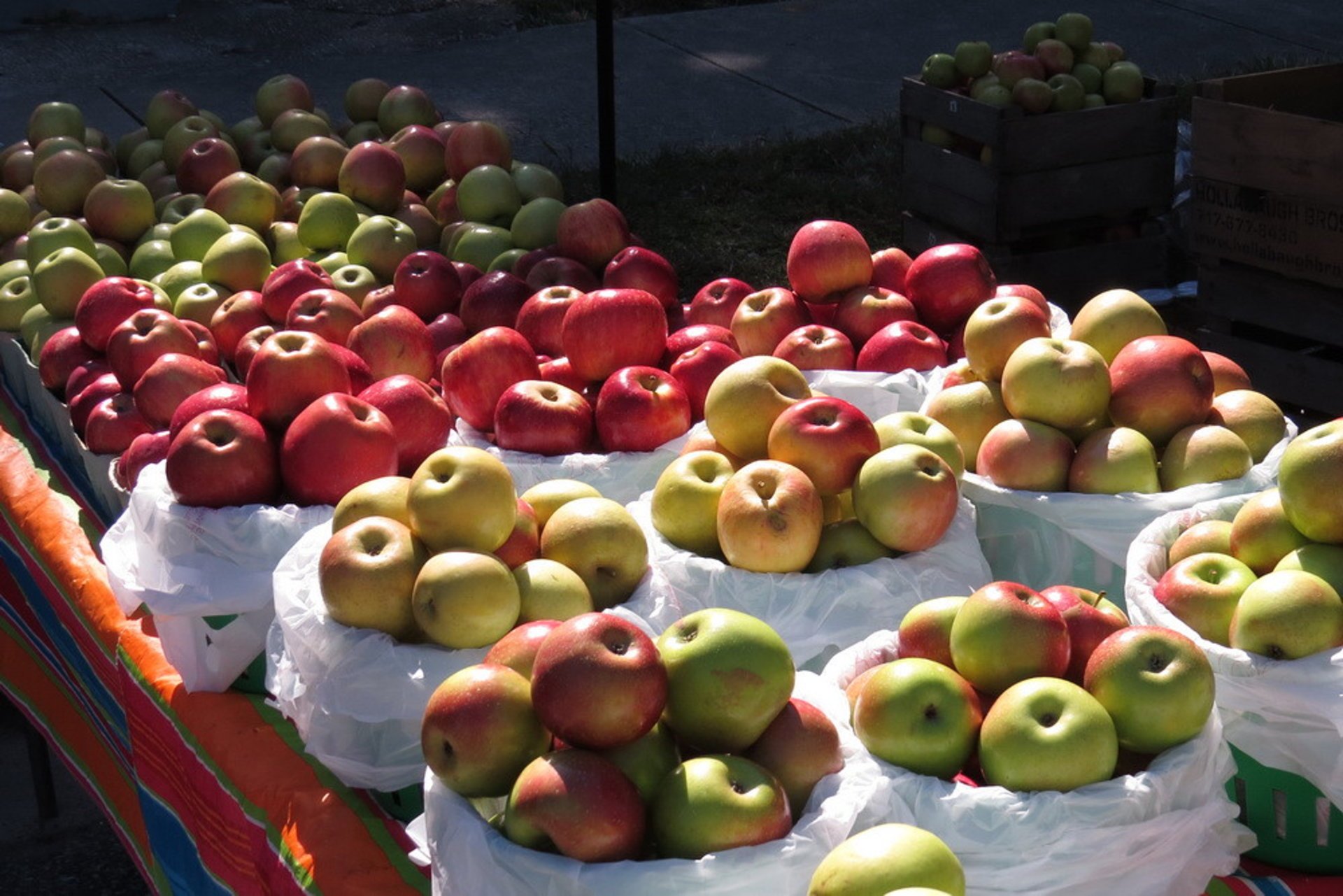
- The Apple Element: Tart varieties are preferred. Granny Smith, Stayman, or Winesap apples are common choices because they hold their integrity during the initial boiling process and provide a sharp, crisp flavor contrast.
- Seasoning: Sage, thyme, black pepper, and sometimes a hint of nutmeg or cloves. The spices used in scrapple are designed to counteract the gamey notes of the offal, and they pair exceptionally well with the inclusion of fruit.
The Technical Process: From Raw Ingredients to Loaf
The production of apple scrapple is a multi-stage process that requires careful temperature control and timing to ensure the finished loaf slices cleanly without crumbling.
1. The Rendering and Braising
The pork components are simmered in water until they are falling off the bone. This process extracts the collagen and fats necessary to help the scrapple set. Once the meat is cooked, it is removed, deboned, and finely ground.
2. The Incorporation of Apples
The apples are typically peeled and cored before being diced small. They are added to the seasoned pork broth during the final stage of thickening. Because apples contain water and pectin, they can affect the setting time; therefore, producers often reduce the liquid volume slightly to compensate for the moisture released by the fruit.
3. The Setting Phase
The mixture is poured into metal loaf pans. As the cornmeal cools, it gelatinizes and binds with the pork fat and apple bits. Once fully chilled, the loaf is firm enough to be turned out and sliced into half-inch thick pieces.
Culinary Preparation: Achieving the Perfect Crust
The reputation of apple scrapple rests entirely on its preparation. A properly cooked slice should have a deep, caramelized crust on the exterior while remaining hot and slightly creamy on the interior.
Recommended Cooking Method
- Preparation: Slice the chilled loaf into pieces roughly 1/2 inch to 3/4 inch thick. If the slices are too thin, they will disintegrate; if too thick, the interior will remain cold.
- Pan Choice: Use a seasoned cast-iron skillet. The heat retention of cast iron is essential for achieving the necessary sear.
- Fat Management: While the pork fat in the scrapple will render out, adding a small amount of neutral oil or lard to the pan initially helps prevent sticking.
- Heat Control: Medium-high heat is the target. The objective is to brown the outside thoroughly—the sugars in the apples will assist in this process, creating a slightly darker, sweeter crust than traditional scrapple.
- Patience: Do not turn the slices prematurely. Allow a crust to form on the bottom side for at least 4 to 6 minutes before flipping.
Apple Scrapple vs. Traditional Scrapple: A Comparative Analysis
While the two dishes share a foundation, they offer distinct sensory experiences. The following table illustrates the material differences between standard pork scrapple and the apple-infused variety.
| Feature | Traditional Pork Scrapple | Apple Scrapple |
|---|---|---|
| Flavor Profile | Savory, salty, intense meatiness | Savory with a tart/sweet finish |
| Texture | Dense, uniform | Slightly uneven due to apple bits |
| Browning | Consistent, golden-brown | Rapid, potentially darker due to sugars |
| Pairings | Molasses, maple syrup, eggs | Often served with sharper condiments |
| Acidity | Neutral | Higher, provided by the fruit |
Common Challenges and Troubleshooting
Working with fruit-based meat products can introduce specific challenges for the home cook or the artisanal producer.
The Problem of Crumbling
If your apple scrapple crumbles when flipped, the moisture content is likely too high. This often happens if the apples were added without being properly drained or if the cornmeal-to-liquid ratio was imprecise. To remedy this, ensure the pork broth is highly concentrated before adding the dry ingredients.
Over-Caramelization
Because apples contain natural sugars, the apple scrapple will burn more quickly than plain pork scrapple. If you notice the edges turning black before the center is hot, lower the heat and use a longer, slower sear. Do not use high heat, as it will scorch the sugars without cooking the interior through.
Texture Inconsistency
If the apple pieces are too large, they create soft spots that prevent the loaf from slicing cleanly. Finely dicing the fruit to a uniform size ensures that the apple is distributed evenly, allowing for a consistent texture in every slice.
Nutritional and Dietary Considerations
Scrapple, regardless of the apple variation, is a calorie-dense food. It is characterized by high levels of saturated fat and sodium, reflecting its origin as a fuel source for manual laborers working in cold climates.
When consuming apple scrapple in a modern diet, it is generally treated as a breakfast side dish rather than a primary protein source. Because of the use of organ meats, it provides a high density of iron and B vitamins, though it should be consumed in moderation due to its high-fat profile. Individuals with specific dietary restrictions, such as those monitoring sodium or cholesterol intake, should treat this as an occasional culinary indulgence rather than a daily staple.
Frequently Asked Questions
Is apple scrapple sweet or savory?
Apple scrapple is primarily a savory dish. The addition of apples introduces a subtle sweetness and tartness, but it does not make the dish a dessert or a candied meat. The overall effect is a sophisticated, balanced flavor profile that complements traditional breakfast accompaniments like eggs and coffee.
What is the best way to serve apple scrapple?
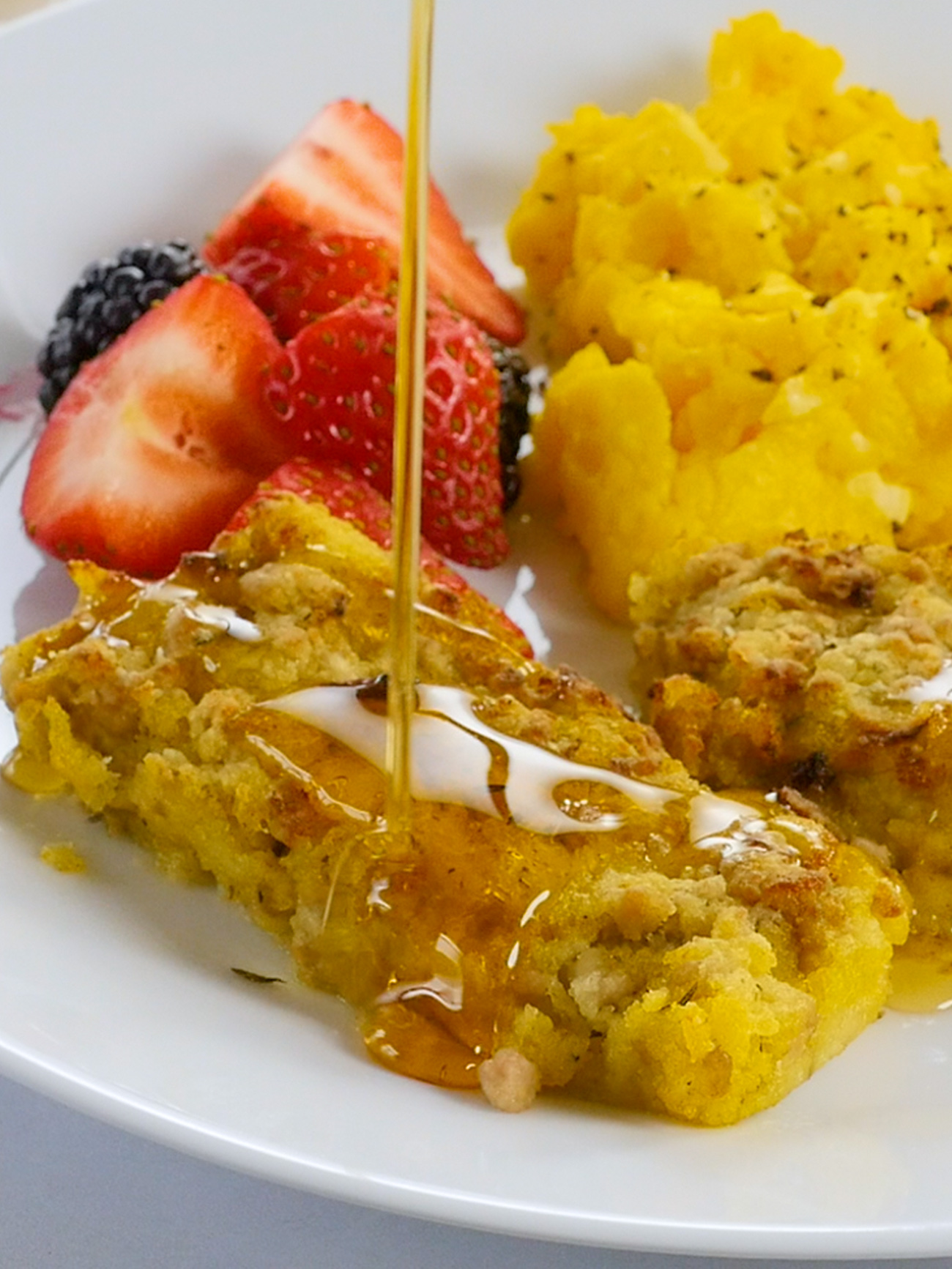
It is best served hot from the skillet. Many enthusiasts serve it with a side of over-easy eggs, allowing the yolk to act as a sauce. Others prefer a drizzle of maple syrup or a dollop of apple butter to highlight the fruit notes within the scrapple itself.
Can I freeze apple scrapple?
Yes, apple scrapple freezes exceptionally well. If you have purchased or made a large quantity, wrap individual slices in parchment paper and store them in an airtight freezer bag. When ready to cook, they can be fried directly from a frozen state, though they may require a slightly lower heat to ensure they warm through to the center.
Does apple scrapple contain preservatives?
Commercial versions may contain preservatives like sodium nitrate or BHA to extend shelf life, consistent with standard meat-curing practices. Homemade versions generally rely on the cooking process and subsequent refrigeration for preservation. Always check the ingredient label on commercially purchased loaves if you are concerned about additives.
Why is apple scrapple sometimes hard to find?
Unlike standard pork scrapple, which is a staple in many Mid-Atlantic supermarkets, apple scrapple is often considered a seasonal or niche specialty. It is most commonly found at local butcher shops, farmers' markets in Pennsylvania Dutch country, or through small-batch producers who emphasize seasonal harvesting.
Final Recommendations for the Consumer
For those looking to experience authentic apple scrapple, the best approach is to visit regional farmers' markets in southeastern Pennsylvania during the autumn harvest season. If you choose to prepare it at home, prioritize the quality of your pork base and ensure you use a tart apple variety to maintain the necessary acidity.
Whether you are a newcomer to the dish or a lifelong enthusiast, approach it with the understanding that it is a preserved, rustic food intended to be cooked slowly and served with simple sides. When fried correctly—achieving that elusive balance between a shattered-crisp exterior and a tender, flavorful interior—apple scrapple remains a pinnacle of American regional comfort food.