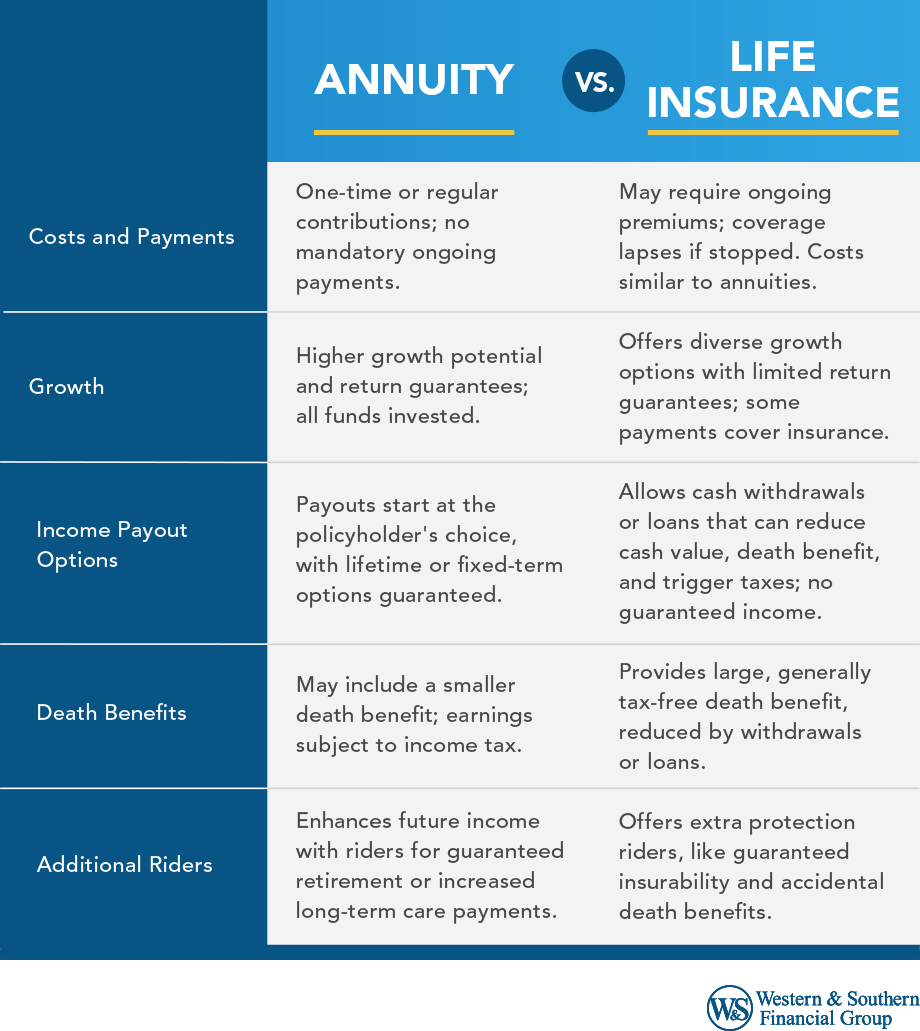
Reaching age 59 1/2 is a pivotal financial milestone because it marks the moment the IRS 10% early withdrawal penalty on retirement accounts typically expires. For those considering annuities or life insurance, this age represents a transition from wealth accumulation to strategic distribution, allowing for penalty-free transfers into income-generating products or supplemental protection.
Age 59 1/2 is often referred to as the "halfway to sixty" mark, but in the world of financial planning, it is the "Golden Gate." For decades, individuals contribute to 401(k)s and IRAs, often feeling their capital is "locked away" due to the steep 10% penalty associated with early distributions. Once you hit 59 1/2, the handcuffs come off. This shift provides a unique window to re-evaluate your portfolio, specifically regarding annuities and life insurance, which serve as the twin pillars of a stable retirement floor.
In 2026, the landscape for these products has evolved to account for longer life expectancies and the desire for more flexible "hybrid" solutions. Whether you are looking to create a guaranteed paycheck for life or ensure your heirs are protected from tax liabilities, understanding the mechanics of these products at this specific age is essential.
The Significance of Age 59 1/2 in Retirement Planning
The Internal Revenue Code Section 72(t) is the primary reason age 59 1/2 is so famous. Before this age, taking money out of a traditional IRA or a 401(k) results in regular income tax plus a 10% penalty. After this point, the penalty disappears. This opens up the door for "In-Service Distributions" or "Rollovers" into annuities without the friction of government-imposed fees.
For many 59-year-olds, this is the time to move a portion of volatile stock market gains into a Fixed Index Annuity (FIA) or a Single Premium Immediate Annuity (SPIA). By doing so, you lock in gains made during your working years and convert them into a stream of income that you cannot outlive. Furthermore, this age often coincides with the "empty nest" phase, where life insurance needs shift from replacing income for young children to protecting a spouse or managing estate taxes.
Annuities for the 59 1/2 Year Old: Income Security
An annuity is essentially a contract with an insurance company. You give them a lump sum or a series of payments, and in return, they provide you with periodic disbursements. At age 59 1/2, you are in a "sweet spot" for several types of annuities.
Deferred vs. Immediate Annuities
At 59 1/2, you must decide if you need money now or later.
- Single Premium Immediate Annuities (SPIA): If you are retiring early or need to supplement a pension immediately, a SPIA allows you to trade a lump sum for a monthly check starting within 30 days. In 2026, with interest rates stabilizing, SPIA payouts remain a competitive way to hedge against longevity risk.
- Deferred Annuities: If you plan to work until 65 or 67, a deferred annuity allows your investment to grow tax-deferred for several more years. This is particularly useful for those who have already maxed out their 401(k) contributions and want another vehicle for tax-advantaged growth.
Fixed Index Annuities (FIAs)
FIAs have become a dominant choice for the 59 1/2 demographic. These products offer a middle ground between the safety of a CD and the growth potential of the stock market. Your principal is protected from market losses, but your interest is linked to a market index (like the S&P 500). For someone nearing 60, protecting the "nest egg" from a market crash is often more important than chasing the highest possible returns.
Life Insurance Considerations at Age 60
While annuities solve the problem of "living too long," life insurance solves the problem of "dying too soon." At age 59 1/2, many people find their old term life insurance policies are expiring or becoming prohibitively expensive.
Transitioning from Term to Permanent Life Insurance
If you are 59 1/2 and still have a mortgage or a spouse who relies on your income, term insurance might still be viable, but the premiums will be higher than they were in your 40s. Many advisors recommend looking at Universal Life (UL) or Whole Life insurance at this stage. These permanent policies build cash value, which can be accessed tax-free via loans if structured correctly—providing a "buffer" fund for retirement.
The Role of Underwriting
It is important to note that at 59 1/2, your health status significantly impacts your premiums. In 2026, many insurance carriers utilize "accelerated underwriting," which uses data analytics to approve policies without a medical exam for those with clean records. However, if you have chronic conditions, you may need to look at "rated" policies or "guaranteed issue" options, though the latter often have lower coverage limits.
Hybrid Policies: The Intersection of Annuities and Life Insurance
One of the most significant trends in 2026 is the rise of hybrid products. These are often life insurance policies or annuities that include Long-Term Care (LTC) Riders.
For a 59 1/2 year old, the cost of standalone long-term care insurance can be staggering. A hybrid policy allows you to use your death benefit or your annuity value to pay for home health care or nursing home stays. If you never need the care, your heirs still receive the death benefit. This "use it or lose it" solution is highly attractive for those entering their 60s who want to protect their assets from being liquidated to pay for medical costs.
| Product Type | Primary Goal | Tax Status | Market Risk | Best For |
|---|---|---|---|---|
| Fixed Annuity | Guaranteed Growth | Tax-Deferred | Zero | Conservative savers |
| Fixed Index Annuity | Growth + Protection | Tax-Deferred | Zero (Principal) | Pre-retirees (Age 55-65) |
| Variable Annuity | Maximum Growth | Tax-Deferred | High | High-risk tolerance |
| Term Life Insurance | Income Replacement | Tax-Free Death Benefit | N/A | Temporary debt (Mortgage) |
| Whole Life Insurance | Estate Planning | Tax-Free DB + Cash Value | Zero | Wealth transfer/Legacy |
| Hybrid (LTC) Policy | Asset Protection | Tax-Advantaged | Low/Moderate | Avoiding nursing home costs |
Strategic Benefits of Rolling Over at 59 1/2
Many employer-sponsored 401(k) plans allow for "In-Service Non-Hardship Withdrawals" once you reach 59 1/2. This means even if you are still working, you can move a portion of your 401(k) into a private annuity or a life insurance vehicle.
Why would you do this?
- Investment Choice: Your 401(k) might have limited, expensive mutual funds. A private annuity might offer better features or lower internal costs.
- Guarantees: Most 401(k) plans do not offer a "guaranteed income for life" option. Moving funds into an annuity allows you to "manufacture" a pension.
- Beneficiary Control: Life insurance policies offer more direct control over how your money is distributed to heirs compared to retirement accounts, which are now subject to the "10-year rule" for non-spouse beneficiaries under the SECURE Act.
Common Pitfalls to Avoid
Navigating the transition at 59 1/2 requires precision. Mistakes made here can have long-lasting tax and liquidity implications.
- Ignoring Surrender Charges: Annuities often come with surrender periods (typically 5 to 10 years). If you buy an annuity at 59 1/2, ensure you won't need that specific capital for a major purchase before the surrender period ends.
- Over-funding: While annuities provide security, they lack liquidity compared to a brokerage account. Never put 100% of your liquid assets into an annuity.
- Missing the Medical Window: If you need life insurance, apply as close to 59 1/2 as possible. Every year you wait, the statistical probability of a new medical diagnosis increases, which can double or triple your premiums.
- Tax Blunders: If you withdraw from an IRA to buy a life insurance policy, that withdrawal is taxable income. Work with a tax professional to ensure you aren't accidentally pushing yourself into a higher tax bracket.
The Role of Interest Rates in 2026
As of 2026, interest rate environments have stabilized from the volatility of the early 2020s. For the 59 1/2 year old, this is beneficial. Fixed rates on annuities are higher than historical lows, meaning your lump sum buys more "income" than it would have a decade ago. Life insurance companies have also adjusted their "dividend" rates for whole life policies, making the cash-value accumulation more robust.
Frequently Asked Questions
Can I buy an annuity with my 401(k) money at age 59 1/2?
Yes. At 59 1/2, you can perform a direct rollover from your 401(k) to an IRA-based annuity. Because it is a "trustee-to-trustee" transfer, you do not pay taxes on the move, and the 10% penalty no longer applies. This allows you to secure a guaranteed income stream using your pre-tax retirement savings.
Do I still need life insurance if I have a large annuity?
It depends on your goals. An annuity is designed to be spent during your lifetime. If you spend your annuity and pass away, there may be little left for your heirs (unless you have a specific death benefit rider). Life insurance provides a guaranteed, tax-free sum to your beneficiaries, which can be used to pay for funeral costs, estate taxes, or to provide a legacy that an annuity might not cover.
What is the difference between a life insurance death benefit and an annuity death benefit?
A life insurance death benefit is generally paid out income-tax-free to your beneficiaries. An annuity death benefit (the remaining value of the contract) is often subject to ordinary income tax when received by your heirs. This is a crucial distinction for estate planning and is why many 59 1/2 year olds choose to hold both products.
Is it too late to get a "good" rate on life insurance at 59 1/2?
No, it is not too late, but you are at a crossroads. Many insurers consider age 60 a "pricing tier" jump. By securing a policy at 59 1/2, you may lock in a significantly lower rate than if you wait until age 61 or 62. Permanent policies started at this age still have enough time (20+ years) to build meaningful cash value.
Can I access the cash value in my life insurance or annuity for emergencies?
Most annuities allow you to withdraw 10% of the value per year without a surrender penalty. For life insurance, you can take a loan against the cash value. Because you are over 59 1/2, you will not face the 10% IRS penalty on these withdrawals, though you may still owe regular income tax on the gains in an annuity.
Final Recommendation
For those reaching age 59 1/2 in 2026, the priority should be De-Risking. You have spent the last thirty years growing your wealth; now is the time to protect it.
- Audit your current coverage: If you have an old term policy, look into converting it to permanent insurance to avoid being uninsured in your 70s.
- Evaluate your "Income Floor": Calculate your social security and any pensions. If they don't cover your basic living expenses, consider moving a portion of your 401(k) into a Fixed Index Annuity with a Lifetime Income Benefit Rider (LIBR).
- Consult a Fiduciary: Insurance and annuities are complex contracts. Ensure you are working with an advisor who looks at your entire tax picture, not just the product features.