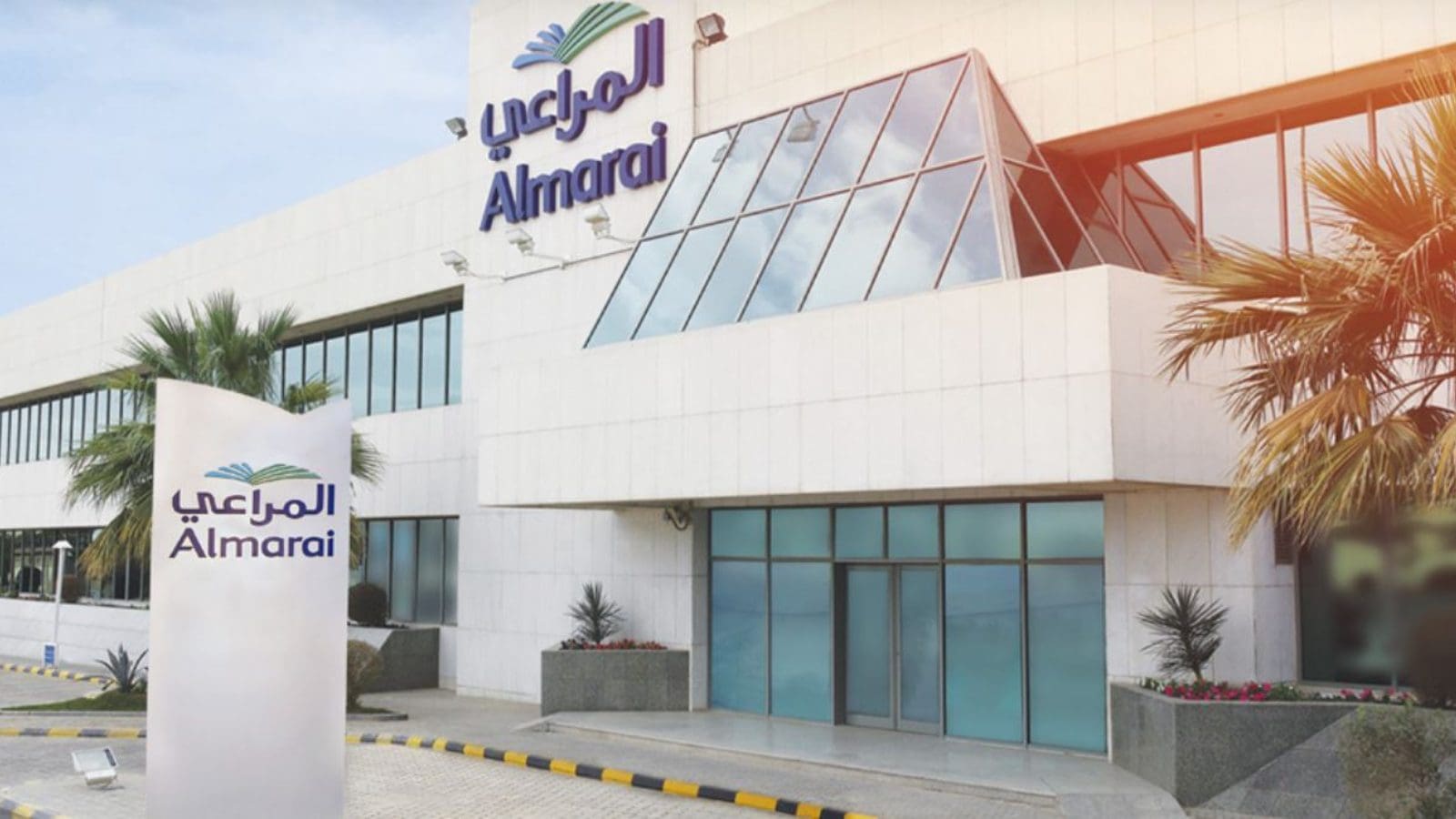
Almarai maintains its position as the undisputed leader of the Saudi dairy industry through a sophisticated vertically integrated model that ensures quality from "grass to glass." As of 2026, the company controls nearly half of the domestic fresh dairy market, leveraging massive scale, a world-class logistics network, and a strategic pivot toward sustainable international sourcing to mitigate domestic water scarcity.
The Evolution of Almarai: From Local Farm to Regional Giant
The story of Almarai is inextricably linked with the modern history of the Kingdom of Saudi Arabia. Founded in 1977 by Prince Sultan bin Mohammed bin Saud Al Kabeer in partnership with Irish agri-experts Masstock, the company began as a visionary project to transform the Saudi desert into a hub of food production. At the time, the Kingdom relied heavily on imported powdered milk and dairy products. Almarai’s entry revolutionized the market by introducing fresh, pasteurized dairy products at a commercial scale.
By the mid-1990s, Almarai had moved from a collection of decentralized farms to a centralized processing model. The construction of the Central Processing Plant (CPP) in Al-Kharj marked a turning point, allowing the company to process millions of liters of milk daily with unprecedented efficiency. This centralization was not merely a logistical choice; it was a strategic move to ensure that every drop of milk met rigorous international safety standards, long before such standards were mandated across the region.
In 2026, Almarai is no longer just a "dairy company." It is a diversified food and beverage conglomerate. While dairy remains its core, the company has successfully expanded into bakery (under the L'usine and 7DAYS brands), poultry (Alyoum), and infant formula. This expansion was fueled by a successful IPO on the Tadawul (Saudi Stock Exchange) in 2005, which provided the capital necessary for aggressive regional expansion across the GCC, Egypt, and Jordan.
Vertical Integration: The Engine Behind Efficiency
The primary competitive advantage Almarai holds over its rivals—such as NADEC and SADAFCO—is its total control over the supply chain. This "vertical integration" means that Almarai manages everything from the cultivation of feed and the breeding of Holstein-Friesian cattle to the processing, packaging, and daily distribution to over 110,000 retail outlets.
The Breeding and Farming Excellence
Almarai operates some of the largest dairy farms in the world. As of 2026, its herd size exceeds 190,000 cattle. These are not typical farms; they are high-tech biological factories. To maintain high yields in the harsh Arabian climate, the company utilizes advanced evaporative cooling systems that keep temperatures inside the barns significantly lower than the external environment. This ensures animal welfare and prevents the "heat stress" that typically reduces milk production in arid regions.
Each cow is monitored via biometric sensors that track health, milk yield, and nutritional requirements in real-time. This data-driven approach allows Almarai to achieve an average milk yield per cow that is significantly higher than the global average, often exceeding 40 liters per day per animal.
Processing and Packaging Innovation
Once the milk is collected, it is transported via temperature-controlled tankers to the CPP in Al-Kharj. The speed of this process is critical; Almarai’s goal is to have milk on store shelves within 24 hours of milking. The processing facilities utilize state-of-the-art pasteurization and homogenization technologies. In 2026, the company has further integrated Industry 4.0 technologies, using AI-driven quality control systems that can detect microscopic anomalies in packaging or product consistency faster than human inspectors.
Market Share and Competitive Landscape in 2026
Almarai’s position in the Saudi dairy industry remains robust despite increasing competition and changing regulatory landscapes. The market is broadly categorized into fresh dairy, long-life (UHT) dairy, and specialized products like Greek yogurt and laban.
| Segment | Almarai Market Share (Est. 2026) | Primary Competitors | Competitive Advantage |
|---|---|---|---|
| Fresh Milk & Laban | 48% - 52% | NADEC, Al Safi Danone | Logistics & Brand Loyalty |
| Long-Life (UHT) Milk | 22% - 25% | SADAFCO (Saudia), Arla | Distribution Reach |
| Cheese & Butter | 35% - 38% | Puck (Arla), Kraft | Vertical Integration |
| Poultry (Alyoum) | 30% - 33% | Al-Watania, Tanmiah | Freshness & Premium Positioning |
| Bakery | 55% - 60% | Lusine, Local Bakeries | Shelf Presence & Price Point |
While Almarai dominates fresh dairy, it faces stiff competition in the UHT (Long-Life) segment from SADAFCO, which has a historical stronghold on the "Saudia" brand. However, Almarai's massive "Green Fleet"—a distribution network of over 8,000 vehicles—allows it to penetrate smaller "baqalas" (neighborhood stores) and rural areas more effectively than any other player in the Middle East.
Strategic Diversification: Beyond the Dairy Aisle
Recognizing the risks of over-reliance on a single commodity, Almarai has spent the last decade diversifying its portfolio. This strategy is central to its 2026 resilience.
The Success of Poultry (Alyoum)
The entry into the poultry market through the Alyoum brand was a masterstroke. By applying the same vertically integrated principles used in dairy, Almarai became a leader in the fresh poultry segment. In 2026, the poultry division is a significant contributor to the bottom line, benefiting from the Saudi government's push for 80% self-sufficiency in poultry production as part of Vision 2030.
Bakery and Snacks
Through the acquisition of Western Bakeries and the joint venture with Chipita (7DAYS), Almarai dominates the pre-packaged bakery market. These products have higher margins than fresh milk and a longer shelf life, which balances the logistical pressures of the dairy business. In 2026, the company has expanded this segment to include healthier, whole-grain, and protein-enriched snack options to cater to the Kingdom’s growing health-conscious demographic.
Infant Nutrition
Almarai’s foray into infant formula (IPNC) represented a move into high-value pharmaceutical-grade food production. While this segment faced early challenges in competing with established global brands like Nestlé, Almarai’s "Made in Saudi" branding has gained significant traction among local consumers who prioritize domestic food security.
Sustainability and the Global Feed Strategy
One of the most significant challenges Almarai has faced is the Saudi government’s regulation of water usage. Recognizing the depletion of fossil aquifers, the Kingdom banned the domestic cultivation of green fodder (alfalfa) for large-scale dairy farms in 2018.
Almarai responded by internationalizing its supply chain. Through its subsidiary, Fondomonte, the company acquired thousands of acres of farmland in the United States (Arizona and California), Argentina, and Romania. This move was controversial but necessary. By 2026, 100% of Almarai’s green fodder requirements for its Saudi operations are imported from its own international farms.
This global footprint has two primary benefits:
- Environmental Compliance: It adheres to Saudi Arabia’s water conservation laws.
- Supply Chain Security: By owning the farms abroad, Almarai is not subject to the price volatility of the global hay market, ensuring a stable cost-base for its dairy production.
The company has also invested heavily in solar energy at its Al-Kharj facilities, aiming to offset a significant portion of its industrial energy consumption with renewable sources by 2026, aligning with the Saudi Green Initiative.
Digital Transformation and Logistics
The "Green Fleet" is the lifeline of Almarai. Delivering fresh products across the vast geography of Saudi Arabia—where temperatures regularly exceed 45°C (113°F)—requires a logistical miracle every single day.
In 2026, this fleet is increasingly automated. Almarai utilizes advanced Route Optimization AI to reduce fuel consumption and ensure that delivery trucks spend the minimum amount of time on the road. The company has also begun piloting electric delivery vans for "last-mile" urban deliveries in Riyadh and Jeddah to reduce its carbon footprint.
The integration of Blockchain technology in the supply chain has also been a focus. This allows for total transparency; a consumer can scan a QR code on a bottle of milk and trace it back to the specific farm and batch, providing a level of "food trust" that is essential for maintaining market leadership in a sophisticated consumer market.
Financial Performance and Investor Outlook
For investors on the Tadawul, Almarai has long been considered a "defensive" stock—a stable performer that provides consistent dividends even during economic downturns. This is because food and dairy are essential goods with relatively inelastic demand.
However, the 2026 outlook emphasizes growth over mere stability. The company’s heavy capital expenditure (CAPEX) in poultry expansion and international logistics is starting to yield high returns. Analysts point to Almarai's strong free cash flow and manageable debt-to-equity ratio as indicators of its ability to fund future acquisitions, potentially in the broader Levant or North African markets.
Key Financial Indicators (2026 Context)
- Revenue Growth: Sustained at 5-7% annually, driven by poultry and bakery.
- Operating Margins: Maintained through automation and vertical integration, despite rising global commodity prices.
- Dividend Yield: Remains attractive for long-term institutional investors and the Public Investment Fund (PIF), which holds a significant stake in the company.
Challenges and Future Risks
Despite its dominance, Almarai is not without challenges. In 2026, the company must navigate:
- Health Trends: A rising global and local shift toward plant-based milk alternatives (almond, oat, soy). Almarai has begun to address this with its own "Almarai Plant" line, but the transition of a dairy giant into a plant-based player is complex.
- Regional Geopolitics: Fluctuations in trade relations within the Middle East can impact export routes to markets like Qatar, Iraq, or Egypt.
- Input Costs: While owning farms abroad mitigates some risk, the cost of international shipping and fuel remains a volatile factor in the "imported feed" model.
Frequently Asked Questions
Why is Almarai so dominant in the Saudi market?
Almarai’s dominance stems from its vertically integrated business model. By controlling every step from feed production to the retail shelf, they achieve economies of scale and quality control that smaller competitors cannot match. Their distribution network, reaching even the most remote areas of Saudi Arabia daily, creates a high barrier to entry for new competitors.
How does Almarai manage water scarcity in Saudi Arabia?
Since 2018, Almarai has ceased growing green fodder (like alfalfa) within Saudi Arabia to conserve the Kingdom's water resources. Instead, they produce 100% of their feed requirements on company-owned farms in countries like the USA, Argentina, and Romania, then ship the feed to Saudi Arabia.
Is Almarai a government-owned company?
No, Almarai is a publicly traded joint-stock company listed on the Saudi Stock Exchange (Tadawul). However, significant stakes are held by prominent Saudi entities, including the Savola Group and the Public Investment Fund (PIF), reflecting its importance to national food security.
What are Almarai’s biggest brands besides dairy?
Beyond its core dairy range, Almarai owns Alyoum (fresh poultry), L'usine (bakery products), 7DAYS (snacks/croissants in joint venture), and Nuralac (infant nutrition). These brands help the company maintain a presence in almost every aisle of a Saudi supermarket.
How does Almarai ensure the quality of its milk in the heat?
Almarai uses a "cold chain" logistics system. Milk is chilled immediately after milking and remains in a temperature-controlled environment (around 1-4°C) through processing, storage, and transport. Their fleet of refrigerated trucks ensures that the product never breaks the cold chain until it reaches the store refrigerator.
Strategic Recommendation for Stakeholders
For consumers and industry observers, Almarai represents the benchmark for food production in arid environments. For investors, the company’s alignment with Saudi Vision 2030—specifically in the realms of food security and non-oil GDP growth—makes it a foundational asset. To maintain its trajectory, Almarai must continue to innovate in the health and wellness segment, specifically expanding its lactose-free and plant-based offerings, while aggressively pursuing digital efficiency in its "last-mile" delivery to counter rising operational costs.