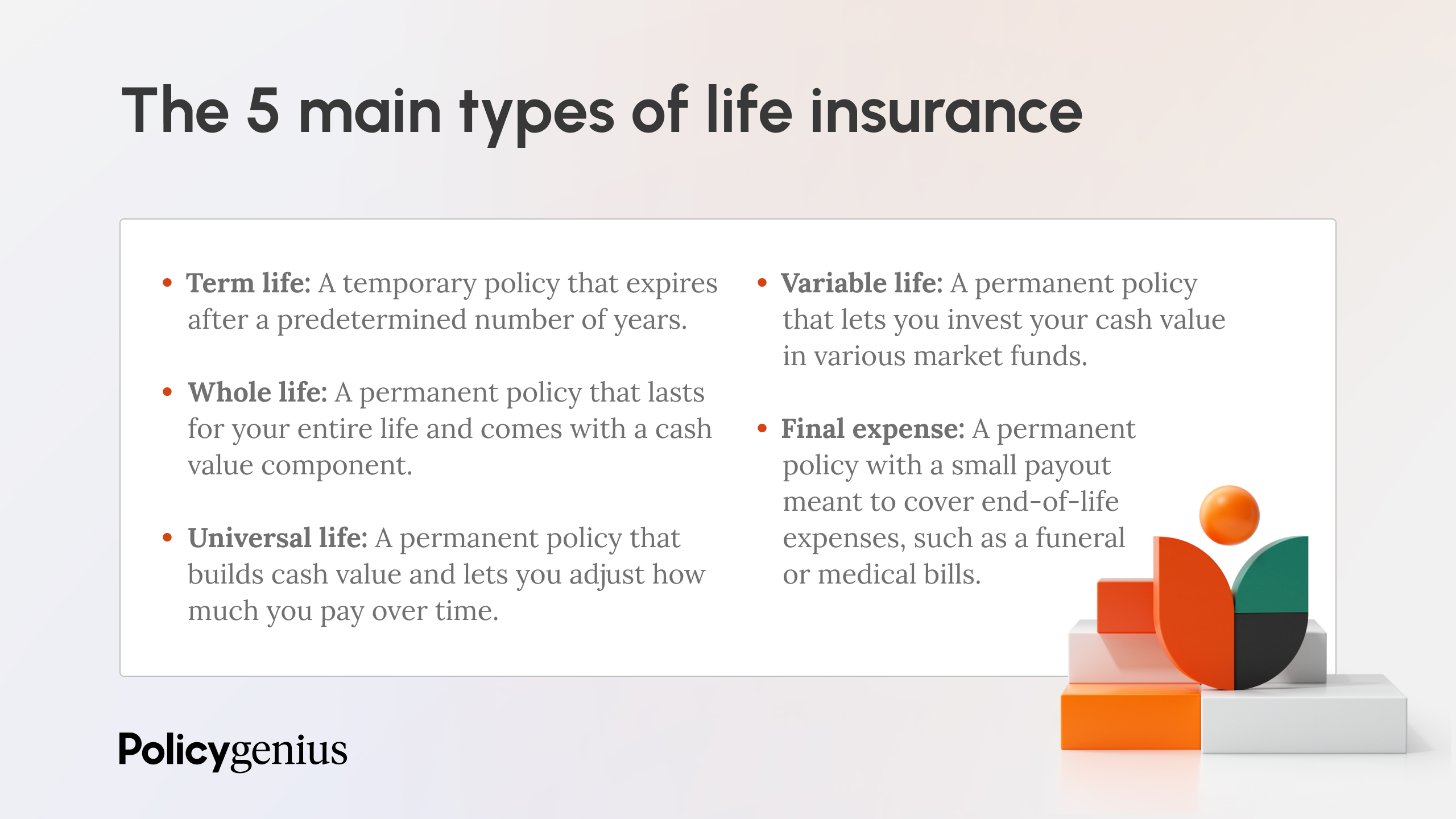
Allstate single premium life insurance is a permanent life insurance policy funded by one lump-sum payment rather than ongoing monthly premiums. This structure provides a guaranteed death benefit and immediate cash value accumulation. While it serves as a powerful wealth transfer tool, these policies are typically classified as Modified Endowment Contracts (MECs), which impacts how withdrawals are taxed during the policyholder's lifetime.
Understanding Allstate Single Premium Life Insurance in 2026
As of 2026, the landscape for Allstate-branded life insurance products remains a point of specific interest for estate planners and individuals looking for stable wealth-transfer vehicles. It is essential to understand the organizational structure behind these policies. In late 2021, Allstate completed the sale of its life insurance business, Allstate Life Insurance Company (ALIC), to entities managed by Blackstone. This entity was subsequently renamed Everlake Life Insurance Company.
Despite this change in ownership, many policyholders still associate these products with the Allstate brand because they were originally purchased through Allstate agents, or the "Allstate" name remains on legacy documents. Today, Everlake services these legacy policies and continues to manage the obligations associated with them. When we discuss "Allstate single premium life insurance," we are referring to the specific single-pay permanent products historically issued by Allstate and currently managed or offered through its affiliated networks and successors.
Single premium life insurance (SPLI) is distinct from traditional term or whole life insurance because it removes the risk of policy lapse due to unpaid premiums. Once the initial payment is made, the policy is fully paid up for life. This makes it an attractive option for individuals who have received an inheritance, sold a business, or have a significant amount of idle cash that they wish to leverage for their heirs.
How the Single Premium Structure Functions
The mechanics of a single premium policy are straightforward but mathematically dense. When you contribute a single lump sum—for example, $100,000—the insurance carrier uses a portion of that money to cover the immediate "cost of insurance" (COI) and administrative fees. The remainder is placed into the policy’s cash value account, where it grows at a guaranteed minimum interest rate.
Immediate Leverage
One of the primary reasons for choosing this product is the immediate creation of an estate. A $100,000 premium might immediately purchase a death benefit of $250,000 to $400,000, depending on the insured individual's age, gender, and health status. This "leverage" ensures that the heirs receive significantly more than the original investment, usually on a tax-free basis.
Cash Value Accumulation
Unlike term insurance, which has no savings component, a single premium policy builds cash value. Because the entire premium is paid upfront, the cash value begins to grow from day one. In a whole life version of this product, the cash value grows according to a set schedule provided by the carrier. In universal life versions, the growth might be tied to current interest rates or market indices, though single-pay products are most commonly structured as whole life to maximize guarantees.
Tax Considerations: The Modified Endowment Contract (MEC)
The most critical technical aspect of Allstate single premium life insurance is its status as a Modified Endowment Contract (MEC). To prevent life insurance from being used purely as a tax-free investment vehicle, the IRS established the "7-pay test" under the Technical and Miscellaneous Revenue Act of 1988 (TAMRA).
A policy becomes a MEC if the cumulative premiums paid during the first seven years exceed the amount needed to provide a paid-up policy after seven years. Because a single premium policy is paid in full on day one, it automatically fails this test and is classified as a MEC.
Consequences of MEC Status
- Taxation of Withdrawals: Traditional life insurance allows for "first-in, first-out" (FIFO) taxation, meaning you can withdraw your basis (the premiums paid) tax-free. However, a MEC uses "last-in, first-out" (LIFO) taxation. This means any money taken out of the policy via a withdrawal or loan is considered taxable gain first.
- Pre-59.5 Penalty: If the policyholder takes a withdrawal or loan before age 59.5, the IRS imposes a 10% additional tax penalty on the taxable portion of the distribution.
- Death Benefit Treatment: Importantly, the MEC status does not usually affect the tax-free nature of the death benefit paid to beneficiaries. The death benefit remains a tax-advantaged transfer of wealth, which is the primary reason most people choose this product.
For a deeper dive into how the IRS views these contracts, you can review IRS Publication 590-B, which outlines distributions and tax treatments for various financial instruments.
Key Features and Benefits of the Policy
Choosing a single premium option over a multi-year payment plan offers several strategic advantages, particularly for those in the later stages of financial planning.
Guaranteed Death Benefit
The primary feature is the certainty it provides. Once the premium is paid, the death benefit is guaranteed as long as no loans or withdrawals are taken that exceed the policy's limits. This provides peace of mind for those concerned about leaving a specific legacy for children, grandchildren, or charitable organizations.
Accelerated Death Benefit Riders
Many Allstate-originated policies include "Living Benefits" or accelerated death benefit riders. These allow the policyholder to access a portion of the death benefit while still alive if they are diagnosed with a terminal illness or require long-term care. In 2026, as the cost of healthcare continues to rise, this feature is often the deciding factor for seniors who want their life insurance to serve as a dual-purpose tool for estate protection and long-term care funding.
Simplified Underwriting
Some single premium products offer "simplified issue" underwriting. This means that instead of a full medical exam with blood work and physical tests, the applicant may only need to answer a series of health questions and provide access to their prescription drug history. This makes the application process significantly faster than traditional permanent life insurance.
Potential Drawbacks and Limitations
While the benefits are significant, Allstate single premium life insurance is not suitable for everyone. The lack of liquidity is the most prominent hurdle.
Reduced Liquidity
Because the policy is a MEC, accessing the cash value for emergencies is tax-inefficient. If you anticipate needing that $100,000 for living expenses in the next five to ten years, placing it in a single premium policy is likely a mistake. The combination of LIFO taxation and the 10% IRS penalty makes the cash value less accessible than funds in a standard brokerage account or even a non-MEC life insurance policy.
Opportunity Cost
By committing a large sum of money to a life insurance policy, you lose the ability to invest that money elsewhere. While the policy provides a death benefit that far exceeds the cash value, the internal rate of return (IRR) on the cash value itself is typically lower than what one might achieve in the equity markets over a long horizon.
Surrender Charges
In the early years of the policy, the insurance company imposes surrender charges if the policyholder decides to cancel the contract entirely. These charges gradually decrease over a period of 7 to 10 years, but they represent a significant barrier to exit in the short term.
Comparing Allstate Single Premium to Other Insurance Types
To understand the value proposition, it helps to compare the single premium structure against other common life insurance vehicles available in 2026.
| Feature | Single Premium Whole Life | Traditional Whole Life | Term Life Insurance |
|---|---|---|---|
| Premium Frequency | One-time lump sum | Monthly, Quarterly, or Annual | Monthly or Annual |
| Cash Value Growth | Immediate and guaranteed | Slow build-up over years | None |
| Tax Status | Modified Endowment Contract (MEC) | Typically Non-MEC | N/A (No cash value) |
| Death Benefit | Permanent and Guaranteed | Permanent (if premiums paid) | Temporary (10-30 years) |
| Ease of Application | Often Simplified Issue | Full Medical Underwriting | Varies (Full to Simplified) |
| Best For | Wealth Transfer / Estate Planning | Long-term Savings / Protection | Pure Protection / Low Cost |
Who Should Consider This Product?
Allstate single premium life insurance is a niche product designed for specific financial profiles. It is generally most appropriate for:
- Estate Planners: Individuals who have more assets than they need for their own retirement and want to maximize the amount they pass to heirs.
- Grandparents: Those looking to fund a "legacy" for their grandchildren, often using the policy to pay for future education or a first home down payment via the death benefit.
- Conservative Investors: People who have cash in low-yield certificates of deposit (CDs) or savings accounts and want a higher "net" return for their beneficiaries through a tax-free death benefit.
- Seniors Seeking LTC Protection: Individuals who may not qualify for or afford standalone long-term care insurance but want a life insurance policy that allows them to "spend down" the death benefit for care if necessary.
According to the National Association of Insurance Commissioners (NAIC), it is vital for consumers to assess their liquidity needs before entering into any permanent life insurance contract, as these are long-term commitments.
The Application and Underwriting Process
If you decide to move forward with a single premium policy, the process in 2026 is largely digital.
- Financial Assessment: An agent (representing Everlake or an Allstate-affiliated agency) will perform a "suitability check." This ensures that the single premium payment does not deplete your liquid assets to a dangerous level.
- Medical Questionnaires: You will complete an application that asks about your medical history, including chronic conditions, hospitalizations, and current medications.
- MIB and Prescription Check: The insurance company will verify your answers against the Medical Information Bureau (MIB) database and pharmacy records.
- Policy Issue: Once approved, you transfer the lump sum. The policy is usually active within a few business days of the funds clearing.
- Free Look Period: Most states require a "free look" period (often 10 to 30 days) during which you can cancel the policy for a full refund if you change your mind.
Common Mistakes to Avoid
When dealing with large sums of money and complex tax laws, errors can be costly.
- Ignoring the MEC Status: Some policyholders treat the cash value like a bank account. Withdrawing funds without realizing the tax implications can lead to an unexpected IRS bill at the end of the year.
- Over-funding: While it's tempting to put a large sum in, ensure you have an emergency fund elsewhere. The surrender charges and tax penalties make this "locked" money.
- Naming the Wrong Beneficiary: Ensure your beneficiaries are updated. If the policy is intended for estate tax liquidity, consult with a tax professional to see if the policy should be owned by an Irrevocable Life Insurance Trust (ILIT) to keep the death benefit out of your taxable estate.
Frequently Asked Questions
Is Allstate Life Insurance still Allstate?
Technically, most Allstate life insurance policies were sold to Everlake Life Insurance Company in 2021. While you may still work with an Allstate agent, the entity responsible for paying claims and managing the policy is Everlake. You should check your policy documents for the exact issuing company name.
Can I add more money to my single premium policy later?
No. By definition, a single premium policy is designed for one payment. If you wish to invest more money, you would generally need to purchase a second, separate policy, which would be subject to new underwriting based on your age and health at that time.
What happens if I die shortly after paying the premium?
The full death benefit is paid to your beneficiaries, regardless of how long the policy has been in force (provided there was no fraud on the application). This is the "immediate leverage" benefit; even if you die only one month after paying a $50,000 premium, your heirs could receive the full $150,000 (or whatever the face amount is).
Are the dividends in an Allstate single premium policy guaranteed?
If the policy is a "participating" whole life policy, dividends are not guaranteed. However, most single premium products from major carriers are structured with guaranteed interest credits or fixed growth schedules rather than annual dividends to ensure the policy stays "paid up" without further input.
Can I use this policy for long-term care?
Many Allstate/Everlake single premium policies offer an Accelerated Death Benefit rider for chronic illness. If you cannot perform two of the six "Activities of Daily Living" (ADLs), you may be able to access a portion of the death benefit to pay for care. You should verify the specific language in your rider, as definitions of "chronic illness" can vary.
Is the death benefit of a MEC taxable?
No, the death benefit of a Modified Endowment Contract is generally received by the beneficiaries income tax-free under Internal Revenue Code Section 101(a). The MEC status only affects the taxation of money taken out of the policy while the insured is still alive.
Practical Recommendation
Before committing a significant lump sum to Allstate (Everlake) single premium life insurance, perform a "liquidity stress test" on your finances. Ensure that your remaining liquid assets—such as cash in savings, money markets, and accessible brokerage accounts—are sufficient to cover at least two to three years of living expenses plus any anticipated large purchases.
If your primary goal is to provide a guaranteed, tax-free inheritance while protecting yourself against the costs of a terminal illness, this product is an excellent fit. However, if you are looking for an investment to grow your wealth for your own use during retirement, you may be better served by a combination of low-cost index funds and a traditional (non-MEC) life insurance policy or an annuity. Always request a full "policy illustration" from your agent, which will show the projected death benefit and cash value every year until age 121, before signing any documents.