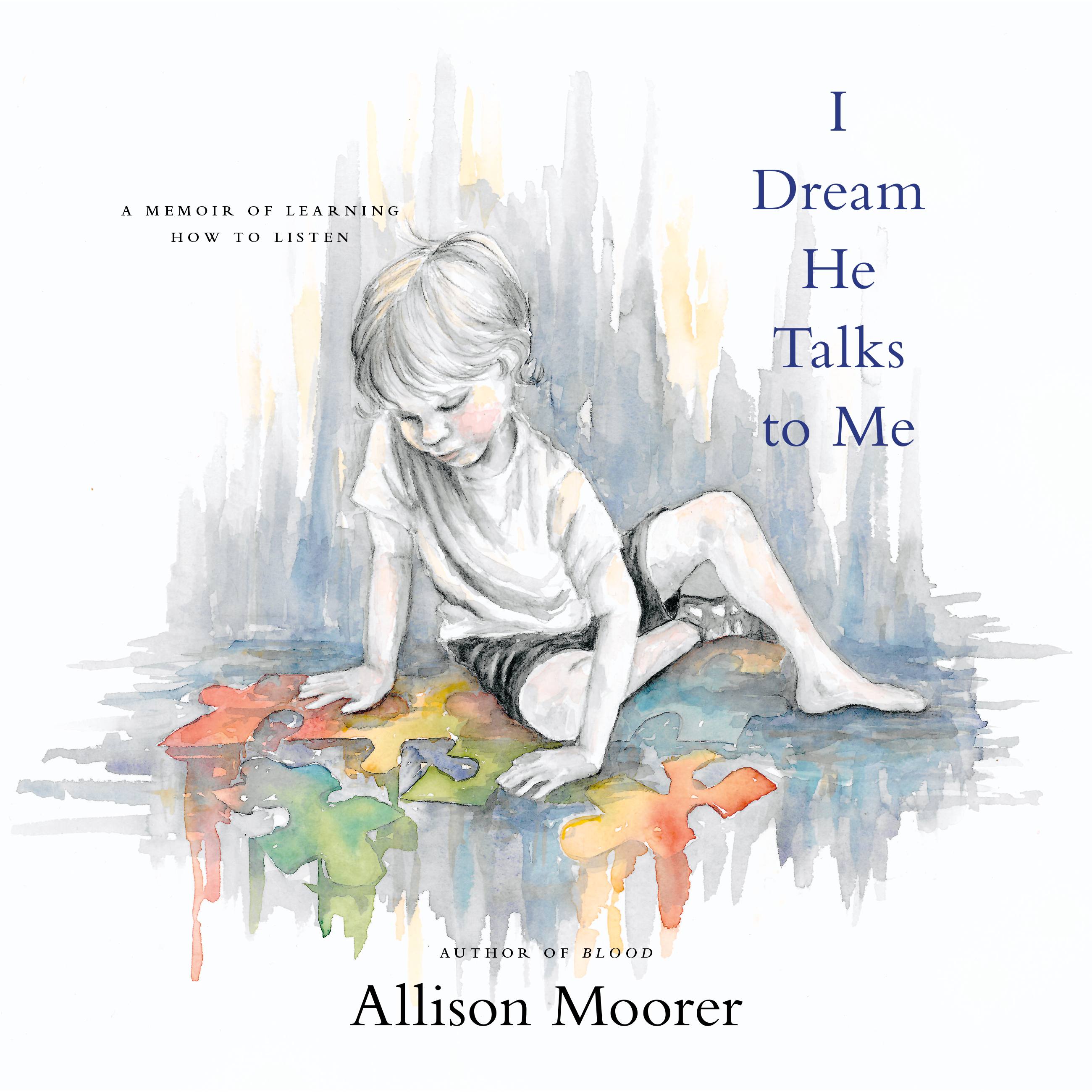
Allison Moorer, the acclaimed American singer-songwriter and author, has shared her life and creative journey with notable musicians, most prominently her husband, the legendary singer-songwriter and producer Steve Earle. Exploring their relationship reveals a union defined by deep mutual respect, shared artistic struggles, creative collaborations, and a joint survival of personal and professional challenges within the American roots and country music landscapes.
Introduction to Allison Moorer and Her Marital History
To understand Allison Moorer's personal life and its intersection with her music, it is necessary to look at her marital history, which includes three notable marriages, with her relationship with Steve Earle being the most prominent and enduringly discussed in contemporary media. Moorer, born in Alabama in 1972, rose to prominence with her Academy Award-nominated song "A Soft Place to Land" from the film The Horse Whisperer (1998). Over a career spanning decades, her personal life has occasionally intersected with the public eye, particularly through her high-profile marriage to fellow iconoclast Steve Earle.
While Moorer was previously married to music publisher Butch Primm and later to musician Doyle Lawson (not to be confused with the bluegrass artist of the same name, but rather her former bandmate and collaborator), her marriage to Earle represents a profound convergence of two distinct yet complementary forces in alternative country and Americana music. Their relationship, which began in the late 2000s, brought together two artists known for unflinching lyrical honesty, literary songwriting styles, and independent spirits. Examining this relationship provides insight into how personal partnerships function within the high-stress, itinerant world of touring independent musicians.
The Marriage to Steve Earle: Origins and Creative Synergy
Allison Moorer and Steve Earle married in 2005. At the time, Earle was already a towering figure in roots rock and country music, celebrated for landmark albums like Guitar Town and Copperhead Road, as well as a tumultuous personal history involving substance abuse recovery, political activism, and multiple previous marriages. Moorer, an established artist in her own right with critical acclaim for albums like The Hardest Part and Show, found a kindred spirit in Earle.
The couple's creative synergy was immediate and prolific. They frequently collaborated on stage, sharing vocals and instrumentation, and their mutual influence became apparent in their respective bodies of work. Earle often spoke of Moorer's immense vocal talent and compositional precision, while Moorer found in Earle a mentor and peer who understood the rigors of navigating the music industry on one's own terms.
| Partner | Key Musical Eras / Style | Notable Collaborative Works |
|---|---|---|
| Steve Earle | Roots Rock, Americana, Alt-Country, Political Folk | Townes (Contributed vocals/production support), Live Tours |
| Allison Moorer | Americana, Singer-Songwriter, Southern Gothic | Blood (Companion book and album project), Co-writes |
Their marriage also yielded a son, John Henry Earle, born in 2010. John Henry was diagnosed with autism at a young age, a development that profoundly shifted both parents' lives and creative output. The shared responsibility and emotional weight of navigating neurodiversity became a central theme in their family life, later influencing both artists' public advocacy and creative expressions.
Navigating Challenges: Autism Advocacy and Family Life
Raising a child with autism introduced significant emotional and logistical complexities into the household of two touring musicians. Both Moorer and Earle proved transparent about the realities of parenting a child on the spectrum, using their platforms to foster understanding and support for families facing similar circumstances.
Moorer, in particular, channeled her experiences into her writing. Her critically acclaimed 2018 memoir, Blood: A Memoir, dealt heavily with family trauma and resilience, themes that naturally extended into her perspective on motherhood and partnership. While the day-to-day realities of touring schedules frequently clashed with the stability required for raising a child with special needs, the couple prioritized their son's development and stability.
The balancing act between artistic creation and parental responsibility is a recurring narrative in interviews from this period. Both artists scaled back certain touring commitments to spend more time at home, demonstrating a shared commitment to domestic partnership that often eludes high-profile entertainment figures.
Separation and Professional Evolution
Despite their deep connection, Allison Moorer and Steve Earle announced their separation in 2014, leading to a divorce. The separation marked a significant turning point in Moorer's personal and artistic life, prompting a period of deep introspection and creative renewal.
Rather than retreating from public view, Moorer utilized the emotional aftermath of the divorce to fuel some of the most powerful work of her career. Her 2015 album Down to Earth and the subsequent 2019 masterpiece Blood (alongside its companion album) explored themes of grief, survival, resilience, and identity. Critics noted that these works displayed a new level of emotional fearlessness, proving that Moorer's artistic identity was entirely independent of her marital status.
Similarly, Steve Earle addressed the end of the marriage through his music, maintaining a respectful public stance regarding Moorer. Both artists demonstrated professional maturity, continuing to operate within the same tight-knit Americana music community without public animosity.
Allison Moorer's Life and Career Post-Divorce
In the years following her divorce from Earle, Allison Moorer has continued to cement her legacy as a pillar of modern Americana music and a respected author. Her literary pursuits, including her memoir Blood—which was a finalist for the National Book Critics Circle Award—and her subsequent book I Will Dare: How a Feminist and Her Family Survived the 1970s, established her as a compelling prose writer in addition to her musical credentials.
Residing primarily in Nashville, Tennessee, Moorer remains an active voice in advocacy for autism awareness, survivors of domestic trauma, and independent artists fighting for creative control in the music industry. Her ability to integrate her personal experiences—including her marriages, motherhood, and family history—into her art has earned her a dedicated following and immense respect from her peers.
Frequently Asked Questions
Who is Allison Moorer's most famous husband?
Allison Moorer's most famous husband is Grammy-winning singer-songwriter and producer Steve Earle. The couple married in 2005, had a son together, and divorced in 2014. Their relationship was well-documented within the Americana and roots music communities due to their shared artistic stature.
Do Allison Moorer and Steve Earle share any children?
Yes, they share one son, John Henry Earle, who was born in 2010. Both parents have been open about raising him and advocating for autism awareness, as John Henry was diagnosed on the autism spectrum.
How many times has Allison Moorer been married?
Allison Moorer has been married three times. Her marriages include unions to music publisher Butch Primm, musician Doyle Lawson, and most famously, singer-songwriter Steve Earle.
Did Allison Moorer and Steve Earle collaborate musically?
Yes, they frequently collaborated during and after their marriage. They performed together on various tours, contributed to each other's recordings, and shared a deep mutual respect for one another's songwriting and vocal abilities.
What inspired Allison Moorer's memoir Blood?
Blood: A Memoir was inspired by Moorer's complex family history, including the tragic murder-suicide of her parents when she was a child. The book also touches upon themes of trauma, survival, motherhood, and her personal journey through relationships and career challenges.
Conclusion and Next Actions
To explore Allison Moorer's life and artistry more deeply, listeners and readers should look beyond tabloid summaries of her marriages and engage directly with her creative output. Exploring her albums—particularly Blood, Down to Earth, and The Hardest Part—alongside her memoirs provides a complete picture of an artist who transforms personal trials into universal art. For those interested in the Americana genre, studying her collaborations with Steve Earle offers valuable context on how two distinct songwriting traditions intersect and influence one another.