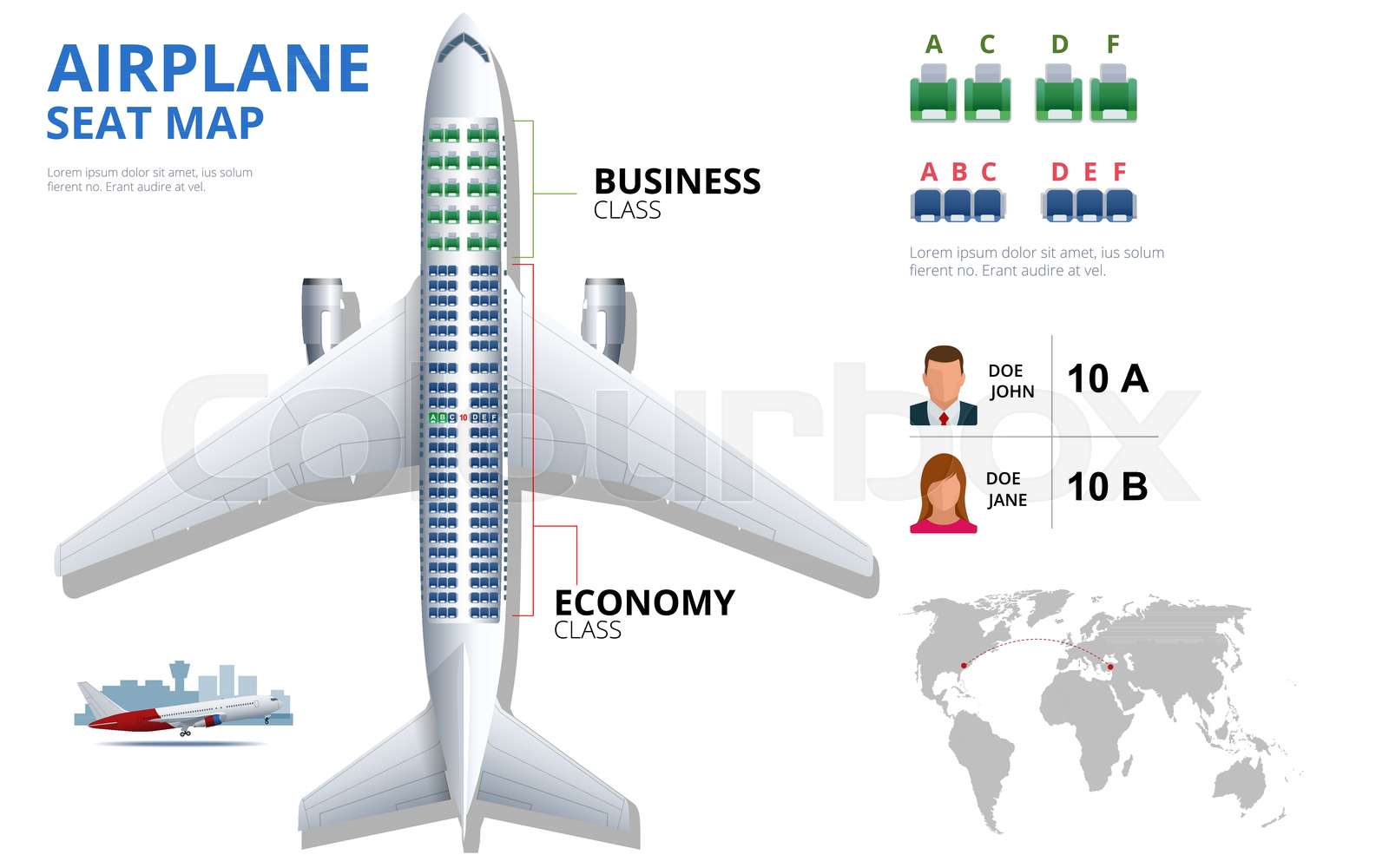
Understanding airplane seat types is essential for maximizing comfort and value on any journey. These range from standard Economy recliners to ultra-luxurious First Class suites with fully lie-flat beds. Cabin classes—Economy, Premium Economy, Business, and First—determine the seat's pitch, width, and amenities, directly impacting your sleep quality and overall travel experience.
The Evolution of the Modern Airplane Seat
As we move through 2026, airplane seat design has reached a pinnacle of engineering, balancing the airline's need for fuel efficiency with the passenger's demand for ergonomic support. The "one-size-fits-all" approach of the mid-20th century has been replaced by a highly segmented market. Today, seats are manufactured using lightweight carbon fiber composites and high-density foams that provide better lumbar support while reducing the aircraft's overall weight.
The primary distinction between seat types lies in their "hard product"—the physical seat, its dimensions, and its mechanical capabilities. While "soft product" (food, service, and blankets) varies by airline, the hard product is often dictated by the aircraft type, such as the Boeing 787 Dreamliner or the Airbus A350. Understanding these physical differences is the first step in avoiding "traveler’s fatigue" and ensuring a productive or restful flight.
Economy Class: Standard and Beyond
Economy Class remains the most common way to travel, but the seats within this cabin are far from uniform. In 2026, most major carriers have moved toward "slimline" seating to maximize capacity, which uses thinner materials to provide more knee room even if the total "pitch" remains the same.
Standard Economy Seats
The standard economy seat is a forward-facing recliner. The two most critical measurements here are pitch and width. Pitch is the distance from one point on a seat to the same point on the seat in front of it; it is not purely "legroom" but the total space allocated to you. In 2026, standard pitch ranges from 28 inches on low-cost carriers to 32 inches on premium international airlines. Width typically stays between 17 and 18 inches.
The main drawback of standard economy is the limited recline, usually capped at 3 to 5 inches. This makes sleeping difficult for many passengers, as the upright angle puts significant pressure on the lower back and neck.
Economy Plus and Extra Legroom
Many airlines now offer a sub-category known as Economy Plus, Main Cabin Select, or Comfort+. These are essentially standard economy seats but positioned in rows with a greater pitch—usually 34 to 36 inches. These seats are often found in the bulkhead (the first row of a section) or exit rows.
- Pros: Significantly more room to stretch your legs; often comes with priority boarding.
- Cons: Bulkhead seats often have fixed armrests because the tray table is stored inside them, which can make the seat feel narrower. Exit row seats can be colder due to their proximity to the door and may not recline if another exit row is behind them.
Premium Economy: The Middle Ground
Premium Economy is a distinct cabin class, not just an upgraded economy seat. By 2026, it has become a staple on long-haul routes, filling the gap between the cramped economy cabin and the expensive business class.
Features of Premium Economy Seats
Premium Economy seats are typically wider (19 to 21 inches) and offer a deeper recline (7 to 9 inches). Unlike standard economy, these seats often feature:
- Dedicated Leg Rests: A fold-out support for your calves.
- Adjustable Headrests: Wings that fold in to cradle the head for sleep.
- Enhanced Privacy: A larger center console between seats so you aren't rubbing shoulders with your neighbor.
This seat type is ideal for daytime flights where you want to work comfortably or for overnight flights where you don't require a full bed but cannot sleep in an upright position. The "cradle" recline design helps distribute body weight more evenly, reducing the risk of deep vein thrombosis (DVT) on ultra-long-haul segments.
Business Class: The Standard for International Travel
The Business Class seat has undergone the most radical transformation in recent years. In 2026, the industry standard for long-haul business class is the "all-aisle access" configuration, meaning no passenger has to climb over another to reach the restroom.
Angled Lie-Flat vs. Fully Flat
While older aircraft might still feature angled lie-flat seats (which tilt at an angle when extended), modern Business Class focuses on fully flat-bed seats. These extend 180 degrees to create a level sleeping surface.
- Fully Flat Seats: These are often 75 to 80 inches long when fully extended. They allow for genuine "side-sleeping," which is the gold standard for long-haul comfort.
- Reverse Herringbone Layout: Seats are angled away from the aisle toward the window or toward the center. This provides maximum privacy and a sense of individual space.
- Staggered Layout: Seats are aligned forward but offset from the row in front. This creates a "foot cubby" underneath the side table of the seat ahead.
Business Class Suites with Doors
The most recent innovation, popularized by carriers like Qatar Airways (Qsuite) and British Airways (Club Suite), is the addition of a sliding privacy door. These "mini-suites" provide a level of seclusion previously reserved for First Class. Even on narrow-body aircraft like the Airbus A321XLR, airlines are now installing high-spec suites to accommodate trans-Atlantic business travelers.
First Class: The Peak of Luxury
First Class has become increasingly rare as Business Class has improved, but it remains the pinnacle of airplane seat technology. In 2026, First Class is less about a "seat" and more about a "room."
Suites and Apartments
On flagship aircraft like the Airbus A380 or Boeing 777-9, First Class often consists of private suites with floor-to-ceiling walls. Some airlines, such as Singapore Airlines, offer a separate swivel armchair and a standalone bed. This allows the passenger to transition from a "work/dining mode" to a "sleep mode" without having to wait for the seat to mechanically reconfigure.
Amenities and Technical Specs
First Class seats are generally 25 to 35 inches wide. They feature massive 32-inch 4K monitors, personal wardrobes, and even "buddy dining" setups where a second passenger can sit on an ottoman to share a meal. The focus here is on "zero-gravity" seating positions, which mimic the posture astronauts take during liftoff to minimize pressure on the spine.
Comparison of Common Airplane Seat Types
The following table summarizes the typical dimensions and features you can expect across major cabin classes in 2026.
| Seat Class | Typical Pitch | Typical Width | Recline Type | Primary Benefit |
|---|---|---|---|---|
| Standard Economy | 28" – 32" | 17" – 18" | Standard Recliner | Most affordable price point |
| Economy Plus | 34" – 36" | 17" – 18" | Standard Recliner | Extra legroom/Knee space |
| Premium Economy | 38" – 40" | 19" – 21" | Deep Cradle Recline | Enhanced comfort without the BC price |
| Regional Business | 45" – 50" | 20" – 22" | Deep Recliner | Better for short/medium haul |
| Long-Haul Business | 60" – 80"* | 21" – 24" | Fully Flat (180°) | Direct aisle access and sleep quality |
| First Class Suite | 80" – 90"* | 25" – 35" | Fully Flat / Separate Bed | Absolute privacy and luxury |
*Note: For lie-flat seats, pitch refers to the total length of the bed mode.
Strategic Seat Locations: Where to Sit?
The type of seat is only half the battle; where that seat is located on the aircraft can significantly alter your experience.
Bulkhead Seats
Located directly behind walls or dividers, bulkhead seats offer the advantage of nobody reclining into your space. However, they lack under-seat storage, meaning all your belongings must go into the overhead bin for takeoff and landing. In 2026, many bulkhead seats in Business Class have been rebranded as "Business Plus" because they often provide a larger footwell than standard rows.
Exit Rows
Exit row seats are prized for their legroom. However, they come with legal requirements: you must be able-bodied and willing to assist in an emergency. These seats are often thinner and can be less comfortable for long periods because the seat padding is sometimes reduced to accommodate the exit mechanism.
Rear of the Aircraft
The back of the plane is often noisier due to engine proximity and foot traffic near the galleys and restrooms. However, on flights that aren't full, the rear rows are more likely to have empty middle seats, providing a "poor man’s business class" if you can snag an entire row to yourself.
Seat Technology and Materials in 2026
Modern seating isn't just about space; it’s about the integration of technology. By 2026, several features have become standard across premium seat types:
- Wireless Charging: Integrated into the side consoles of Business and Premium Economy seats.
- Bluetooth Audio: Allowing passengers to use their own noise-canceling headphones with the In-Flight Entertainment (IFE) system.
- USB-C Power Delivery: Replacing older USB-A ports to provide faster charging for laptops and tablets.
- Antimicrobial Fabrics: Following global health trends, many seat covers now incorporate silver-ion technology to inhibit the growth of bacteria and viruses.
- Smart Sensors: Some high-end Business Class seats now feature sensors that adjust the firmness of the seat cushions based on the passenger's weight and position.
Frequently Asked Questions
What is the best airplane seat for a tall person?
For tall passengers, the Exit Row or Bulkhead in Economy offers the best legroom. However, the ultimate choice is Premium Economy, which provides a deeper pitch and a leg rest that helps prevent knees from hitting the seat in front. If budget allows, a Business Class lie-flat seat is the only way to fully extend your legs.
Does "Seat Pitch" mean legroom?
Not exactly. Seat Pitch is the distance between two rows. While a higher pitch generally means more legroom, the design of the seat (such as a slimline back or the location of the magazine pocket) can make a 30-inch pitch feel like 32 inches. Always look for "knee clearance" reviews for specific aircraft.
Are all Business Class seats the same?
No. There is a massive difference between Regional Business Class (often just a wider recliner seat) and Long-Haul Business Class (which usually features a 180-degree flatbed). Always check the aircraft type and the seat map before booking to ensure you are getting a lie-flat product on overnight flights.
Is Premium Economy worth the extra cost?
This depends on the flight duration. For flights over 6 hours, Premium Economy is often considered worth the 30-50% price increase over Economy. The combination of a wider seat, better recline, and improved catering significantly reduces the physical toll of long-distance travel.
Why do some seats not recline?
Seats located directly in front of an Exit Row or against a rear bulkhead wall often have restricted or zero recline. This is a safety measure to ensure exit paths remain clear or a physical limitation of the cabin wall. Tools like SeatGuru or AeroLopa are invaluable for identifying these "restricted" seats.
Recommendation for Travelers
Before booking your next flight, identify your primary need: Is it sleep, work productivity, or budget? For overnight journeys exceeding eight hours, prioritize Business Class or at least Premium Economy to maintain your circadian rhythm. For shorter domestic hops, a Standard Economy seat in the front third of the cabin is usually sufficient. Always use a digital seat map to verify the configuration of your specific flight, as airlines often operate different versions of the same aircraft model. Taking ten minutes to research the "hard product" can be the difference between arriving exhausted or ready to hit the ground running.