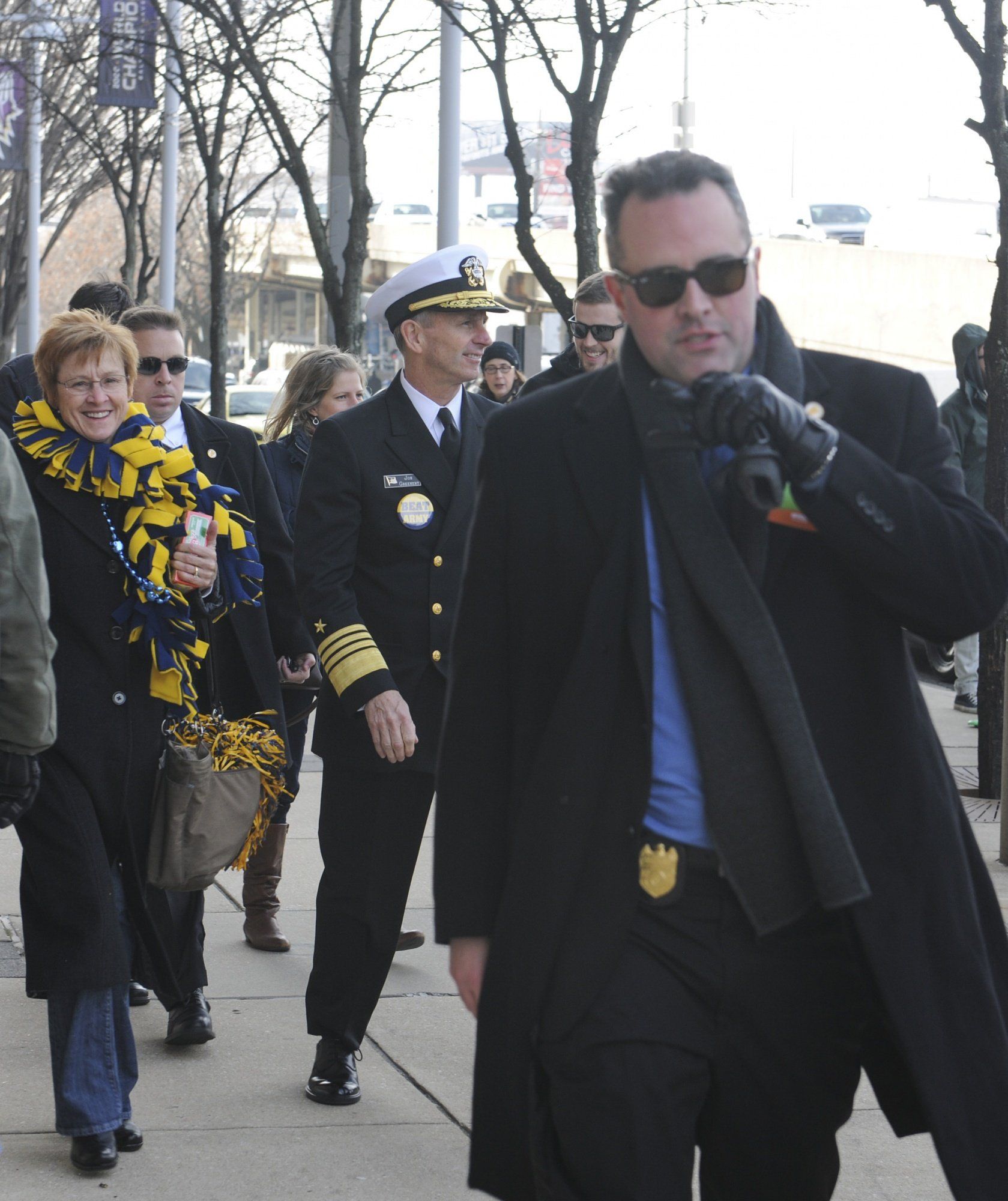
The Air Force Office of Special Investigations (AFOSI) is the primary federal law enforcement agency for the U.S. Air Force and U.S. Space Force. Headquartered at Quantico, Virginia, AFOSI conducts independent criminal investigations, counterintelligence operations, and specialized investigative services globally to protect military personnel, advanced technology, and mission integrity from internal and external threats.
What is the Air Force Office of Special Investigations?
The Air Force Office of Special Investigations, frequently referred to by its acronym AFOSI or simply OSI, functions as a federal law enforcement agency with a dual mission. It is both a military investigative body and a member of the United States Intelligence Community. Unlike standard military police units (Security Forces) that focus on base security and minor infractions, AFOSI is tasked with investigating "major crimes"—felonies that fall under the Uniform Code of Military Justice (UCMJ) or federal law.
As of 2026, AFOSI operates as a Field Operating Agency (FOA) under the guidance of the Inspector General of the Air Force. This reporting structure is critical because it ensures investigative independence. By reporting directly to the Inspector General and the Secretary of the Air Force, AFOSI agents can investigate personnel of any rank without fear of local command influence or interference. This "outside the chain of command" status is a cornerstone of its credibility and legal standing.
AFOSI’s workforce is a unique blend of active-duty Air Force officers and enlisted personnel, Reservists, and Department of the Air Force (DAF) civilians. All special agents, regardless of their status, carry federal credentials and are authorized to carry firearms, execute search warrants, and make arrests.
The History and Evolution of AFOSI
To understand the Air Force investigative service as it exists in 2026, one must look back to its inception in 1948. Following the creation of the Air Force as a separate branch of the military in 1947, leadership recognized the need for a centralized, professional investigative body. Prior to this, investigations were often handled by local commanders or fragmented units, leading to inconsistent results and potential bias.
Joseph Carroll, a former FBI official who had served as an assistant to J. Edgar Hoover, was appointed as the first Director of AFOSI. Carroll modeled the agency after the FBI’s centralized structure, emphasizing professional training, rigorous standards, and investigative autonomy. This "FBI-centric" DNA remains a defining characteristic of AFOSI today.
Over the decades, the agency's scope has expanded significantly. During the Cold War, the focus shifted heavily toward counterintelligence and the protection of nuclear assets. In the post-9/11 era, the agency pivoted toward anti-terrorism and expeditionary operations, deploying agents into combat zones to gather human intelligence (HUMINT). By 2026, the agency has fully integrated its responsibilities to include the U.S. Space Force, protecting orbital assets and sensitive ground-link technology from sophisticated foreign adversaries.
Core Mission Areas: How AFOSI Protects the Department of the Air Force
AFOSI’s operations are categorized into three primary functional areas. Each area requires specialized training and unique operational protocols.
1. Felony-Level Criminal Investigations
This is the "bread and butter" of the agency. AFOSI investigates a wide array of serious offenses that impact the Department of the Air Force. These include, but are not limited to:
- Violent Crimes: Homicide, aggravated assault, and robbery.
- Sexual Assault: AFOSI maintains a robust specialized team for investigating sexual crimes, focusing on victim-centered approaches while ensuring due process.
- Drug Trafficking: Investigating the distribution and use of controlled substances within the military ranks.
- Financial Fraud: Major procurement fraud involving defense contractors, which can cost the government billions of dollars and compromise equipment quality.
2. Counterintelligence (CI)
AFOSI is the lead agency for counterintelligence within the Department of the Air Force. The goal is to identify, exploit, and neutralize threats from foreign intelligence services and terrorist organizations. This includes:
- Espionage Investigations: Detecting and stopping the unauthorized disclosure of classified information.
- Force Protection: Providing specialized intelligence to commanders to prevent attacks on Air Force personnel and installations worldwide.
- Technology Protection: Safeguarding "Critical Program Information" (CPI) related to advanced aircraft, satellite systems, and weapons technology.
3. Cyber Operations and Specialized Services
In 2026, the digital battlefield is as active as the physical one. AFOSI’s Cyber Operations units investigate intrusions into Air Force networks and combat cyber-espionage. Furthermore, the agency provides specialized services including:
- Polygraph Examinations: Used in both criminal investigations and security screenings.
- Technical Surveillance Countermeasures (TSCM): Sweeping sensitive facilities to ensure they are free of electronic bugs or listening devices.
- Behavioral Sciences: Utilizing psychologists to assist in criminal profiling and threat assessment.
Jurisdiction and Legal Authority
AFOSI's authority is derived from both military and federal law. Because AFOSI agents are federal law enforcement officers (often classified under the 1811 series for civilians), they possess broad powers.
Jurisdiction Over People
AFOSI has investigative jurisdiction over all persons subject to the Uniform Code of Military Justice (UCMJ). This includes active-duty members, Reservists on orders, and, in certain circumstances, retired personnel. They also have the authority to investigate civilians (such as contractors or family members) when a crime occurs on an Air Force installation or affects Air Force interests, though these cases are often coordinated with the FBI or local law enforcement.
Jurisdiction Over Property
The agency investigates any crime involving Department of the Air Force property, including aircraft, weaponry, and classified data. This jurisdiction extends globally. If an Air Force asset is compromised in a foreign nation, AFOSI agents—working with the Department of State and host-nation authorities—deploy to investigate.
The Role of the Staff Judge Advocate (SJA)
While AFOSI conducts the investigations, they do not prosecute the cases. Once an investigation is complete, the evidence is turned over to the Staff Judge Advocate (SJA)—the military's legal office. The SJA and the subject’s commanding officer then determine whether to proceed with a court-martial, non-judicial punishment, or administrative action.
Organizational Structure and Global Presence
AFOSI is a global organization, reflecting the global reach of the Air Force itself. It is organized into several levels of command:
- Headquarters (HQ AFOSI): Located at Marine Corps Base Quantico, VA. It provides policy, oversight, and specialized resources to the entire agency.
- Regions: Aligned generally with Air Force Major Commands (MAJCOMs). For example, Region 1 supports Air Force Materiel Command, while Region 5 covers Europe and Africa.
- Field Investigations Squadrons (FIS): Large units that oversee multiple smaller offices within a geographic area.
- Detachments and Operating Locations (OLs): These are the "boots on the ground" offices located at almost every major Air Force base and in several strategic international locations.
Comparison of Federal Investigative Agencies
To clarify where AFOSI fits into the broader law enforcement landscape, consider the following comparison:
| Agency | Parent Department | Primary Jurisdiction | Key Focus Areas |
|---|---|---|---|
| AFOSI | Dept. of the Air Force | Air Force & Space Force | Felony Crime, CI, Cyber, Fraud |
| NCIS | Dept. of the Navy | Navy & Marine Corps | Felony Crime, CI, Maritime Security |
| CID | Dept. of the Army | Army | Felony Crime, War Crimes, CID |
| FBI | Dept. of Justice | General Federal / U.S. | Domestic Intelligence, Federal Law |
| HSI | Dept. of Homeland Security | International/Borders | Smuggling, Immigration, Trade |
Becoming an AFOSI Special Agent
The path to becoming an AFOSI agent is rigorous, with a selection process that mirrors the high standards of the FBI or Secret Service. As of 2026, the agency recruits from three main pools:
Enlisted and Officer Accessions
Active-duty members may apply to cross-train into AFOSI. Applicants must undergo a comprehensive "suitability" process, which includes a background investigation, psychological evaluation, and a panel interview. Officers typically join early in their careers (First Lieutenant or Captain), while enlisted members usually apply around the rank of Senior Airman or Staff Sergeant.
Civilian Special Agents
AFOSI employs a significant number of civilian special agents. These individuals are hired through the federal government's competitive service. Many are former military agents or have experience in other federal law enforcement agencies. They provide "institutional memory" and continuity, as they do not rotate out of the agency like their military counterparts.
Training at Glynco
All new AFOSI agents attend the Federal Law Enforcement Training Centers (FLETC) in Glynco, Georgia. They complete the Criminal Investigator Training Program (CITP), which is the same foundation course taken by agents from the Secret Service, HSI, and ATF. Following CITP, AFOSI candidates attend the Air Force Basic Special Investigations Course (BSIC) to learn the specifics of military law, UCMJ, and Air Force-specific investigative protocols.
Technology and Forensics in 2026
The year 2026 has seen AFOSI embrace advanced technology to maintain its investigative edge. The agency's 2nd Field Investigations Squadron (the specialized forensics unit) utilizes cutting-edge tools such as:
- Rapid DNA Analysis: Allowing for on-site identification of biological evidence in hours rather than weeks.
- Advanced Digital Forensics: Tools designed to bypass encryption on modern mobile devices and recover data from cloud-based environments.
- AI-Enhanced Threat Detection: Using machine learning algorithms to scan massive datasets for patterns indicating potential insider threats or foreign intelligence probing.
- Space-Domain Forensics: A relatively new field focused on investigating tampering or "electronic attacks" against satellite ground stations and uplink hardware.
Common Misconceptions About AFOSI
Given the sensitive nature of their work, several myths surround the "Air Force investigative service."
Myth 1: AFOSI is the same as Security Forces. This is incorrect. Security Forces (SF) are the military's uniformed police and air base defense force. They handle traffic stops, gate security, and minor incidents. AFOSI is a plain-clothes investigative agency that only handles major crimes and counterintelligence.
Myth 2: AFOSI agents are only looking to get people in trouble. AFOSI’s mission is to find the truth. Their investigations are "fact-finding" missions. They are just as responsible for clearing the innocent as they are for identifying the guilty. Their reports must be objective and based solely on evidence.
Myth 3: AFOSI only investigates Airmen. As established, their jurisdiction includes the Space Force, contractors, and in specific instances, civilians or foreign nationals who threaten Air Force assets or personnel.
Frequently Asked Questions
What kind of crimes does the Air Force investigative service handle?
AFOSI focuses on felony-level offenses. This includes crimes like murder, sexual assault, drug distribution, large-scale theft, and financial fraud. They also handle all counterintelligence and espionage matters related to the Department of the Air Force. Minor offenses like speeding or simple "disorderly conduct" are handled by the Security Forces.
Are AFOSI agents actual law enforcement officers?
Yes. AFOSI special agents are armed federal law enforcement officers. They have the authority to carry weapons, make arrests, and execute search warrants under the authority of the U.S. government. Their credentials allow them to operate across state lines and, in coordination with foreign governments, internationally.
How do I report a crime to AFOSI?
AFOSI maintains a 24/7 tip line and a "Submit a Tip" portal on their official website. Tips can often be submitted anonymously. For immediate emergencies on a base, personnel should still contact 911 or the local Security Forces control center, who will then notify AFOSI if the situation warrants their involvement.
Do AFOSI agents wear uniforms?
Generally, no. AFOSI agents usually operate in "plain clothes" (professional civilian attire). This is done to facilitate investigations, conduct surveillance, and allow for easier interaction with civilian law enforcement agencies and the public. However, they do have a tactical uniform for deployments to combat zones or during high-risk operations.
Does AFOSI investigate the Space Force?
Yes. Since the creation of the U.S. Space Force, AFOSI has served as its sole federal law enforcement and counterintelligence agency. They have specialized units dedicated to protecting space launch facilities, satellite control networks, and the personnel assigned to the Space Force.
Practical Recommendation for Personnel and Civilians
If you are a member of the Air Force or Space Force, or a civilian working with the Department of Defense, it is essential to understand that AFOSI is a resource for protection. Engaging with the agency through programs like "Eagle Eyes"—their anti-terrorism reporting initiative—is a primary way to contribute to base safety.
If you find yourself the subject of an investigation, it is important to remember that AFOSI agents must inform you of your rights under Article 31 of the UCMJ (the military equivalent of Miranda rights) before any custodial interrogation. In such cases, seeking legal counsel from the Area Defense Counsel (ADC) or a civilian attorney is a standard and recommended next action. For those looking to join the agency, the best path is to maintain a clean record, achieve high academic or military performance, and consult with a local AFOSI recruitment officer regarding the current year’s application window.