Air conditioning repair in Phoenix, Arizona, involves the diagnostic testing, maintenance, and restoration of cooling systems within one of the most demanding thermal environments in North America. In 2026, professional services prioritize rapid response times, energy-efficient component replacements, and compliance with the latest environmental refrigerant standards. Local experts specialize in addressing heat-stressed components to ensure resident safety and indoor comfort during extreme desert summers.
Understanding the Phoenix Climate and Your HVAC System
In the Sonoran Desert, an air conditioning system is not a luxury; it is critical life-support infrastructure. As of 2026, Phoenix continues to experience record-breaking summer temperatures, often exceeding 110°F for weeks at a time. This environmental pressure forces HVAC (Heating, Ventilation, and Air Conditioning) units to work significantly harder than those in more temperate climates. While a standard unit might last 15 to 20 years elsewhere, the average lifespan of a system in Phoenix is often compressed to 10 to 12 years due to the relentless operational demand.
The "Urban Heat Island" effect in the Phoenix metropolitan area also means that nighttime temperatures rarely drop low enough for systems to rest. This constant cycling leads to accelerated wear and tear on mechanical parts. For homeowners, understanding this relationship between local climate and mechanical longevity is the first step in managing repair expectations and budgeting for essential maintenance.
Common Air Conditioning Failures in the Sonoran Desert
The intense heat and unique environmental factors of Arizona contribute to specific types of mechanical failure. Identifying these early can prevent a total system shutdown during a peak heatwave.
Capacitor and Contactor Burnout
The most frequent repair call in Phoenix involves failed capacitors. These small, cylindrical components store electricity and provide the "jolt" needed to start the compressor and fan motors. High ambient temperatures degrade the electrolyte inside capacitors, leading to bulging or leaking. Similarly, contactors—the switches that turn the unit on and off—can become pitted or "welded" shut due to the high electrical load required to fight the Arizona heat.
Evaporator Coil Corrosion and Refrigerant Leaks
Phoenix homes often deal with "formicary corrosion," a type of microscopic tunneling in copper tubing caused by a reaction between the metal and common household VOCs (Volatile Organic Compounds). This leads to pinhole leaks in the evaporator coil. In 2026, the cost of repairing these leaks has risen due to the phased-out production of older refrigerants like R-410A and the transition to newer, lower-GWP (Global Warming Potential) alternatives.
Blower Motor and Condenser Fan Failures
The fans are the workhorses of the HVAC system. The outdoor condenser fan must dissipate heat from the refrigerant, while the indoor blower motor moves cooled air through the ductwork. Dust and haboob (dust storm) debris common to the Phoenix valley can infiltrate motor bearings, causing friction, overheating, and eventual motor seizure.
Troubleshooting Your Phoenix AC Before Calling a Professional
Before requesting an emergency service technician, there are several basic checks homeowners can perform to resolve simple issues or provide better information to the repair company.
- Check the Thermostat Settings and Power: Ensure the thermostat is set to "Cool" and the temperature is at least five degrees below the current room temperature. Check the display; if it is blank, the batteries may need replacement.
- Inspect the Circuit Breaker: HVAC systems pull significant amperage. Check your home’s main electrical panel for a tripped breaker. Reset it once, but if it trips again immediately, do not force it, as this indicates a serious electrical fault.
- Replace the Air Filter: A clogged filter restricts airflow, which can cause the evaporator coil to freeze into a block of ice. In Phoenix, filters should be checked every 30 days during the summer.
- Examine the Condensate Drain Line: If the drain line becomes clogged with algae or dust, a safety float switch will often cut power to the unit to prevent water damage to your home. Clearing the line with a wet/dry vacuum can sometimes restore service.
- Listen for Unusual Noises: Grinding, squealing, or heavy rattling sounds usually indicate mechanical failure in the motor or compressor. Turn the system off immediately to prevent further damage if these sounds occur.
The 2026 Refrigerant Transition: Impact on Repairs
As of 2026, the HVAC industry in Arizona has fully transitioned under federal regulations toward A2L refrigerants, such as R-454B and R-32. This shift significantly impacts repair strategies for Phoenix residents.
If your system was installed before 2023, it likely uses R-410A. While repair is still possible, the cost of R-410A has increased dramatically as production quotas have tightened. For systems with significant leaks, technicians now frequently recommend a full system replacement rather than a costly "recharge" with an obsolete gas. Newer systems designed for 2026 standards utilize mildly flammable (A2L) refrigerants, which require specific tools, sensors, and technician certifications for safe repair and handling. When seeking air conditioning repair in Phoenix, it is vital to verify that the company is equipped to handle these modern chemical standards.
Average Costs for Air Conditioning Repair in Phoenix (2026)
Costs in the Phoenix market reflect the high demand for skilled labor and the specialized parts required for high-efficiency desert cooling. Note that "Emergency" or "After-Hours" calls typically incur a higher diagnostic fee.
| Repair Type | Estimated Cost (2026) | Complexity | Typical Duration |
|---|---|---|---|
| Capacitor Replacement | $180 – $350 | Low | 30 – 60 Minutes |
| Contactors/Relays | $150 – $400 | Low | 1 Hour |
| Condenser Fan Motor | $500 – $1,100 | Medium | 1 – 2 Hours |
| Blower Motor (Variable Speed) | $800 – $1,600 | High | 2 – 3 Hours |
| Refrigerant Leak Detection | $250 – $600 | Medium | 1 – 3 Hours |
| Evaporator Coil Replacement | $1,800 – $3,500 | Very High | 4 – 6 Hours |
| Drain Line Clearing | $120 – $250 | Low | 30 – 45 Minutes |
Note: Prices are estimates based on standard 2026 market rates in Maricopa County and vary based on equipment brand and warranty status.
How to Select a Licensed HVAC Contractor in Arizona
Arizona has strict regulations regarding mechanical contractors to protect consumers from fraudulent or substandard work.
- Arizona Registrar of Contractors (ROC) Verification: Always ensure the technician’s company holds a valid, active license. You can verify this on the Arizona ROC website. For residential AC repair, look for "CR-39" or "R-39" classifications.
- NATE Certification: North American Technician Excellence (NATE) is the industry standard for technician competency. A NATE-certified technician has passed rigorous exams on HVAC installation and service.
- Bonding and Insurance: Ensure the company carries both general liability insurance and workers' compensation. This protects the homeowner from liability in the event of an accident on the property.
- Written Estimates: Avoid companies that refuse to provide a written quote before starting work. In 2026, reputable Phoenix contractors use digital diagnostic tools to provide transparent, itemized breakdowns of necessary repairs.
Prevention: The Importance of Bi-Annual Maintenance
The most effective way to avoid expensive air conditioning repair in Phoenix is through a proactive maintenance schedule. Because the cooling season in Arizona is so long—stretching from late March through October—a "set it and forget it" mentality leads to premature system failure.
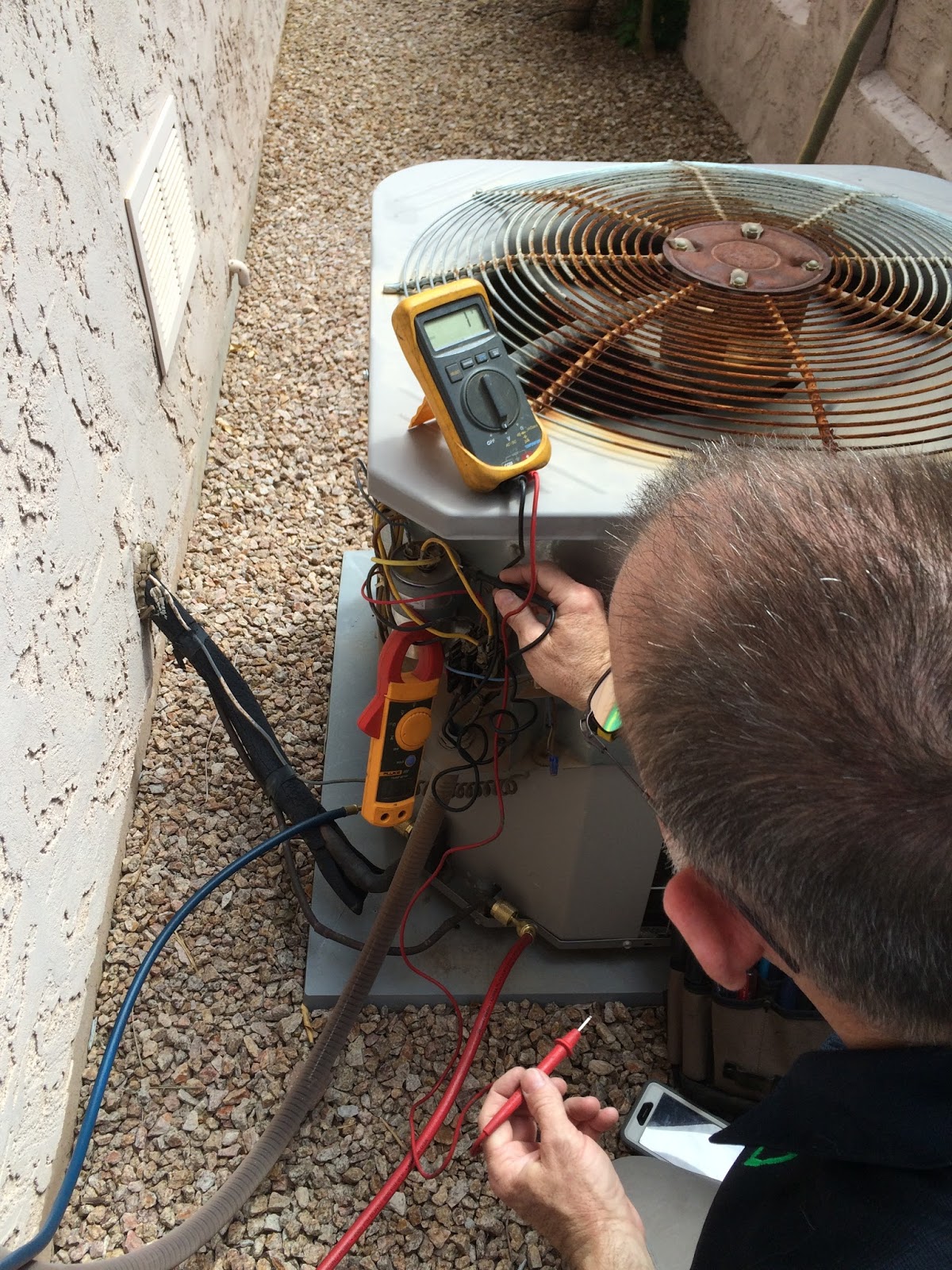
Expert technicians recommend a spring "Pre-Cool" tune-up and a fall "Heating" check. During a Phoenix summer tune-up, a technician will clean the condenser coils of desert dust, check the refrigerant charge levels, and measure the "Amp draw" of motors. Small issues, like a weakening capacitor or a slightly loose fan blade, can be addressed for a fraction of the cost of an emergency breakdown in July. Furthermore, regular maintenance is often a requirement to keep manufacturer warranties valid in 2026.
Frequently Asked Questions
Why is my AC running but not blowing cold air?
This usually indicates a heat transfer issue. It could be caused by a frozen evaporator coil (often due to a dirty filter), a failed compressor, or a significant refrigerant leak. In the Phoenix heat, if the air is not noticeably cold, turn the system off immediately to prevent the compressor from overheating while trying to compensate for the failure.
Is it worth repairing an AC unit that is over 10 years old in Phoenix?
In 2026, the decision hinges on the type of refrigerant the unit uses and the cost of the repair. If the repair exceeds 50% of the value of a new system, or if it requires the increasingly expensive R-410A refrigerant, replacement is generally the more fiscally responsible choice. Newer systems offer much higher SEER2 (Seasonal Energy Efficiency Ratio) ratings, which can lower Phoenix electric bills by 20% to 40%.
How quickly can I get AC repair in Phoenix during a heatwave?
During peak summer months, most major Phoenix HVAC companies offer 24/7 emergency services. However, during "High Heat" alerts, wait times can still range from 4 to 24 hours. Maintaining a service agreement with a local company often grants you "priority status," ensuring you are moved to the front of the queue during a breakdown.
Can Phoenix dust storms (haboobs) damage my AC?
Yes. Dust storms coat the outdoor condenser coils in a fine layer of silt, which acts as an insulator and prevents the unit from releasing heat. After a major storm, it is recommended to gently rinse the outdoor unit with a garden hose (while the power is off) or schedule a professional coil cleaning to maintain efficiency.
What are the signs that my AC compressor is failing?
Common signs include loud "clunking" noises upon startup, the outdoor unit vibrating excessively, or the circuit breaker frequently tripping. If the compressor—the "heart" of the system—fails, it is often more cost-effective to replace the entire outdoor unit rather than just the compressor, especially in older models.
Final Recommendation for Phoenix Residents
If your air conditioning system is struggling to maintain temperatures below 80°F during the day, do not wait for a total failure. Small performance dips in the Phoenix climate rapidly escalate into catastrophic mechanical breakdowns. Contact a licensed, ROC-verified HVAC professional to perform a diagnostic check. For systems older than 12 years, request a "Repair vs. Replace" consultation to evaluate if the high efficiency of 2026-standard equipment will provide a better return on investment than continuing to repair an aging, heat-stressed unit.