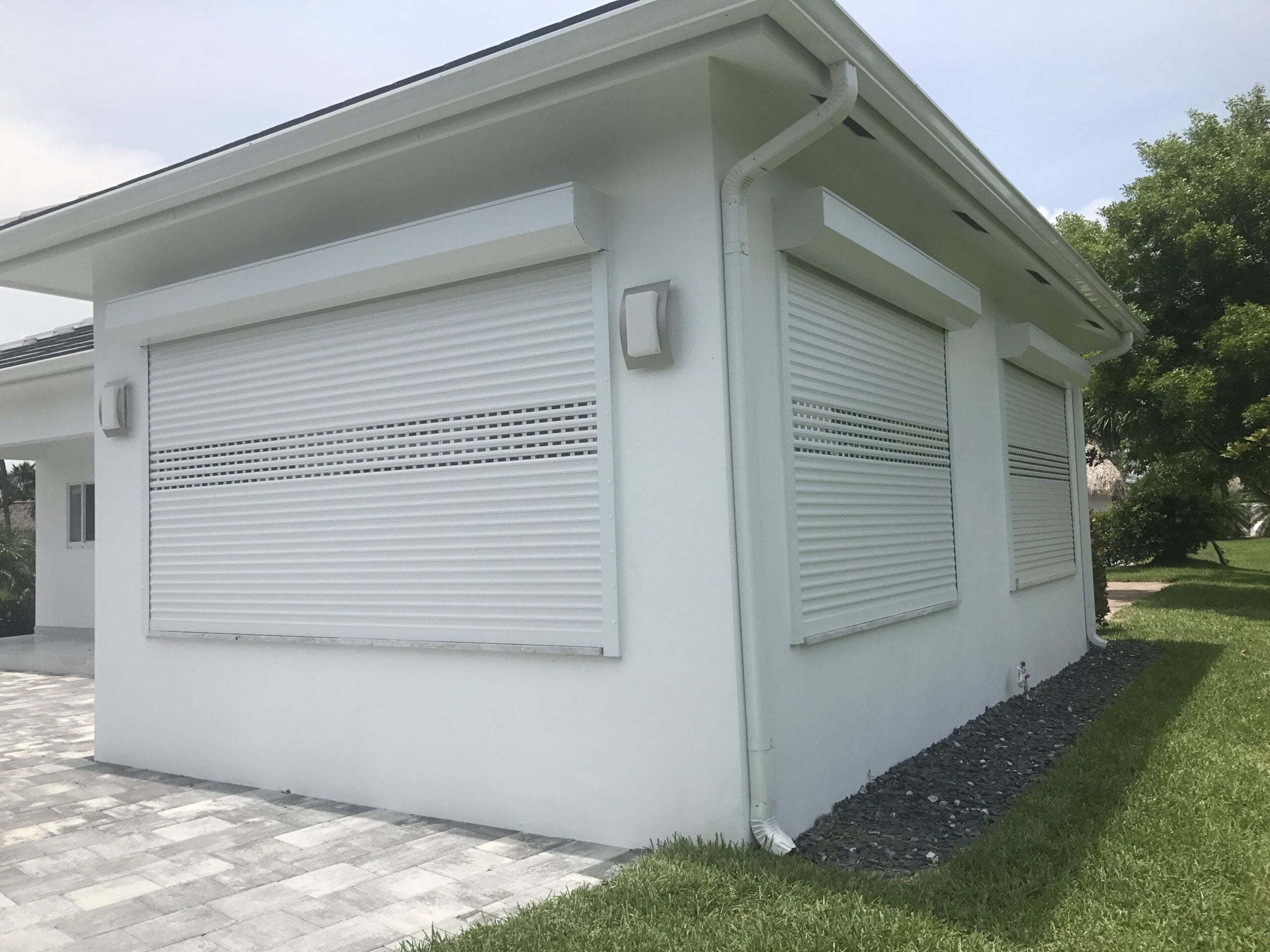
AHT hurricane shutters provide essential structural fortification for homes in high-risk wind zones, primarily functioning to prevent pressure breaches during tropical storms and hurricanes. These systems, often integrated into modern residential design, combine impact-resistant materials with mechanical deployment systems to safeguard glass openings and building envelopes against high-velocity debris and extreme pressure differentials.
The Role of Hurricane Shutters in Building Envelope Integrity
The primary function of any hurricane shutter system, including those provided under the AHT brand umbrella, is the maintenance of the building envelope. When a building’s exterior—specifically windows, doors, and glass sliders—is breached by wind-borne debris, the internal pressure of the structure changes instantaneously. This rapid pressurization can exert immense upward force on the roof deck, often leading to structural failure or roof blow-off.
By installing high-impact shutters, homeowners create a protective barrier that prevents wind from entering the living space. This maintains the home as a sealed unit. In the context of 2026 building codes, the inclusion of impact-rated protection is not merely a precautionary measure but a standard requirement for coastal construction in many hurricane-prone regions. These shutters act as a secondary defense, ensuring that even if the primary glass fails, the integrity of the home remains intact.
Types of Hurricane Protection Systems
Hurricane shutters are categorized by their deployment method, material composition, and the level of convenience they offer to the homeowner. Understanding these categories is vital for selecting a system that balances budget, aesthetic impact, and ease of use.
1. Rolling Shutters
Rolling or "roll-down" shutters are the premium option in the current market. These consist of a series of interlocking slats that roll down from a housing box mounted above the window or door. They can be operated manually via a crank or, more commonly, through motorized systems integrated into a home’s smart infrastructure. These are favored for their ease of use, as they can be deployed quickly by a single person, which is critical when approaching a storm event.
2. Accordion Shutters
Accordion shutters are permanently mounted to the sides of an opening. When needed, they slide horizontally and lock together in the center. They are highly valued for their structural strength and the fact that they do not require off-site storage. Because they are always present, they are often considered the "ready-to-go" solution for homeowners who want to avoid the physical labor of installing panels.
3. Hurricane Panels
Panels (made of steel, aluminum, or clear polycarbonate) represent the most cost-effective entry point for storm protection. They are modular and must be manually installed onto tracks or bolts surrounding an opening whenever a storm threat arises. While they require the most labor and dedicated storage space, they offer proven protection that meets stringent building codes at a fraction of the cost of motorized systems.
Technical Specifications and Regulatory Compliance
When selecting hurricane shutters, verifying compliance with the Florida Building Code (FBC) or the International Building Code (IBC) is paramount. In 2026, any product installed as "hurricane protection" must carry a Notice of Acceptance (NOA) or a similar certification from a testing body like the American Architectural Manufacturers Association (AAMA) or Miami-Dade County.
Key performance indicators include:
- Large Missile Impact Testing: This standard simulates the impact of a 9-pound 2x4 timber moving at 34 miles per hour, followed by cyclic pressure testing to simulate wind gusts.
- Design Pressure (DP) Ratings: Every shutter is rated for a specific amount of positive and negative pressure. Choosing a system that matches or exceeds the calculated wind load requirements for your specific site address is necessary for both safety and insurance compliance.
- Hardware Corrosion Resistance: Coastal environments are notoriously harsh on metal components. Quality shutters feature powder-coated aluminum or stainless-steel hardware to prevent oxidation, which can seize mechanisms over time.
Comparative Analysis of Hurricane Shutter Systems
| Shutter Type | Deployment Speed | Aesthetic Profile | Cost Range | Storage Required |
|---|---|---|---|---|
| Rolling | Very High | Low (Integrated) | High | None |
| Accordion | High | Medium | Medium | None |
| Panels | Low | High | Low | Yes |
| Bahama/Colonial | Medium | Low (Architectural) | Medium | None |
Practical Considerations for Installation and Maintenance
The effectiveness of a shutter system is entirely dependent on its installation. Even an industry-leading product will fail if the mounting hardware is inadequately anchored to the substrate, such as concrete or reinforced masonry.
Pre-Storm Procedures
Homeowners must conduct a "dry run" at least once per year, preferably before the start of the hurricane season. This involves:
- Testing Motors: If using rolling shutters, ensure the motors operate smoothly and that the limits (where the shutter stops at the top and bottom) are set correctly.
- Lubrication: Applying silicone-based lubricant to side tracks and gears prevents binding. Do not use oil-based lubricants, as they attract grit and sand, which can clog tracks over time.
- Hardware Inspection: Check all locking mechanisms, bolts, and wingnuts. Replace any rusted or stripped fasteners immediately to ensure they will hold under high-wind conditions.
Post-Storm Maintenance
After a storm, perform a thorough inspection. Even if the shutters appear undamaged, the high-frequency vibrations from wind gusts can loosen mountings. Clean salt spray off the tracks to prevent corrosion, and ensure the shutter fully retracts into its housing to maintain the clean architectural profile of the home.
Troubleshooting Common Operational Issues
Even high-quality shutter systems may encounter problems due to age or environmental exposure.
- Binding or Stalling: If a rolling shutter binds, it is often due to debris in the track. Use a garden hose to clear the tracks and ensure the slats are aligned. If the shutter is motorized and stops midway, check for electrical faults or if the motor has tripped a thermal overload switch.
- Locking Difficulties: Accordion shutters may become difficult to lock if the track has been bent or if the base plate is obstructed by debris. Ensure the threshold is clean and the vertical alignment of the shutter is straight before attempting to engage the lock.
- Rust and Corrosion: If signs of oxidation appear on panels or tracks, clean the area with a mild detergent and touch up the finish with approved outdoor-rated paint. If structural components show deep pitting or orange rust, professional assessment is required as the structural integrity may be compromised.
Insurance and Financial Impacts
Insurance providers in high-wind zones often mandate that homes are protected by either impact-resistant glazing or a shutter system. Many homeowners notice a decrease in their annual premiums after providing proof of shutter installation, as these systems significantly lower the probability of catastrophic "open-envelope" claims.
When updating your home’s protection, obtain a "Wind Mitigation Inspection." A certified inspector will document the specific type of shutter, the attachment methods, and the level of testing compliance, providing a report that you can submit to your insurance provider to potentially lower your deductible or policy costs.
Frequently Asked Questions
Are hurricane shutters required by law in 2026? The requirement depends on your local jurisdiction. In coastal areas or regions prone to high-velocity winds, building codes generally require that all glazed openings be protected by impact-rated systems. Always check with your local municipal building department to determine the specific requirements for your property.
Do shutters provide protection against intruders? Yes, while their primary purpose is storm defense, they serve as a significant physical deterrent against forced entry. Rolling shutters, in particular, provide a high level of security by creating a locked, solid metal barrier over doors and windows.
Can I install these shutters myself? While some panel systems are sold as DIY projects, motor-driven or complex tracked systems (like rolling or accordion shutters) should be installed by professionals. Proper anchoring into concrete or masonry requires specialized tools and precise calibration to ensure the shutters meet wind-load ratings.
Do hurricane shutters increase home value? Yes, they are generally viewed as a major functional upgrade. Prospective buyers in storm-prone regions often look for existing, code-compliant protection as a priority, viewing them as a cost-saving measure that avoids the expense and effort of a post-purchase installation.
How often should I service my shutters? A formal service should be performed annually. However, you should inspect your tracks and seals every few months to remove debris and dirt, which is the leading cause of mechanical failure during emergency deployment.
Next Steps for Homeowners
To begin securing your property, first identify the vulnerabilities of your specific floor plan. Assess which windows and doors are most exposed to prevailing winds and consider your ability to deploy the system physically. For many, a hybrid approach—installing high-convenience motorized rolling shutters on primary ground-floor entries and more economical, manually deployed panels for secondary upper-story windows—offers the best balance of cost and protection. Consult with a licensed contractor specializing in hurricane-rated building materials to obtain a site-specific assessment for your home.