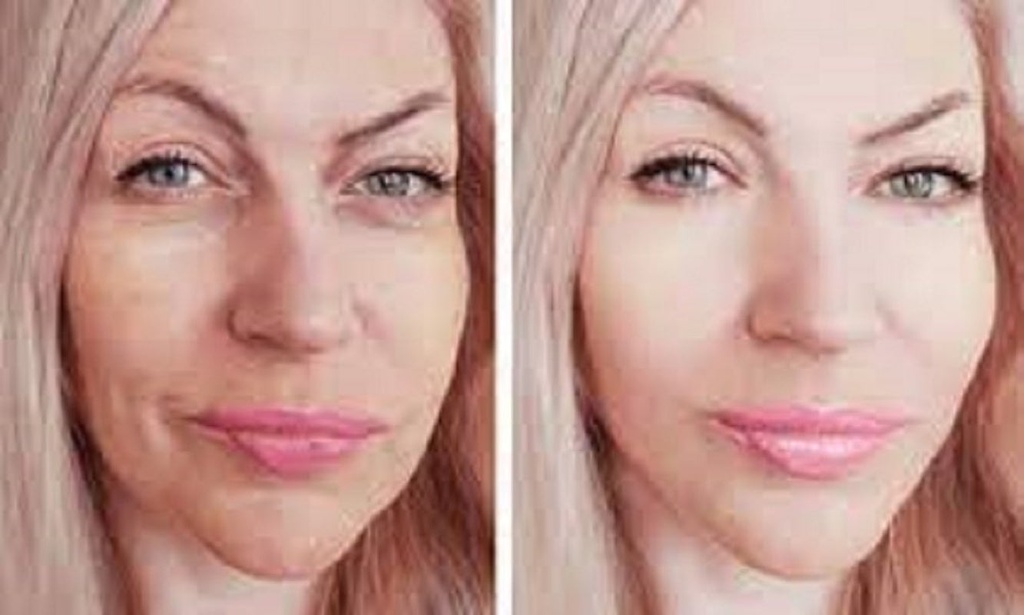
Ageless wrinkle cream represents a multibillion-dollar segment of the skincare industry, promising to reverse signs of aging through topical application. In reality, while these products can improve skin hydration, texture, and the appearance of fine lines, they cannot biologically "erase" wrinkles or replicate the transformative effects of professional cosmetic procedures. Understanding the distinction between superficial cosmetic improvement and physiological change is essential for setting realistic expectations.
The Science of Topical Anti-Aging Formulations
The term "ageless" in skincare marketing is a linguistic construct rather than a biological reality. Human skin is subject to both intrinsic aging—determined by genetics—and extrinsic aging, caused by environmental factors like ultraviolet (UV) radiation, pollution, and lifestyle choices. Topical anti-aging creams operate primarily on the stratum corneum, the outermost layer of the epidermis.
Most high-performing creams rely on a few scientifically validated ingredients. Retinoids, including retinol and prescription-strength tretinoin, remain the gold standard. They function by accelerating cell turnover and stimulating collagen production in the dermis. However, their efficacy is limited by the concentration that can safely be delivered topically without causing significant irritation.
Other common ingredients, such as hyaluronic acid, function as humectants. These molecules bind to water, plumping the skin temporarily and making fine lines appear less visible. While effective for immediate cosmetic improvement, this is a transient effect. Once the product is washed away or absorbed, the structural state of the skin remains largely unchanged.
Distinguishing Cosmetic Improvement from Structural Change
A primary point of confusion for consumers is the difference between "cosmetic effect" and "structural correction." A cream that contains optical diffusers or silicone-based polymers can fill in micro-depressions on the skin’s surface, creating a smooth, matte finish that reflects light away from fine lines. This is a legitimate cosmetic result—it makes the skin look better—but it does not address the underlying collagen depletion or elastin breakdown that caused the wrinkle to form.
To understand the realities of the market, one must categorize anti-aging products by their objective performance:
- Hydration-Based Plumpers: These focus on water retention. They are excellent for preventing dryness-induced lines but provide minimal long-term anti-aging benefits.
- Cellular Turnover Agents: Primarily vitamin A derivatives (retinoids). These require consistent, long-term use and often cause a period of "retinization" or sensitivity before yielding results.
- Antioxidant Protection: Ingredients like Vitamin C (L-ascorbic acid) or Ferulic acid neutralize free radicals. They act as a defensive barrier against future environmental aging rather than a corrective measure for existing damage.
- Peptide Complexes: These are short chains of amino acids that serve as signaling molecules, theoretically encouraging the skin to produce more structural proteins. Evidence for their efficacy is generally mixed compared to retinoids.
Realistic Expectations and the "Ageless" Claim
Consumers frequently ask why a $200 cream does not produce results comparable to a professional laser resurfacing treatment or a dermal filler injection. The reality is one of physics and biology: topical creams have a molecular weight and a barrier function to contend with. The human skin is designed to be an impenetrable barrier, which makes delivering high-potency ingredients into the deeper layers of the dermis extremely difficult.
Professional procedures, such as CO2 fractional lasers, work by creating controlled thermal injuries to the dermis, forcing the body to undergo a significant wound-healing response that creates new, organized collagen. Cosmetic creams cannot bypass the skin barrier to initiate this level of damage-and-repair cycle. Therefore, creams are best viewed as supportive maintenance rather than an alternative to medical-grade cosmetic interventions.
Comparison of Anti-Aging Approaches
| Approach | Primary Mechanism | Estimated Time to Visible Result | Potential for Dramatic Change |
|---|---|---|---|
| Topical Retinoids | Increased cell turnover | 3–6 Months | Moderate |
| Hyaluronic Creams | Surface hydration | Immediate (Hours) | Low (Temporary) |
| Chemical Peels | Controlled exfoliation | 1–2 Weeks | Moderate |
| Dermal Fillers | Physical volume replacement | Immediate | High |
| Laser Resurfacing | Thermal collagen induction | 1–3 Months | Very High |
The Role of Sunscreen in Anti-Aging
If there is one "ageless" product that aligns with scientific reality, it is daily, broad-spectrum sunscreen. Dermatologists universally agree that up to 90% of premature skin aging is caused by UV exposure. This is known as photoaging. UV rays degrade collagen and elastin fibers, leading to sagging, leathery skin, and deep wrinkles.
Using an expensive wrinkle cream while neglecting daily SPF 30+ protection is a common error in anti-aging routines. The best strategy is a minimalist approach: protect the existing skin structure from further degradation before attempting to treat past damage. No cream can effectively counteract the daily destruction caused by unprotected sun exposure.
Troubleshooting Your Skincare Routine
If you feel your current anti-aging regimen is failing, consider these steps before purchasing a more expensive product:
- Consistency Audit: Most clinical studies for anti-aging ingredients span 12 to 24 weeks. If you are cycling through products every month, you are not giving your skin enough time to show measurable changes.
- Ingredient Overload: Using too many active ingredients (e.g., AHAs, BHAs, Retinol, and Vitamin C) simultaneously can compromise the skin barrier. A damaged barrier leads to inflammation, which accelerates visible aging.
- Check for Photosensitivity: Ensure your products are stored in opaque, airless packaging. Ingredients like Vitamin C and certain retinoids degrade rapidly when exposed to light and oxygen, rendering them inert.
- Evaluate Concentration: If you are using over-the-counter products without seeing changes after six months, you may need to consult a board-certified dermatologist for a prescription-strength retinoid, which is verified for higher efficacy.
Frequently Asked Questions
Can "ageless" creams permanently remove deep wrinkles? No. Deep wrinkles are structural depressions caused by the loss of underlying support. Topical creams can only address the appearance of fine lines and skin surface texture. Deep wrinkles generally require professional intervention like fillers or resurfacing procedures.
Are expensive department store creams better than drugstore alternatives? Not necessarily. The efficacy of a product is determined by its active ingredients and their concentration, not the price of the brand. Many drugstore brands utilize the same effective ingredients (retinol, niacinamide, hyaluronic acid) found in luxury products. Look at the ingredient list, not the marketing claims.
What is the minimum age to start using anti-aging creams? Prevention is the best anti-aging strategy. Using sunscreen and a gentle moisturizer is appropriate for all ages. Active anti-aging ingredients, such as retinoids, are typically introduced in the late 20s or early 30s, depending on individual skin concerns and sun exposure history.
Do natural or organic anti-aging creams work as well as synthetic ones? "Natural" does not necessarily mean effective or safe. While some botanical extracts have antioxidant properties, many synthetic ingredients, like prescription retinoids, have decades of clinical data proving their efficacy. Natural ingredients are often less stable and more prone to causing allergic reactions.
How do I know if my skin is reacting negatively to a product? Signs of a compromised skin barrier include persistent redness, itching, stinging upon application, and tightness. If these occur, discontinue the active product immediately, simplify your routine to a mild cleanser and moisturizer, and wait for the skin to heal before reintroducing actives.
Moving Forward with Realistic Expectations
The quest for "ageless" skin is best approached through a lens of skin health rather than the hope of turning back the clock. Focus on three pillars: consistent sun protection, hydration, and evidence-based active ingredients like retinoids. If you desire results that transcend surface-level improvement, consult a dermatologist to discuss in-office procedures. By moving away from marketing hyperbole and toward a science-backed routine, you can maintain skin that looks and feels its best at any age.