Securing affordable workers compensation insurance for small teams requires balancing state-mandated coverage requirements with budget constraints. By accurately classifying your business activities, maintaining a clean safety record, and leveraging digital-first insurance providers, small teams can significantly reduce premium costs while ensuring full regulatory compliance and employee protection.
Understanding the Basics of Workers Compensation
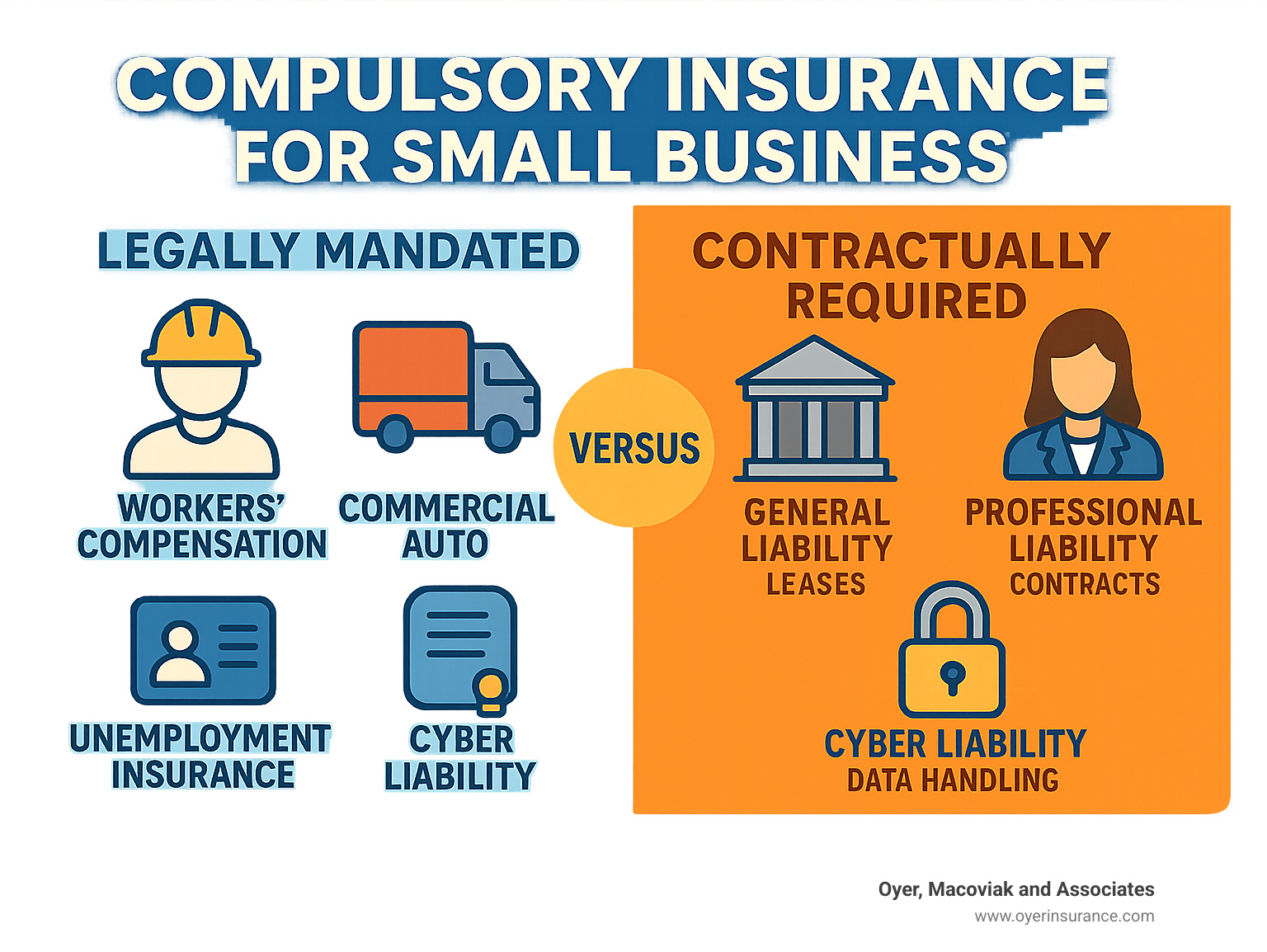
Workers compensation is a state-mandated insurance program designed to provide wage replacement and medical benefits to employees who suffer job-related injuries or illnesses. Unlike general liability insurance, which protects your business from third-party lawsuits, workers compensation is specifically tailored to cover your internal staff. In nearly every U.S. jurisdiction, if you have one or more employees, the law requires you to maintain this coverage.
For small teams, the "affordability" of this insurance is primarily driven by three factors: the classification of your industry, the size of your payroll, and your historical claims experience. Because insurance premiums are calculated as a rate per $100 of payroll, small teams often have an advantage; lower total payrolls naturally result in lower total premiums. However, misclassifying your employees—for instance, labeling office staff as construction laborers—can lead to significantly inflated costs.
Prerequisites for Obtaining Coverage
Before you begin your search for a policy, you must have your business documentation organized. Insurance carriers assess risk based on verifiable data. Without these documents, you may be quoted the highest possible "manual" rate, which is often far more expensive than a tailored rate.
- Federal Employer Identification Number (FEIN): This acts as your business’s social security number and is required for all policy filings.
- Payroll Data: Have an accurate estimate of your annual payroll. Be prepared to distinguish between office/clerical staff and field or hazardous-duty staff.
- Claims History: If you have been in business for more than a year, request your "loss runs" from previous carriers. A history of zero claims is your greatest asset in negotiating lower premiums.
- Business Classification Codes: Familiarize yourself with NCCI (National Council on Compensation Insurance) class codes. These codes categorize the level of risk associated with your specific line of work. Ensuring these are accurate is the single most effective way to keep costs down.
Strategies to Lower Premium Costs
While insurance premiums are largely fixed by state bureaus, several levers allow small business owners to lower their expenses legally and effectively.
1. Optimize Classification Codes If your team wears many hats, ensure that payroll is split correctly. If you have an IT consultancy that also installs hardware, keeping the clerical staff in a low-risk class code and the installers in a higher-risk code prevents you from paying the high-risk premium on your entire payroll.
2. Implement a Formal Safety Program Insurers look favorably on companies that proactively manage risk. Documenting a clear safety training program, conducting regular office or site inspections, and keeping a formal log of safety meetings can often qualify your business for "loss control" credits.
3. Choose High Deductibles If your team has a very low risk of injury, opting for a higher deductible can lower your premium. This effectively means you agree to pay for small, minor claims out of pocket, while the insurance carrier remains responsible for significant, high-cost incidents.
4. Explore "Pay-As-You-Go" Billing Traditional policies often require a large down payment and estimated annual premiums. Pay-as-you-go programs, which are increasingly common in 2026, align your insurance payments with your actual monthly payroll. This improves cash flow and eliminates the "audit shock" that happens at the end of the year if your payroll ends up being higher than projected.
Comparing Traditional Carriers vs. Digital Providers
| Feature | Traditional Carriers | Digital/InsurTech Platforms |
|---|---|---|
| Application Process | Manual/Paper-based | Fully digital/Automated |
| Speed to Quote | 3–10 business days | Minutes to hours |
| Payment Structure | Annual/Installments | Pay-as-you-go (payroll-linked) |
| Customer Support | Dedicated Agent | Chat/Email/Dedicated Account Managers |
| Best For | Complex/High-risk industries | Small teams/Low-to-medium risk |
Managing the Regulatory Environment
Compliance is not merely a financial task; it is a legal requirement that carries significant risk if ignored. In some states, failing to carry workers compensation insurance can lead to heavy daily fines, "stop-work" orders that shut down your business, and personal liability for the owner.
When searching for coverage, verify that the carrier is admitted in your state. An "admitted" carrier is licensed by your state's department of insurance, which provides a layer of protection through state guarantee funds if the insurance company fails. While non-admitted or "surplus lines" carriers might offer lower rates in niche or high-risk cases, they lack the same regulatory oversight. For most small teams, sticking to admitted, state-regulated carriers is the safer financial choice.
Common Mistakes to Avoid
- Misclassifying Independent Contractors: Attempting to label employees as independent contractors to avoid paying insurance premiums is a common pitfall. If you exercise control over when, where, and how an individual works, the state will likely deem them an employee. The penalties for misclassification can far exceed the cost of the insurance premiums you tried to avoid.
- Ignoring Payroll Audits: At the end of every policy term, the insurance company will perform an audit to verify your actual payroll. If you underestimated your payroll during the application process, you will be hit with an unexpected, large invoice. Keep your payroll records accurate throughout the year to avoid this.
- Neglecting the "Experience Modifier": Your Experience Modification Rate (EMR) is a number that compares your claims history to other businesses in your industry. If your EMR is above 1.0, you are paying more than the industry average. If it is below 1.0, you are paying less. Monitoring your EMR allows you to see how your safety culture is directly impacting your bottom line.
Frequently Asked Questions
Does workers compensation cover remote employees? Yes. Even if your team works entirely from home, they are typically covered by workers compensation for injuries sustained during the scope of their employment. Ensure your insurer is aware that your team is remote, as this often lowers the "risk rating" compared to a physical office or job site.
Can I get insurance if my team is only one or two people? Yes, most carriers specialize in small groups. However, some states allow sole proprietors to opt out of coverage for themselves. Check your specific state's rules, as opting out might be permitted for the owner but not for any hired help you might bring on later.
Why do my insurance quotes vary so much between providers? Insurance companies use different actuarial models and have different "appetites" for risk. A carrier that specializes in tech startups may offer a much lower rate for a software development team than a generalist carrier that is unfamiliar with that risk profile. Always compare at least three quotes.
What happens if I don't buy workers compensation insurance? Beyond the legal penalties, you expose your business to "tort" lawsuits. In many states, if you do not carry workers compensation, you lose your "exclusive remedy" protection, meaning an injured employee can sue your business for damages in civil court, potentially leading to bankruptcy.
Is the "pay-as-you-go" method more expensive? Generally, no. It is typically a payment convenience rather than a pricing surcharge. While some providers may charge a small administrative fee for the increased processing frequency, the benefit of improved cash flow and accurate audit reporting usually outweighs the cost.
Next Steps for Your Small Team
To secure the most affordable policy, follow these steps sequentially:
- Gather your payroll and class codes. Use the NCCI website or state-specific labor department resources to confirm your codes.
- Contact a broker or use a reputable online comparison tool. Provide your payroll data to get multiple quotes simultaneously.
- Evaluate the "Total Cost of Risk." Don't just look at the premium. Look at the deductible, the reputation of the carrier for handling claims, and the convenience of the billing platform.
- Finalize the policy and secure the "Certificate of Insurance." This document is what you will provide to clients who require proof of coverage before starting projects.
- Review your safety documentation. Ensure your team understands the process for reporting an injury immediately, as prompt reporting is statistically proven to reduce the total cost of a claim.
Disclaimer: This information is for educational purposes and does not constitute legal or financial advice. Insurance requirements vary significantly by state and specific business operations. Always consult with a licensed insurance broker or legal professional in your jurisdiction before making final coverage decisions.