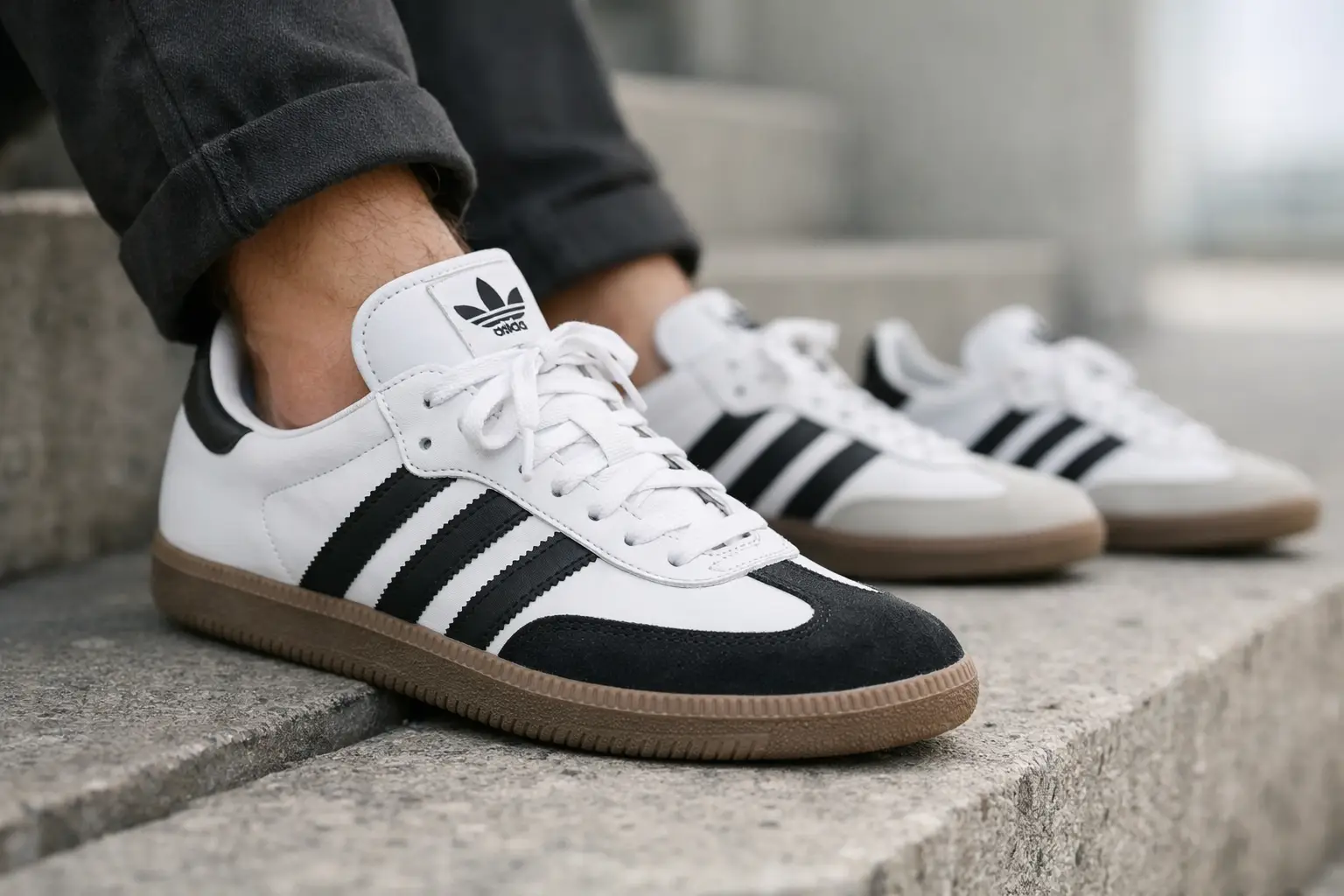
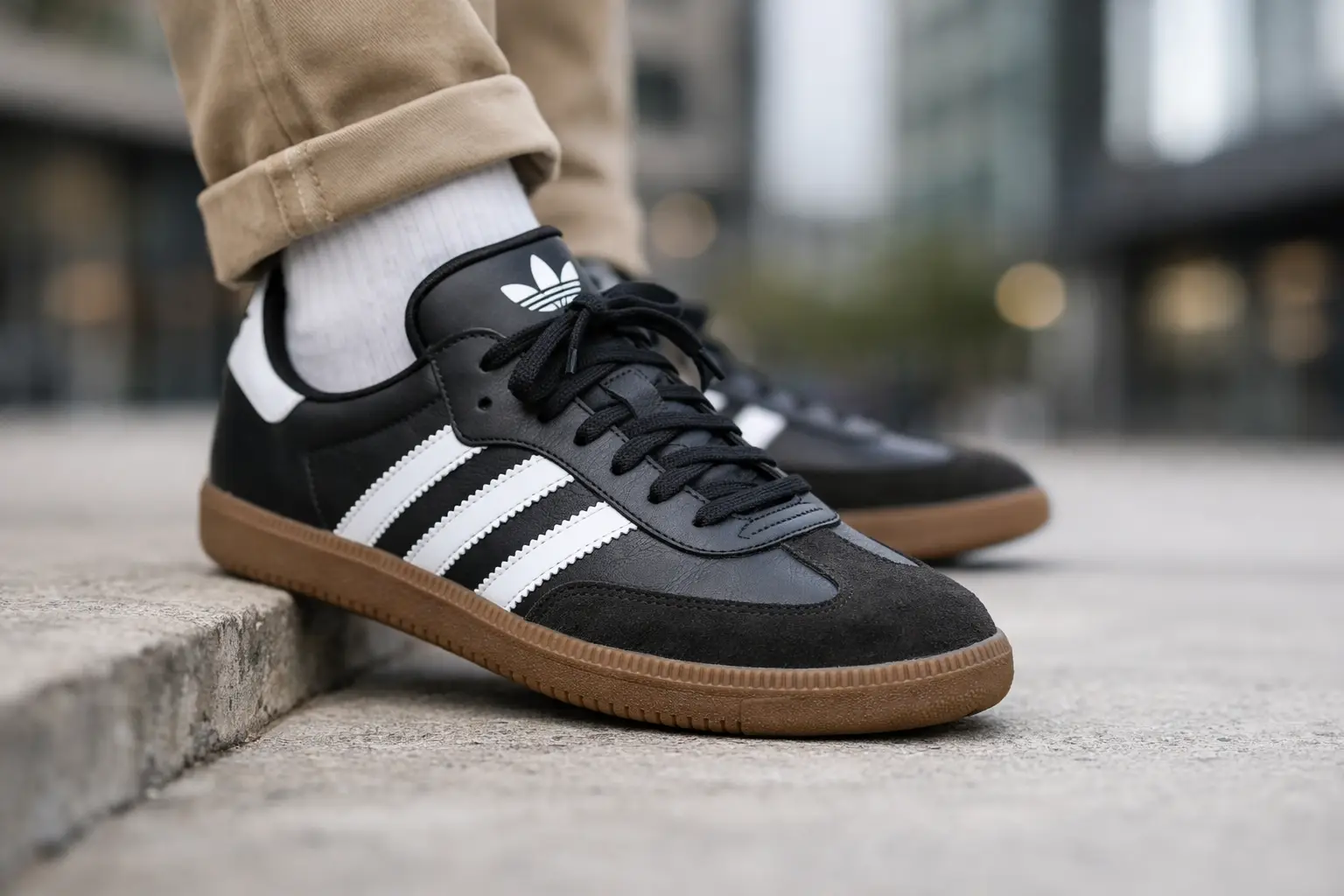
The Adidas Samba, originally engineered as an indoor soccer shoe in 1949, remains one of the most recognizable pieces of footwear in the modern era. Reviews of the silhouette consistently focus on its unique blend of low-profile aesthetic, gum-sole durability, and the historical transition from professional athletic gear to a foundational element of contemporary lifestyle fashion.
Understanding the Heritage of the Adidas Samba
The Samba holds a distinct place in footwear history. Initially designed by Adi Dassler to provide soccer players with better grip on icy outdoor pitches, it eventually became the quintessential indoor soccer shoe. Unlike modern athletic footwear, which relies heavily on synthetic mesh and high-rebound foams, the Samba is defined by its straightforward construction: a full-grain leather upper, a suede T-toe overlay, and a gum-rubber outsole.
In the current market, reviewers often categorize the Samba not as a technical performance shoe, but as a "terrace" classic. Understanding this distinction is critical for prospective buyers. If you are seeking a shoe with advanced arch support or long-distance running cushioning, the Samba will likely fall short of your functional expectations. However, if your search intent centers on versatility, durability, and a heritage aesthetic, the Samba occupies a specific, high-performing niche.
Materials and Construction Quality
A major point of discussion in consumer reviews is the build quality of the various Samba iterations. The standard model, the Samba OG, features a goat-leather upper that is notable for its malleability. Upon initial wear, the leather is firm, but it conforms to the foot shape over time, leading to a custom fit.
The suede T-toe is perhaps the most functional design element. In the context of its original indoor soccer use, this reinforcement serves to protect the leather from scuffs during ball contact. In daily wear, it acts as a structural anchor that prevents the front of the shoe from losing its shape. The gum sole, a hallmark of the Samba, provides excellent traction on hard surfaces. Because this rubber is vulcanized, it offers a level of durability that typically outlasts the softer blown-rubber outsoles found on contemporary lifestyle sneakers.
Sizing, Fit, and Comfort Profiles
One of the most frequent questions regarding the Samba is how it fits compared to standard athletic sizing. The consensus among long-term owners and reviewers is that the Samba tends to run slightly long and narrow.
- Width: The forefoot is intentionally snug. For users with wide feet, the leather will eventually stretch, but the narrow midsole architecture is a permanent design feature.
- Length: Many users report that a half-size down from their typical running shoe size provides the most secure lockdown.
- Arch Support: The interior is quite flat. There is very little inherent arch support, which is a common critique for those accustomed to modern orthopedic-focused footwear. Users requiring higher arch support often replace the stock insole with a third-party orthotic, though the slim profile of the shoe can make deep insoles feel crowded.
Comparative Analysis: Samba vs. Modern Alternatives
When analyzing reviews, it is helpful to contrast the Samba with other popular lifestyle silhouettes. The following table identifies how the Samba stacks up against common competitors in the lifestyle footwear category.
| Feature | Adidas Samba | Nike Killshot 2 | Vans Old Skool |
|---|---|---|---|
| Primary Material | Full-grain leather | Leather/Suede | Canvas/Suede |
| Sole Type | Gum rubber | Gum rubber | Waffle rubber |
| Arch Support | Minimal | Low | Low |
| Best Use Case | Versatile lifestyle | Casual/Smart-casual | Skate/Streetwear |
| Weight | Lightweight | Lightweight | Medium |
The comparison to the Nike Killshot is particularly relevant, as both are frequently identified as "versatile" shoes. While the Killshot is often perceived as having a slightly more "prep-adjacent" design, the Samba maintains a more aggressive, athletic heritage profile. Vans, while also possessing a gum-like aesthetic, lack the leather durability of the Samba, making the latter a more robust choice for wet weather or high-frequency usage.
Navigating the Different Versions
The "Samba" label is applied to several different models, which often causes confusion for buyers. Distinguishing between these is essential for setting correct expectations:
- Samba OG: This is the most faithful reproduction of the historical silhouette. It features the standard tongue and typical leather finish.
- Samba Classic: Often found in broader retail outlets, this version is slightly wider and features a different, often more synthetic-heavy, tongue construction. It is aimed more at the casual user than the heritage enthusiast.
- Samba Vegan: This model replaces all animal products with synthetic alternatives. Reviews often note that the upper feels slightly stiffer than the OG leather model and may require a longer break-in period.
- Collaboration Editions: Periodic limited-edition releases often feature premium materials like Italian leather, unique suede textures, or modified sole units. These are largely aesthetic adjustments and do not change the core fit or function of the shoe.
Common Criticisms and Troubleshooting
Even highly regarded footwear has limitations. Reviewers consistently point to a few recurring "pain points" associated with the Samba:
- The Tongue: The OG model features a long, somewhat stiff tongue. Some users find it digs into the front of the ankle during the first week of wear. A common troubleshooting technique is to use a "lace-locking" method or simply fold the tongue slightly to soften the leather through friction.
- Stiffness: The initial stiffness of the heel counter can cause blisters for those with sensitive skin. Wearing crew-length socks during the first few wears is highly recommended until the heel padding breaks down.
- Water Resistance: While leather is inherently more water-resistant than knit materials, the Samba is not waterproof. The suede T-toe is particularly susceptible to water staining. Users who live in wet climates should apply a standard suede protector spray immediately upon purchase to preserve the color and texture of the suede panels.
Identifying Your Suitability
To determine if the Adidas Samba is the right choice for your needs, consider your primary environment. If your daily routine involves significant walking on concrete or hardwood, the Samba is an excellent companion due to its slim profile and responsive, thin sole. It provides a "grounded" feeling that is the opposite of the "cloud-like" sensation provided by modern thick-soled sneakers.
However, if you are planning to engage in high-impact activities like running or jumping, the Samba is functionally inadequate. The lack of energy-returning foam means the foot absorbs more of the impact than in a designated performance trainer. Treat this shoe as a sophisticated, durable, and timeless piece of apparel that bridges the gap between casual comfort and athletic history.
Frequently Asked Questions
Are Adidas Sambas comfortable for all-day walking? They are comfortable for most users, provided you do not require high arch support. Because the sole is thin and firm, they are excellent for walking on flat surfaces, but they may lead to fatigue during long days of standing on hard concrete.
Do Adidas Sambas stretch significantly? Yes. Because they are primarily constructed from leather, they will stretch and mold to the width of your foot over time. It is better to have a snug fit at the point of purchase than a loose one, as the latter will cause heel slippage once the leather breaks in.
How do I clean my Adidas Sambas? For the leather portions, use a damp cloth and mild soap. For the suede T-toe, use a dedicated suede brush to lift dirt. Avoid machine washing or drying, as the high heat and water immersion can cause the leather to crack and the vulcanized rubber to delaminate from the upper.
Are the Samba Vegan versions worth it? The Vegan version is a suitable alternative if you prioritize ethical material sourcing. While the texture differs slightly from the leather OG model, the structural integrity and aesthetic remain consistent with the Samba tradition.
What should I do if the tongue digs into my ankle? This is a common issue with new pairs. Try lacing the shoe normally but ensure the tongue is centered. If it persists, use a leather conditioner to soften the leather of the tongue, which will make it more pliable against your ankle after only a few wears.
Final Recommendation
The Adidas Samba remains a staple of footwear culture because it fulfills a specific, unchanging need: a low-profile, durable, and stylish shoe that looks better the more it is worn. For those seeking a shoe that pairs easily with diverse clothing styles—from denim to tailored trousers—the Samba is an essential investment.
When purchasing, prioritize selecting the version that matches your material preferences and ensure you account for the narrow fit by sizing carefully. Once broken in, the Samba offers a level of reliable, day-to-day utility that few modern sneakers can replicate.