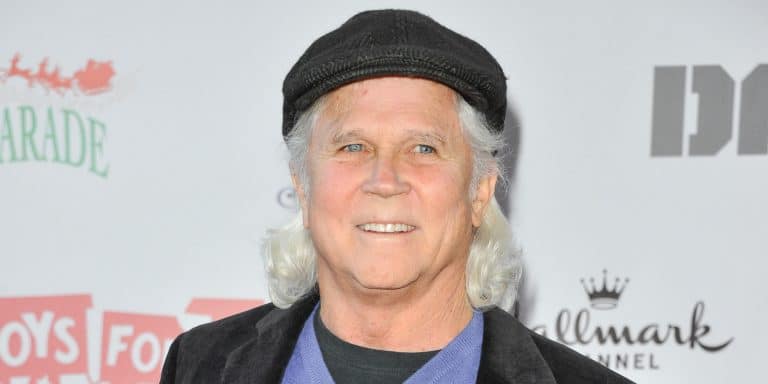
At the time of his passing in 2022, actor, director, and sculptor Tony Dow had an estimated net worth of $4 million. As of 2026, his estate continues to reflect the financial success of a diversified career that transitioned from iconic child stardom in the 1950s to a prolific tenure as a television director and a world-renowned fine artist.
The Foundation of Wealth: The Leave It to Beaver Era
Tony Dow’s financial journey began with one of the most recognizable roles in television history: Wally Cleaver on Leave It to Beaver. Running from 1957 to 1963, the show became a cornerstone of American pop culture. However, the economics of television in the late 1950s were vastly different from the multi-million dollar contracts seen in modern broadcasting.
The Reality of 1950s Salaries
While Tony Dow was a household name, his earnings during the original run of Leave It to Beaver were modest by contemporary standards. During the first seasons, child actors typically earned a few hundred dollars per episode. While this was a substantial income for a teenager in the late 1950s, it did not equate to the generational wealth associated with modern syndication deals.
A critical factor in Dow’s early net worth was the lack of residuals. In the early days of television, "residual" payments—money paid to actors for reruns—were either non-existent or capped after a few airings. Consequently, despite Leave It to Beaver being broadcast continuously for decades, the original cast did not receive the massive royalty checks that the cast of Friends or Seinfeld would later enjoy.
The Role of the Coogan Law
As a child actor in California, Dow’s earnings were subject to the Coogan Law, which required a portion of a child performer's earnings to be placed in a blocked trust fund. This ensured that when Dow reached adulthood, he had a financial "nest egg" from his years as Wally Cleaver. This disciplined entry into adulthood allowed him to navigate the "child star curse" more successfully than many of his peers, providing the capital necessary to pursue further education and career pivots.
Transitioning to Adult Career and Directing
The most significant growth in Tony Dow’s net worth occurred not during his childhood, but during his adult years when he transitioned behind the camera. After a stint in the California National Guard and various guest-starring roles in the 1970s, Dow recognized that longevity in Hollywood often required moving into production and direction.
The 1980s Revival
In 1983, the television movie Still the Beaver and the subsequent series The New Leave It to Beaver (1983–1989) provided a significant financial boost. As an adult actor reprising a legendary role, Dow had much better bargaining power than he did as a child. These years solidified his financial stability and reintroduced him to a new generation of viewers, increasing his value on the autograph and convention circuit—a lucrative revenue stream for classic TV stars.
Directing and Producing Credits
Dow’s transition into directing was a strategic move that significantly increased his earning potential. Directors typically earn higher day rates and more robust residuals than guest actors. Throughout the 1990s and early 2000s, Dow built a respected resume as a director for major television projects, including:
- Babylon 5: Dow directed several episodes of this cult classic sci-fi series, which remains a staple of the genre.
- Star Trek: Deep Space Nine: His work on the episode "Field of Fire" showcased his ability to handle high-budget, technical productions.
- Harry and the Hendersons: Dow served as a director for the television adaptation of the popular film.
- Coach: He contributed his directing talents to this long-running sitcom.
By diversifying into directing and producing, Dow ensured a steady stream of income that was independent of his physical appearance or "type-casting" as Wally Cleaver.
Fine Art and Sculpting: A Unique Revenue Stream
Perhaps the most impressive chapter of Tony Dow’s financial life was his career as a sculptor. Unlike many actors who pursue hobbies, Dow became a legitimate, high-end professional in the world of fine art. His medium of choice was bronze, specifically using wood-burl and bronze-casting techniques.
Artistic Recognition and Market Value
Dow’s work was not merely "celebrity art." In 2008, he achieved a rare feat for any artist: one of his bronze sculptures, "Unarmed Warrior," was chosen to be exhibited at the Société Nationale des Beaux-Arts in the Louvre in Paris.
The financial implications of this success were significant:
- High Price Points: Bronze sculptures are expensive to produce but command high market prices. Dow’s pieces were often sold for thousands of dollars in prestigious galleries.
- Asset Appreciation: As his reputation as a sculptor grew, the value of his earlier works increased, contributing to his overall net worth.
- Diversification: The art market operates independently of the entertainment industry, providing Dow with a financial cushion during Hollywood strikes or industry downturns.
Real Estate and Long-Term Assets
A substantial portion of any long-term celebrity's net worth is tied up in real estate, and Tony Dow was no exception. He was a long-time resident of Topanga, California, an area known for its rugged beauty and high property values.
Dow and his wife, Lauren Shulkind, lived in their Topanga home for decades. Purchased at a time when the area was more affordable, the property’s value skyrocketed as the Los Angeles real estate market surged. By 2026, real estate analysts estimate that a primary residence in Topanga, especially one owned by a cultural icon, represents a multi-million dollar asset within an estate.
| Financial Component | Estimated Impact | Primary Source |
|---|---|---|
| Acting (1950s-60s) | Moderate | Leave It to Beaver (Salary/Trust) |
| Acting (1980s-90s) | High | The New Leave It to Beaver, Guest Roles |
| Directing/Producing | High | Babylon 5, Star Trek, Commercials |
| Fine Art (Sculpture) | Moderate to High | Gallery Sales, Louvre Exhibition |
| Real Estate | High | Topanga Canyon Property Appreciation |
| Autographs/Events | Steady | Fan Conventions, Memorabilia |
Mental Health Advocacy and Public Speaking
In the 1990s, Tony Dow became one of the first major celebrities to speak openly about his battle with clinical depression. While this was primarily a personal and altruistic endeavor, it led to a career as a public speaker and advocate.
While not his primary source of income, these engagements often provided speaking fees and travel reimbursements. More importantly, his transparency endeared him to a modern audience, keeping his "brand" relevant and ensuring that he remained a sought-after figure for interviews and television specials, which indirectly supported his other professional ventures.
Challenges to Net Worth: Health and End of Life
In his later years, Dow faced significant health challenges, including battles with cancer. The cost of modern healthcare, particularly for long-term treatments, can be a major drain on the net worth of even wealthy individuals.
However, because Dow had diversified his income and invested wisely in real estate and art, he was able to maintain a high quality of life and receive the best possible care without depleting his estate. His 2022 passing was a moment of reflection for the industry, but from a financial perspective, he left behind a stable and well-managed estate for his heirs.
The Enduring Value of the Dow Estate in 2026
As of 2026, the Tony Dow estate continues to generate revenue. This is primarily through:
- Streaming Residuals: Changes in SAG-AFTRA contracts and the rise of streaming platforms mean that even older shows occasionally generate new revenue streams through licensing deals on platforms like Peacock or MeTV.
- Art Sales: Posthumous sales of an artist's work often see a spike in value. Collectors of Dow’s bronze sculptures view them as both a piece of art history and a memento of a television legend.
- Image and Likeness: The estate manages the use of Dow's image in documentaries, books, and retrospective projects concerning the "Golden Age" of television.
FAQ: Common Questions About Tony Dow's Wealth
Did Tony Dow make millions from Leave It to Beaver?
No, not during the original 1957–1963 run. Salaries for child actors were relatively low, and residual structures did not exist as they do today. He built the majority of his wealth through his later career as a director and his successful work as a sculptor.
How much did his sculptures sell for?
While prices varied by the size and complexity of the piece, his bronze works were sold in high-end galleries for anywhere from $3,000 to over $20,000. His exhibition at the Louvre significantly boosted the market value of his entire catalog.
Was he wealthier than Jerry Mathers?
Tony Dow and Jerry Mathers (who played "The Beaver") had similar net worths, generally estimated in the $3 million to $5 million range. While Mathers remained more focused on the "Beaver" brand and public appearances, Dow's wealth was more diversified through his directing and fine art careers.
What happened to his house in Topanga?
Following his passing in 2022, his wife, Lauren Shulkind, remained associated with their long-term residence. As of 2026, the property remains a significant asset within the family estate, having appreciated significantly over the decades.
Did he lose money during his struggle with depression?
While he took time off to manage his health, Dow's openness about his depression actually opened new doors for public speaking and advocacy. He remained financially stable throughout this period due to his previous investments and directing work.
Practical Recommendation for Fans and Researchers
When evaluating the net worth of a classic television star like Tony Dow, it is important to look beyond the "salary per episode" metrics. Dow’s financial success is a blueprint for career longevity.
For those interested in his legacy, the best way to support his estate and appreciate his work is to explore his bronze sculptures, which represent his most personal and arguably most valuable contribution to the arts. His life serves as a reminder that diversifying one's skills—from acting to directing to physical craftsmanship—is the most effective way to build and maintain wealth in the volatile world of entertainment.