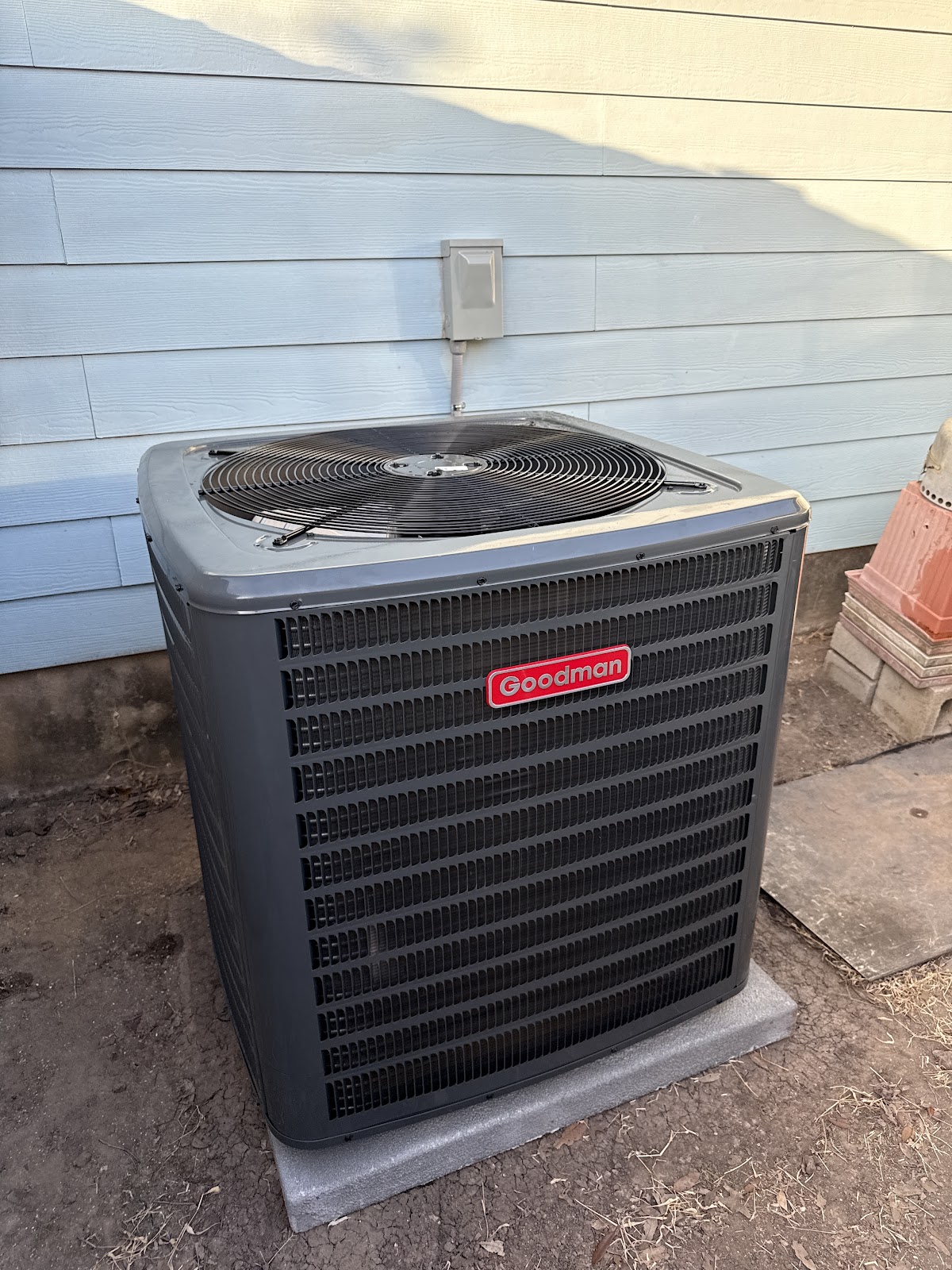
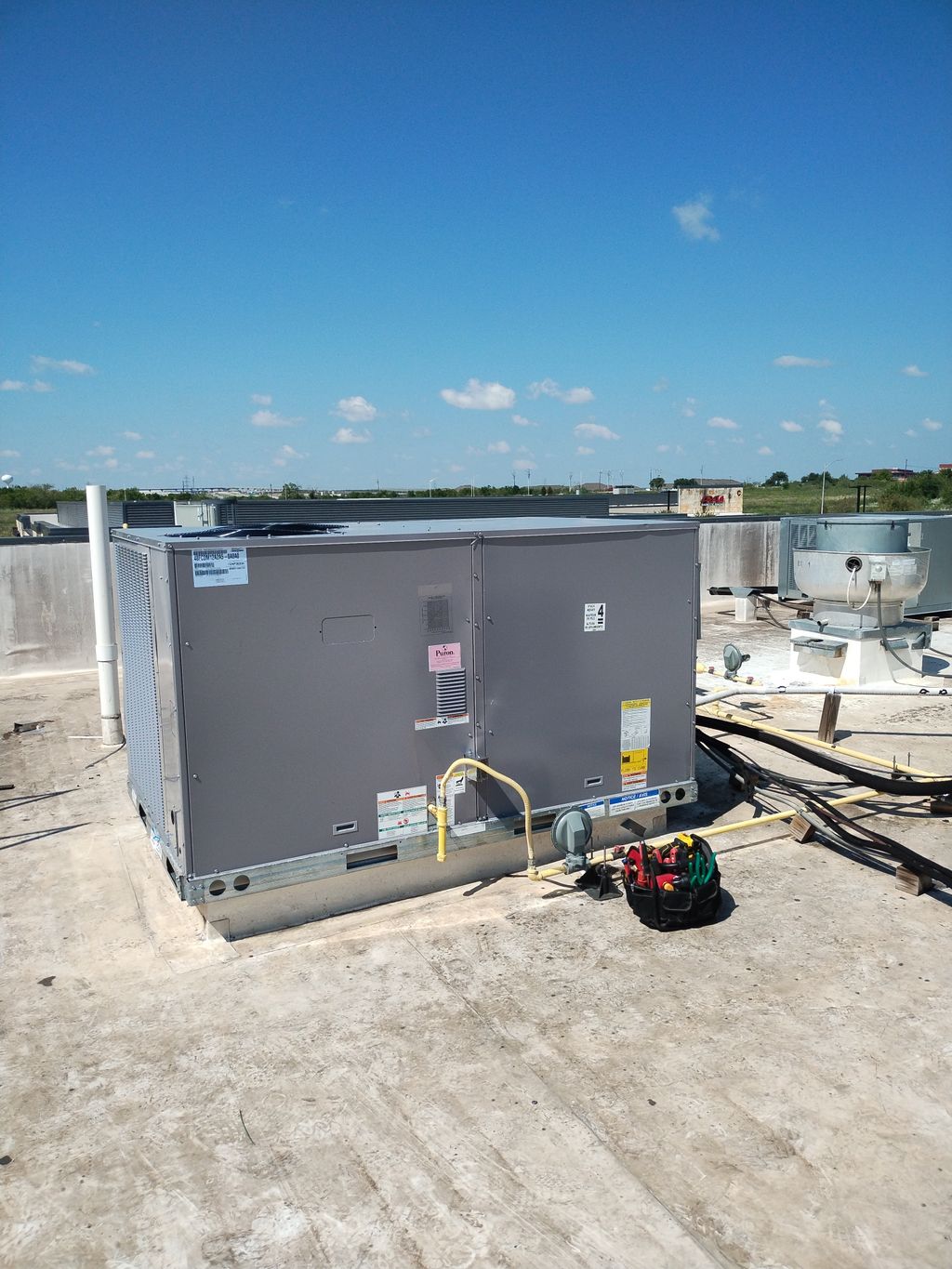
To secure reliable AC services in San Antonio, TX, homeowners should prioritize licensed HVAC contractors who specialize in high-efficiency SEER2 systems and the latest A2L refrigerant standards. Effective cooling requires professional load calculations, timely repair of common South Texas issues like clogged condensate lines, and leveraging local CPS Energy rebates to offset costs.
San Antonio’s climate presents a unique set of challenges for residential and commercial cooling systems. With summer temperatures frequently exceeding 100 degrees Fahrenheit and humidity levels that fluctuate significantly, an air conditioner is not a luxury—it is a critical piece of infrastructure for health and safety. In 2026, the landscape of HVAC technology has shifted, influenced by stricter environmental regulations and advancements in smart home integration. Navigating the world of AC repair and installation in San Antonio requires an understanding of these modern standards, local building codes, and the specific environmental stressors of the Bexar County area.
The San Antonio Climate and Its Impact on HVAC Performance
The San Antonio environment is characterized by prolonged heat waves and high humidity, which place an extraordinary load on cooling systems. Unlike drier climates, San Antonio’s humidity requires an AC system to perform two primary functions simultaneously: lowering the air temperature and removing moisture. When humidity is high, the "latent heat" load increases, forcing the system to run longer cycles to maintain comfort.
Systems in South Texas typically work 2,500 to 3,000 hours per year, nearly double the workload of systems in northern states. This accelerated usage leads to faster mechanical wear. In 2026, we see a higher incidence of premature compressor failure and evaporator coil corrosion in units that have not been specifically optimized for the local environment. Furthermore, the "urban heat island" effect in San Antonio’s more densely populated neighborhoods, such as the Pearl District or Stone Oak, means that outdoor units must struggle against ambient temperatures that can be several degrees higher than surrounding rural areas.
Technical Shifts in 2026: Refrigerants and Efficiency Standards
The year 2026 marks a significant era in HVAC technology due to the full implementation of the EPA’s AIM Act, which phased out older refrigerants like R-410A. All new AC systems installed in San Antonio now utilize "lower global warming potential" (GWP) refrigerants, primarily R-454B and R-32.
Understanding A2L Refrigerants
These new refrigerants are classified as A2L, meaning they are mildly flammable compared to the non-flammable A1 refrigerants used in the past. This shift has changed the requirements for AC installation and repair. Technicians must now use specialized spark-proof tools and follow updated safety protocols. For San Antonio homeowners, this means that hiring a technician who is specifically trained in A2L handling is mandatory for safety and system longevity.
The SEER2 Standard
As of 2026, the Department of Energy’s SEER2 (Seasonal Energy Efficiency Ratio 2) standards are the benchmark for all new installations. In the southern region, which includes Texas, the minimum efficiency for central air conditioners is significantly higher than in previous decades. High-efficiency systems in San Antonio often range from 18 to 25 SEER2. While the initial investment for these units is higher, the long-term savings on CPS Energy bills are substantial, often recouping the cost difference within five to seven years through reduced energy consumption during peak summer months.
Common AC Repairs Specific to San Antonio Homes
Homeowners in the Alamo City often face specific mechanical issues driven by local conditions. Identifying these early can prevent a total system "blackout" during a July heatwave.
Condensate Line Clogs
Due to the high humidity, San Antonio AC units pull gallons of water out of the air daily. This moisture drains through a condensate line. Over time, algae and microbial growth can clog these lines, leading to water backups that can damage ceilings or trigger safety switches that shut the system down. Regular flushing of these lines is a staple of local maintenance.
Electrical Component Stress
The extreme heat in San Antonio causes the electrical components inside an outdoor condenser—specifically capacitors and contactors—to operate at the upper limits of their thermal ratings. Hard-start kits are frequently recommended for older San Antonio units to assist the compressor during the initial startup phase, reducing the strain on the electrical grid and the unit itself.
Evaporator Coil Corrosion
San Antonio’s air can carry various pollutants and organic compounds that contribute to "Formicary corrosion," which creates microscopic holes in copper evaporator coils. This leads to slow refrigerant leaks that are difficult to diagnose without specialized electronic leak detectors. In 2026, many contractors are moving toward all-aluminum coils, which are more resistant to this specific type of corrosion.
Choosing the Right AC System for South Texas
Selecting a new AC system in San Antonio is not a "one-size-fits-all" decision. The architecture of the home, the orientation toward the sun, and the number of windows all play a role in the "Manual J" load calculation, which determines the necessary tonnage of the unit.
| System Type | Best For | Typical SEER2 Range | San Antonio Suitability |
|---|---|---|---|
| Central Air (Split System) | Traditional single-family homes with existing ductwork. | 14.3 – 20+ | High; the standard for most SA suburban homes. |
| Heat Pumps | Modern energy-efficient homes; provides both heating and cooling. | 15.0 – 22+ | Excellent; San Antonio's mild winters make heat pumps very efficient. |
| Ductless Mini-Splits | Older homes (King William/Monte Vista) or home additions. | 18.0 – 30+ | High; allows for precise zoning and no duct loss. |
| Variable-Speed Systems | Homeowners prioritizing humidity control and quiet operation. | 20.0 – 28+ | Best; offers the best dehumidification for SA's humid climate. |
The Rise of Heat Pumps in San Antonio
By 2026, heat pumps have become the preferred choice for many San Antonio residents. Because the city rarely experiences prolonged sub-freezing temperatures, the efficiency of a heat pump remains high year-round. Modern air-source heat pumps can handle the cooling demands of a 105-degree day just as effectively as a traditional AC, but they offer a much lower carbon footprint and lower operational costs during the winter months compared to electric furnaces.
Cost Considerations for AC Services in 2026
The cost of AC services in San Antonio has stabilized following the supply chain disruptions of previous years, but technological advancements have shifted the price points.
- Service Calls: A standard diagnostic fee in San Antonio typically ranges from $85 to $135. Most reputable companies will waive this fee if the repair is performed.
- Minor Repairs: Replacing a capacitor or a fan motor usually costs between $250 and $600, including labor.
- Major Repairs: Replacing an evaporator coil or a compressor can range from $1,500 to $3,500, depending on the refrigerant type and warranty status.
- Full System Replacement: For a 3-ton high-efficiency SEER2 system, San Antonio homeowners can expect to pay between $9,000 and $15,000. This price usually includes the indoor and outdoor units, a new thermostat, and basic ductwork modifications.
Navigating Local Rebates and Incentives
One of the most important steps for any San Antonio resident looking at AC replacement is checking current incentives. CPS Energy, the city's municipal utility, consistently offers programs to reduce peak demand on the Texas power grid (ERCOT).
- Residential Energy Efficiency Rebates: CPS Energy often provides rebates for installing systems that exceed minimum SEER2 requirements. These can range from a few hundred to over a thousand dollars.
- Federal Tax Credits: Under the 25C tax credit (Energy Efficient Home Improvement Credit), homeowners may be eligible for a tax credit of up to 30% of the project cost, capped at $2,000 annually for heat pumps.
- Smart Thermostat Programs: CPS Energy often offers credits for residents who enroll in "demand response" programs, where the utility can slightly adjust thermostat settings during extreme energy peaks to prevent rolling blackouts.
How to Select a Qualified HVAC Contractor in San Antonio
With hundreds of HVAC companies operating in Bexar County, homeowners must perform due diligence to ensure they receive quality service and valid warranties.
- Licensing and Insurance: Verify that the contractor holds a Texas Air Conditioning and Refrigeration (ACR) license through the Texas Department of Licensing and Regulation (TDLR).
- NATE Certification: Look for technicians certified by North American Technician Excellence (NATE). This indicates a high level of technical proficiency and ongoing education.
- Load Calculations: Never hire a contractor who quotes a system size based solely on the square footage of your home. A professional must perform a Manual J calculation to account for insulation levels, window types, and home orientation.
- Written Estimates: Ensure all quotes are detailed, specifying the model numbers of both the indoor and outdoor units, the labor warranty duration, and any necessary permit fees.
Maintenance Strategies for Long-Term Reliability
Preventative maintenance is the only way to ensure an AC system survives its full 12-to-15-year life expectancy in the Texas heat. A semi-annual "tune-up" should include:
- Checking refrigerant levels and searching for leaks.
- Cleaning the outdoor condenser coils to ensure proper heat rejection.
- Inspecting the indoor blower motor and cleaning the evaporator coil.
- Testing the thermostat for accuracy and checking all electrical connections.
- Replacing air filters (standard 1-inch filters should be changed every 30 days in San Antonio, while 4-inch media filters can last 6 months).
For residents in areas with high dust or construction, such as the rapidly expanding Westover Hills or far North Side, more frequent filter changes are necessary to prevent airflow restrictions that can freeze up the system.
FAQ: Frequently Asked Questions About San Antonio AC Services
Why is my AC running constantly but the house isn't getting cooler?
In San Antonio, this is often caused by a "frozen" evaporator coil or a significant refrigerant leak. When the coil freezes (often due to a dirty filter or low refrigerant), it blocks airflow. Another common cause is a failing compressor that can no longer circulate refrigerant at the required pressure to handle high outdoor temperatures. Turn the system off and call a technician immediately to avoid further damage.
How often should I have my AC serviced in San Antonio?
Due to the intense workload, systems in San Antonio should be serviced twice a year: once in the spring (March/April) before the summer heat arrives, and once in the fall (October/November) to check the heating components. Regular maintenance can reduce energy bills by up to 15% and prevent 80% of common breakdowns.
Is it better to repair or replace an 10-year-old AC unit?
If the unit uses R-22 refrigerant (mostly phased out before 2026) or requires a repair that costs more than 50% of its value, replacement is generally the better option. Newer SEER2 systems are significantly more efficient than units from 2016, and the availability of R-410A refrigerant for repairs is becoming increasingly limited and expensive in 2026.
What is the ideal thermostat setting for a San Antonio summer?
The Department of Energy generally recommends 78 degrees Fahrenheit when you are at home and higher when you are away. However, for San Antonio's humidity, many residents find 74–76 degrees more comfortable. Using ceiling fans can make the room feel 4 degrees cooler, allowing you to raise the thermostat and save on cooling costs.
Can I install an AC unit myself in San Antonio?
No. In the state of Texas, you must be a licensed HVAC professional to purchase and handle refrigerants. Furthermore, improper installation can void manufacturer warranties, lead to inefficient operation, and create significant safety hazards involving high-voltage electricity and flammable A2L refrigerants.
Does CPS Energy offer any free AC assistance?
CPS Energy provides several "Home Energy Greatness" programs, including free home energy assessments. For low-income residents, there are occasionally weatherization programs (Casa Verde) that help with attic insulation and air sealing, which significantly reduces the load on your AC system.
Final Recommendation for San Antonio Homeowners
If your air conditioning system is more than 12 years old or has required multiple repairs over the last two seasons, the summer of 2026 is an ideal time to consider an upgrade to a high-efficiency heat pump. By taking advantage of current CPS Energy rebates and federal tax credits, you can mitigate the initial cost while ensuring your home remains a sanctuary against the South Texas heat. Always choose a contractor who provides a comprehensive load calculation and is fully certified in the latest A2L refrigerant safety standards to ensure the safety and longevity of your investment.