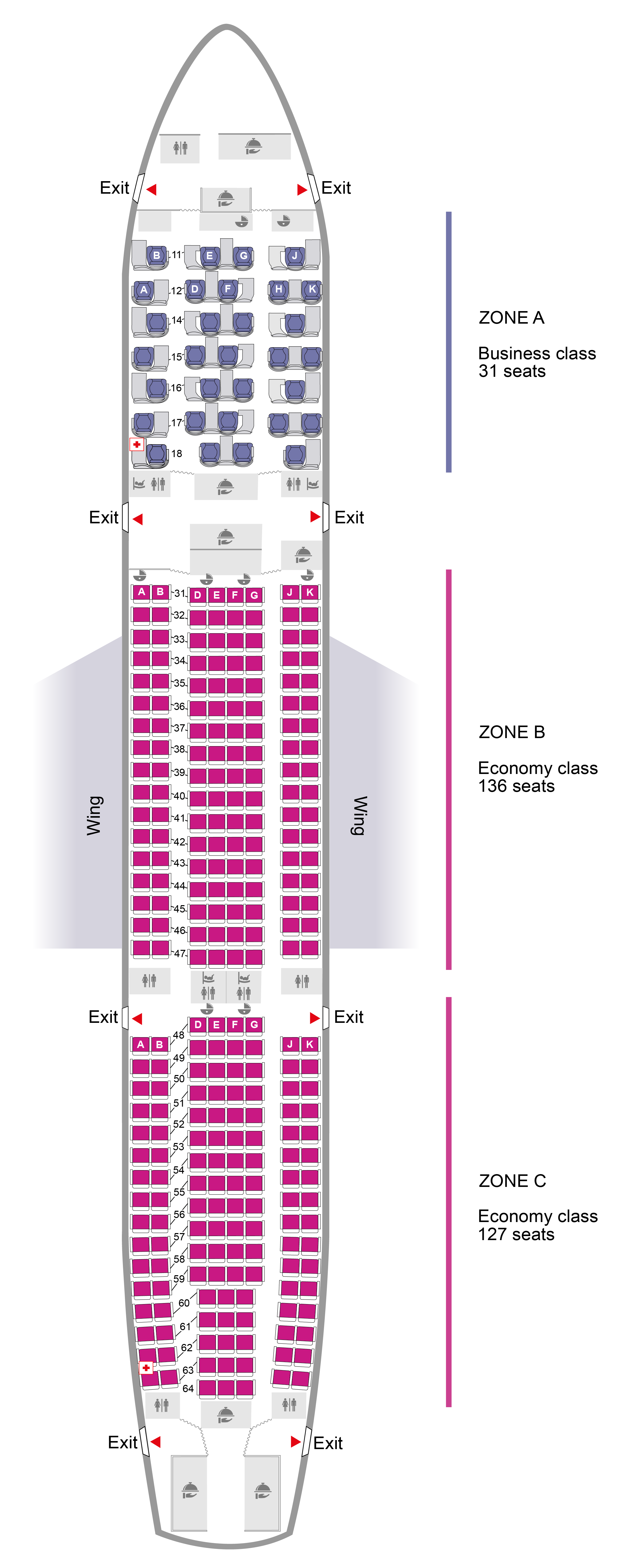
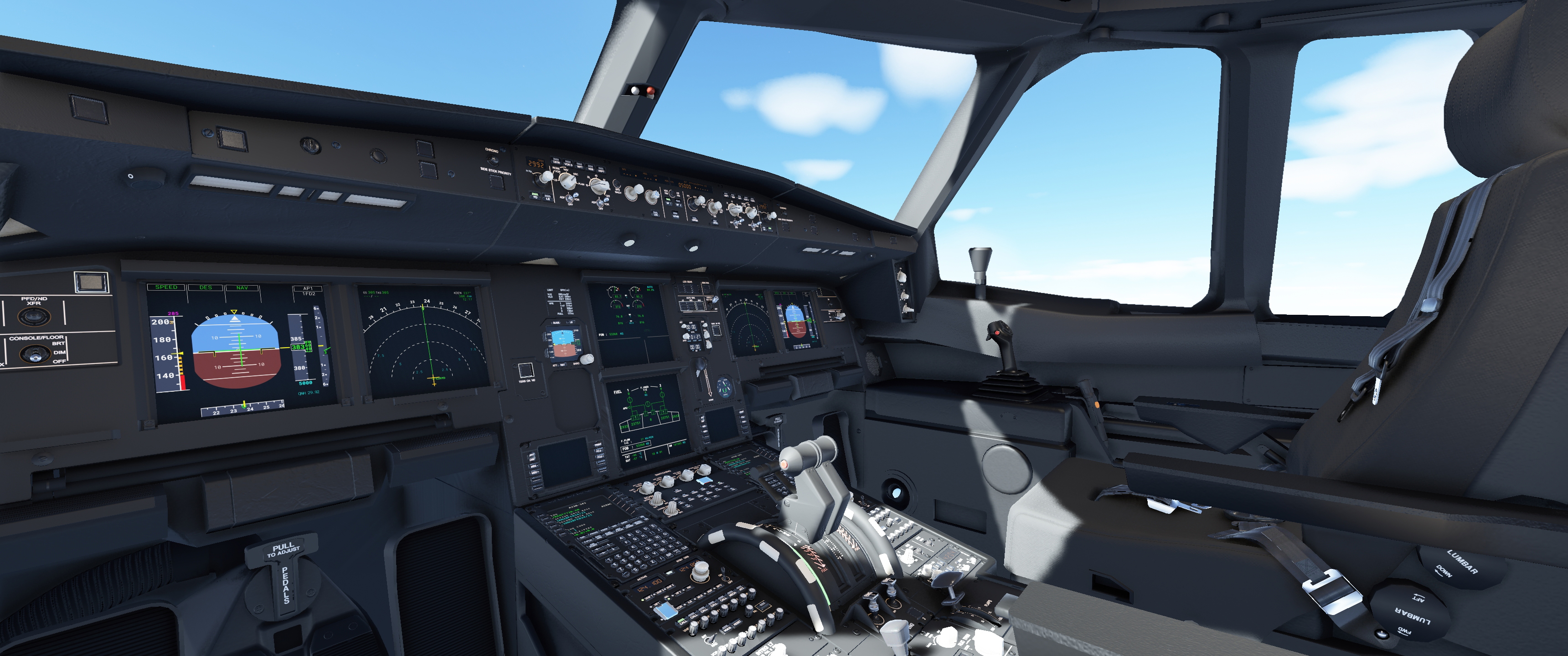
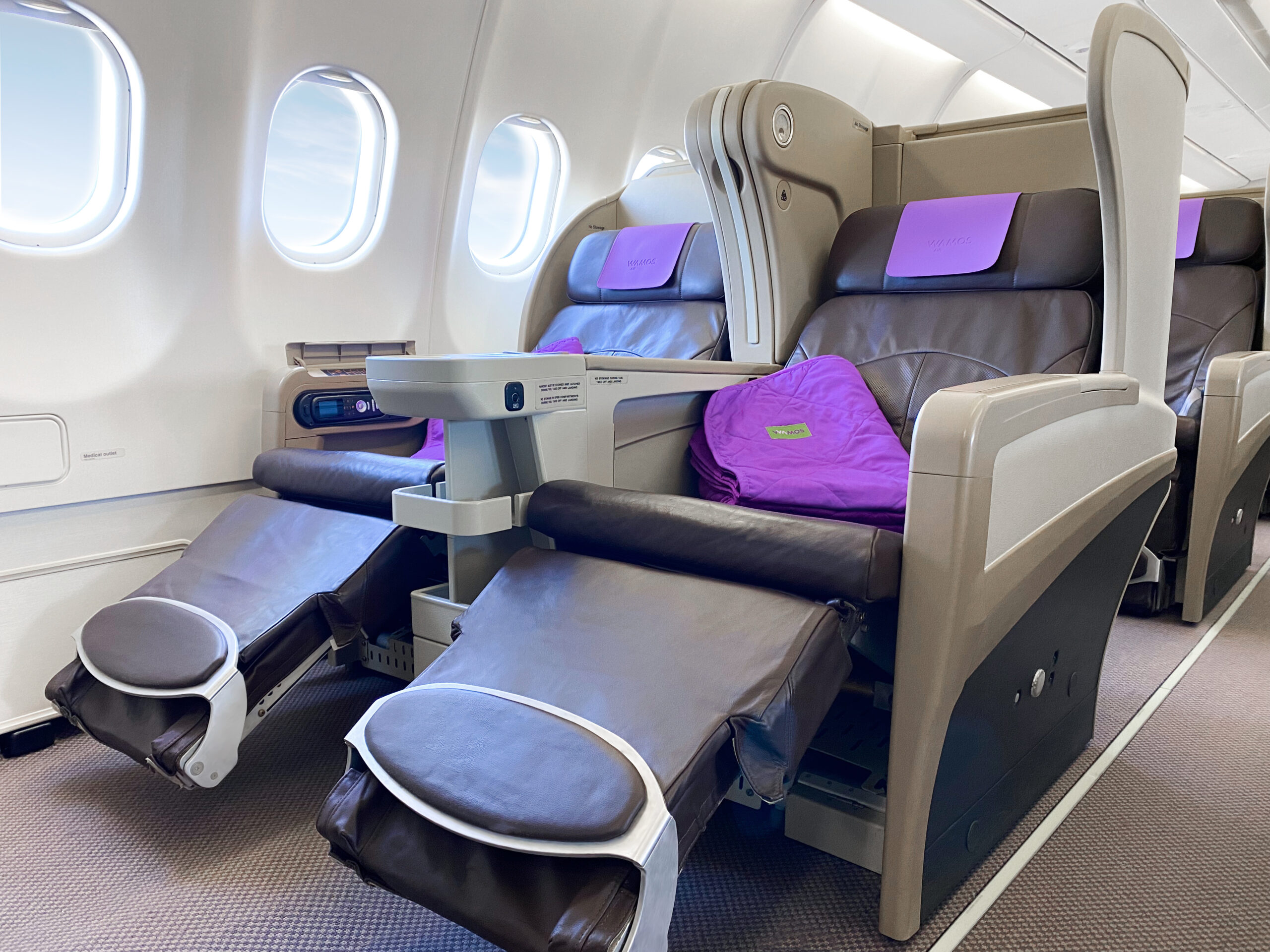
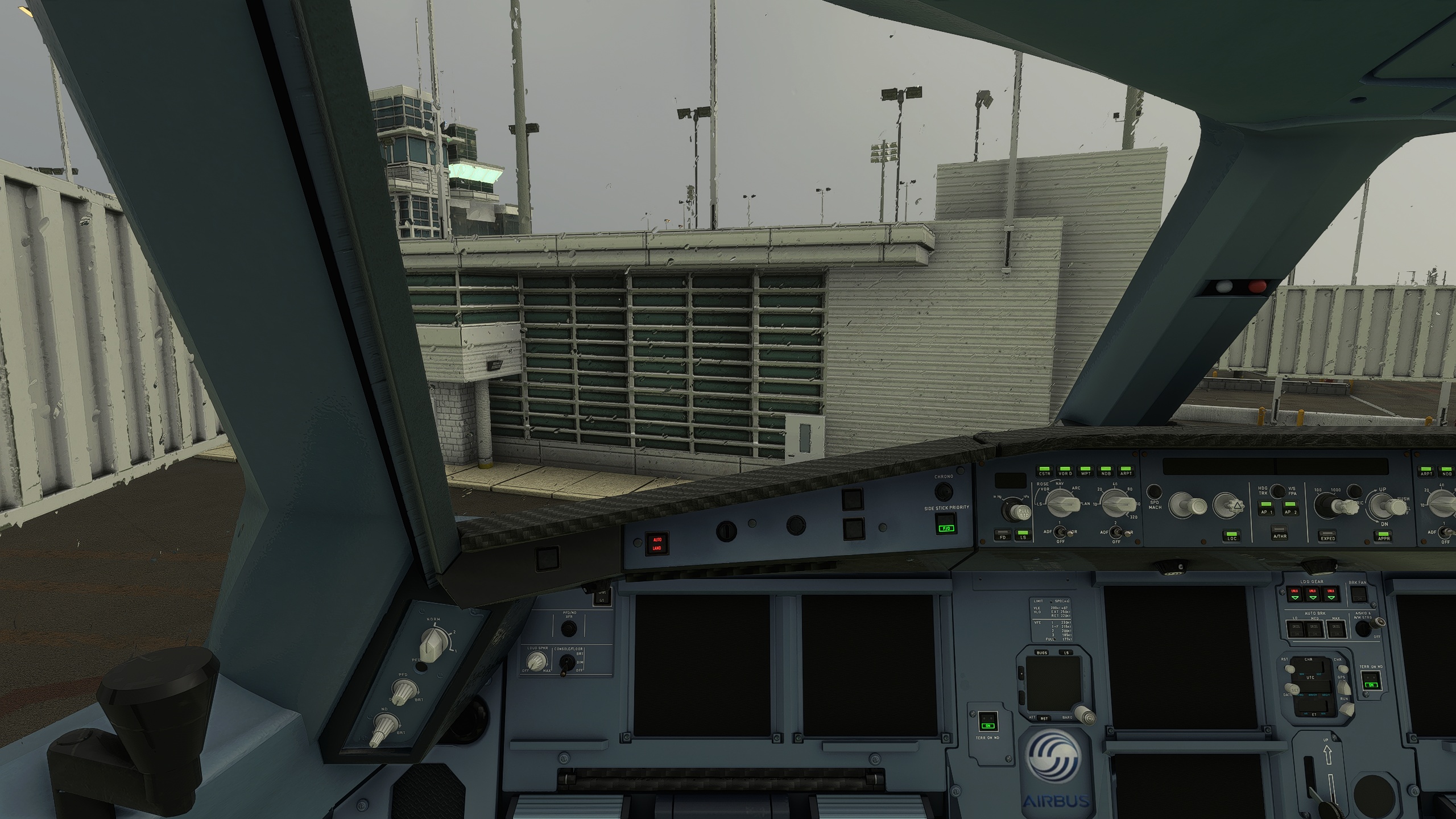
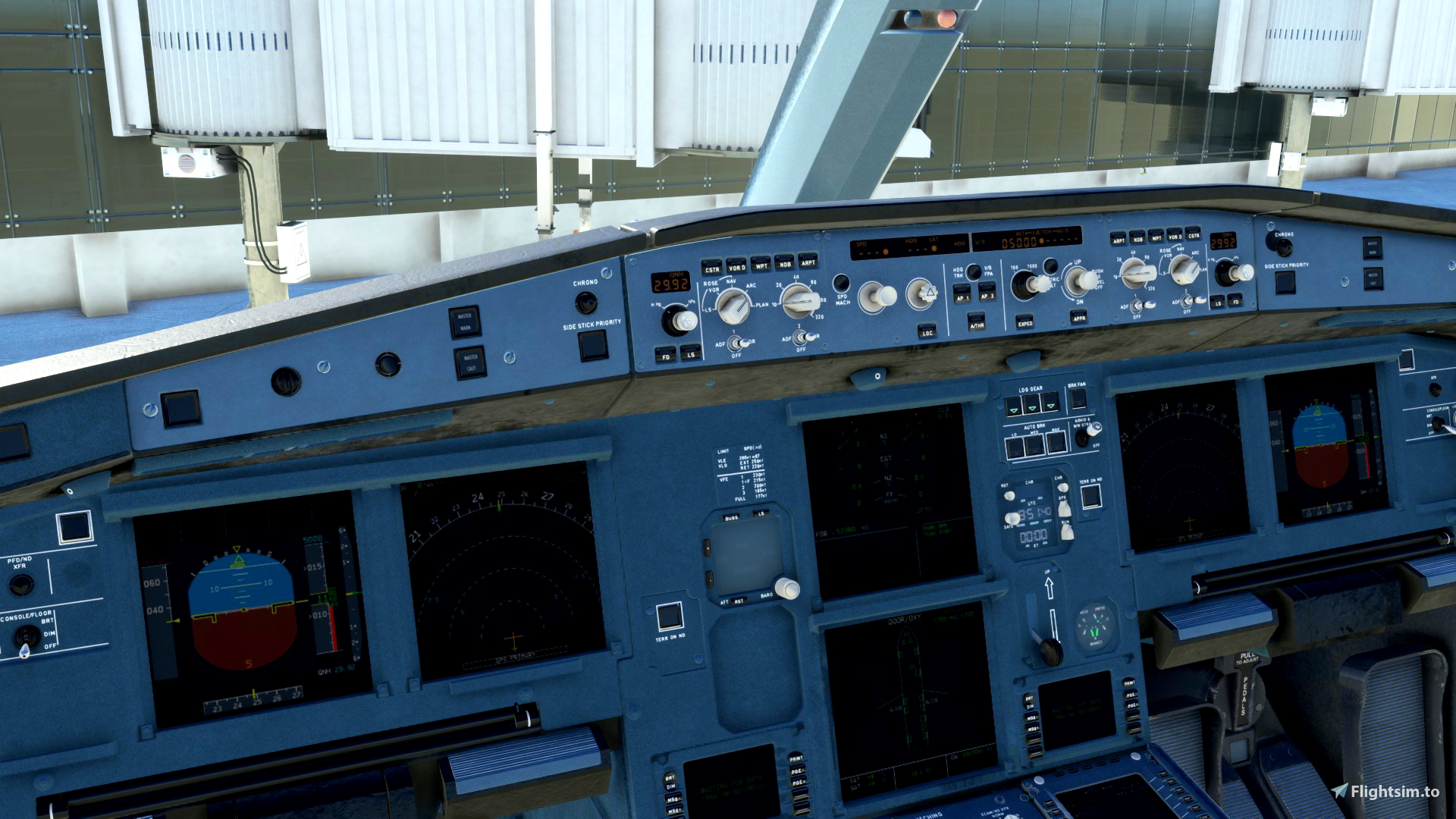
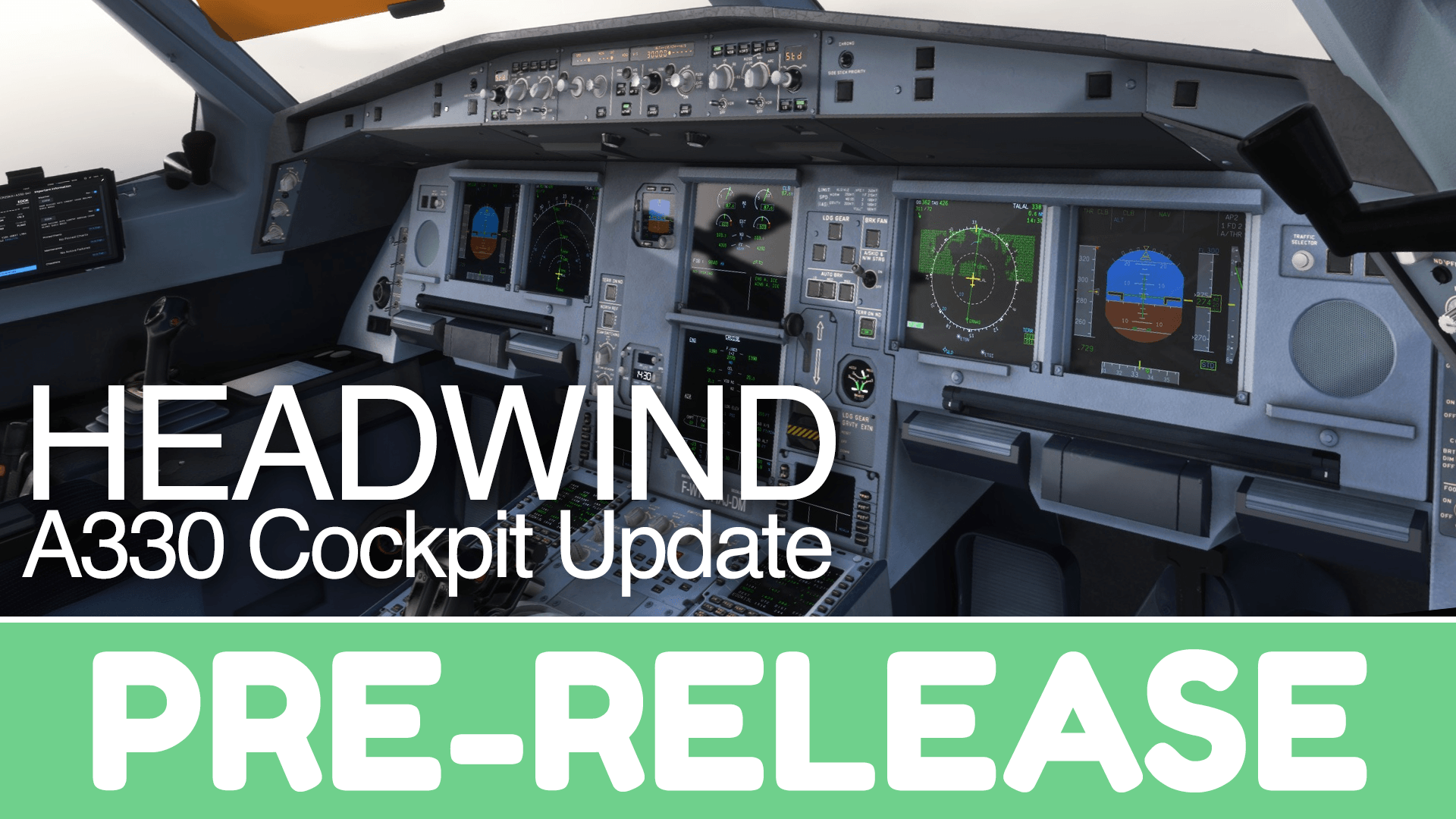
The Airbus A330 flight deck features a highly integrated, ergonomically optimized glass cockpit designed around dual sidestick controls, Electronic Flight Instrument Systems, and centralized ECAM monitoring, providing a standardized environment optimized for high-capacity long-haul operations accommodating approximately 300 passengers.
Introduction to the Airbus A330 Flight Deck Architecture
The Airbus A330 flight deck represents a milestone in commercial aviation ergonomics, philosophy, and automation. Designed to accommodate high-capacity medium-to-long-haul routes—frequently seating up to 300 passengers in dual- or high-density cabin configurations—the aircraft requires a flight deck capable of reducing crew workload during extended missions. The architectural philosophy centers on a dark-and-quiet cockpit design, full fly-by-wire (FBW) flight controls, and extensive cross-crew qualification (CCQ) compatibility with other Airbus widebody and narrowbody aircraft, such as the A320 and A340.
Understanding the A330 cockpit requires looking beyond individual instruments to grasp how data, flight controls, and warning systems converge. Operating a widebody aircraft configured for nearly 300 passengers demands meticulous systems management, fault tolerance, and spatial awareness. The following sections break down the layout, primary flight displays, overhead panel management, and operational philosophies that define the A330 flight deck.
Cockpit Layout and Ergonomic Design Principles
Airbus designed the A330 flight deck with a clean, uncluttered layout that prioritizes pilot comfort and clear line-of-sight visibility over mechanical complexity. Unlike older heavy commercial aircraft that relied on flight engineer stations and extensive overhead arrays of analog gauges, the A330 is certified for a two-person flight crew (Captain and First Officer).
Sidesticks and Central Pedestal
The most striking visual departure from traditional yoke-driven aircraft is the use of sidesticks mounted on the outboard consoles rather than central control columns. This leaves the central area free for a large folding table, improving navigation chart handling and meal service during long-haul flights.
- Sidestick Integration: The sidesticks operate independently. In normal law, inputs from both sticks are algebraically summed up to a maximum control authority limit. A takeover button on either stick allows one pilot to completely override the other and activate priority lights.
- The Center Pedestal: Houses the Thrust Levers, Engine Master Switches, Flight Management and Guidance Computer (FMGC) Multifunction Control Display Units (MCDUs), audio control panels, and the parking brake lever. The pedestal is engineered for easy reach from both seated positions without requiring upper-body strain.
Seating, Visibility, and Spatial Orientation
The flight deck windows offer expansive forward and lateral visibility. The forward windshield panes are treated with conductive coatings for anti-icing and rain shedding, while sliding side windows serve as emergency exits. The seats feature extensive motorized and manual adjustments for height, lumbar support, and armrest positioning, which is critical for reducing fatigue during 10-to-12-hour sectors.
Electronic Flight Instrument System (EFIS) and Display Architecture
The heart of the A330 flight deck is its Electronic Flight Instrument System (EFIS), consisting of six interchangeable Liquid Crystal Displays (LCDs) or older Cathode Ray Tube (CRT) units, depending on the specific aircraft retrofit generation. These screens are arranged in a cross-bar configuration directly in front of each pilot, flanked by centralized system monitoring units.
- Top Row:
- Primary Flight Display (PFD)
- Navigation Display (ND)
- Upper ECAM (Engine/Warning)
- Bottom Row:
- Navigation Display (ND)
- Primary Flight Display (PFD)
- Lower ECAM (System Status)
Primary Flight Displays (PFDs)
Positioned directly in the pilot's forward field of view, the PFD consolidates core flight parameters:
- Attitude Director Indicator (ADI): Displays pitch, roll, and flight director bars.
- Airspeed and Altitude Tapes: Vertical moving scales featuring trend vectors that project speed and altitude changes ten seconds into the future.
- Vertical Speed Indicator (VSI): Digital and analog readouts of climb or descent rates.
- Flight Mode Annunciator (FMA): Located at the very top of the PFD, the FMA is arguably the most critical instrument on the flight deck. It clearly displays the active and armed modes of the autoflight system (Autopilot, Flight Director, and Autothrust).
Navigation Displays (NDs)
Located adjacent to the PFDs, the Navigation Displays provide map, rose, or plan views of the route. Pilots can overlay weather radar data, Traffic Collision Avoidance System (TCAS) targets, terrain awareness data (TAWS), and navigational aids. The ND operates in multiple selectable ranges from 10 to 320 nautical miles, allowing both tactical local maneuvering and strategic oceanic crossing overviews.
Electronic Centralized Aircraft Monitor (ECAM)
The Electronic Centralized Aircraft Monitor (ECAM) is the central nervous system for system management on the A330. It replaces the traditional flight engineer by continuously monitoring aircraft systems—such as hydraulics, fuel, electrical generation, pneumatic bleed air, and environmental control—and presenting data on two dedicated center screens.
Upper ECAM Display
The upper ECAM screen is permanently dedicated to engine primary parameters (N1, Exhaust Gas Temperature, Fuel Flow) and active warning messages. When a system anomaly occurs, the upper ECAM displays emergency or caution procedures in a standardized format:
- Title of failure: Clearly states the system affected (e.g.,
ENG 1 BLEED FAULT). - Action lines: Outlines immediate mandatory memory items or checklist actions.
- Status messages: Details downstream effects of the malfunction.
Lower ECAM Display
The lower ECAM screen displays schematic diagrams of aircraft systems. During normal operations, it cycles automatically or can be manually selected via the ECAM control panel on the pedestal. For example, if a fuel pump fails, selecting the FUEL page displays real-time valve positions, pump statuses, and crossfeed configurations, giving the crew instant spatial verification of the fuel distribution network.
Overhead Panel and Systems Management
The A330 overhead panel is organized into logical, functional zones following an "dark cockpit" philosophy—meaning that during normal, stable cruise operations, all normal switches are positioned so that no lights are illuminated. Any amber caution or red warning light indicates an abnormal state requiring crew intervention.
Core Overhead Subsystems
- Electrical Power: Controls for Integrated Drive Generators (IDGs), Auxiliary Power Unit (APU) generator, external power, and bus tie contactors. The A330 utilizes a sophisticated AC/DC generation network designed to shed non-essential loads automatically in the event of an engine-out scenario.
- Fuel System: Manages fuel transfer between wing tanks, center tanks, and the trim tank (which pumps fuel fore and aft to actively manage the aircraft's Center of Gravity during long-haul flights).
- Pneumatic and Air Conditioning: Regulates bleed air from the engines or APU to feed air conditioning packs and wing anti-icing systems.
- Fire Protection: Houses dedicated agent discharge buttons and squib test switches for engines, the APU, and cargo compartments.
Autoflight, Flight Management, and Communications
Operating a 300-seat widebody across oceanic and domestic sectors requires advanced automation to reduce crew fatigue and maintain strict Required Navigation Performance (RNP).
Flight Management and Guidance Computers (FMGCs)
The dual FMGCs handle flight planning, performance optimization, and lateral/vertical navigation profiles. Pilots interact with the FMGCs using the Multifunction Control Display Units (MCDUs) on the central pedestal. Flight plans can incorporate company routes, airway intersections, procedural arrivals and departures, and complex vertical constraints imposed by Air Traffic Control (ATC).
Autopilot and Flight Director Integration
The Autopilot/Flight Director (AP/FD) system is controlled via the Glare shield Control Panel (FCU - Flight Control Unit). Pilots input target speeds, headings, altitudes, and vertical speeds directly into the FCU or engage lateral/vertical navigation modes tied directly to the active flight plan programmed into the FMGC.
Communications and Surveillance
The pedestal houses multi-management radio tuning panels (RTPs) for VHF, HF, and selective calling (SELCAL) systems. Integrated Data Link capabilities (CPDLC - Controller-Pilot Data Link Communications and ACARS) allow digital message exchanges with oceanic control centers, reducing voice congestion on high-density routes.
Comparative Overview of A330 Flight Deck Generations
Over its production lifecycle, the A330 cockpit has undergone technological modernization, transitioning from early CRT displays to advanced LCD suites and modern avionics software updates.
| Feature / System | Classic A330 (Early Generations) | Modern A330 (Enhanced / Neo Variants) |
|---|---|---|
| Display Technology | Cathode Ray Tube (CRT) screens | High-resolution Liquid Crystal Displays (LCD) |
| Flight Management | Standard FMGC with basic GPS integration | Multi-Mode Receiver (MMR), SBAS/LPV capability |
| Navigation Aids | Traditional IRS (Inertial Reference System) | ADIRS with integrated GPS hybrid positioning |
| Paperless Operations | Supplementary kneeboard paper charts | Class 2/3 Electronic Flight Bags (EFB) integration |
| Data Link | Basic ACARS messaging | Full CPDLC, ATN B1, and FANS 1/A compliance |
Common Operational Challenges and Human Factors
Managing a widebody aircraft certified for up to 300 passengers introduces unique cognitive and operational realities for flight crews.
Automation Dependency and Mode Confusion
Because the A330 relies heavily on advanced automation, flight crews must maintain active situational awareness regarding which mode the autoflight system is operating in. A common mistake during transition training from older aircraft types is misinterpreting the Flight Mode Annunciator (FMA). If a crew fails to verify whether the aircraft is capturing an altitude constraint in "OP DES" (Open Descent) versus "DES" (Managed Descent), the aircraft's energy profile can change unexpectedly.
Crew Resource Management (CRM) in Long-Haul Operations
With sector lengths often exceeding eight to ten hours, fatigue management is critical. The flight deck is designed to support structured rest rotations for augmented crews (relief pilots). Standardized checklists, cross-verification protocols, and clear verbal callouts during critical phases of flight (takeoff and landing) prevent communication breakdowns between the Captain and First Officer.
Troubleshooting and Maintenance Access from the Cockpit
When technical discrepancies arise during pre-flight checks or en-route operations, the A330 flight deck provides direct diagnostic capabilities through the Centralized Fault Display System (CFDS).
The Centralized Fault Display System (CFDS)
Accessed via the MCDU, the CFDS allows maintenance personnel and flight crews to interrogate individual aircraft computers for stored fault codes. Instead of leafing through physical fault isolation manuals, the crew can check system health reports, review post-flight report data, and perform system tests (such as oxygen mask test routines or flight control surface checks) directly from the cockpit interface.
Summary and Next Operational Steps
The A330 flight deck successfully bridges high-capacity passenger transport with intuitive human-machine interface design. Mastering its layout requires understanding the interplay between the Electronic Flight Instrument System, the ECAM warning logic, and the fly-by-wire flight control philosophy.
For pilots transitioning to the A330 platform or aviation professionals studying widebody architectures, the recommended next steps include reviewing the official Airbus Flight Crew Operating Manual (FCOM), studying normal and abnormal ECAM response loops, and practicing flight management computer programming sequences on certified training simulators.