Managing type 2 diabetes mellitus involves a multifaceted approach primarily focused on glycemic control, weight management, and the mitigation of cardiovascular and microvascular risks. Treatment typically integrates structured lifestyle modifications with pharmacological interventions, ranging from oral antihyperglycemic agents to injectable therapies, tailored to the patient’s specific metabolic profile and medical history.
The Foundation of Diabetes Management: Lifestyle Modification
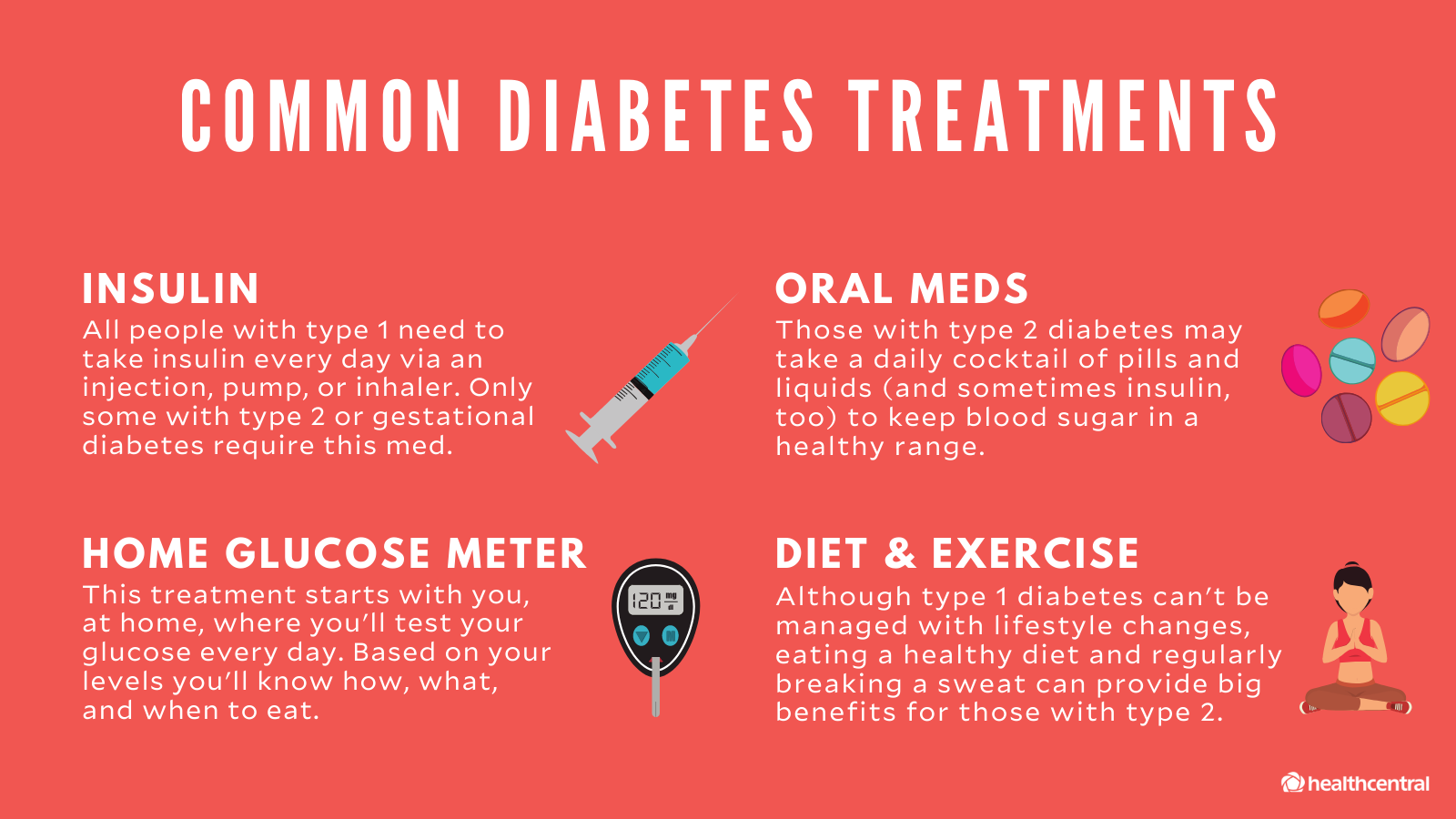
Before or in conjunction with medication, lifestyle intervention remains the cornerstone of type 2 diabetes treatment. The objective is to improve insulin sensitivity and reduce the metabolic burden on pancreatic beta cells.
Medical Nutrition Therapy (MNT): There is no "one-size-fits-all" diet for diabetes. However, clinical standards emphasize a pattern focused on nutrient-dense foods, limiting intake of refined carbohydrates, added sugars, and saturated fats. Many patients benefit from collaborating with a registered dietitian to establish an eating pattern that fits their cultural preferences and metabolic goals. The goal is to stabilize postprandial (after-meal) glucose excursions.
Physical Activity: Regular physical exercise improves insulin sensitivity and assists in glucose uptake by muscles independently of insulin. Guidelines generally recommend at least 150 minutes of moderate-intensity aerobic activity per week, distributed across at least three days, with no more than two consecutive days without activity. Resistance training is also highly recommended to improve body composition and muscle-to-fat ratios, which directly influences long-term metabolic health.
Pharmacological Interventions
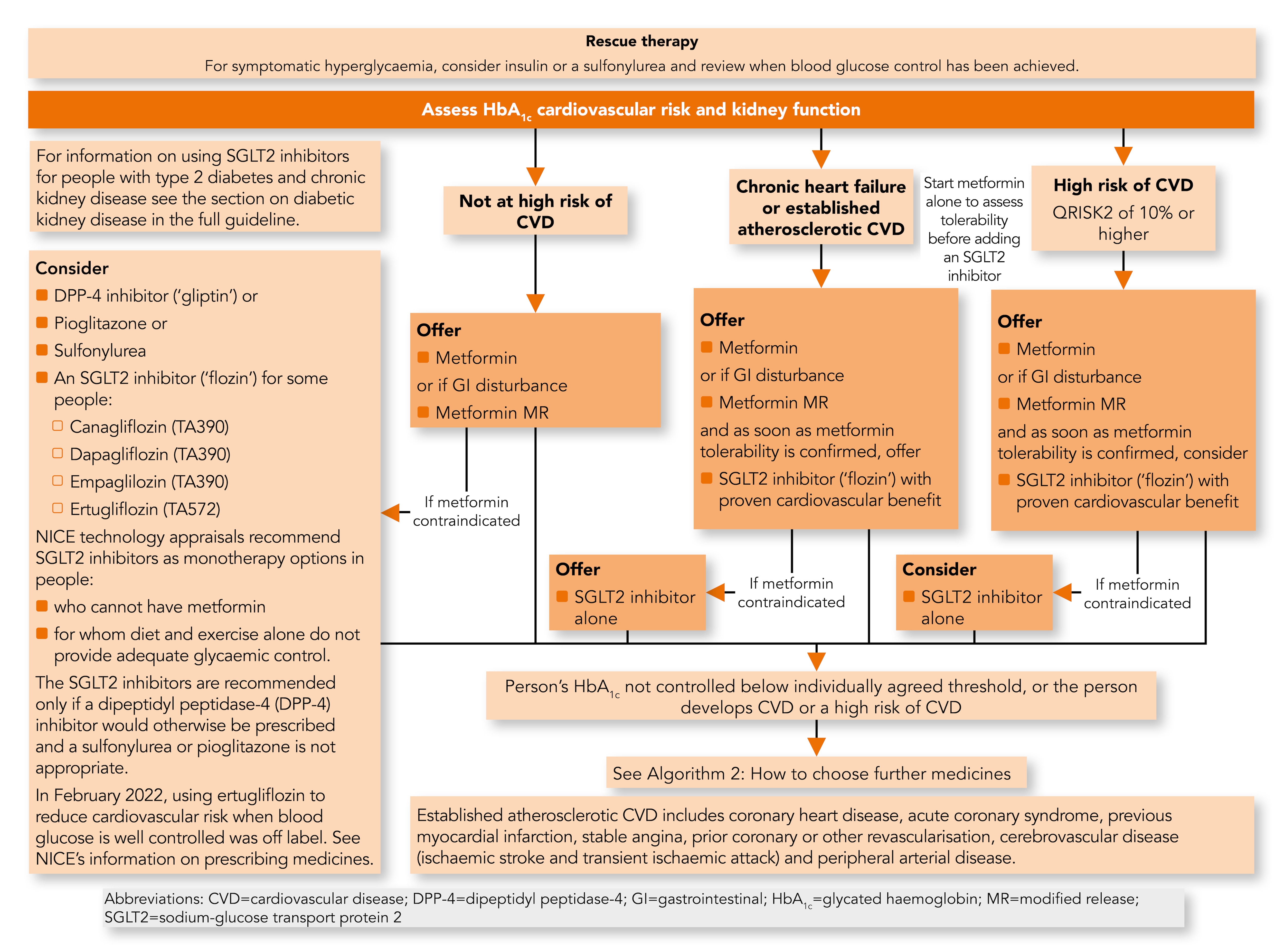
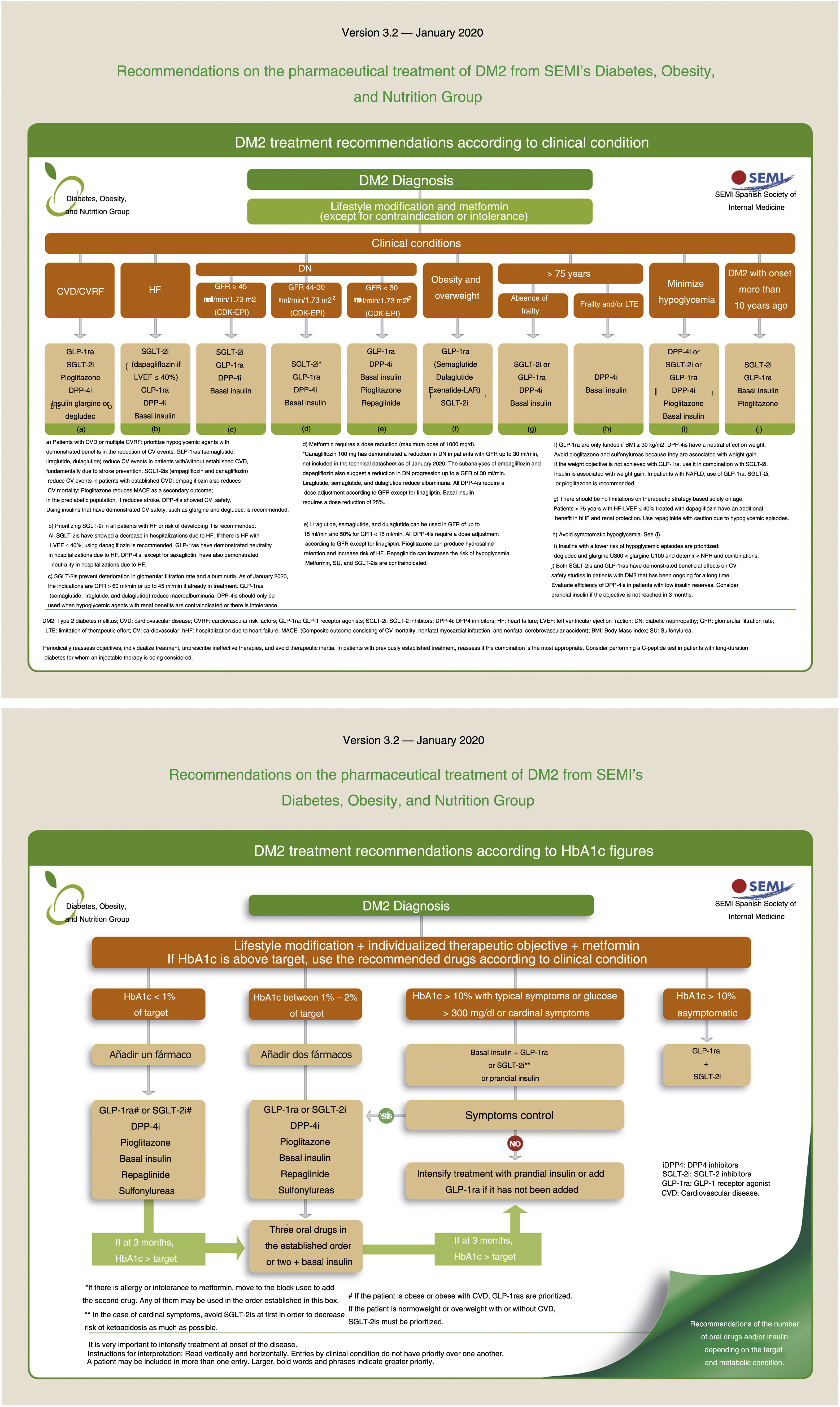
When lifestyle changes alone are insufficient to reach or maintain A1C targets, healthcare providers prescribe glucose-lowering medications. As of 2026, the landscape of pharmacological therapy is dictated by the patient’s comorbidities, particularly the presence of atherosclerotic cardiovascular disease (ASCVD), heart failure, or chronic kidney disease (CKD).
Metformin: Metformin remains the preferred initial pharmacological agent for the treatment of type 2 diabetes. It works primarily by decreasing glucose production in the liver and increasing insulin sensitivity in peripheral tissues. It is generally well-tolerated, has a low risk of hypoglycemia, and is cost-effective.
GLP-1 Receptor Agonists: Glucagon-like peptide-1 (GLP-1) receptor agonists have become a staple in modern management. These injectable medications (and now some oral formulations) mimic the hormone that stimulates insulin secretion, slows gastric emptying, and promotes satiety. They are favored for patients who require significant weight loss and those with a high risk of cardiovascular events.
SGLT2 Inhibitors: Sodium-glucose cotransporter-2 (SGLT2) inhibitors work by preventing the kidneys from reabsorbing glucose back into the blood, allowing the body to excrete excess sugar through urine. These medications have demonstrated significant benefits in reducing hospitalizations for heart failure and slowing the progression of diabetic kidney disease.
Comparison of Primary Medication Classes
| Class | Mechanism of Action | Primary Benefit | Common Side Effects |
|---|---|---|---|
| Biguanides (Metformin) | Reduces liver glucose production | Effective, low cost, weight-neutral | Gastrointestinal distress |
| GLP-1 Receptor Agonists | Increases insulin, slows digestion | Significant weight loss, heart health | Nausea, vomiting |
| SGLT2 Inhibitors | Excretes glucose via urine | Heart failure/kidney protection | Genital fungal infections |
| Sulfonylureas | Stimulates insulin secretion | Inexpensive, high efficacy | Hypoglycemia, weight gain |
| DPP-4 Inhibitors | Increases incretin levels | Weight-neutral, well-tolerated | Rare joint pain |
Insulin Therapy
Insulin is not a failure of treatment but a necessary progression for many as pancreatic beta-cell function naturally declines over time. In 2026, insulin delivery systems have evolved to include sophisticated basal-bolus regimens, long-acting basal insulins that provide a steady effect for over 24 hours, and ultra-rapid acting mealtime insulins.
For patients requiring insulin, the transition involves intensive education regarding injection techniques, site rotation to prevent lipohypertrophy (lump formation under the skin), and the precise calculation of insulin-to-carbohydrate ratios. Continuous Glucose Monitoring (CGM) has revolutionized this process, providing real-time data that allows for fine-tuning dosages rather than relying solely on periodic finger-stick checks.
The Role of Technology in Treatment
In 2026, the integration of digital health tools is standard practice. CGM systems track glucose levels in interstitial fluid 24 hours a day, alerting users to trends before a hypo- or hyperglycemic event occurs. These devices sync with smartphone applications, allowing healthcare providers to access "time-in-range" data—a metric that is increasingly viewed as more indicative of daily health than a simple A1C test.
Furthermore, automated insulin delivery systems—often called "closed-loop" or "artificial pancreas" systems—link CGM data directly to an insulin pump. These algorithms make micro-adjustments to insulin delivery every few minutes, significantly reducing the burden of manual calculations for the patient.
Managing Comorbidities and Risk Factors
Treating type 2 diabetes is incomplete if it does not address the vascular complications associated with the condition. High blood pressure and abnormal lipid profiles are common.
- Hypertension Management: Target blood pressure goals are individualized but generally aim for <130/80 mmHg. ACE inhibitors or ARBs are often first-line choices due to their protective effects on the kidneys.
- Statin Therapy: Statins are frequently prescribed to manage cholesterol levels and reduce the risk of atherosclerotic events, regardless of the patient's baseline LDL levels, due to the higher cardiovascular risk profile inherent in diabetes.
- Renal Protection: Regular screening for albuminuria (protein in the urine) and monitoring of the estimated glomerular filtration rate (eGFR) are mandatory to ensure that the chosen treatment plan remains safe for the kidneys.
Frequently Asked Questions
1. Is it possible to reverse type 2 diabetes through diet alone? While type 2 diabetes is a chronic condition, many patients achieve "remission" through sustained, significant weight loss, which can lead to normal blood glucose levels without the need for medication. However, this requires long-term commitment and is not a "cure," as the metabolic tendency for elevated blood glucose can return if weight is regained.
2. Why are GLP-1 agonists so popular for diabetes treatment in 2026? Beyond their ability to lower A1C, they provide robust protection against cardiovascular events such as stroke and heart attack. Their ability to induce significant weight loss also helps address the underlying cause of insulin resistance in many patients, making them a preferred therapy in current clinical guidelines.
3. What is the difference between basal and bolus insulin? Basal insulin is a long-acting dose meant to keep blood sugar stable throughout the day and night. Bolus insulin is a rapid-acting dose taken specifically before meals to handle the incoming carbohydrate load and prevent post-meal spikes.
4. How often should I monitor my blood glucose? The frequency of monitoring depends on your treatment regimen. If you are on insulin, you may need to check multiple times a day or use a CGM. If you are managing your condition through lifestyle or non-insulin medications, your provider may recommend less frequent monitoring.
5. Are there natural supplements that treat diabetes? Currently, there is no high-quality, consistent clinical evidence supporting the use of herbal supplements or vitamins as a primary treatment for diabetes. Always consult your endocrinologist before starting any supplement, as some can interfere with prescribed medications or stress liver and kidney function.
Next Steps and Recommendations
The most effective path forward is to schedule a comprehensive review with a primary care provider or an endocrinologist to assess your current glycemic control and cardiovascular risk factors. If you are currently using older medication regimens, inquire about whether newer classes of medication, such as SGLT2 inhibitors or GLP-1 agonists, are appropriate for your specific health profile. Prioritize the use of CGM technology if it is available, as the data provided by these devices is the most powerful tool for making informed, day-to-day management decisions.
Medical Disclaimer: This article is for informational purposes only and does not constitute medical advice, diagnosis, or treatment. Always seek the advice of your physician or other qualified health provider with any questions you may have regarding a medical condition.