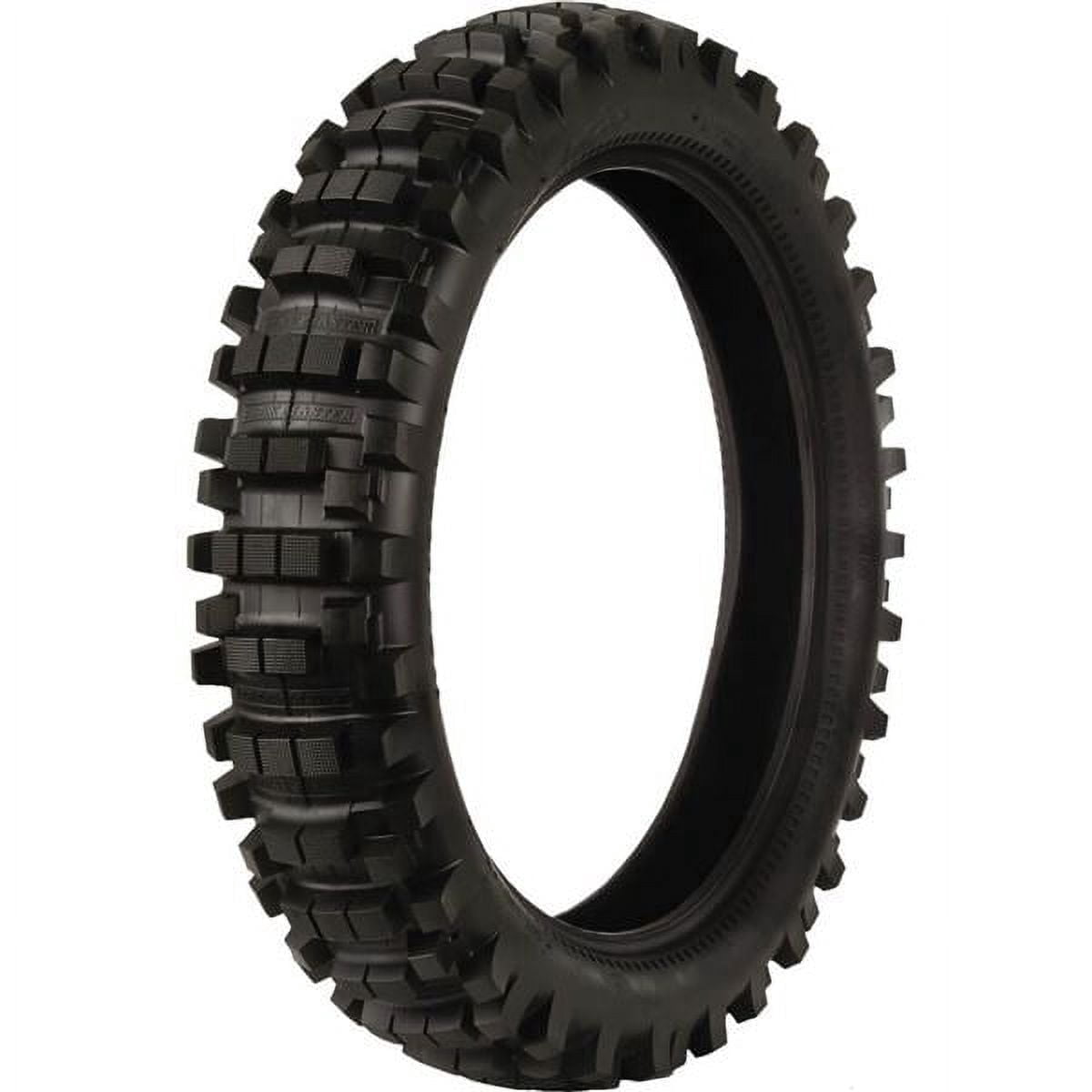
A 70/30 dual-sport tire is engineered to deliver roughly 70% street performance and 30% off-road capability, providing riders with stable highway handling, dependable wet-weather grip, and enough aggressive tread pattern to navigate light dirt, gravel, and hard-packed trails without sacrificing comfort during daily commutes or long-distance adventure touring.
Dual-sport motorcycle riding requires a constant compromise between the predictable, high-grip demands of paved asphalt and the loose, unpredictable traction requirements of unpaved terrain. Finding the right balance can dictate whether a weekend adventure ends in seamless exploration or a frustrating struggle for control. Among the various rubber configurations available on the market, the 70/30 dual-sport tire occupies a vital middle ground. Designed for riders who spend the vast majority of their miles on paved highways, city streets, and winding backroads, these tires retain just enough aggressive tread depth and robust casing construction to handle light off-road excursions, fire roads, and dry gravel tracks. Understanding how these tires are engineered, where they excel, and how they compare to alternative tread ratios will help riders make an informed choice for their motorcycles.
Defining the 70/30 Dual-Sport Tire Ratio
The terminology of dual-sport tire ratios can often confuse riders, as manufacturers rarely utilize a uniform testing standard to define these percentages. Generally speaking, a 70/30 tire—sometimes referred to as a 70% street and 30% dirt tire—is built with a bias toward street performance.
Unlike pure street tires that feature smooth, continuous rubber bands or subtle water-dispersing sipes, a 70/30 tire incorporates distinct tread blocks. However, these blocks are tightly packed along the center line of the tire. This central contact patch ensures a smooth, quiet ride at highway speeds, minimizes vibration, and provides maximum rubber-to-road contact for hard braking and acceleration on asphalt. The outer edges of the tire feature slightly larger voids and more pronounced shoulder knobs, which come into play when the motorcycle is leaned over on loose surfaces or navigating dirt corners.
The carcass construction of a 70/30 tire also reflects its street-heavy orientation. Many models feature stiff sidewalls and radial or bias-ply structures designed to carry heavy adventure touring loads, resist punctures from highway debris, and maintain structural integrity under high-speed thermal stress. While this stiff construction is a massive asset on asphalt, it can reduce the tire's ability to conform to jagged rocks or roots when aired down for off-road use compared to a dedicated knobby tire.
Key Design Characteristics and Engineering
To achieve the delicate balance required for mixed-surface riding, tire manufacturers utilize sophisticated rubber compounds, casing designs, and tread geometries.
Rubber Compounds and Silica Infusion
Modern 70/30 tires frequently employ multi-compound technology or high-silica rubber mixtures. The center tread area utilizes a harder compound that resists rapid wear caused by abrasive asphalt surfaces, heavy adventure bike weight, and sustained high-speed highway cruising. Conversely, the shoulder areas utilize softer compounds to enhance mechanical grip when cornering on wet roads or transitioning onto slick dirt surfaces.
Tread Void Ratios and Siping
The void ratio—the amount of open space between tread blocks relative to the total surface area—is kept relatively low on a 70/30 tire, typically hovering around 20% to 30%. This limited void ratio prevents the tread blocks from squirming under heavy braking on dry pavement. Sipes (small slits cut into the tread blocks) are often molded into the rubber to allow the blocks to flex slightly, generating heat quickly in cold weather and improving water evacuation on rain-slicked highways.
Casing and Belt Technology
Depending on the intended bike size—ranging from lightweight dual-sports to heavy-liter adventure tourers—70/30 tires utilize either bias-ply or steel-belted radial constructions. Steel-belted radials offer superior high-speed stability and resistance to centrifugal growth, making them ideal for large-displacement adventure motorcycles that travel at interstate speeds. Bias-ply options, on the other hand, often feature tougher sidewalls that resist pinch flats better when encountering sharp rocks at lower pressures.
Performance Comparison: 70/30 vs. Other Dual-Sport Ratios
Choosing the right tire requires an honest assessment of actual riding habits. Selecting an incorrect ratio can lead to rapid tread destruction on the highway or terrifying lack of traction in the mud.
| Tire Ratio Category | Primary Street Focus | Off-Road Capability | Highway Noise & Vibration | Estimated Lifespan | Best Suited For |
|---|---|---|---|---|---|
| 90/10 | Very High (~90%) | Minimal (~10%) | Minimal / Smooth | Long (6,000–10,000+ miles) | Daily commuting, paved touring, dry fire roads. |
| 70/30 | High (~70%) | Moderate (~30%) | Low to Moderate | Moderate (5,000–8,000 miles) | Mixed touring, weekend dirt roads, light gravel. |
| 50/50 | Balanced (~50%) | Balanced (~50%) | Noticeable / Louder | Shorter (3,000–5,000 miles) | True 50/50 adventure travel, dry dirt, rocky trails. |
| 20/80 | Low (~20%) | High (~80%) | High / Loud | Short (1,500–3,000 miles) | Hardcore off-road exploration, mud, single-track. |
As illustrated in the comparison table, the 70/30 tire serves as the sweet spot for riders who utilize their adventure motorcycles for long highway transits to reach remote trailheads, rather than tackling technical single-track right from their garage.
Advantages of Running 70/30 Tires
Riders who outfit their motorcycles with 70/30 tires experience several distinct benefits that enhance the versatility of adventure and dual-sport machines.
Superior Wet and Dry Asphalt Grip
Because the majority of the tire's footprint remains in constant contact with the pavement, stopping distances are significantly shorter, and high-speed cornering confidence is vastly improved compared to 50/50 or knobby alternatives. This is crucial for riders caught in sudden rainstorms on the interstate.
Extended Mileage and Longevity
Pure off-road knobbies wear out rapidly on paved roads due to the friction and heat generated by asphalt. The harder rubber compounds and continuous center tread blocks of a 70/30 tire yield significantly higher mileage, reducing the frequency and cost of tire replacements for long-distance travelers.
Reduced Road Noise and Fatigue
Aggressive knobbies produce a distinct hum or howling noise at highway speeds, accompanied by high-frequency vibrations that can travel up through the handlebars and footpegs, contributing to rider fatigue over long distances. 70/30 tires maintain a much smoother rolling profile, resulting in a quieter, less taxing ride.
Limitations and Operational Disadvantages
Despite their versatility, 70/30 tires involve inherent compromises that make them unsuitable for specific riding environments.
Poor Mud and Deep Sand Performance
With a low void ratio and tightly spaced tread blocks, 70/30 tires quickly pack up with mud, transforming the tire into a slick, round circle with zero biting edges. Similarly, in deep sand, the rounded profile and lack of aggressive paddle-like shoulder knobs cause the front end to push and the rear tire to dig down rather than float.
Vulnerability in Technical Terrain
The stiffer casings and shallower tread depths of 70/30 tires provide less impact absorption when slamming into sharp, embedded rocks compared to a flexible off-road tire. Furthermore, the rubber compounds are more susceptible to chunking or tearing if spun rapidly against sharp shale or slate.
Common Mistakes When Selecting and Using Dual-Sport Tires
Riders transitioning into mixed-surface riding frequently commit errors that compromise safety and tire longevity.
- Expecting Off-Road Knobby Performance: Attempting to tackle technical single-track, slick clay, or deep mud on 70/30 tires often results in getting stuck or dropping the bike. Match the tire to the worst terrain expected on the trip, not the best.
- Ignoring Tire Pressures: Running highway tire pressures (e.g., 36–42 PSI) off-road drastically reduces traction and increases the risk of slipping on loose gravel. Conversely, running low pressures at high highway speeds generates excessive heat and can cause structural tire failure.
- Overloading the Load Rating: Heavy adventure bikes packed with luggage, hard panniers, and passenger gear require tires with correct load and speed indices. Overloading a 70/30 tire accelerates wear and increases blowout risks.
- Neglecting Balance and Alignment: Because these tires feature mixed block patterns, proper wheel balancing is essential to prevent high-speed wobbles and uneven cupping wear.
Practical Recommendations for Riders
When the time comes to purchase a new set of 70/30 tires, evaluate your actual riding log over the past year. If 80% or more of your odometer readings come from paved roads, yet you refuse to let a dirt driveway or gravel forestry road deter you, a 70/30 tire is the ideal choice. Ensure you pair the tires with heavy-duty tubes or verify tubeless seal integrity, carry a portable tire pressure gauge and inflation method for transitioning between highway and dirt, and monitor tread wear regularly to maintain predictable handling characteristics in all weather conditions.