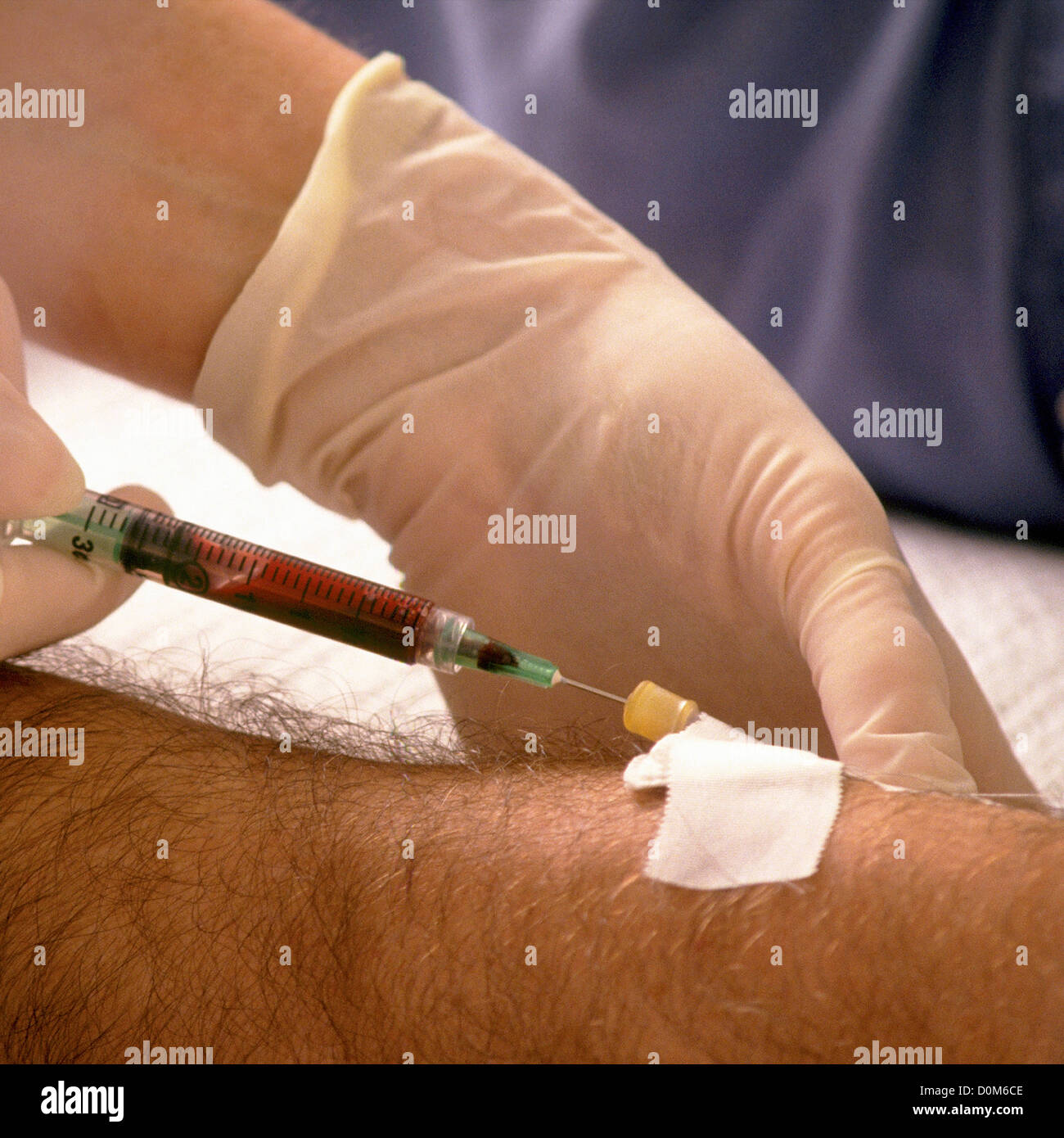
A specialist trained primarily to draw blood from patients for clinical or medical testing, transfusions, donations, or research is called a phlebotomist. These healthcare professionals practice phlebotomy, a field dedicated to the safe and efficient collection of blood samples through venipuncture, finger sticks, or heel sticks in infants.
Phlebotomists serve as a critical bridge between the patient and the laboratory. While many healthcare workers, such as nurses and doctors, are trained to draw blood, the phlebotomist is a dedicated specialist whose entire scope of practice focuses on the "pre-analytical" phase of laboratory testing. In 2026, as diagnostic medicine continues to advance, the role of the phlebotomist has evolved from a simple technician to a vital component of the diagnostic chain, ensuring that the samples reaching the lab are untainted and accurately labeled.
The Evolution and Definition of Phlebotomy
The term "phlebotomy" originates from the Greek words phlebo-, meaning vein, and -tomy, meaning to cut. Historically, bloodletting was used for centuries as a treatment for various ailments, often performed by "barber-surgeons." In the modern era, phlebotomy is no longer about "bleeding" a patient for therapeutic purposes—except in rare cases like polycythemia vera—but is instead a precision-based diagnostic tool.
Today, a phlebotomist is a trained allied health professional. Their primary objective is to obtain a blood specimen that is a true representation of the patient's physiological status. This requires a deep understanding of anatomy, physiology, and the chemical additives used in collection tubes. Even a minor error during the collection process can lead to a "hemolyzed" sample (where red blood cells rupture) or a contaminated specimen, which can result in incorrect diagnoses or unnecessary treatments.
Key Responsibilities of a Phlebotomy Specialist
The daily routine of a phlebotomist involves far more than the physical act of inserting a needle. The process is a highly standardized sequence of events designed to protect both the patient and the integrity of the data.
Patient Identification and Safety
The most critical step in phlebotomy is positive patient identification. In 2026, most healthcare facilities use biometric scanning or electronic health record (EHR) barcodes to verify identity. A phlebotomist must match the laboratory requisition form to the patient using at least two identifiers, such as full name and date of birth. Failure in this step is considered a major medical error, as it could lead to a patient receiving treatment based on someone else’s blood results.
Site Selection and Assessment
A specialist must be adept at assessing a patient’s vasculature. The median cubital vein in the antecubital fossa (the bend of the elbow) is the preferred site due to its size and stability. However, phlebotomists must often find alternative sites, such as the dorsal veins of the hand, when the primary sites are inaccessible due to scarring, IV therapy, or edema. They must also know which sites to avoid, such as the arm on the side of a recent mastectomy, to prevent complications like lymphedema.
Execution of the Draw
Using a variety of tools—including evacuated tube systems (ETS), syringes, and winged infusion sets (butterfly needles)—the phlebotomist performs the puncture. They must manage the vacuum pressure of the collection tubes to ensure the vein does not collapse. Furthermore, they must adhere to the "Order of Draw." This is a specific sequence in which tubes must be filled to prevent cross-contamination of additives (like anticoagulants) between tubes, which could skew lab results.
Specimen Processing and Transport
Once the blood is drawn, the phlebotomist’s job continues. Many samples require immediate inversion to mix with additives, while others must be chilled on ice or protected from light. In the high-tech environment of 2026, phlebotomists often use automated tracking systems to log the exact second a sample was collected and when it was dispatched to the lab, ensuring the "stability window" of the specimen is not exceeded.
The Path to Becoming a Phlebotomist in 2026
The requirements to become a specialist in drawing blood vary significantly by jurisdiction, but the trend has moved toward standardized certification and formal education.
Educational Prerequisites
Most phlebotomy programs require a high school diploma or GED. Training programs are offered at community colleges, vocational schools, and through dedicated healthcare institutes. These programs typically last between four months and a year, covering:
- Human anatomy and physiology (with a focus on the circulatory system).
- Medical terminology.
- Infection control and safety (OSHA standards).
- Legal and ethical issues in healthcare.
Clinical Practice
A hallmark of a quality phlebotomy education is the clinical "externship." Students are usually required to perform a specific number of successful, unassisted venipunctures and skin punctures (often 30 to 100) on live patients under supervision before they can graduate.
Certification and Licensing
While not all U.S. states legally require certification, the vast majority of employers in 2026 insist on it. Several nationally recognized agencies provide certification exams:
- National Healthcareer Association (NHA): Offers the Certified Phlebotomy Technician (CPT) credential.
- American Society for Clinical Pathology (ASCP): Offers the PBT(ASCP) certification, widely considered the "gold standard" in the industry.
- American Medical Technologists (AMT): Provides the Registered Phlebotomy Technician (RPT) designation.
In states like California, Nevada, Louisiana, and Washington, a state-issued license is mandatory. These states have the strictest requirements, often necessitating a specific number of classroom hours and clinical sticks beyond the national average.
Comparison of Blood Collection Methods
Depending on the patient's age, physical condition, and the amount of blood required, a phlebotomist must choose the correct method.
| Method | Primary Tool | Best Used For | Pros | Cons |
|---|---|---|---|---|
| Venipuncture (ETS) | Multi-sample needle and hub | Routine adult draws, multiple tubes | Fastest, minimizes contamination | Can collapse small or fragile veins |
| Butterfly (Winged) | Small-gauge needle with tubing | Pediatric, geriatric, or hand veins | High precision and control | Higher risk of needle-stick injury; expensive |
| Syringe Draw | Needle and manual plunger | Very fragile veins, "rolling" veins | Manual control over vacuum pressure | Higher risk of hemolysis if pulled too fast |
| Capillary Puncture | Lancet (finger or heel) | Infants, glucose monitoring, POCT | Minimally invasive, small volume | Limited testing range; risk of interstitial fluid dilution |
Essential Skills for Success
Beyond the technical ability to "hit a vein," a specialist in drawing blood must possess specific soft skills.
- Manual Dexterity: Phlebotomy is a tactile profession. One must be able to feel for the "bounce" of a healthy vein and manipulate small equipment with precision.
- Communication and Empathy: Many patients suffer from trypanophobia (fear of needles). A phlebotomist must be able to calm an anxious patient, explain the procedure clearly, and manage pediatric patients with patience.
- Attention to Detail: From checking expiration dates on tubes to ensuring the labels are perfectly aligned for laboratory scanners, there is zero room for sloppiness.
- Critical Thinking: If a draw is unsuccessful (a "miss"), the phlebotomist must quickly analyze why—did the vein roll? Was the bevel against the vein wall?—and adjust their technique for the second attempt.
Workplace Environments
Phlebotomists are found in almost every corner of the healthcare system. Their environment often dictates the pace and variety of their work.
- Hospitals: These roles often involve "rounding," where the phlebotomist moves from room to room. In the Emergency Department or ICU, they must work rapidly and handle high-pressure situations.
- Diagnostic Laboratories: Facilities like Quest Diagnostics or Labcorp employ thousands of phlebotomists. These are high-volume environments focused on efficiency and customer service.
- Blood Donation Centers: Working for organizations like the American Red Cross, phlebotomists use much larger needles (usually 16 to 18 gauge) to collect whole blood or perform apheresis (collecting specific blood components like platelets).
- Mobile Phlebotomy: A growing sector in 2026, mobile phlebotomists travel to patients' homes or offices. This is common for insurance exams, clinical research trials, and home-bound elderly care.
Safety and Infection Control
The risk of bloodborne pathogens, such as HIV, Hepatitis B, and Hepatitis C, makes safety the top priority for any specialist in drawing blood. Phlebotomists must strictly adhere to Standard Precautions, which assume that all blood samples are potentially infectious.
Key safety protocols include:
- Hand Hygiene: Washing hands or using sanitizer before and after every patient contact.
- Personal Protective Equipment (PPE): Always wearing gloves and, in some cases, face shields or gowns.
- Sharps Safety: Never recapping needles and immediately disposing of used needles in puncture-resistant sharps containers.
- Sanitization: Cleaning the puncture site with 70% isopropyl alcohol and ensuring the area remains sterile until the puncture is complete.
The Future of Phlebotomy in 2026
As we move through 2026, technology is augmenting rather than replacing the phlebotomist. Vein visualization technology, which uses near-infrared light to project a map of the patient's veins onto the skin, has become standard in most hospitals, significantly reducing the "stick-to-success" ratio.
Furthermore, the rise of "Point-of-Care Testing" (POCT) allows phlebotomists to use handheld devices to get immediate results for certain tests, such as glucose, electrolytes, or blood gases, without sending the sample to a central lab. While robotic blood-drawing machines are in development, they lack the human touch and the ability to navigate the complex anatomical variations found in human patients, ensuring that the human phlebotomist remains an indispensable specialist.
Frequently Asked Questions
Is a phlebotomist the same as a nurse?
No. While both can draw blood, a nurse has a much broader scope of practice including administering medication, diagnosing nursing needs, and direct patient care. A phlebotomist is a specialist specifically trained and certified in the collection and processing of specimens. In many large hospitals, phlebotomists are used to free up nurses to focus on more complex clinical tasks.
How long does it take to become a phlebotomist?
In 2026, most accredited programs take between 4 and 8 months. This includes classroom instruction and a clinical rotation. Short "weekend" courses exist but are often discouraged by major employers because they may not provide enough hands-on experience to meet certification requirements.
Do phlebotomists only draw blood from veins?
Primarily, yes (venipuncture). However, they also perform capillary punctures (finger or heel sticks). In some specialized settings and with additional training, they may assist in collecting arterial blood gases or other non-blood specimens like urine, sputum, or swabs.
What is the average salary for a phlebotomy specialist in 2026?
Salaries vary by region and experience. In 2026, the average annual salary in the United States ranges from $42,000 to $55,000. Specialists working in high-cost-of-living areas or those with advanced certifications and leadership roles can earn significantly more.
Is phlebotomy a good entry-level medical job?
Yes, it is often considered one of the best "foot-in-the-door" careers in healthcare. Many people work as phlebotomists while studying to become nurses, physician assistants, or medical laboratory scientists, as it provides invaluable experience in patient interaction and clinical workflow.
Practical Recommendation for Aspiring Specialists
If you are interested in becoming a specialist in drawing blood, your first step should be to research the specific requirements for your state or country. In the United States, prioritize programs that are accredited by the National Accrediting Agency for Clinical Laboratory Sciences (NAACLS). Once enrolled, focus intensely on your anatomy courses and seek out as much clinical practice as possible; the confidence you build during your first 100 sticks will define your success in the field. For patients, the best way to assist your phlebotomist is to stay well-hydrated before a blood draw, as water intake increases vein volume and visibility.
More information on professional standards can be found through the American Society for Clinical Pathology (ASCP) or the Bureau of Labor Statistics.