At-home laser hair removal devices offer a safe, effective method for long-term hair reduction, but they are not a one-time "permanent" fix. These devices utilize light energy to disable hair follicles during their active growth phase. While results are significant, success depends heavily on your specific skin tone, hair color, and consistent adherence to a treatment schedule.
The landscape of personal grooming has shifted dramatically, and by 2026, light-based hair removal has become a staple of the modern skincare routine. However, as the market for these devices expands, so does the amount of misinformation surrounding their capabilities. To make an informed investment, it is essential to distinguish between marketing hype and the biological reality of how these devices interact with human physiology.
Understanding the Technology: IPL vs. Diode Laser
Before deconstructing the myths, it is vital to understand the two primary technologies used in home devices: Intense Pulsed Light (IPL) and Diode Laser.
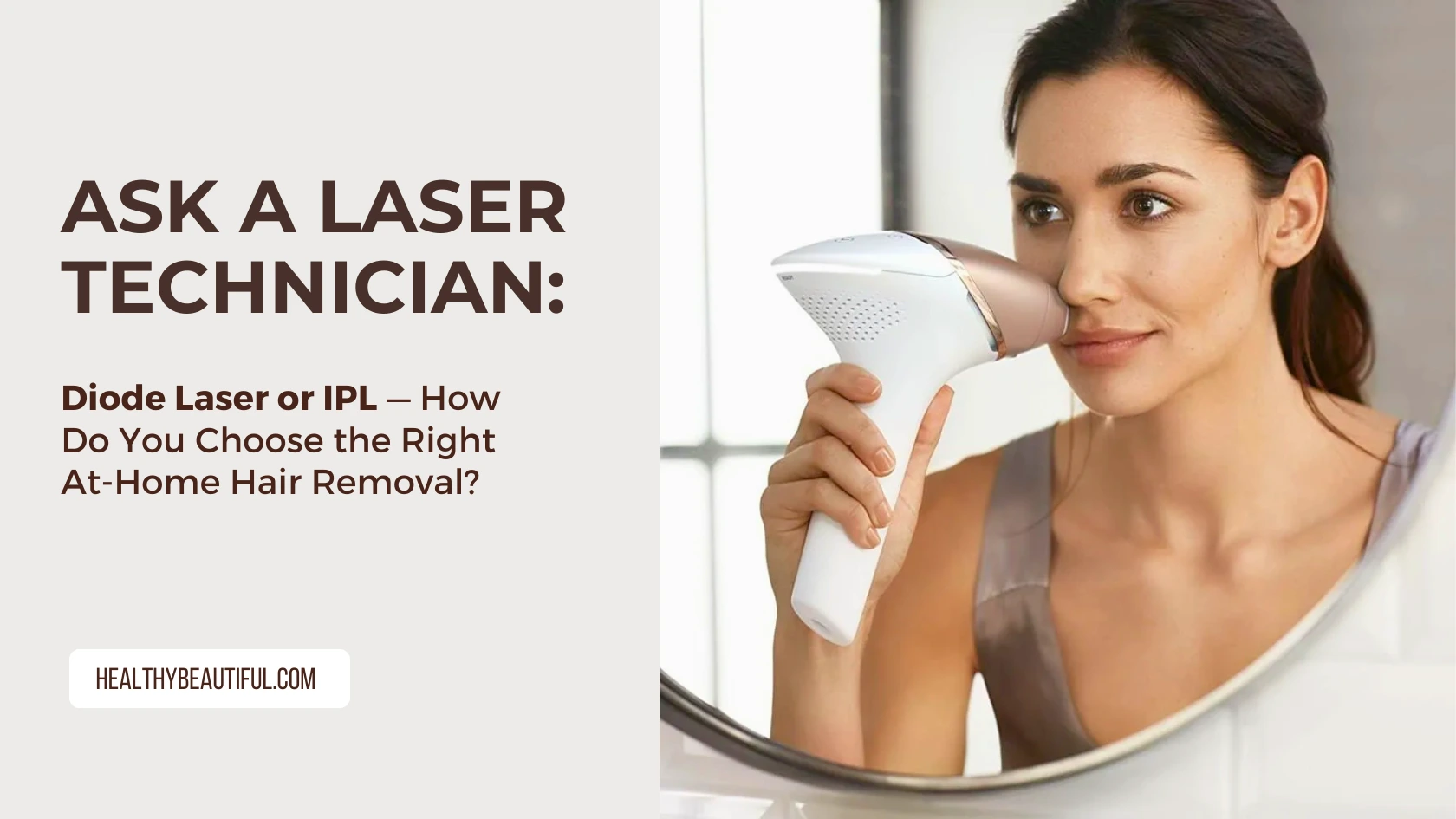
Most "at-home laser" devices are actually IPL machines. IPL uses a broad spectrum of light with multiple wavelengths. This light scatters across the skin, targeting the melanin (pigment) in the hair. Because the light is broad-spectrum, it is generally less intense than a focused laser, making it safer for consumer use but often requiring more sessions to see results.
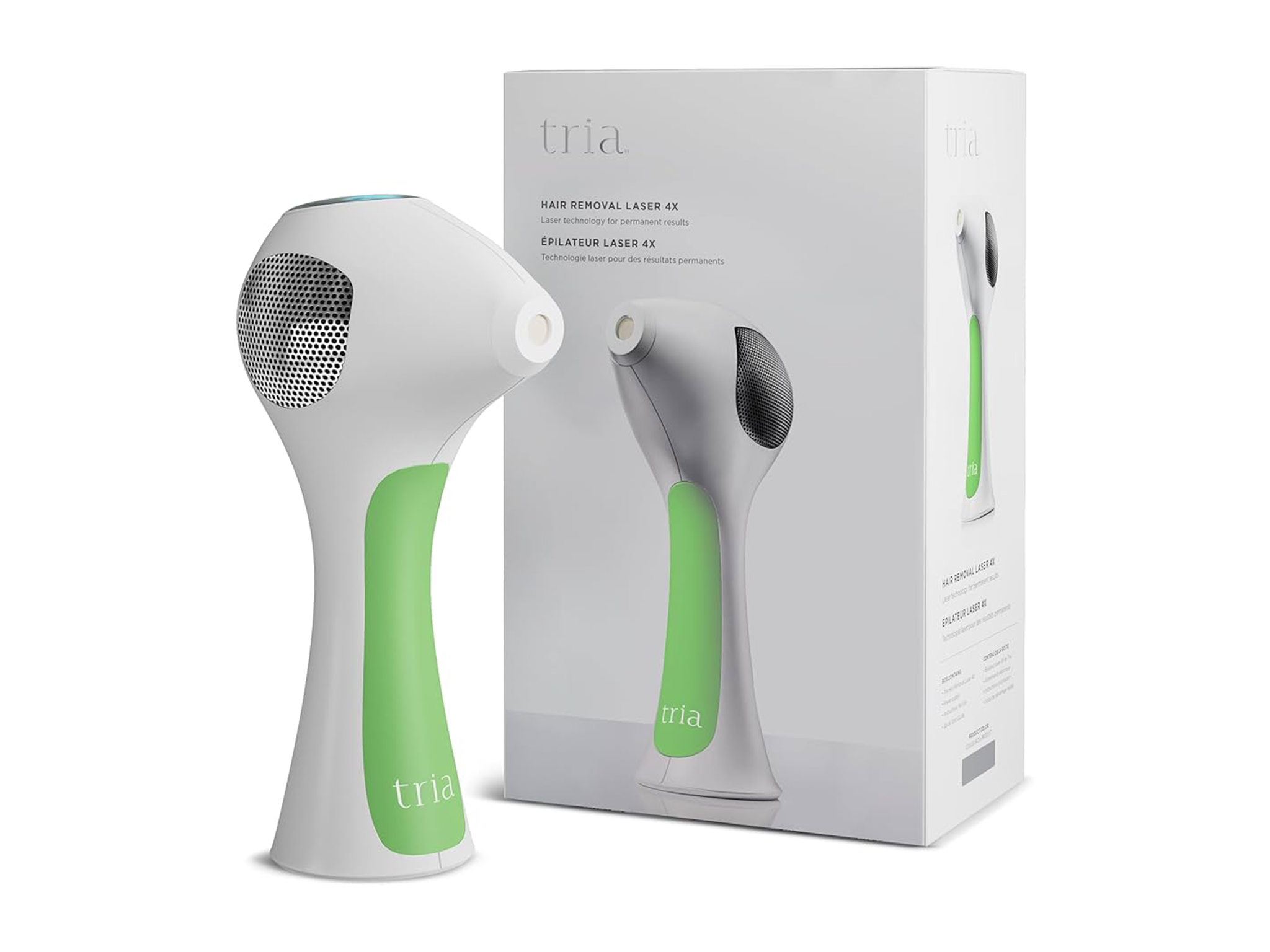
True at-home diode lasers, such as those developed by brands like Tria, use a single, concentrated wavelength of light. This focused beam penetrates deeper into the follicle with more precision. While more powerful, these devices often have smaller treatment windows, making them more time-consuming for large areas like legs.
In 2026, we see a hybrid approach in many high-end models, utilizing smart sensors that adjust the fluence (energy levels) based on real-time skin tone readings. This advancement has bridged the gap between safety and efficacy, but the fundamental science of targeting melanin remains the same.
Myth 1: At-Home Laser Hair Removal is 100% Permanent
The Fact: The term "permanent" is often used loosely in marketing, but the FDA and medical professionals prefer the term permanent hair reduction.
Biologically, your body has the capability to repair damaged follicles or activate "dormant" follicles over time due to hormonal changes, medications, or aging. While a high-quality home device can reduce hair growth by 70% to 90%, it is unlikely to stop every single hair from ever growing again.
In 2026, the standard for a "successful" treatment is reaching a maintenance phase. This means that after an initial intensive protocol (usually 8 to 12 weeks), you may only need a "touch-up" session once every three to six months to remain hair-free. Expecting to use the device for a few months and never touch it again for the rest of your life is a misconception.
Myth 2: It Works Effectively on All Skin Tones and Hair Colors
The Fact: This is perhaps the most dangerous myth. Light-based hair removal relies on selective photothermolysis. This process requires a contrast between the dark pigment of the hair and the lighter pigment of the skin.
The light energy is attracted to melanin. If you have dark hair and light skin, the energy travels straight down the hair shaft to the follicle. However, if the skin is dark (high melanin content), the skin itself may absorb the light energy instead of the hair, leading to burns, blisters, or hyperpigmentation. Conversely, if the hair is blonde, red, or grey, it lacks enough melanin to absorb the heat, rendering the treatment ineffective.
While 2026 technology has introduced specialized devices with longer wavelengths that are safer for deeper skin tones (Fitzpatrick scales V and VI), many standard IPL devices still carry significant risks for dark skin. Always check the manufacturer's skin tone chart before purchase.
Myth 3: Home Devices Are Just as Powerful as Professional Lasers
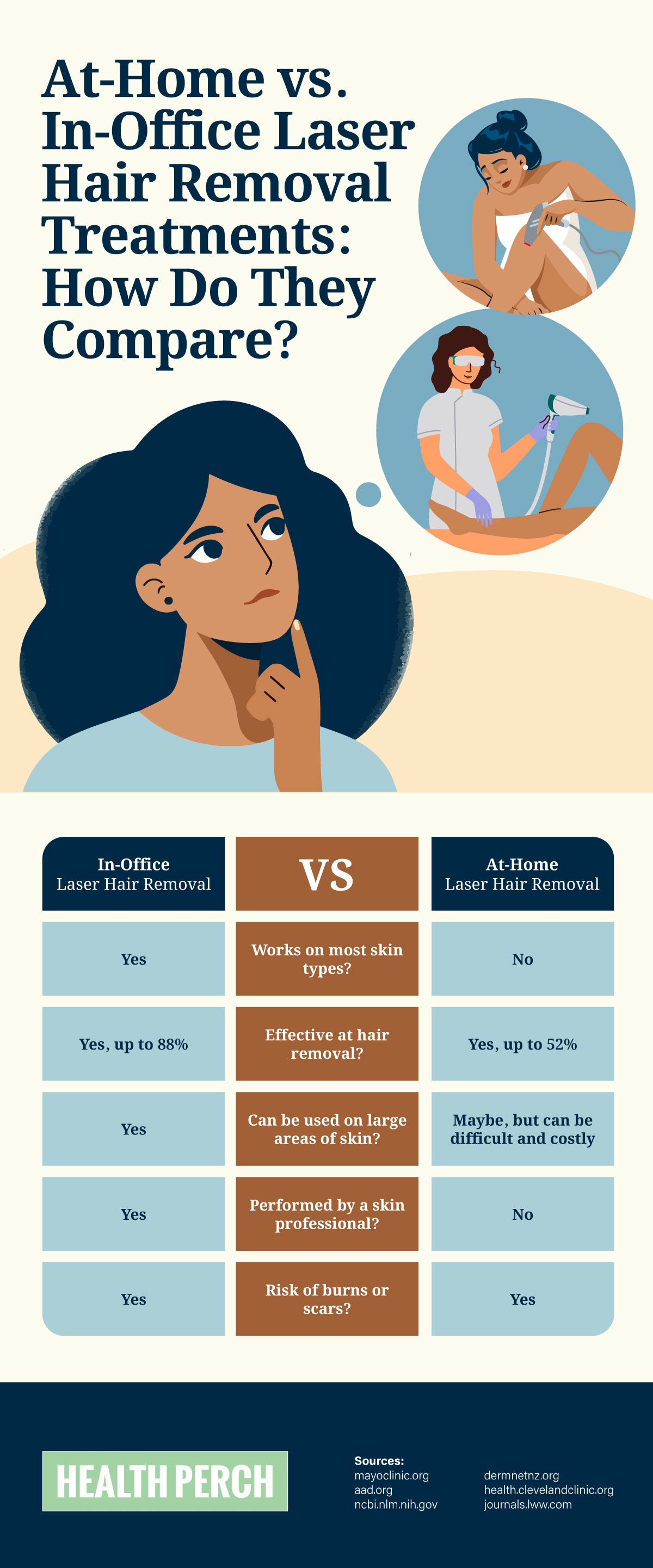
The Fact: At-home devices are intentionally engineered with lower energy settings to ensure consumer safety.
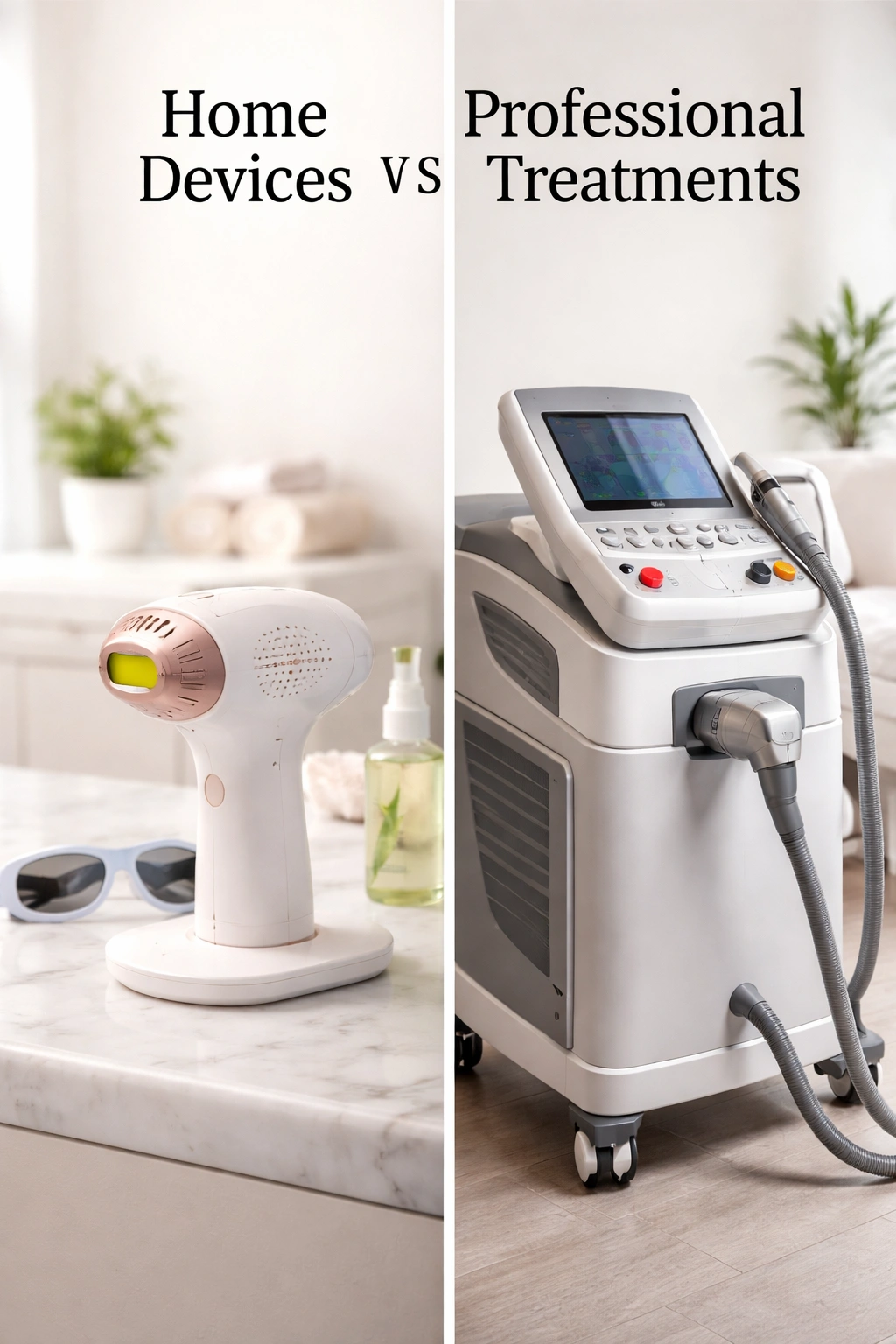
A professional diode or Alexandrite laser in a clinical setting can operate at much higher fluence levels because a trained technician is monitoring the skin’s reaction. A professional treatment can often reach deeper follicles and achieve results in fewer sessions.
Home devices are designed for convenience and cost-savings over time. While they can achieve comparable results to professional treatments in terms of hair reduction, they require significantly more patience. A result that takes 5 sessions at a clinic might take 12 to 15 sessions with a home IPL device.
Myth 4: You Should Not Shave Before Using the Device
The Fact: You must shave before using an at-home laser or IPL device. This is a common point of confusion.
If there is long hair sitting on the surface of the skin, the light energy will be absorbed by that hair above the surface. This causes the hair to singe, which can burn your skin and create a localized "burnt hair" smell, but more importantly, it prevents the energy from reaching the root. Shaving ensures the path is clear for the light to travel directly into the follicle beneath the skin's surface.
Note that you should avoid waxing, plucking, or epilating between treatments. These methods remove the hair root entirely, leaving nothing for the laser to target.
Myth 5: Using the Device Every Day Will Speed Up Results
The Fact: More frequent use does not lead to faster results; it only increases the risk of skin irritation.
Hair grows in three distinct phases:
- Anagen (Growth Phase): The hair is attached to the bulb. This is the only phase where laser treatment is effective.
- Catagen (Transition Phase): The hair starts to detach.
- Telogen (Resting Phase): The hair is fully detached and eventually falls out.
Since only a certain percentage of your hair is in the Anagen phase at any given time, you must wait for the next cycle of hairs to enter the growth phase before the laser can target them. Most 2026 guidelines recommend treatments once every week or every two weeks for the first two months. Treating the same area daily is a waste of pulses and may damage your skin's moisture barrier.
Comparing Technology and Outcomes
To better understand which path is right for your needs, consider the following comparison of the leading technologies available in 2026.
| Feature | Home IPL | Home Diode Laser | Professional Clinic |
|---|---|---|---|
| Technology | Broad-spectrum light | Concentrated light beam | High-fluence Laser (Alex/YAG) |
| Pain Level | Low (Snapping sensation) | Moderate (Prickling) | Moderate to High |
| Primary Benefit | Convenience & Lower Cost | High Precision | Maximum Efficacy |
| Treatment Time | 20-40 mins (Full body) | 60+ mins (Small window) | 15-60 mins |
| Typical Cost (2026) | $300 - $600 (One-time) | $400 - $800 (One-time) | $150 - $500 (Per session) |
| Safety Features | Skin tone sensors | Contact sensors | Professional supervision |
Safety Protocols and Best Practices
Using an at-home laser device is generally safe in 2026, provided you follow established medical guidelines. The most common side effects are temporary redness and slight swelling, similar to a mild sunburn. However, to avoid more serious complications, users should adhere to the following:
- Patch Testing: Always perform a patch test on a small, inconspicuous area and wait 24 to 48 hours to check for adverse reactions before proceeding with a full treatment.
- Eye Protection: While many home devices have safety sensors that prevent the flash unless the window is fully pressed against the skin, the "leakage" of bright light can still be taxing on the eyes. Use the provided safety glasses or simply look away during the flash.
- Sun Exposure: Avoid tanning (both natural and artificial) for at least two weeks before and after treatment. Tanned skin has active melanin, which increases the risk of burns.
- Avoid Sensitive Areas: Do not use these devices on tattoos, dark moles, or the genital area (unless the specific device is cleared for it). The high concentration of pigment in these areas can lead to severe burns.
Common Mistakes to Avoid
Many users give up on home hair removal because they do not see immediate results. Understanding the timeline is crucial for success. In the first few weeks, you might feel like the hair is still growing. Often, this is actually the "shedding" phase where the treated hairs are being pushed out of the follicle.
Another mistake is inconsistent scheduling. Missing several weeks during the initial phase allows hairs to transition out of the Anagen phase without being treated, essentially resetting your progress. Using a dedicated app (many 2026 models sync with smartphones) to track your sessions is highly recommended.
Frequently Asked Questions
Is at-home laser hair removal painful?
For most users, it feels like a warm snap against the skin or the flick of a rubber band. It is generally significantly less painful than waxing. Most modern devices in 2026 include built-in cooling mechanisms or "ice-tech" to soothe the skin instantly during the flash.
How long does it take to see real results?
You will typically notice a slowing of hair growth and thinning of the hair after 3 to 4 treatments. Significant hair reduction (where you no longer need to shave daily) usually occurs after 8 to 12 weeks of consistent use.
Can I use these devices on my face?
Yes, most at-home devices are safe for use on the face from the cheekbones down (upper lip, chin, and jawline). However, they should never be used near the eyes or on the forehead, as the risk to ocular health and the sensitivity of the skin in those areas is too high.
Do I need to use conductive gel?
Most at-home IPL and laser devices do not require conductive gel, unlike some professional treatments or older radio-frequency devices. In fact, applying gels or creams not recommended by the manufacturer can interfere with the light's ability to reach the follicle or even damage the device's treatment window.
Are the results truly permanent by 2026?
By 2026, "permanent" still refers to long-term reduction. While some follicles may be permanently destroyed, others are merely put into a long-term dormant state. Occasional maintenance is expected to keep the skin perfectly smooth.
Final Recommendations for 2026 Consumers
When choosing an at-home laser hair removal device, prioritize FDA-cleared (or equivalent regulatory body) models to ensure the safety mechanisms have been rigorously tested. Begin by assessing your skin tone on the Fitzpatrick scale; if you have very dark skin or very light hair, traditional IPL may not be for you, and you should look into specialized Diode or Nd:YAG professional options.
For most people, at-home hair removal is a highly effective, cost-saving alternative to salon visits. Success is not found in the intensity of a single session, but in the discipline of a consistent routine. If you are willing to commit to a 12-week initial protocol and quarterly maintenance, these devices can provide the smooth, hair-free skin you desire without the recurring expense of professional clinics.
Disclaimer: This guide is for informational purposes only and does not constitute medical advice. Consult with a dermatologist before beginning any new light-based skin treatment, especially if you have underlying skin conditions or are taking photosensitizing medications.